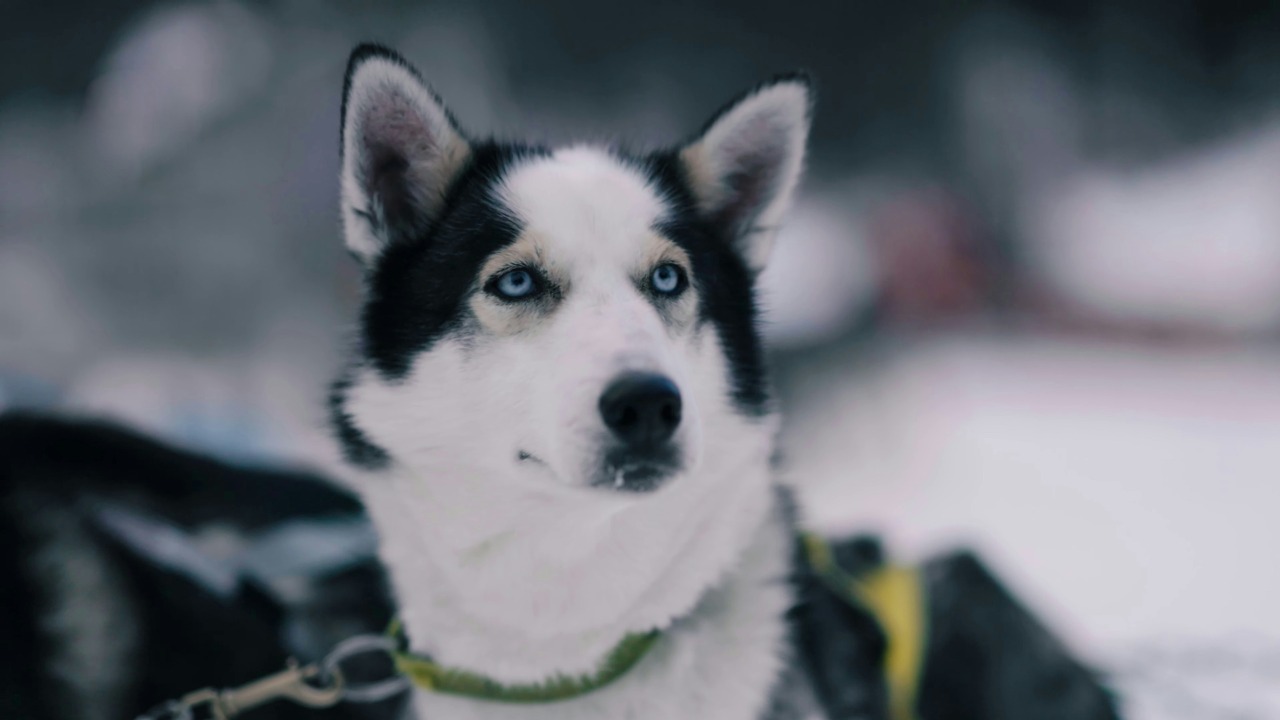

Throughout history, dogs have played crucial roles in various military operations, often turning the tide of war in unexpected ways. From serving as messengers to detecting mines, these canine heroes have shown extraordinary bravery and skill.
Here are seven remarkable instances where dogs made a significant impact on the battlefield.
Sergeant Stubby in World War I
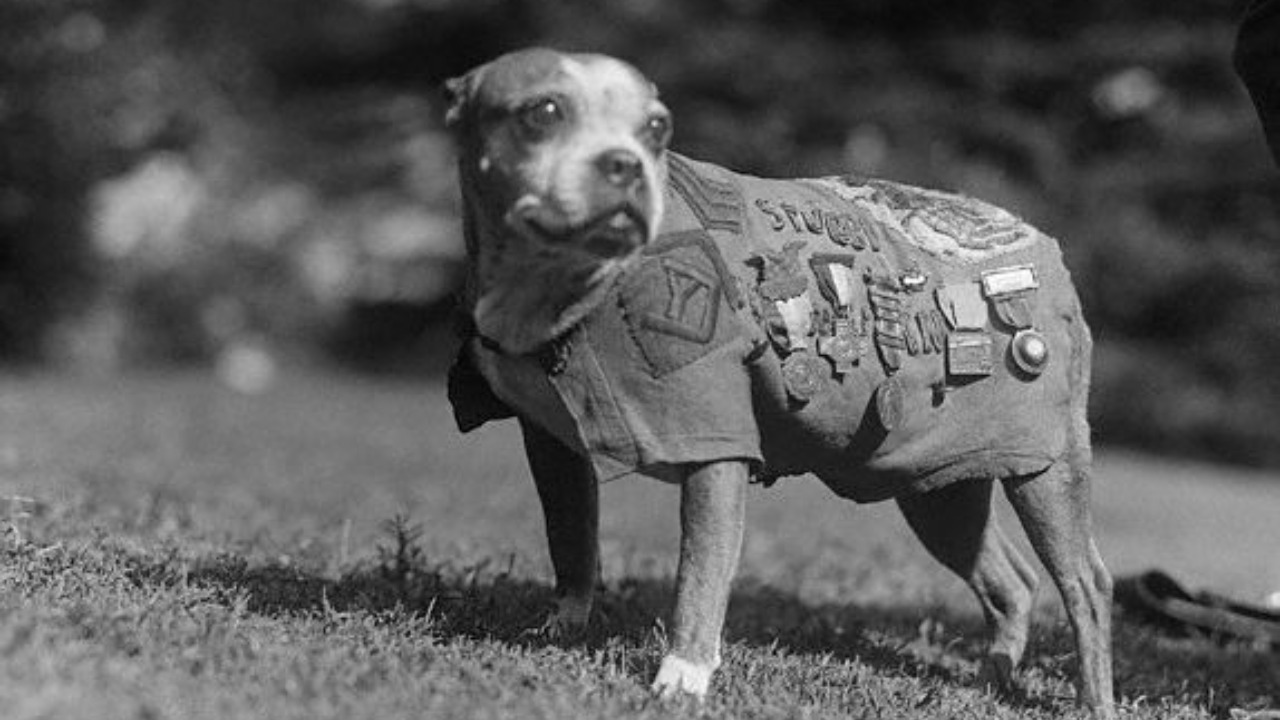
Sergeant Stubby, a Boston Terrier mix, became the most decorated war dog of World War I. He served with the 102nd Infantry Regiment in the trenches of France. His ability to detect gas attacks and locate wounded soldiers made him a beloved figure among the troops. Stubby’s keen senses and bravery earned him the honorary rank of sergeant, making him a legendary figure in military history.
Stubby even captured a German spy, which added to his fame. His story exemplifies the diverse roles dogs have played in wartime, demonstrating their unwavering loyalty and courage under fire.
Smoky the War Dog in World War II
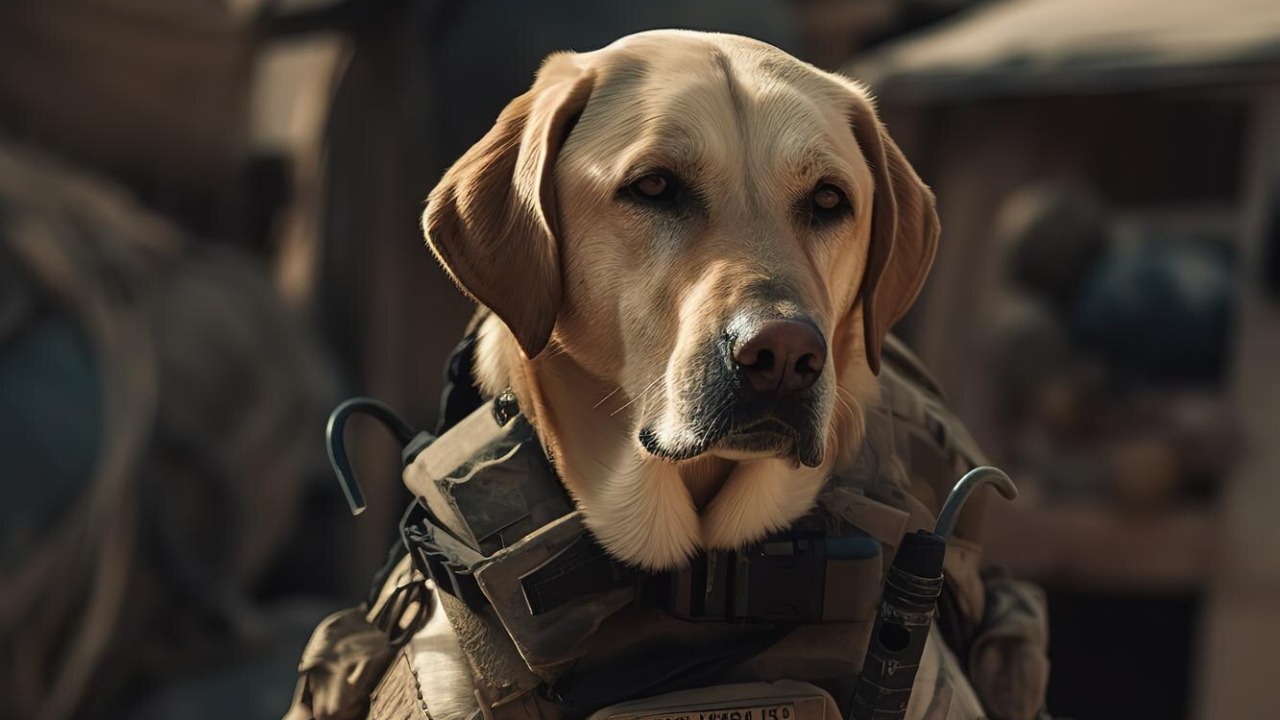
Smoky, a tiny Yorkshire Terrier, became a mascot and hero for American soldiers in the Pacific Theater during World War II. Despite her small size, Smoky performed big tasks, including running communication wires through narrow pipes. Her efforts were crucial in maintaining the communication lines that were vital for military operations.
Smoky’s adventures were well-documented, and she quickly became a sensation back home. Her story of survival and service is a testament to the diverse capabilities of war dogs. For more on the role of canines in WWII, check out an article on The Dogs of War.
Cairo, the Navy SEAL Dog in the Osama Bin Laden Raid
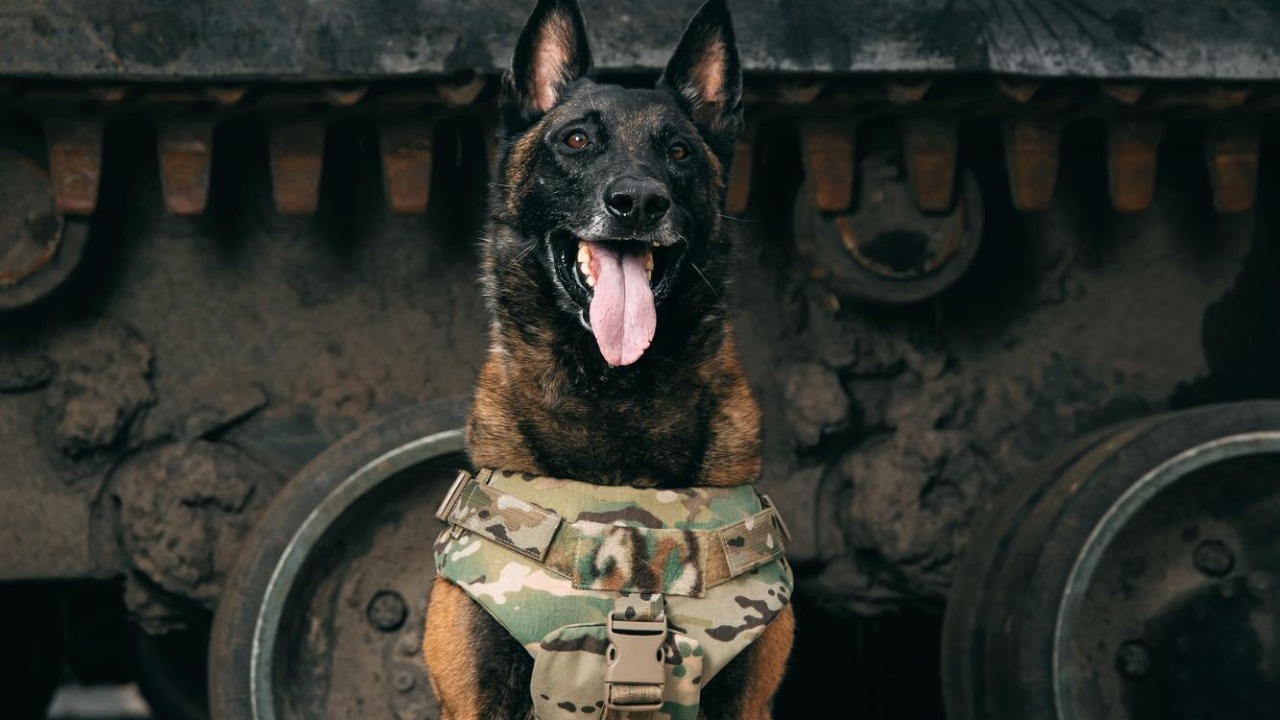
Cairo, a Belgian Malinois, played a critical role in the 2011 raid that led to the death of Osama Bin Laden. As part of the elite Navy SEAL Team 6, Cairo’s tasks included scouting for explosives, securing perimeters, and tracking down enemy combatants. His presence was vital for the mission’s success, showcasing the advanced training and capabilities of modern military dogs.
With specialized gear, including night-vision goggles, Cairo’s contributions highlighted the evolving role of dogs in contemporary warfare. His involvement in such a high-profile mission underscores the trust and reliance placed on military canines today.
Anti-Tank Dogs in World War II
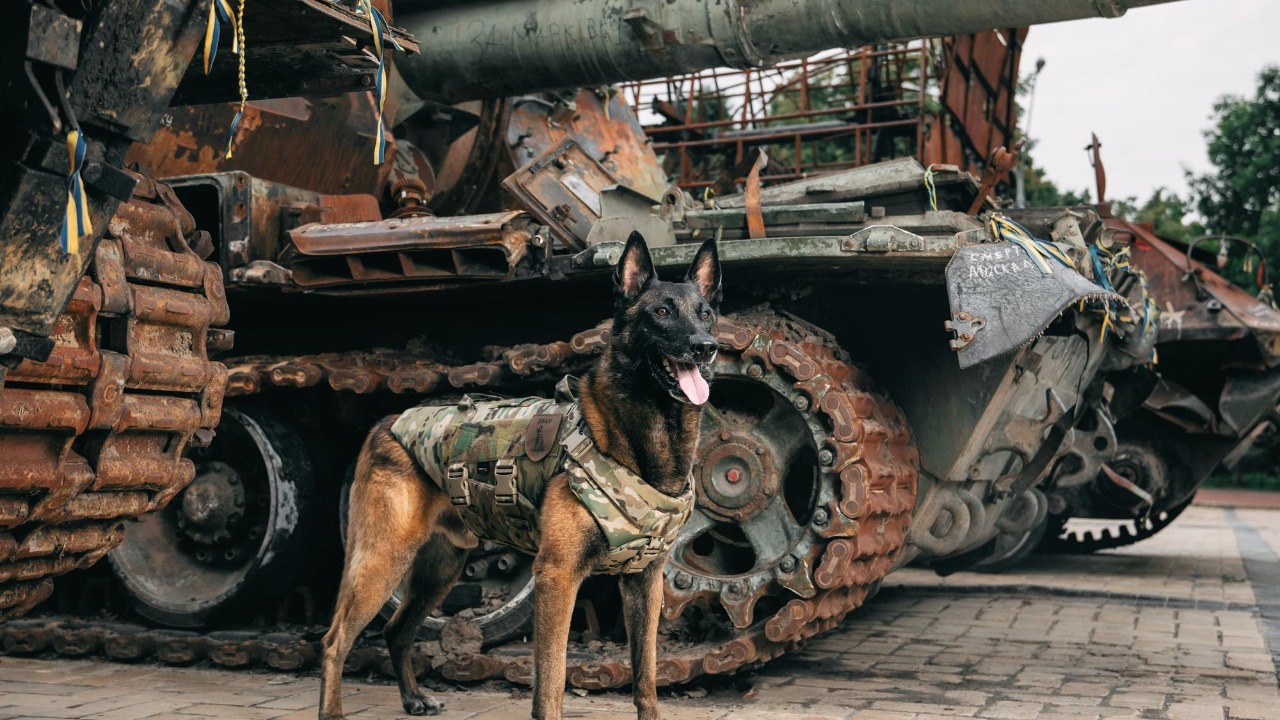
During World War II, the Soviet Union deployed anti-tank dogs to disrupt German armored divisions. Trained to carry explosives, these dogs were taught to run under enemy tanks, where the explosives would detonate. Although controversial, this strategy aimed to counter the superior German tank forces on the Eastern Front.
The effectiveness of anti-tank dogs was mixed, with various factors affecting their success. Nevertheless, their deployment signifies the desperate and innovative measures taken during wartime. The use of such tactics highlights the diverse roles dogs have played in military history.
Chips, the Most Decorated War Dog of World War II
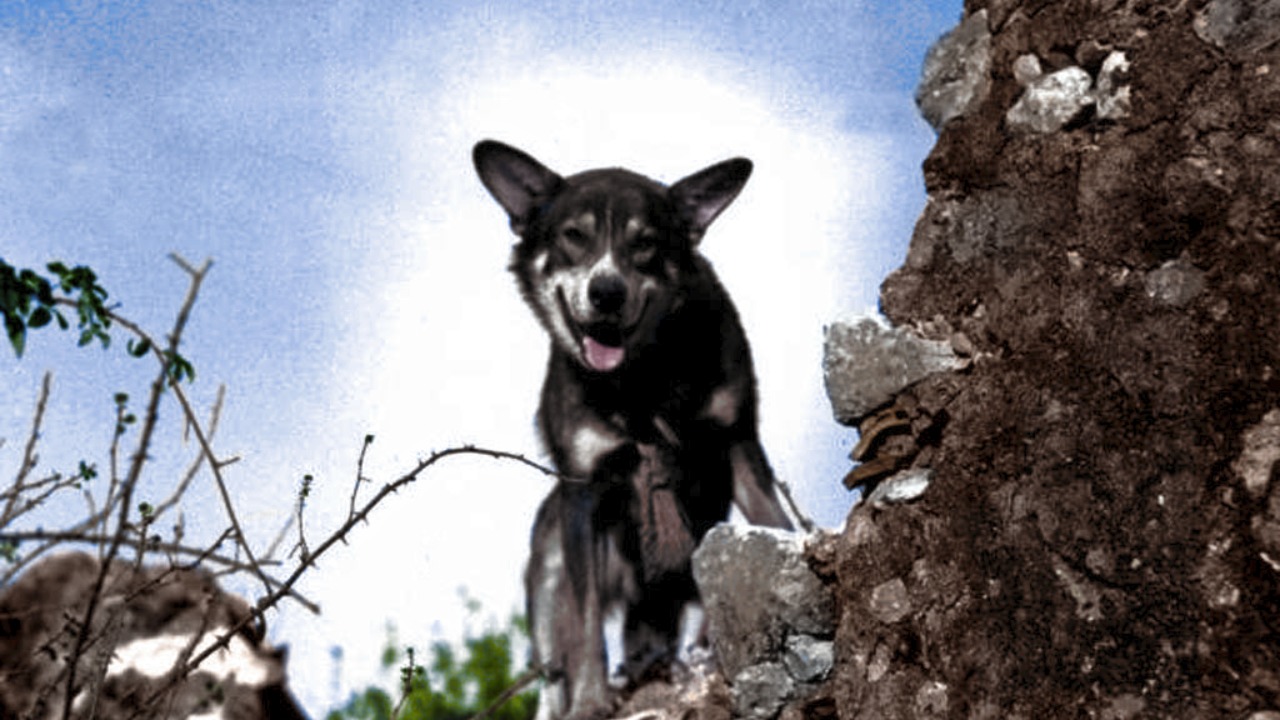
Chips, a German Shepherd-Collie-Siberian Husky mix, became the most decorated war dog of World War II. Serving with American forces in Europe, Chips was known for his bravery in combat, including an attack on an enemy machine-gun nest in Sicily. His actions earned him several commendations, including the Silver Star and Purple Heart.
Despite controversies over awarding military honors to animals, Chips’ heroics were undeniable. His story remains a powerful example of the courage and dedication exhibited by war dogs. Read more about his contributions in this detailed account.
The Dogs of the Vietnam War
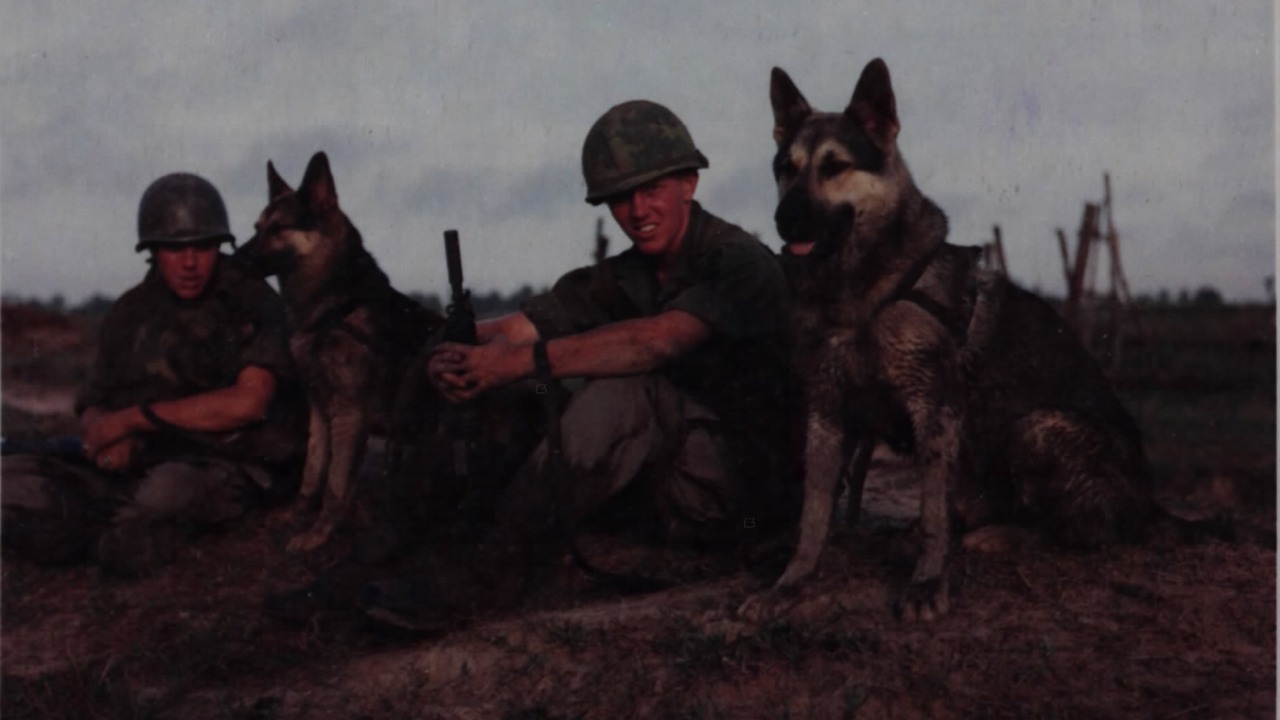
During the Vietnam War, dogs played crucial roles in detecting enemy forces, locating booby traps, and providing companionship to soldiers. The U.S. military deployed thousands of dogs, saving countless lives through their keen senses and loyalty. These war dogs were trained to navigate the challenging and dangerous environment of the Vietnamese jungles.
Despite their contributions, many war dogs were left behind after the war, sparking a movement to recognize their service and sacrifice. The legacy of these dogs is honored in various memorials and tributes, acknowledging their vital role in military operations.
K-9 Units in the War on Terror
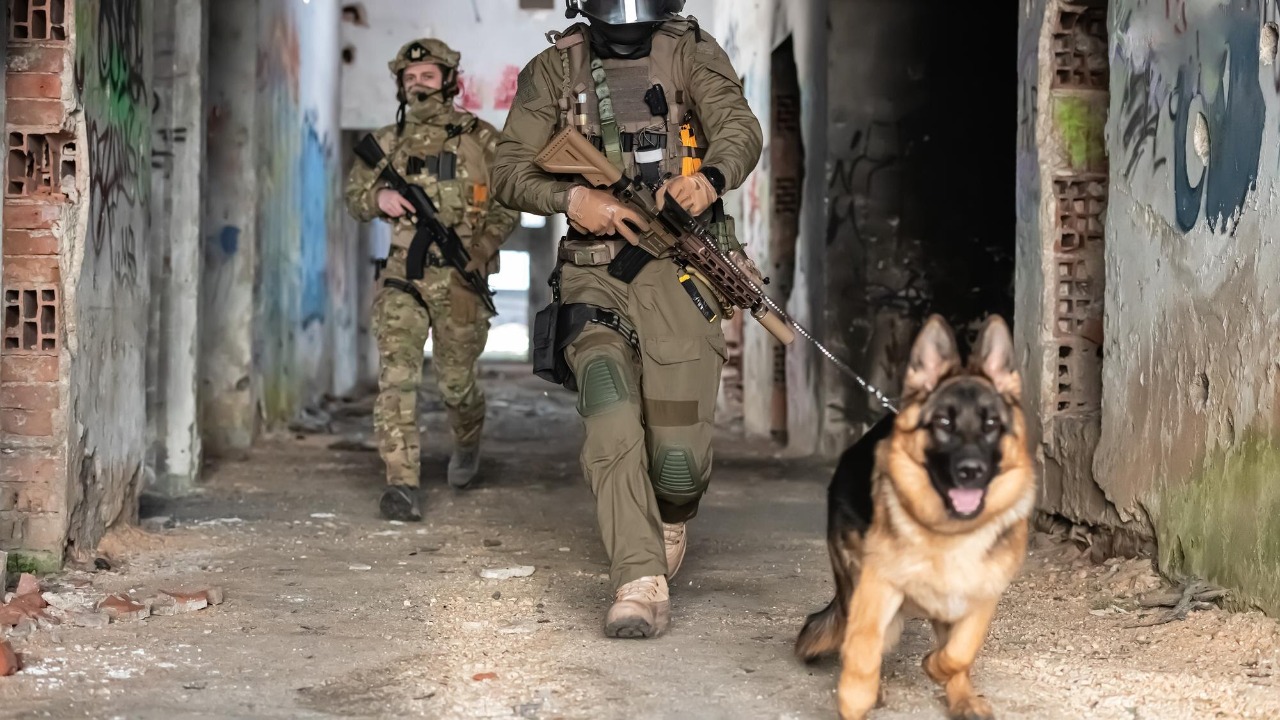
In the ongoing War on Terror, K-9 units have become indispensable assets for military and law enforcement agencies. Trained to detect explosives and narcotics, these dogs are often on the front lines in the fight against terrorism. They work alongside their handlers to secure areas, track down suspects, and protect personnel.
K-9 units’ versatility and effectiveness have made them a critical component of modern military strategy. Their contributions continue to shape the landscape of security and defense, proving that dogs remain a valuable asset in the ever-evolving theater of war. Discover more about their impact in this