
In a world filled with uncertainties, it is both fascinating and frightening to consider the events that could lead to our sudden extinction. From natural disasters to technological advancements, these scenarios might not just be the stuff of science fiction. Here are seven possibilities that could drastically change life on Earth in the blink of an eye.
Asteroid Impact
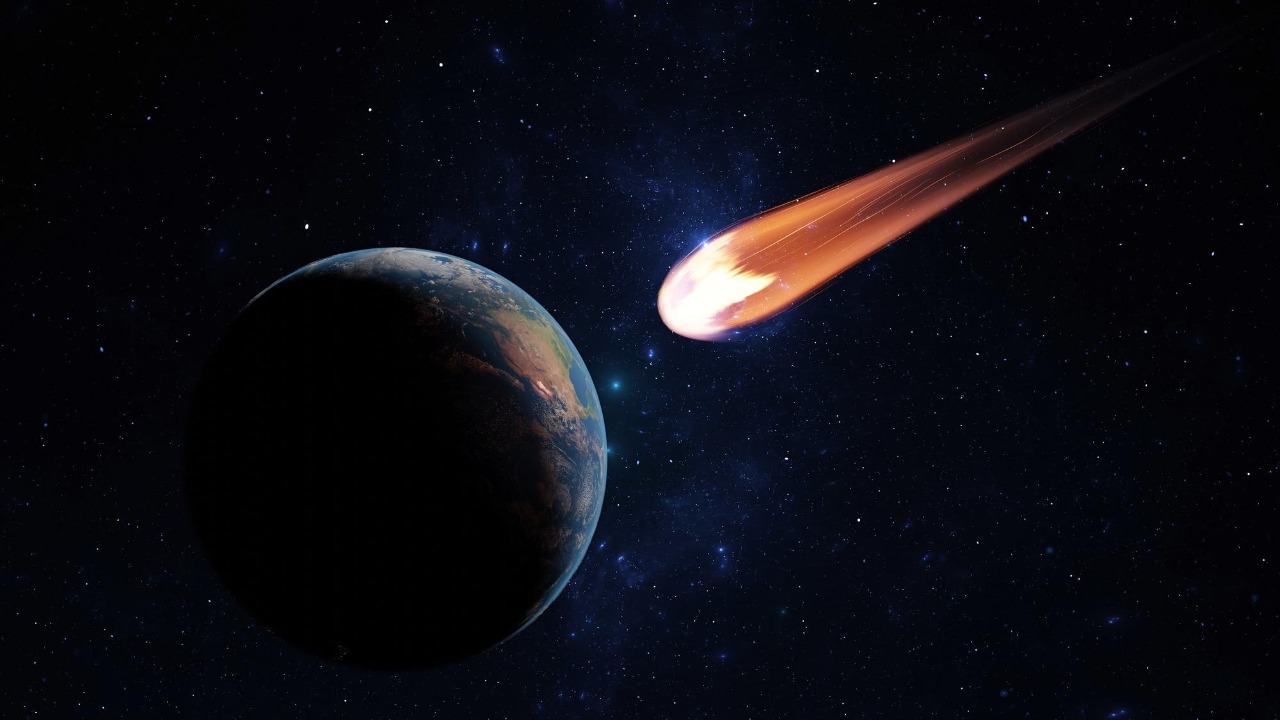
The idea of an asteroid impact wiping out life on Earth is not just Hollywood hyperbole. Scientists estimate that a sufficiently large asteroid could devastate our planet, leading to mass extinction. Such an event is believed to have caused the demise of the dinosaurs 66 million years ago. While organizations like NASA track near-Earth objects, the unpredictability of these space rocks remains a concern.
Fortunately, the likelihood of a major impact occurring soon is considered low, but the potential devastation underscores the importance of continued vigilance and preparedness. Efforts are underway to develop technologies that could deflect or destroy an incoming asteroid before it reaches Earth.
Supervolcanic Eruption
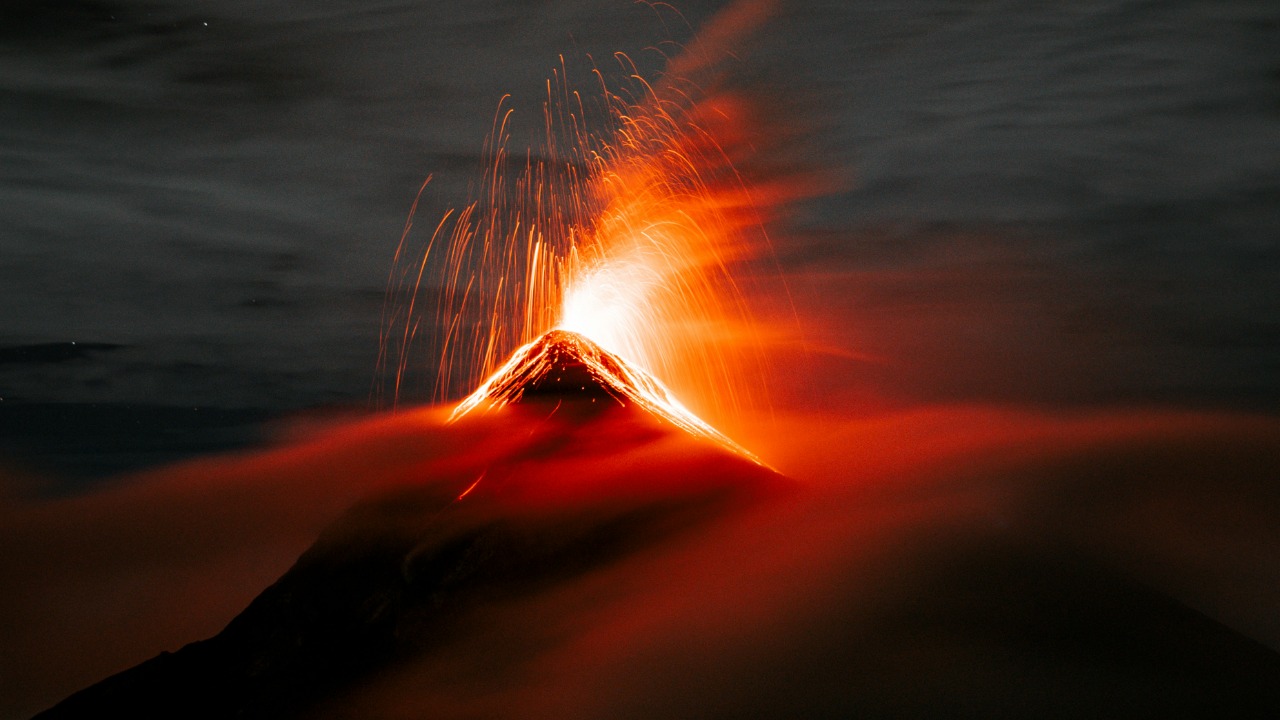
A supervolcanic eruption could have catastrophic effects on global climate and agricultural production. The Yellowstone Caldera in the United States is one such supervolcano that, if it erupted, could spew vast quantities of ash and gases into the atmosphere. This would lead to a “volcanic winter,” significantly lowering temperatures worldwide.
The last known supervolcanic eruption occurred about 74,000 years ago in Indonesia. While such events are rare, they serve as a stark reminder of the forces beneath our feet, capable of altering life as we know it.
Global Pandemic

The COVID-19 pandemic has shown us how a virus can swiftly spread across the globe, disrupting societies and economies. However, a more lethal pathogen could have even more dire consequences. Advances in global travel and urbanization increase the risk of a pathogen spreading rapidly, potentially overwhelming health systems.
While the scientific community continues to develop vaccines and treatments, the threat of a global pandemic remains a clear and present danger. Vigilance in monitoring infectious diseases and strengthening public health infrastructure is crucial in mitigating such risks.
Nuclear War
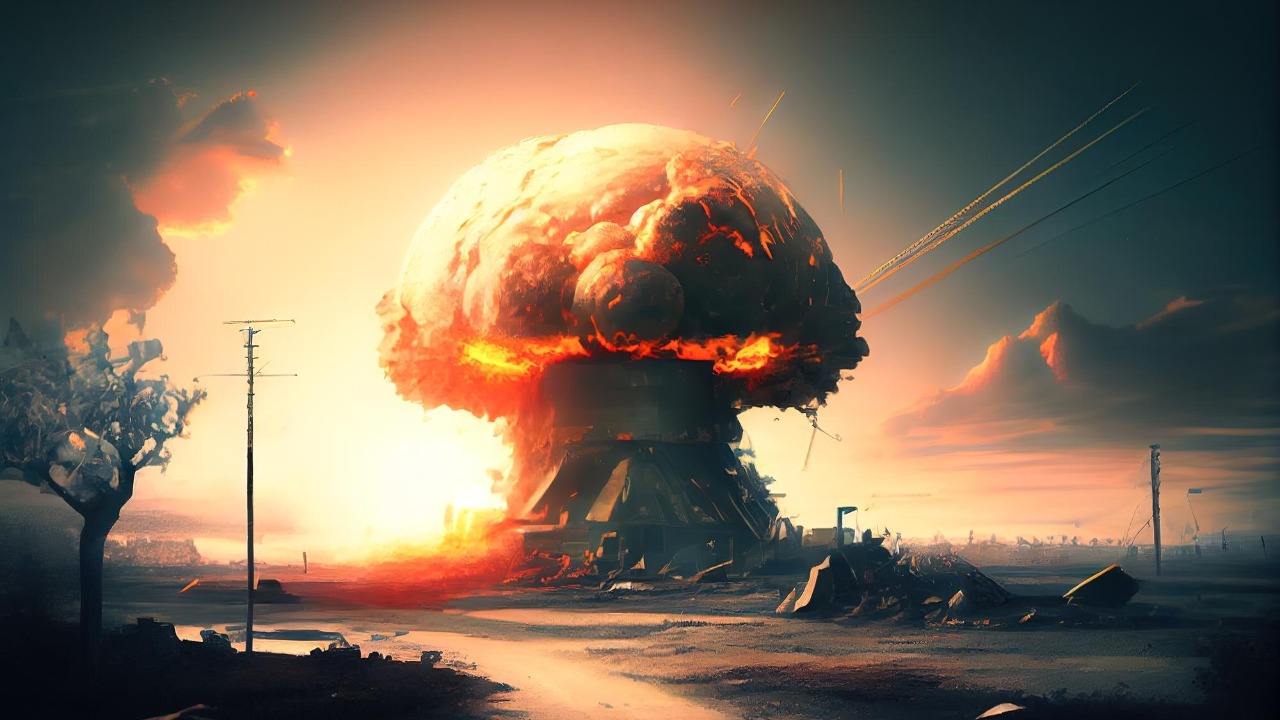
The threat of nuclear war, though diminished since the Cold War era, still looms over humanity. The detonation of even a small fraction of the world’s nuclear arsenal could lead to catastrophic loss of life and a “nuclear winter,” disrupting global climate and agriculture.
Diplomacy and disarmament efforts are vital in reducing the risk of nuclear conflict. However, geopolitical tensions and the proliferation of nuclear weapons continue to pose significant challenges to global security.
Artificial Intelligence Takeover
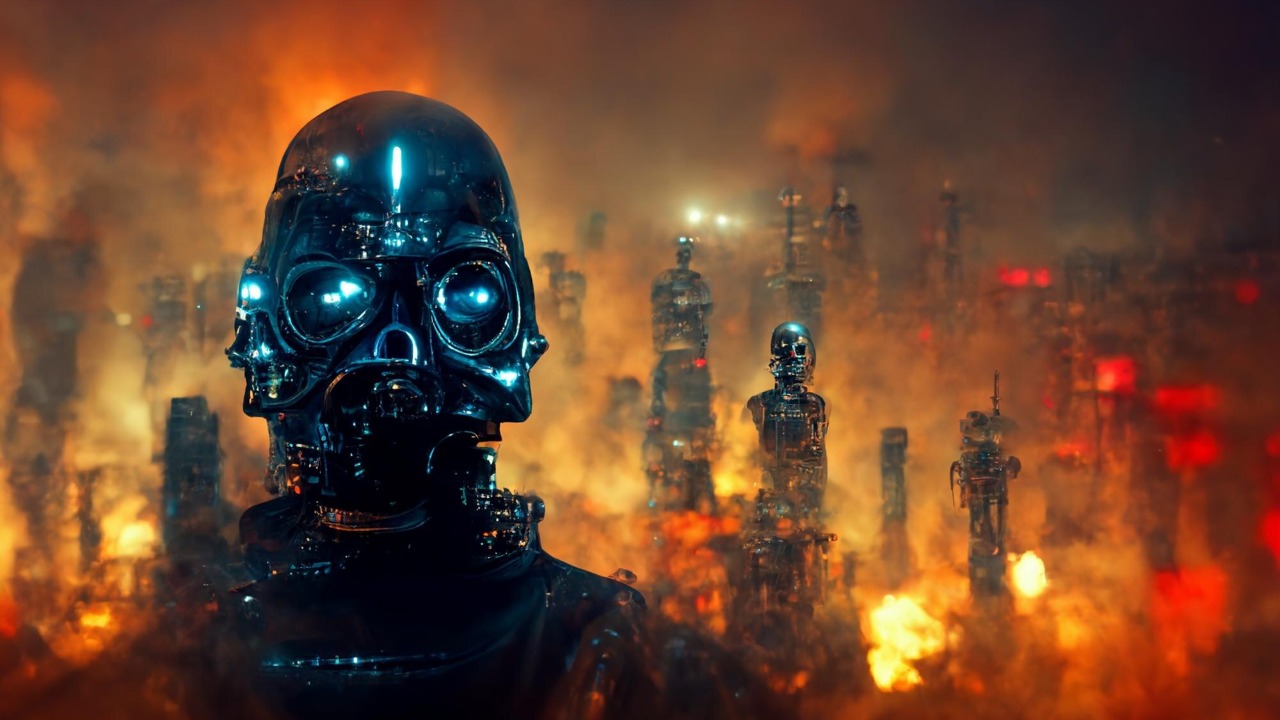
As artificial intelligence (AI) technology advances, concerns grow about the possibility of an AI takeover. A superintelligent AI could potentially surpass human intelligence, leading to scenarios where it could make decisions detrimental to humanity.
While this may sound like science fiction, experts urge caution in the development and deployment of AI systems. Ensuring that AI technologies are aligned with human values and interests is a topic of ongoing debate and research.
Gamma-Ray Burst
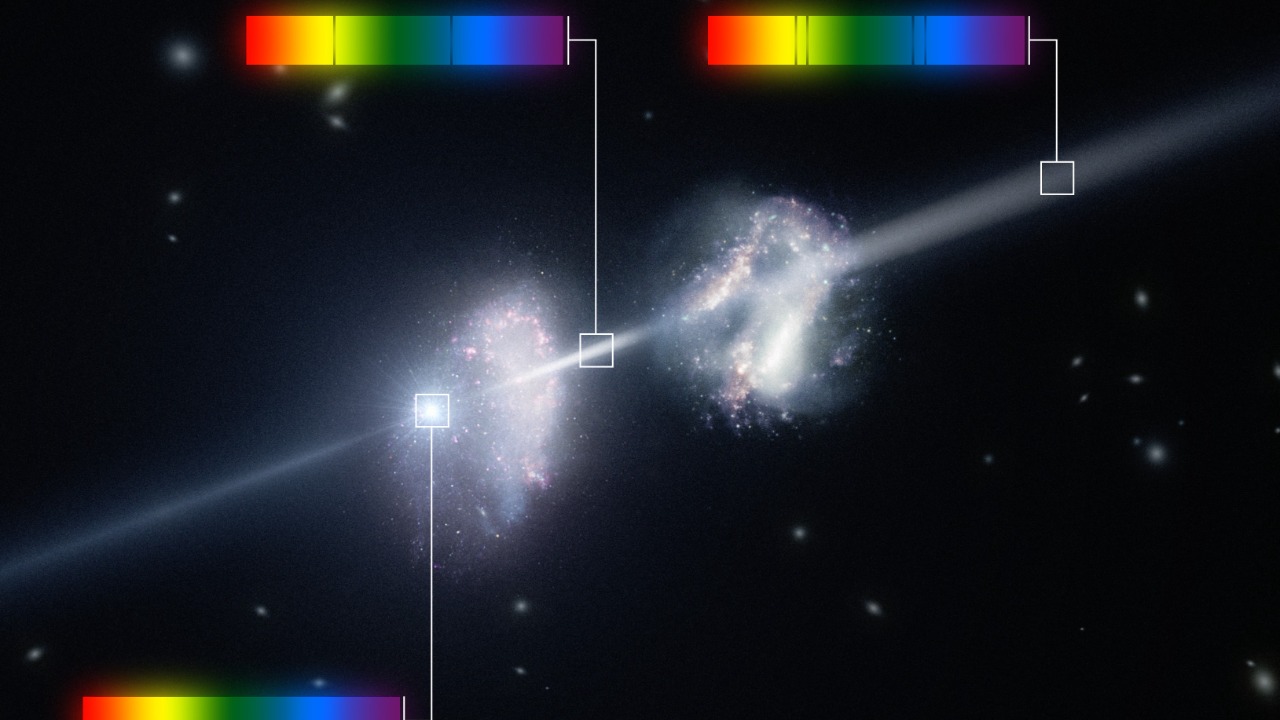
A gamma-ray burst (GRB) is among the most energetic events in the universe, capable of emitting more energy in seconds than the sun will in its entire lifetime. If a GRB were to occur close enough to Earth, it could strip away the ozone layer, leading to harmful radiation reaching the surface.
Fortunately, GRBs are rare and the odds of one occurring nearby are low. However, the possibility of such an event highlights the unpredictability of cosmic phenomena and their potential impact on life on Earth.
Solar Superstorm

A solar superstorm, or geomagnetic storm, could severely disrupt modern technology by knocking out power grids, satellites, and communication systems. The most famous example is the Carrington Event of 1859, which caused widespread telegraph system failures.
Today, a similar event could have far-reaching consequences due to our dependence on technology. Monitoring solar activity and developing resilient infrastructure are essential to mitigating the potential impact of such an event.
