
Plants can be a gardener’s best friend, but sometimes they grow where they shouldn’t, causing environmental issues. Whether it’s an invasive vine or a waterway-clogging flower, these plants can wreak havoc on local ecosystems. Let’s dive into seven plants that have found themselves thriving in unexpected places.
Kudzu in the Southeastern United States
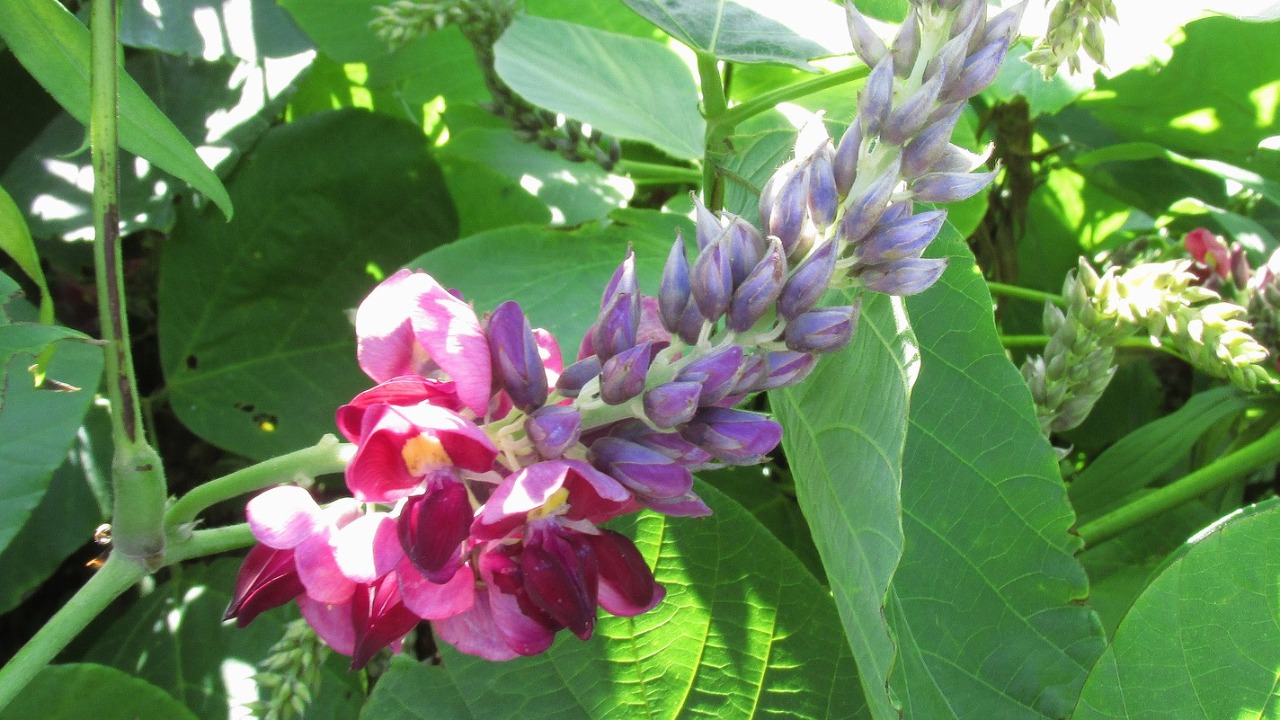
Kudzu, often referred to as “the vine that ate the South,” has become a notorious problem in the Southeastern United States. Originally introduced from Asia for erosion control, kudzu grows rapidly, smothering trees, power lines, and anything else in its path. Its aggressive growth can lead to significant ecological disruption, altering habitats and reducing biodiversity.
Efforts to control kudzu include mechanical removal and herbicide application, but its resilience makes it a persistent challenge. To learn more about plants that might cause trouble in your garden, check out this informative article on plants you should never grow.
Japanese Knotweed in the United Kingdom
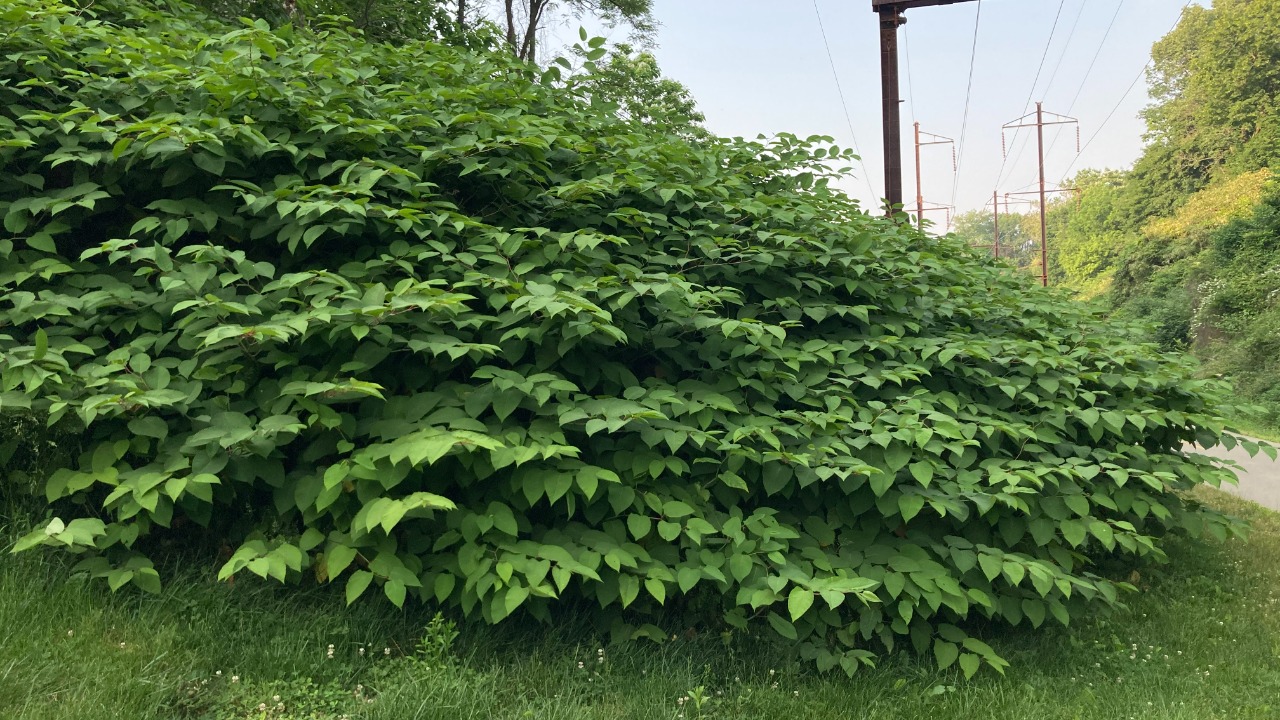
Japanese knotweed is an invasive plant species that has taken root in the United Kingdom, causing substantial damage to buildings and infrastructure. Its deep roots can penetrate concrete and foundation walls, leading to costly repairs. Originally brought to Europe as an ornamental plant, it now poses significant challenges for property owners.
The plant’s rapid growth and ability to regrow from small root fragments make it notoriously difficult to eradicate. Specialized removal techniques are often required to prevent its spread, which can be quite an endeavor for those affected.
Cane Toads in Australia
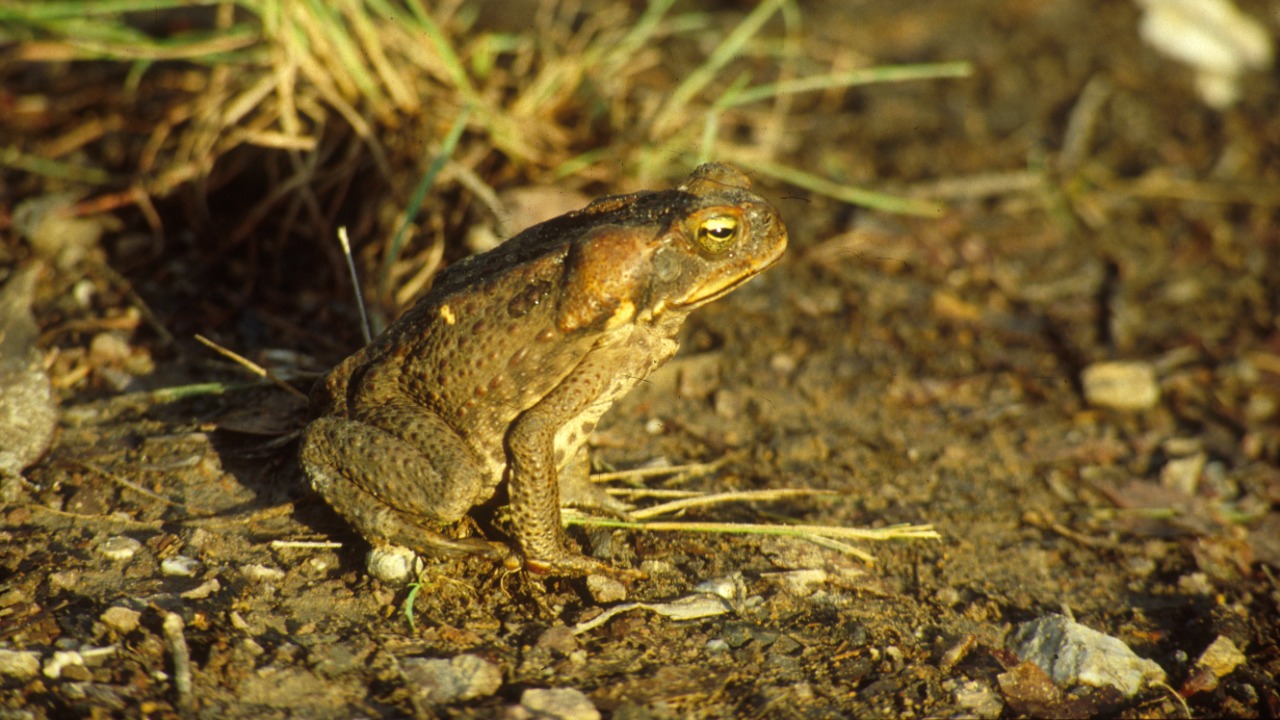
Cane toads, though not a plant, have become a well-known invasive species in Australia, introduced in the 1930s to control pests in sugarcane fields. However, they have since spread rapidly, posing a threat to native wildlife due to their toxic skin, which is harmful to predators.
Efforts to manage their population include trapping and habitat modification. The cane toad’s impact is a reminder of the complexities involved in introducing non-native species for pest control purposes. For those interested in companion planting and ways to naturally manage garden pests, explore this guide on cucumber companion plants.
Water Hyacinth in African Waterways
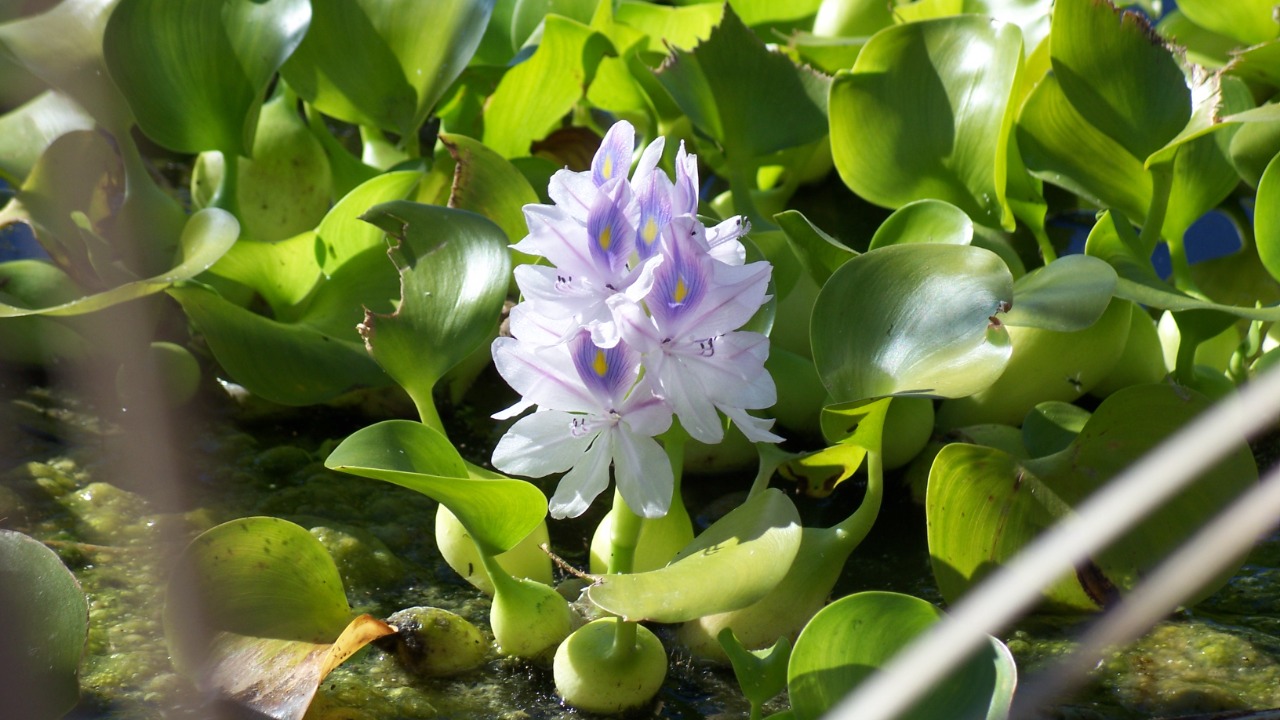
Water hyacinth is a floating aquatic plant that has become a major problem in African waterways. Known for its beautiful flowers, this plant forms dense mats on the water’s surface, blocking sunlight and depleting oxygen levels, which harms aquatic life.
The plant’s rapid growth can impede water transportation, fishing, and agriculture. Various control measures, including mechanical removal and biological control using specific insects, are employed to manage its spread. Despite these efforts, water hyacinth remains a dominant challenge in affected regions.
Purple Loosestrife in North American Wetlands
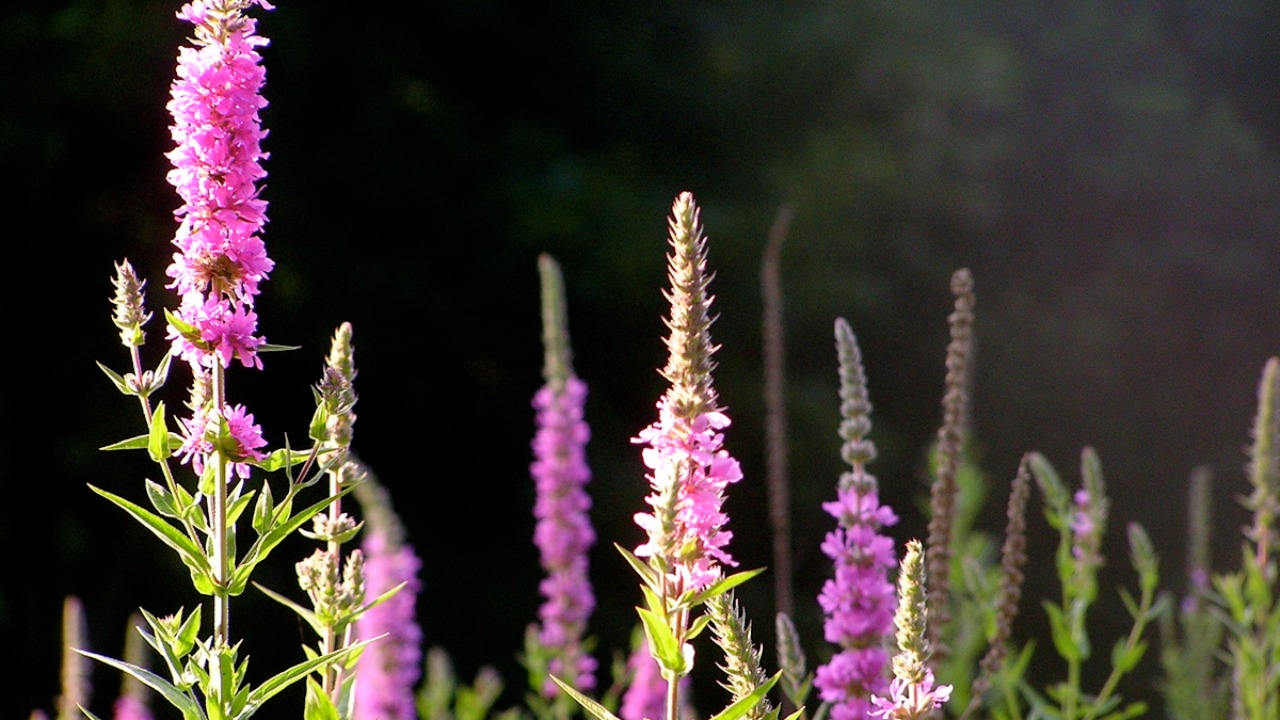
Purple loosestrife is an invasive perennial plant that has taken over many wetlands in North America. Its vibrant purple flowers may be attractive, but it outcompetes native vegetation, disrupting ecosystems and reducing habitat for wildlife.
Control efforts focus on mechanical removal and the use of biological control agents, such as specific beetles that feed on the plant. Managing purple loosestrife requires coordinated efforts to protect the natural balance of wetland habitats.
Himalayan Balsam in European Riverbanks
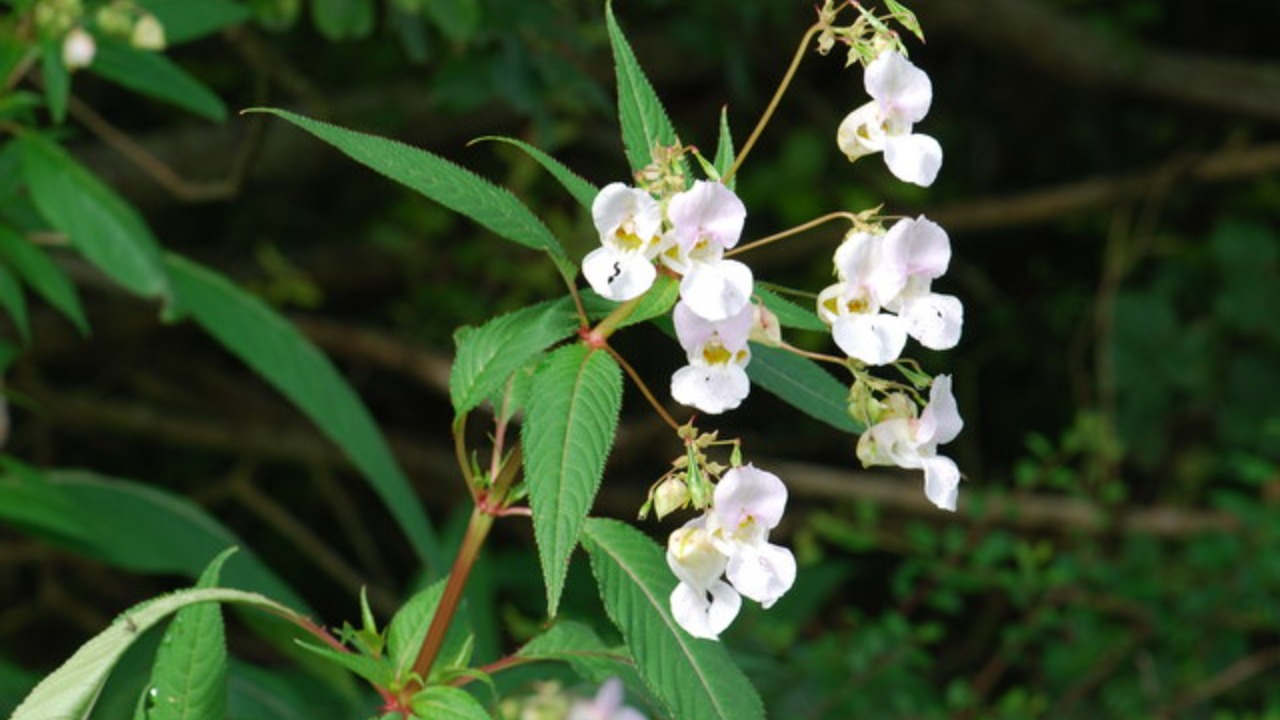
Himalayan balsam is a fast-growing plant that has invaded riverbanks across Europe. Its pink flowers and explosive seed pods enable it to spread quickly, often at the expense of native plant species. As it dies back in the winter, it leaves riverbanks vulnerable to erosion.
Efforts to control Himalayan balsam include manual pulling, mowing, and the use of herbicides. Community-led volunteer efforts are also common in managing this invasive species. Those interested in exploring more about companion planting might enjoy reading about pepper companion plants.
Giant Hogweed in Urban Areas
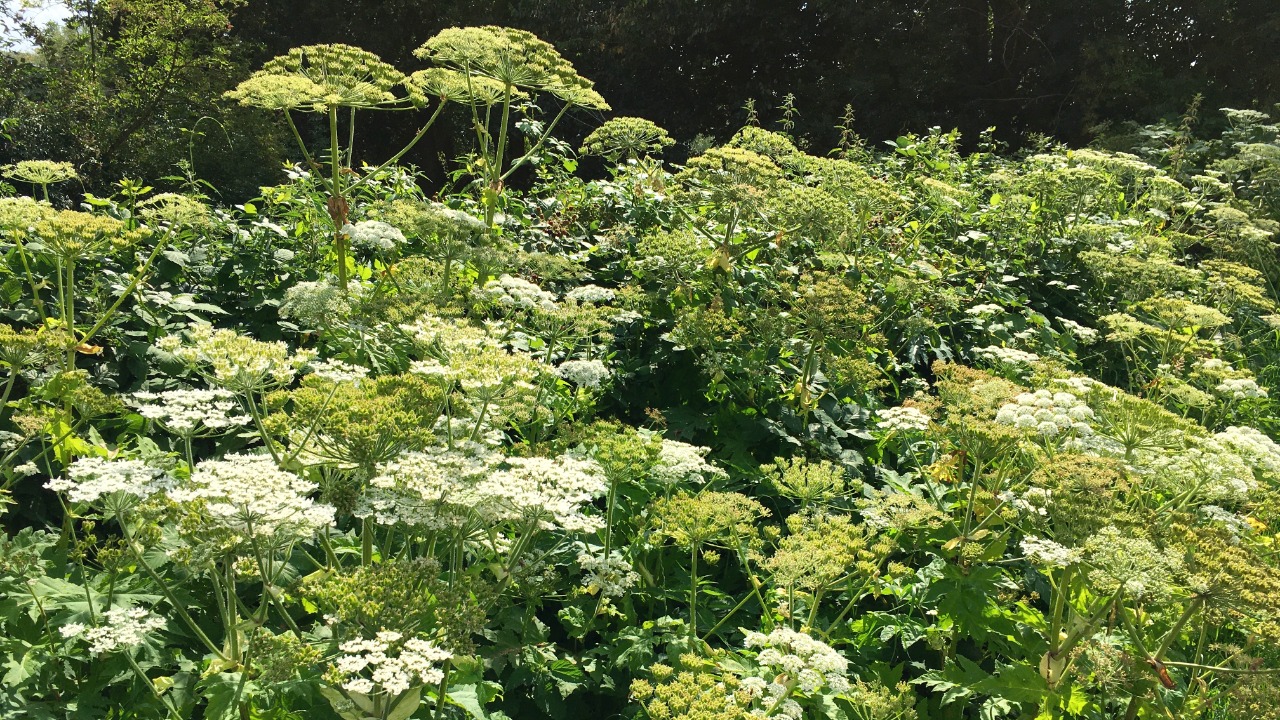
Giant hogweed is a striking plant that can grow up to 14 feet tall, but it’s not welcome in urban areas. Its sap can cause severe skin irritation and even burns, posing a health risk to humans. Originally from Asia, it has spread across parts of Europe and North America.
Managing giant hogweed involves careful removal and public awareness campaigns to prevent contact. Given its hazardous nature, many local authorities have programs dedicated to identifying and eliminating this plant from public spaces. For a different kind of exploration, you might find this fun video interesting.
