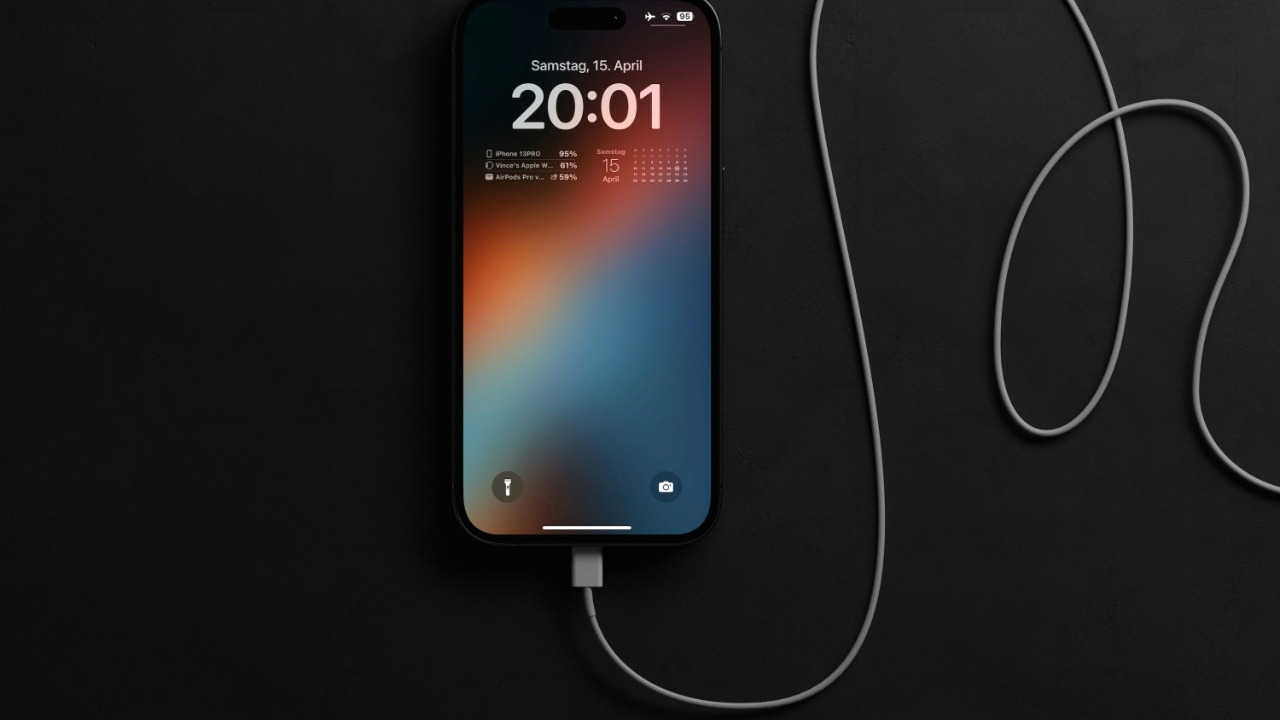

Fast charging technology has become a game-changer for smartphone users, allowing devices to charge more quickly than ever before. However, with the rise of this technology, several myths have emerged, causing confusion and misconceptions. In this article, we’ll debunk seven common myths about fast charging to help you make informed decisions.
Fast Charging Harms Your Battery
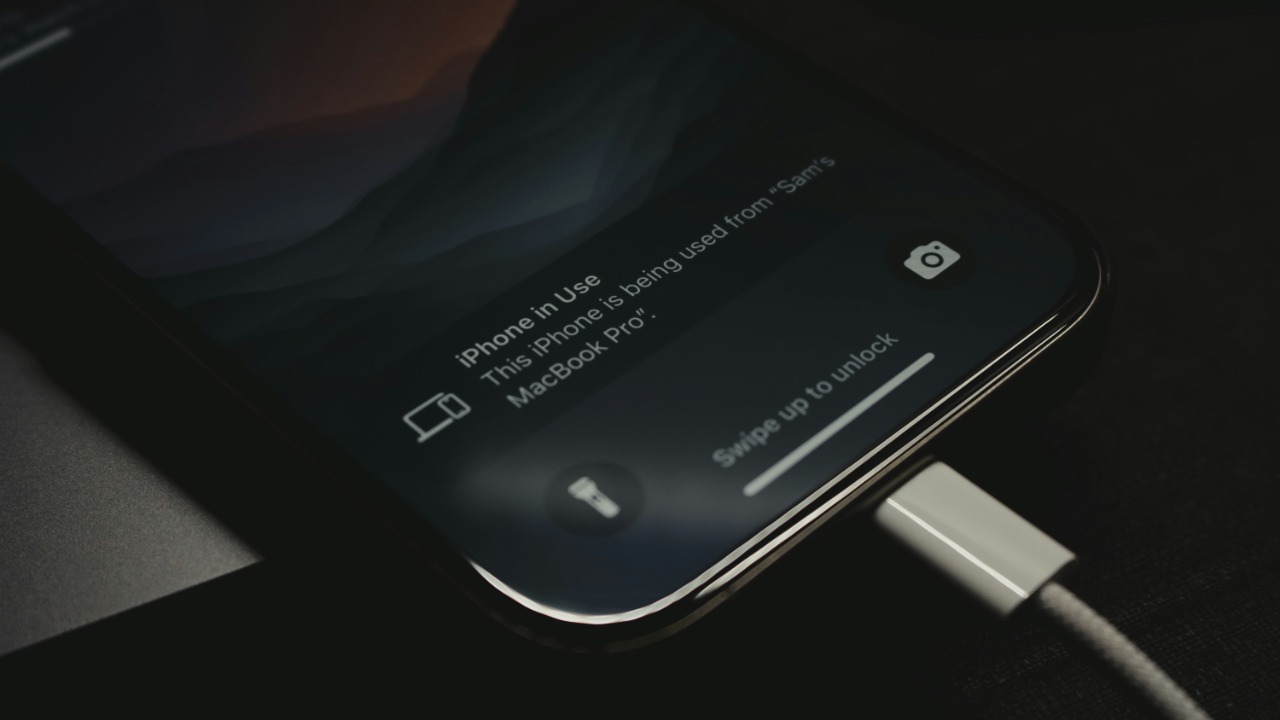
One common myth is that fast charging harms your battery. In reality, modern batteries are designed to handle varying levels of voltage, and manufacturers incorporate safeguards to protect against potential damage.
Fast charging typically operates at higher voltages only during the initial phase, slowing down as it approaches full capacity to protect the battery’s longevity. While excessive use of fast charging can generate heat, today’s technology is more than equipped to manage it effectively without harm.
All Fast Chargers Are Created Equal

Not all fast chargers are created equal. Different manufacturers use different standards for fast charging, such as Qualcomm’s Quick Charge or USB Power Delivery. It’s essential to ensure compatibility between your device and the charger.
Even among compatible chargers, the charging speed can vary significantly. Always check the specifications and ensure that both your device and charger support the same fast charging standard to optimize performance.
Fast Charging Works with Any Cable
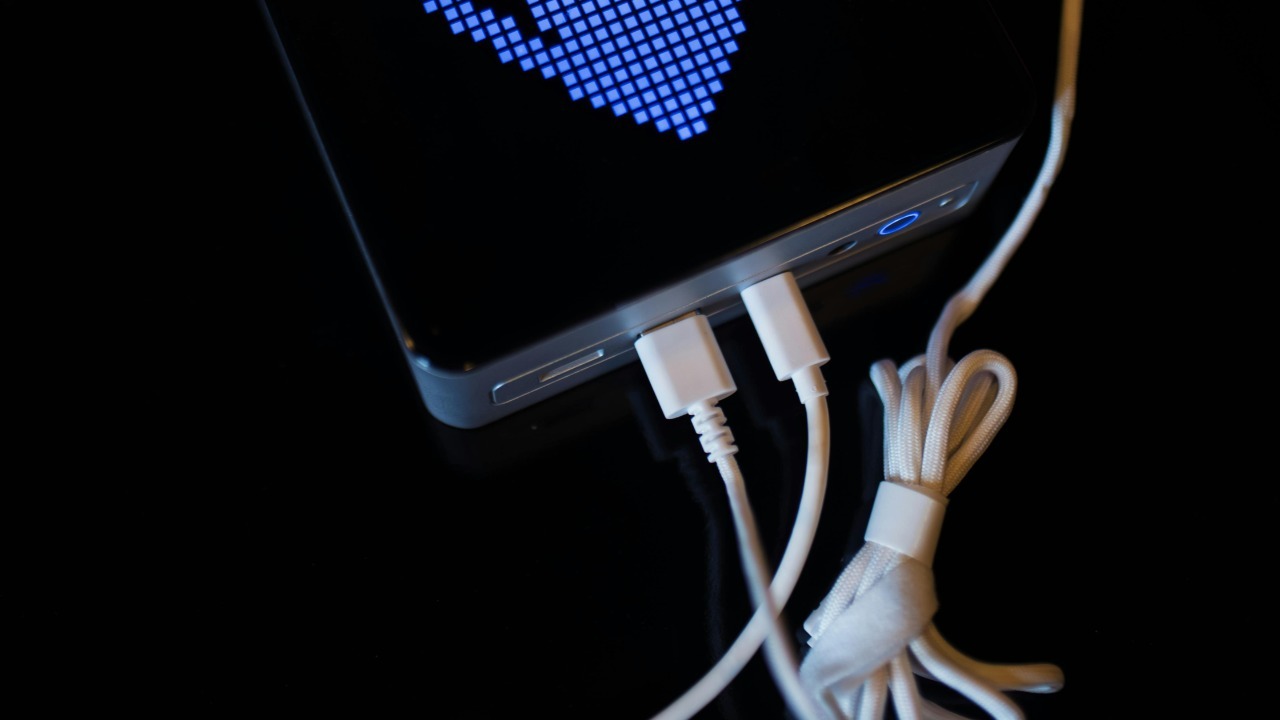
Another myth is that any cable will work with fast charging. In fact, to achieve the benefits of fast charging, you need a high-quality cable that supports higher power levels. Using a standard cable may not provide the necessary power transfer, resulting in slower charging speeds.
When choosing a cable, look for one that is certified for fast charging to ensure you’re getting the full benefits your device and charger can offer.
Your Phone Will Charge to 100% in Minutes
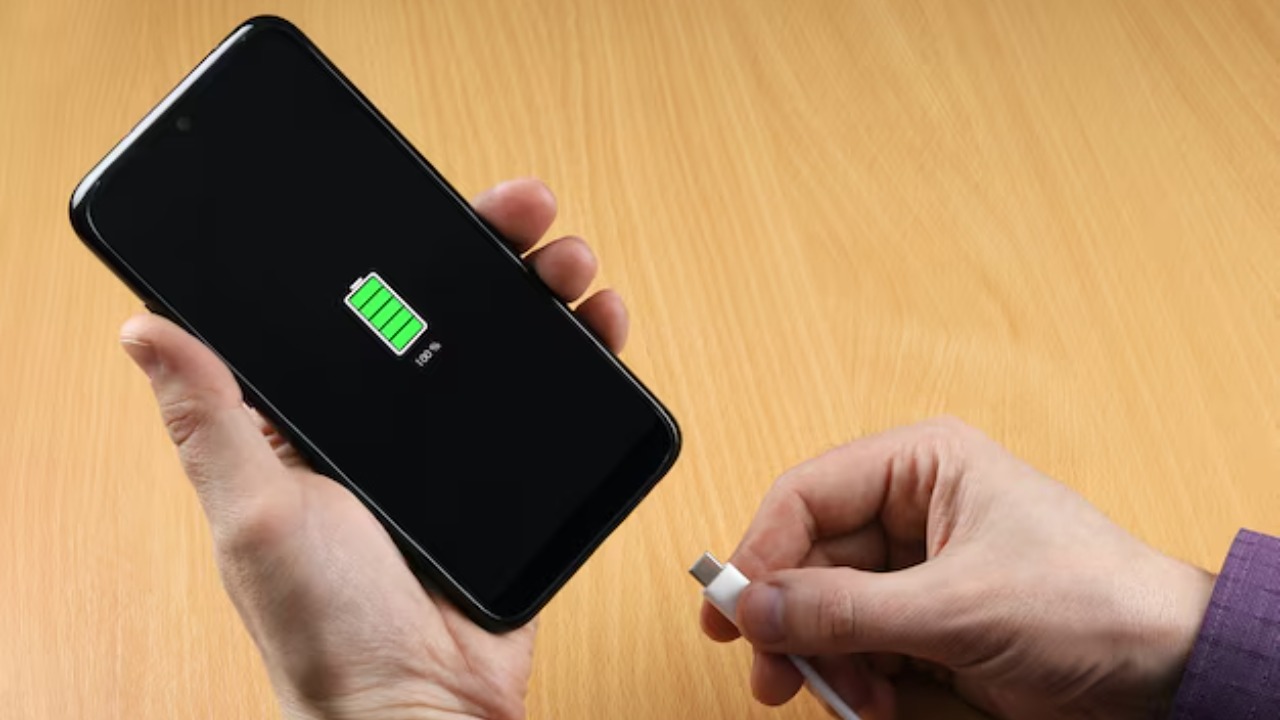
While fast charging significantly reduces charging time, it won’t charge your phone to 100% in mere minutes. The technology is designed to quickly charge your device to about 50-60% within a short period, then gradually reduce the charging speed as it approaches full capacity.
This approach helps maintain battery health by preventing excessive heat build-up. For more on how fast charging works, check out this insightful article.
Fast Charging is Only for Newer Phones
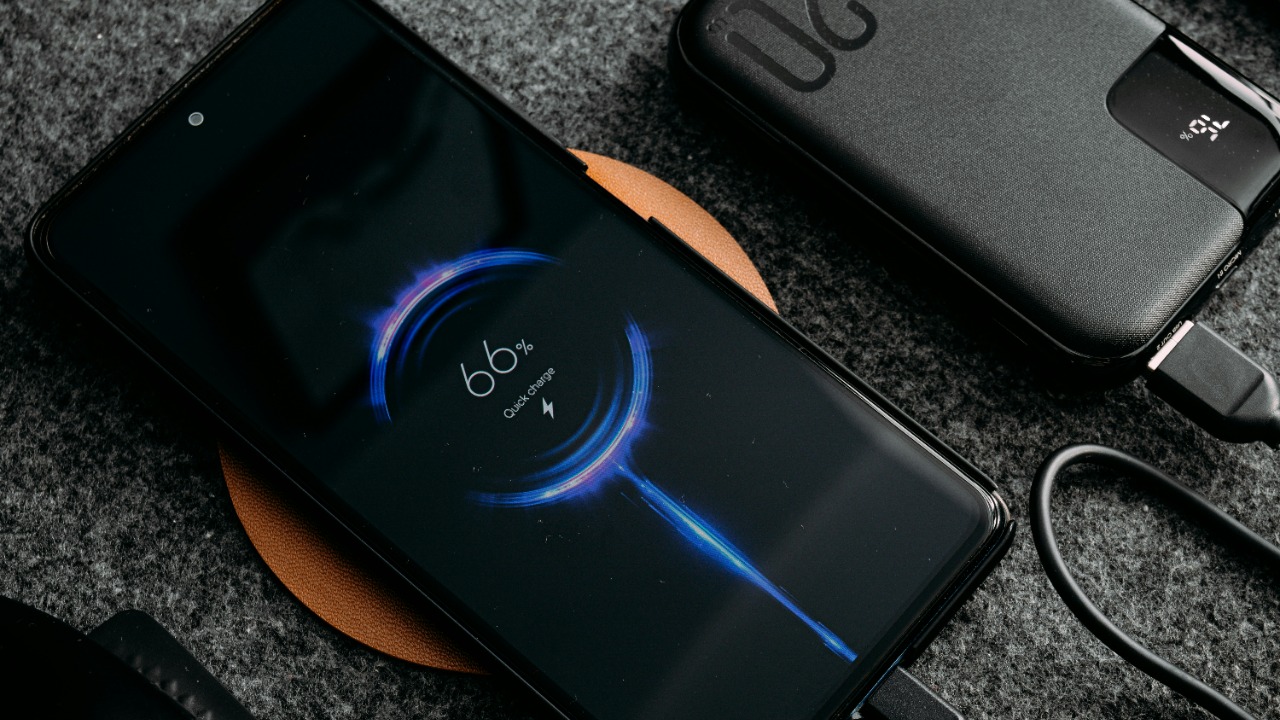
Many believe fast charging is exclusive to newer phone models, but this isn’t the case. While it’s true that newer devices often come with fast charging capabilities, many older models can also support it if they have the necessary hardware.
Check your phone’s specifications to determine if it supports fast charging, and ensure you’re using a compatible charger to take advantage of this feature.
Fast Charging Causes Overheating
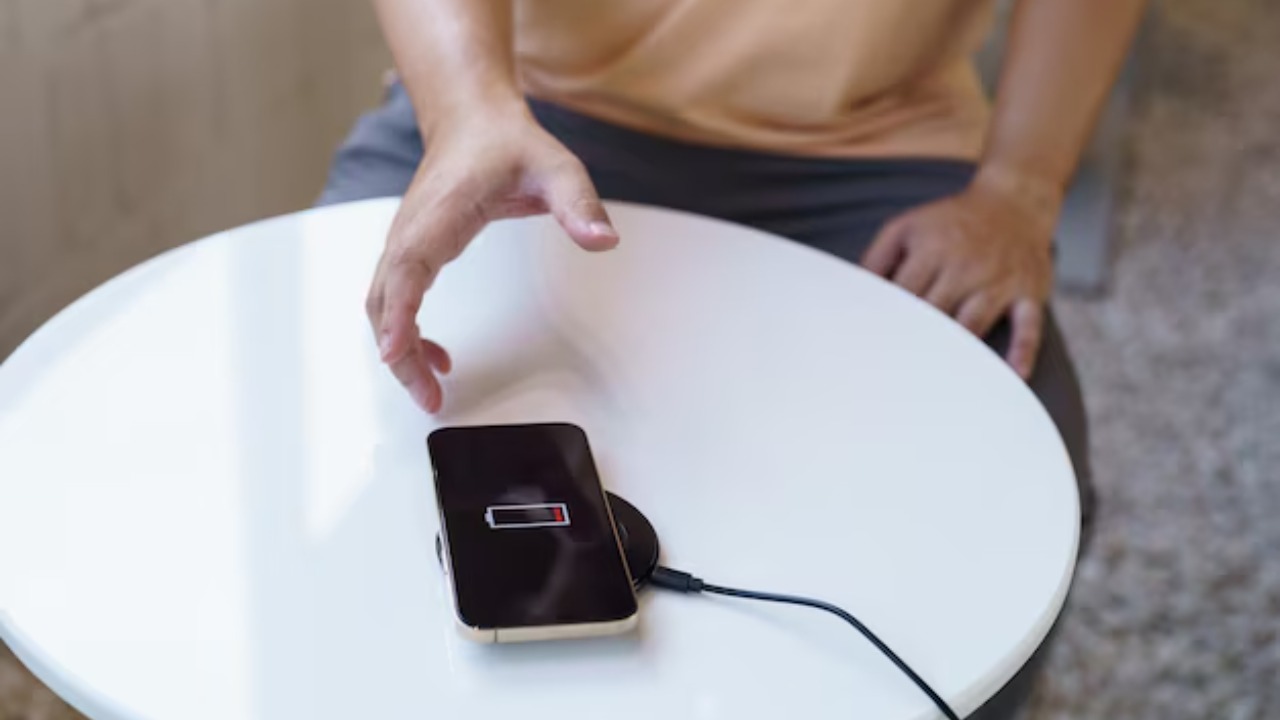
Concerns about overheating are common, but fast charging itself doesn’t inherently cause your device to overheat. Smartphones are equipped with thermal management systems that dissipate heat effectively. The gradual reduction in charging speed as the battery nears full capacity also helps mitigate heat production.
If you find your phone overheating, it may be due to other factors, such as environmental conditions or faulty hardware.
Fast Charging Drains Your Battery Faster
There’s a misconception that fast charging drains your battery faster over time. However, fast charging does not have a direct impact on battery life expectancy. Battery degradation occurs naturally through charge cycles and environmental factors.
Manufacturers design batteries to endure fast charging without significant negative effects. If you’re interested in learning more about battery myths, this comprehensive guide offers valuable insights.