
Throughout history, caves have served various purposes, from religious sanctuaries to potential refuges during perilous times. Some of these fascinating structures leave us pondering whether they were mere natural wonders or ancient bunkers designed for protection. Here are seven intriguing caves that might have served as ancient bunkers.
The Cave of the Crystals
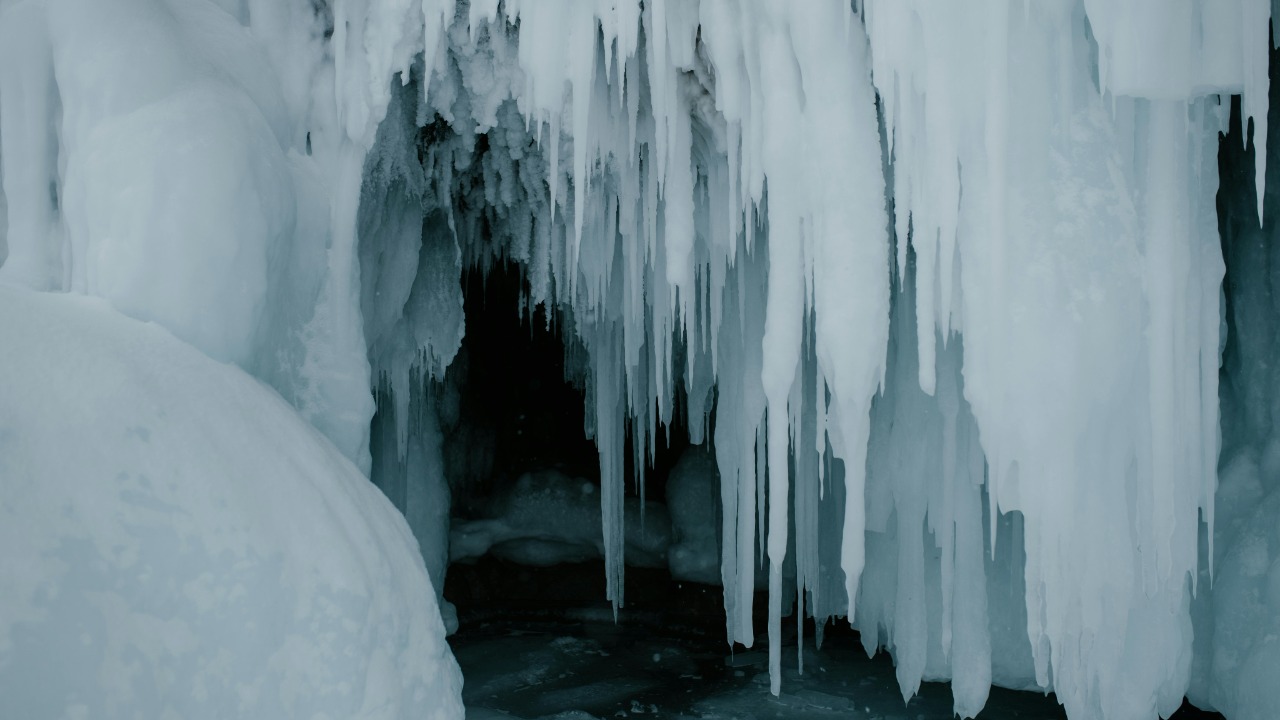
Located in the Mexican state of Chihuahua, the Cave of the Crystals is renowned for its colossal selenite crystals. Discovered in 2000, this cave’s extreme conditions, with temperatures reaching 58°C (136°F), suggest it was not intended for human habitation. However, the sheer size and inaccessibility of the cave have led some to speculate about its potential use as a natural bunker.
Although primarily a geological wonder, the cave’s isolated location and challenging conditions could have provided the perfect hideaway during tumultuous times. The unique crystals, some of the largest ever found, add an element of mystery to its historical usage.
Ajanta Caves
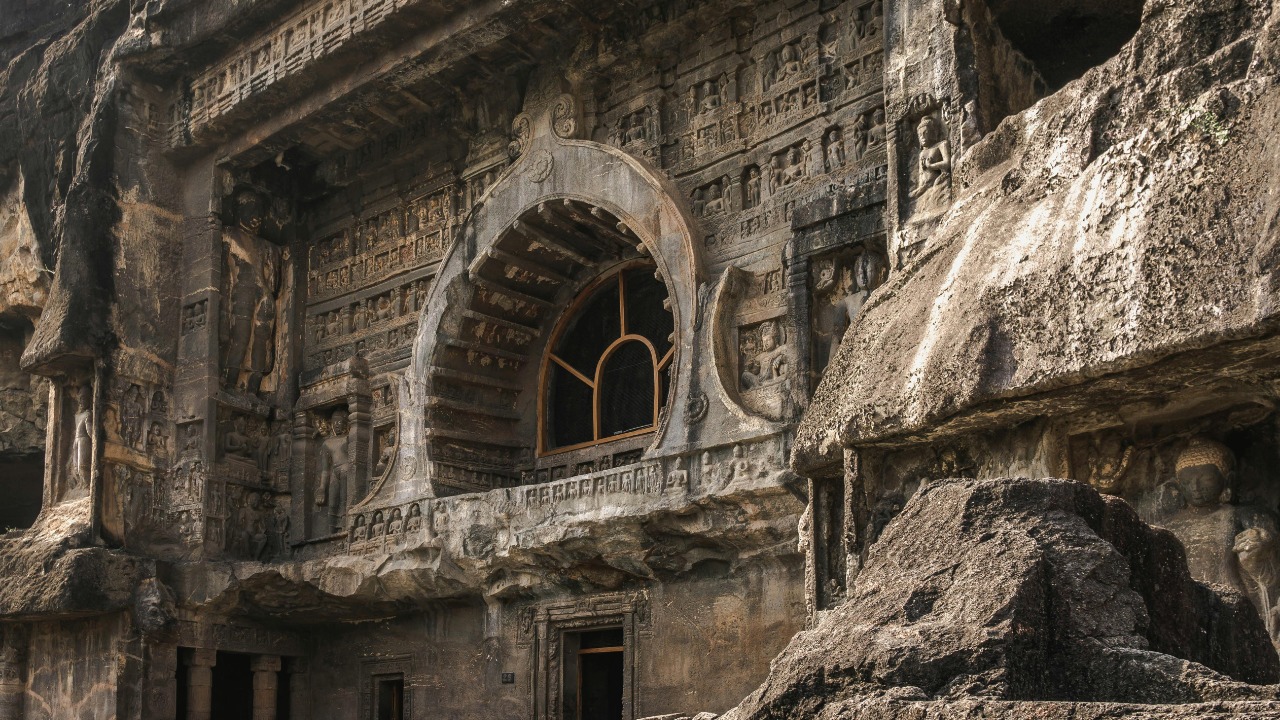
The Ajanta Caves, nestled in the Indian state of Maharashtra, are a series of rock-cut Buddhist monuments dating back to the 2nd century BCE. These caves are adorned with exquisite paintings and sculptures, depicting the life of Buddha. While primarily serving religious purposes, the caves’ intricate design and hidden location might have offered refuge to monks during times of persecution.
With more than 30 caves carved into a horseshoe-shaped rock face, their structure could have easily doubled as a defensive hideout. The caves’ historical significance and architectural complexity continue to draw researchers and tourists alike.
Derinkuyu Underground City
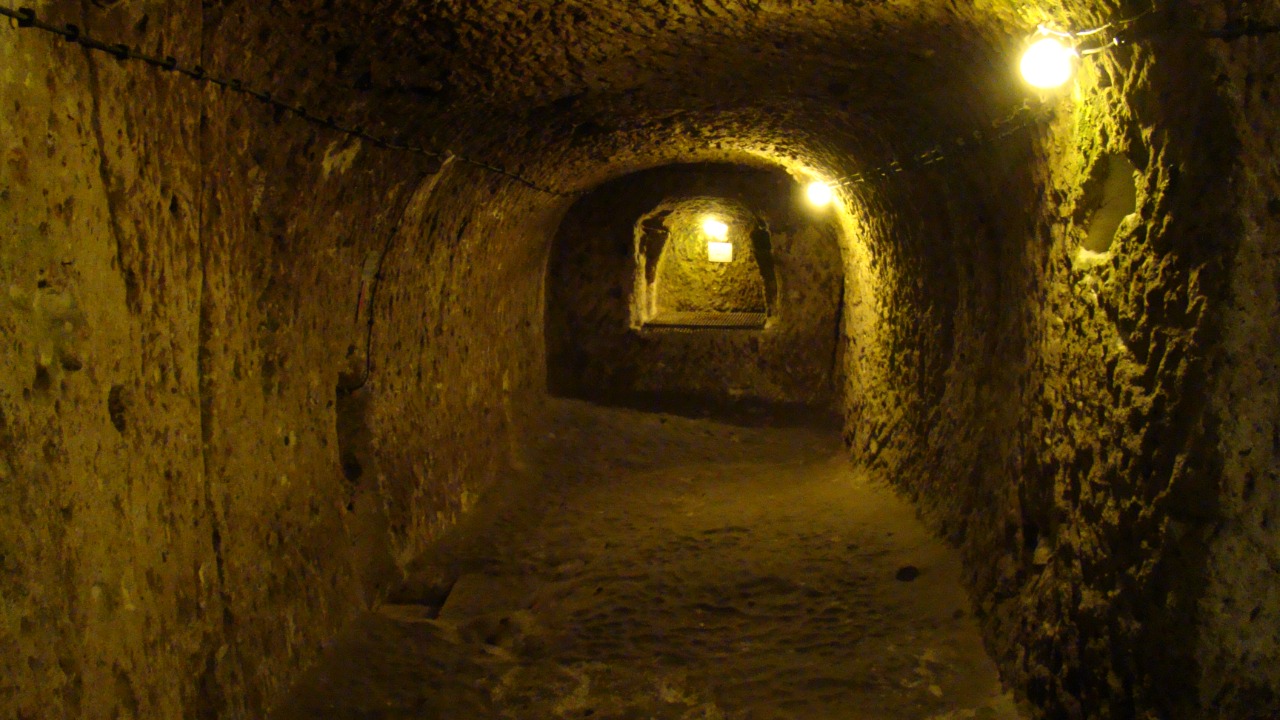
Derinkuyu is an ancient multi-level underground city in the Cappadocia region of Turkey. Built to accommodate thousands, this subterranean city features ventilation shafts, wells, and even stables. Its design points to a need for protection, likely from invading forces.
The city’s extensive network of tunnels and rooms suggests it was more than just a temporary refuge. Historical records indicate that Derinkuyu could have housed up to 20,000 people, making it a formidable defense structure against threats.
Longyou Caves
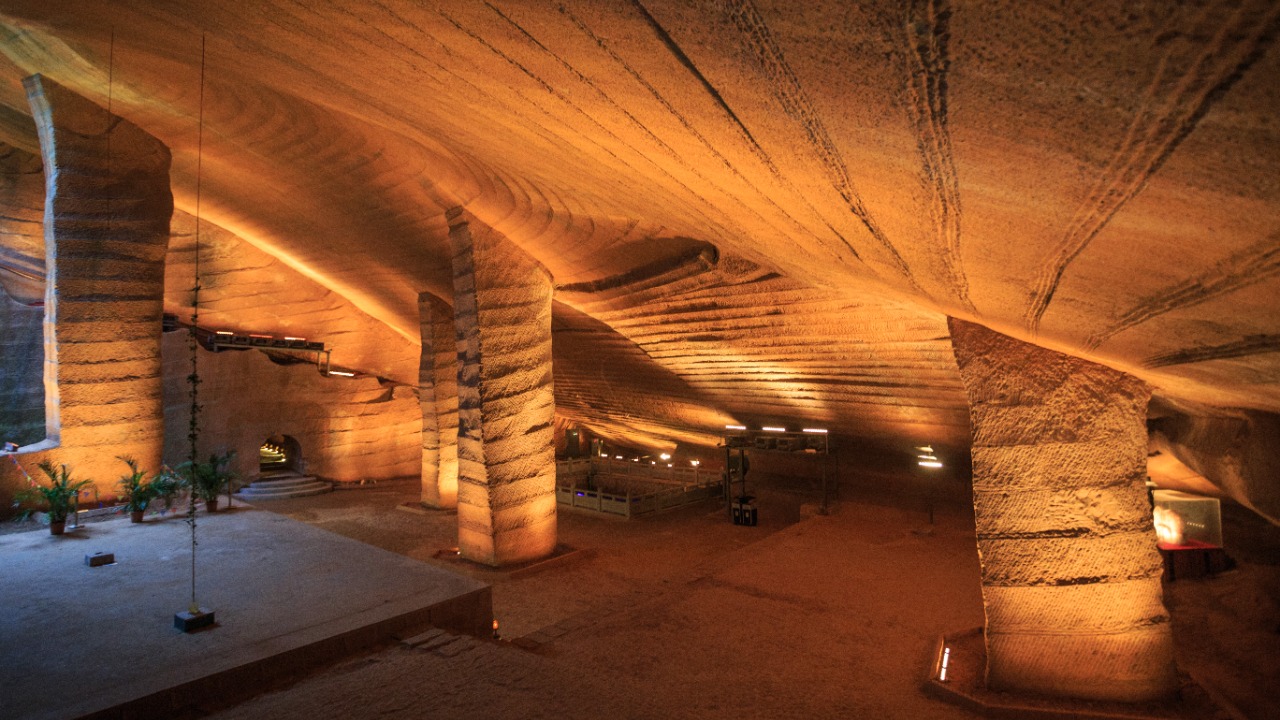
The Longyou Caves, located in China, are a collection of artificially carved caves dating back over 2,000 years. Despite their ancient origins, the purpose of these caves remains a mystery. Some theories suggest they were used as storage facilities, while others propose they served as bunkers.
The sheer scale and precision of these structures have led researchers to ponder their original function. Their intricate design and the mystery surrounding their construction continue to fascinate historians and archaeologists.
Ellora Caves
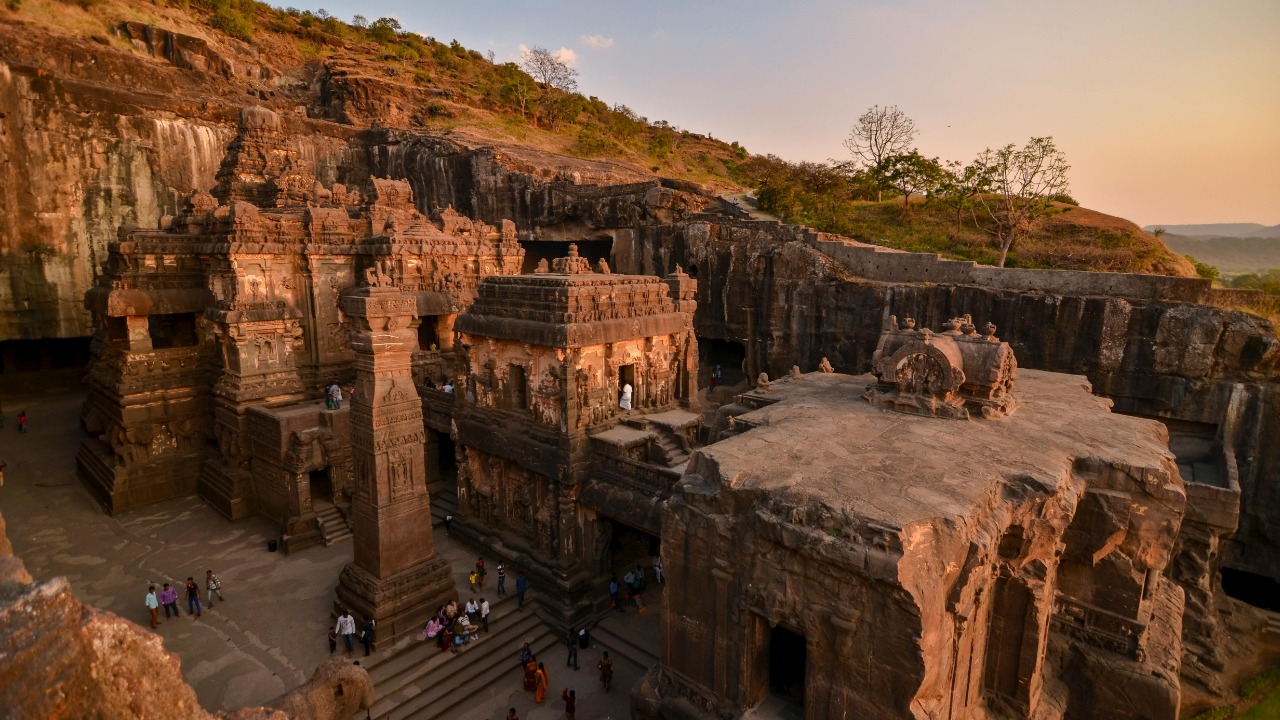
The Ellora Caves, another marvel of Indian rock-cut architecture, comprise Hindu, Buddhist, and Jain temples and monasteries. Spanning over two kilometers, the caves date back to the 6th to 10th centuries and reflect religious tolerance among different faiths.
While primarily religious in nature, the vast network of caves could have also served as a refuge during conflicts. Their strategic location and the complexity of the carvings suggest they were more than just places of worship.
Mogao Caves
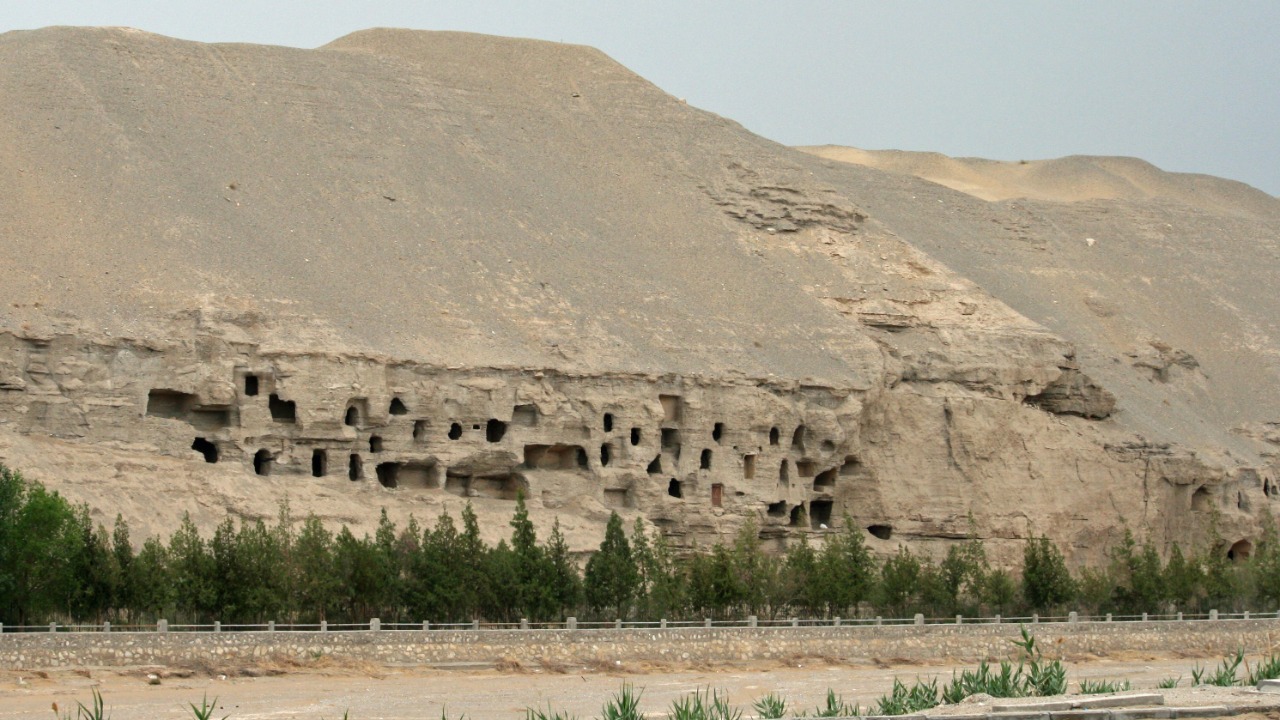
Also known as the Caves of the Thousand Buddhas, the Mogao Caves are a system of 492 temples near Dunhuang, China. These caves, dating back to the 4th century, served as a major religious and cultural center along the Silk Road. Their artwork and manuscripts provide insights into the region’s history and cultural exchanges.
Despite their primary religious function, the caves’ strategic location along the Silk Road suggests they could have served as safe havens for travelers and monks. The blend of artistic and cultural influences in the caves highlights their historical significance.
The Hypogeum of Ħal-Saflieni
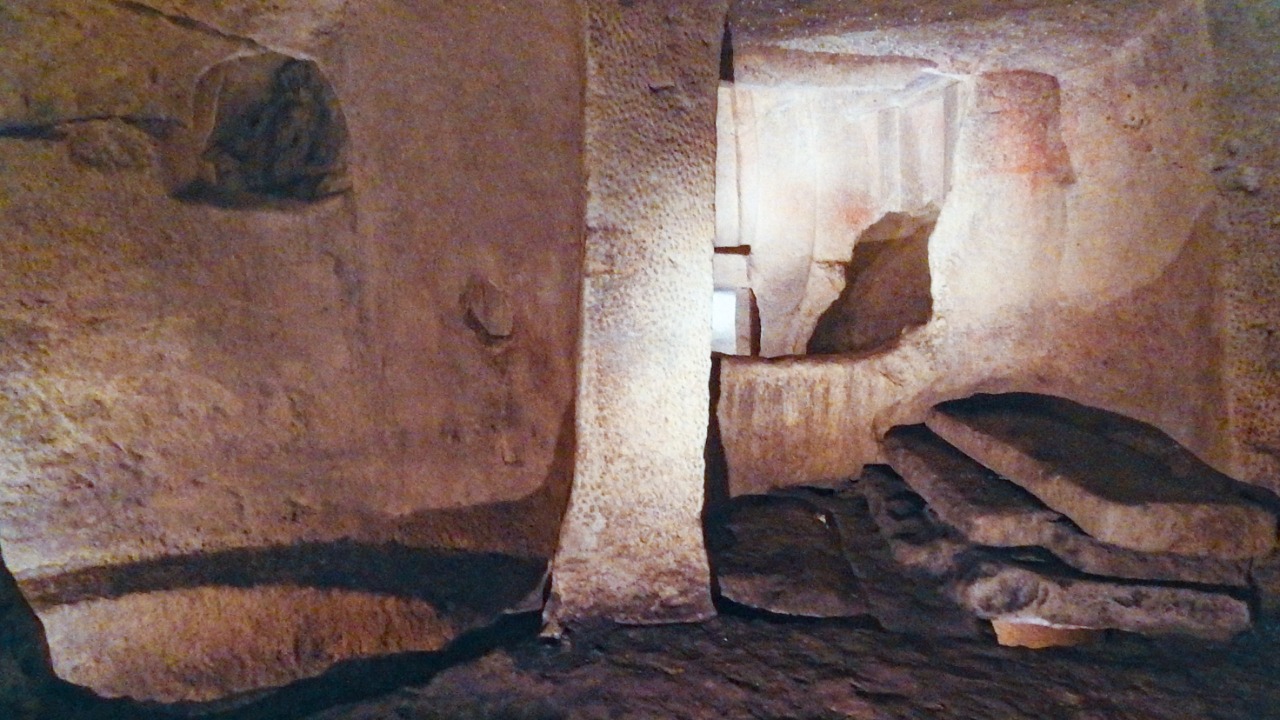
Located in Malta, the Hypogeum of Ħal-Saflieni is an underground prehistoric burial site dating back to around 4000 BCE. Its intricate carvings and chambers suggest a sophisticated understanding of acoustics and design. Although primarily a burial site, its subterranean nature has led some to speculate about its use as a refuge.
The Hypogeum’s labyrinthine structure and the mystery surrounding its purpose have fueled theories about its potential use as a bunker. Its historical and archaeological importance make it a site of continuous intrigue and study.
