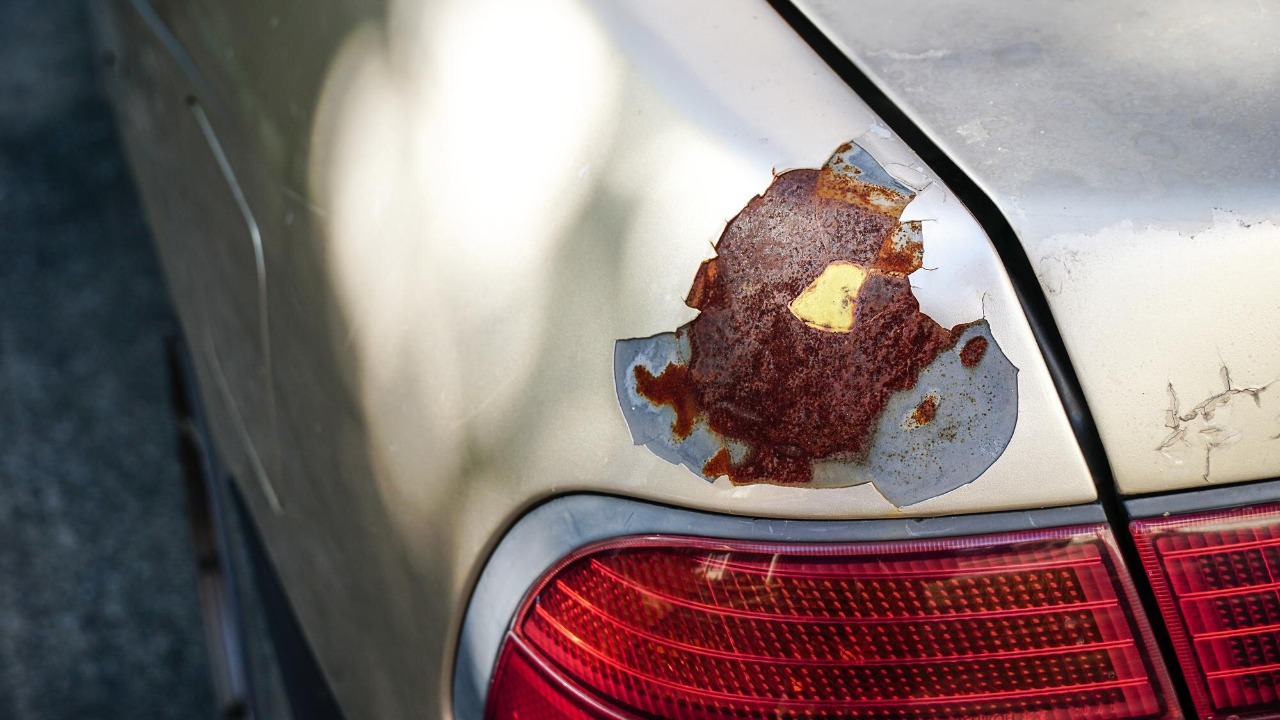

Some cars seem to dissolve into brown flakes while others stay solid for decades. I want to unpack why that happens, because rust is not just ugly, it quietly destroys structure and value. By tracing seven brutal reasons certain cars rust faster, and pairing each with practical ways to stop the rot, I can show how a few smart habits and products dramatically change a vehicle’s fate.
Bare metal, moisture and air: the chemistry that never sleeps
Rust starts when exposed steel meets oxygen and water, creating iron oxide that eats into panels and frames. As What Causes Rust explains, the process accelerates if you drive near the coast, where salty, humid air keeps metal damp. Early signs, such as tiny bubbles in paint or faint orange specks, are easy to miss but mark the point where corrosion has already begun under the surface.
Once that reaction starts, it spreads outward from the first chip or scratch, undermining seams, brake lines and suspension mounts. I see the stakes most clearly in older daily drivers, where a neglected stone chip can grow into an MOT‑failing hole in a sill. Spotting and repairing those first marks, before Rust creeps into structural areas, is the cheapest and most effective way to stop the rot.
Road salt and winter grime supercharge corrosion
Winter road treatments are one of the most brutal accelerants of rust, especially in colder regions. According to an askscience explanation, Dry salt itself will not corrode metal, but once it mixes with moisture it becomes Saltwater that makes metal lose electrons faster. That electrolyte effect turns every damp winter drive into a chemistry experiment on your chassis and brake lines.
Because salt-laden slush is thrown into wheel arches and underbodies, hidden cavities stay wet for days, even when bodywork looks dry. I find that cars used on untreated rural roads often fare better than those in cities where salt is heavy, despite similar mileage. Regular underbody rinses in winter, and a thorough clean as soon as temperatures rise, are critical if you want to keep that corrosive film from quietly eating through steel.
Poor factory protection and rust‑prone designs
Some cars are simply born with weaker defenses. In the, Fiat models from the 60s and 70s, for example, suffered when Fiat made trade arrangements with the Sovie bloc that left them with inconsistent steel quality and thin coatings. A detailed discussion of rust‑prone points to material choice and protective finishes as decisive factors in how fast a shell deteriorates.
Design details also matter, from mud‑trapping arch liners to sills without proper drain paths. When water and grit collect in those pockets, even good paint and galvanizing can be overwhelmed. I always advise buyers of known rust‑prone generations to budget for extra inspections and preventative work. Understanding a model’s weak spots, and clearing drains or adding extra cavity wax there, can mean the difference between a cherished classic and a car that fails structurally long before its engine wears out.
Harsh climates and coastal exposure
Climate is another brutal divider between cars that last and cars that crumble. Coastal regions combine humid air with airborne salt, and Coastal drivers are warned that vehicles there rust far faster than those in dry climates. Constant condensation on cool metal, especially overnight, keeps seams and welds damp, even when the car has not moved.
At the other extreme, regions with heavy snow and freeze‑thaw cycles force water into tiny paint cracks, then expand them as ice forms, exposing fresh metal. I see owners in these environments benefit from more frequent inspections of wheel arches, door bottoms and tailgates. Parking in a dry, ventilated garage and applying extra protection to lower panels are not luxuries in such climates, they are essential survival tactics for the body shell.
Neglected washing and trapped grime
Everyday dirt is not just cosmetic, it holds moisture against paint and metal. Guidance on how to Wash Your Car dirt and grime can trap moisture stresses that regular cleaning is crucial to prevent corrosion and maintain value. When mud cakes into wheel arches or along inner sills, it creates a damp sponge pressed against vulnerable seams and spot welds.
Owners who skip underbody washes, especially after winter or off‑road use, effectively give rust a head start. I recommend focusing on hidden areas, such as behind plastic arch liners and under door seals, where fine grit accumulates. A simple routine of seasonal deep cleaning, followed by drying the car thoroughly, dramatically reduces how long water sits on bare metal and slows the spread of early Rust patches before they become structural.
Parking habits that keep metal wet
Where a car rests each night can be as important as how far it drives. Advice on how to Park carefully warns that Parking on dirt, grass, snow or poorly drained areas invites rust by keeping the underside damp. Similarly, guidance that urges drivers to Avoid Parking on Grass or Dirt highlights how these surfaces trap moisture against the chassis.
Even in cities, leaving a car under dripping trees or next to sprinklers can keep certain panels perpetually wet. I find that simply choosing a paved, well‑drained spot, and occasionally moving the car so the same areas are not always exposed, makes a measurable difference over years. For those with garages, combining indoor storage with good ventilation, rather than sealing the car in a damp box, is one of the most effective anti‑rust strategies available.
Skipping underseal and professional rust‑proofing
Factory coatings are only the starting point, especially for older vehicles or those in harsh climates. A detailed guide to car underseal notes that a car underseal is a durable, rust‑proofing agent in the form of a paint or cavity wax that is designed to repel water, moisture and salt from the chassis or wheel arches. A follow‑up explanation adds that A car underseal creates a physical barrier where corrosion usually starts.
Bodywork specialists like Paul Ellis and Nov, speaking with Tim Trimach of Trimbox Body Shop, underline in a Tim Trimach Trimbox discussion that some cars rust faster than others largely because they lack such protection in key areas. I see professional rust‑proofing as an investment, not a cosmetic extra, particularly for vehicles you plan to keep long term. Applied correctly, modern underseal and cavity wax can add years of safe service by sealing seams, box sections and wheel arches before the first orange stain ever appears.
More from Morning Overview