
In today’s digital landscape, apps have become integral to our daily lives. However, many of these apps may be quietly collecting and sharing our personal data. Understanding which apps pose privacy risks can help us make more informed decisions about which ones to use.
Social Media Giants
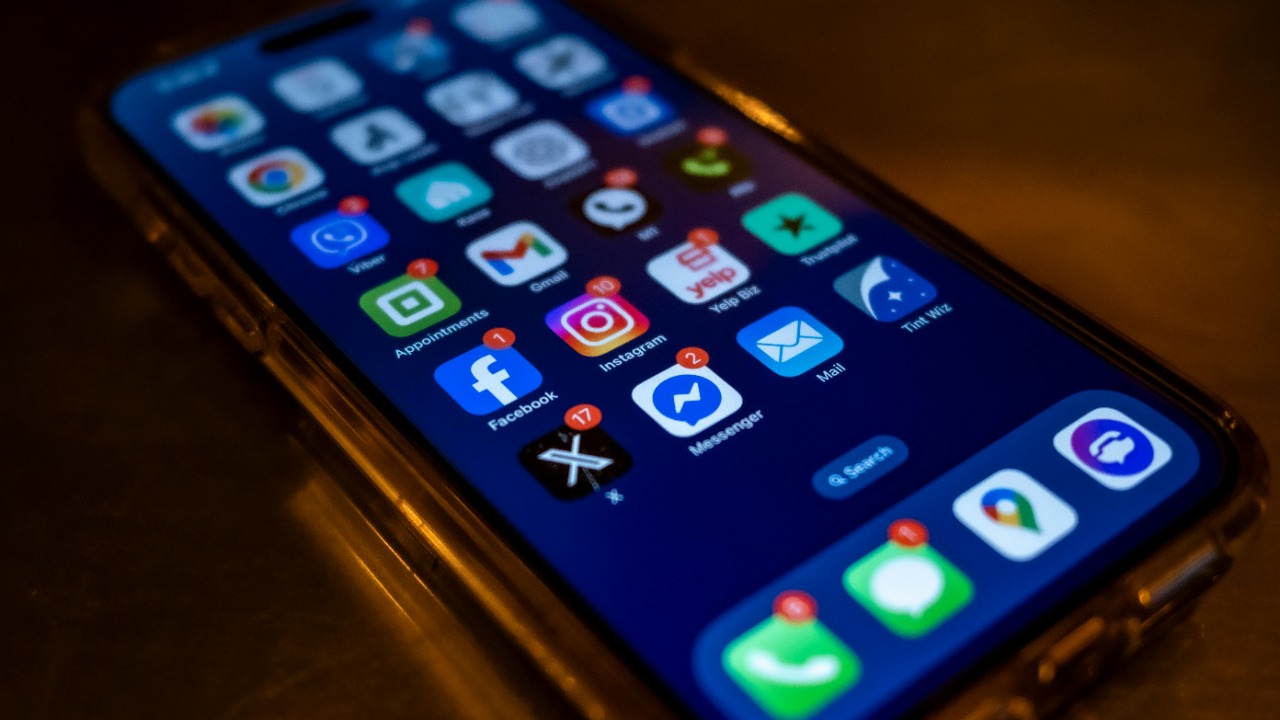
Social media platforms like Facebook and Instagram are notorious for collecting vast amounts of personal data. They track your activity to deliver targeted ads and may share your data with third parties. It’s crucial to regularly review your privacy settings and be mindful of the information you share online.
Additionally, these platforms often collect data even when you’re not actively using the app. This continuous data gathering can include your location, browsing habits, and social interactions, which can be unsettling for users who value their privacy.
Fitness Trackers

While fitness trackers are excellent tools for monitoring health, they also collect sensitive data about your physical activities, location, and health statistics. This information can be shared with third-party companies for marketing or research purposes. Understanding the privacy policy of your chosen fitness app can help you make informed decisions.
Moreover, fitness trackers can sometimes sync with other applications, leading to an even broader data-sharing network. This means that your health information could be shared across multiple platforms without your direct knowledge.
Free VPN Services
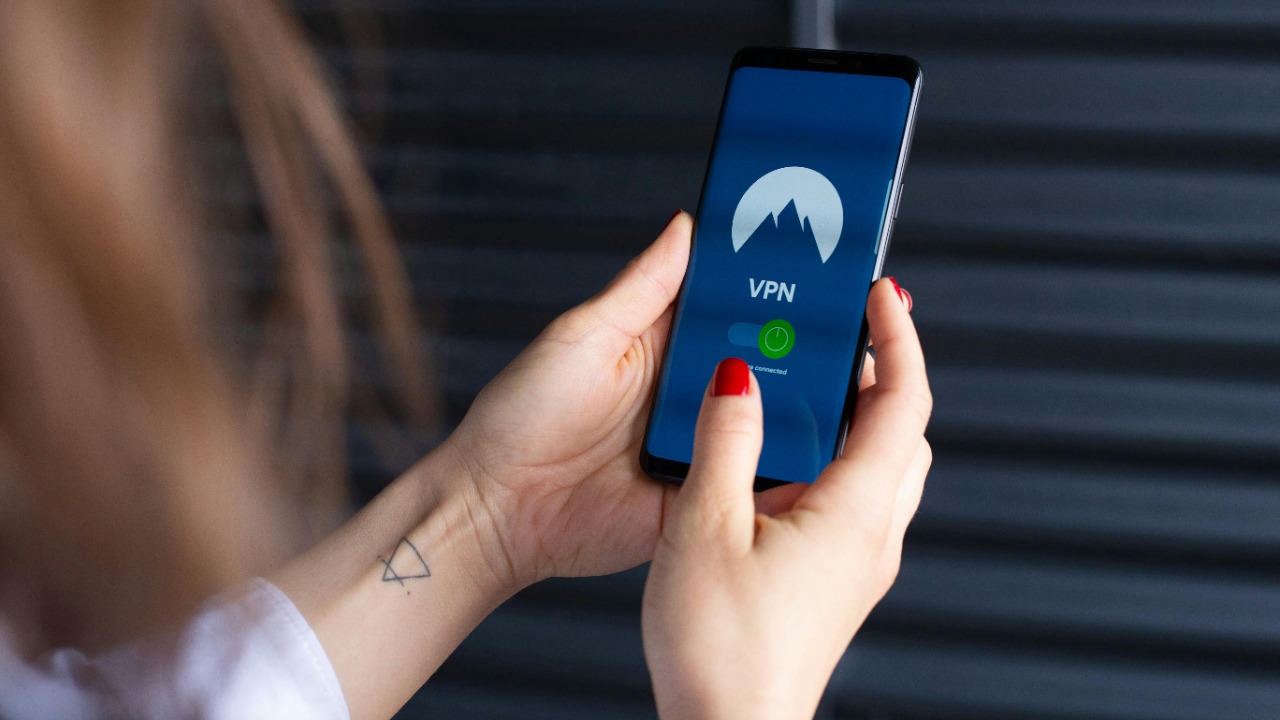
Free VPNs might seem appealing for securing your internet connection, but they often come with hidden costs. These services can log your browsing activity and sell it to advertisers. Opting for a reputable, paid VPN service is a better choice for maintaining your online privacy and security.
The promise of anonymity can be misleading, as some free VPNs have been found to have security vulnerabilities that expose user data to potential hackers.
Weather Apps

Weather apps are convenient for checking forecasts, but many require access to your location data. Some even sell this information to advertisers. Be cautious about the permissions you grant and consider using apps that prioritize user privacy.
Beyond location data, these apps may also collect information about your device and usage patterns, which can be used to build a detailed profile of your online behavior.
Photo Editing Applications

Photo editing apps often request permissions to access your photos and media files. Some of these apps may store and share your images without explicit consent. It’s important to read the app’s privacy policy and be mindful of the permissions you grant.
Furthermore, certain apps may retain your edited photos on their servers, increasing the risk of unauthorized access or data breaches.
Shopping and Coupon Apps

Shopping and coupon apps are designed to offer convenience and savings, but they can also track your purchase history and preferences. This data is often shared with advertisers to target you with personalized ads. Always scrutinize the permissions these apps request and consider if the trade-off is worth it.
Additionally, these apps might request access to other sensitive data, such as your contact list, which can be used to expand the reach of their marketing efforts.
Messaging Platforms
Messaging platforms like WhatsApp and Facebook Messenger are convenient for staying connected, but they can also access and share your personal data. Some platforms may even store message content on their servers. Opt for messaging apps that offer end-to-end encryption to ensure your conversations remain private.
Even with encryption, metadata such as timestamps and contact details can still be collected and used for profiling purposes, which can be concerning for privacy-conscious users.
