
Throughout history, numerous ancient sites have been constructed with a keen understanding of astronomy. These sites not only served religious or ceremonial purposes but also acted as sophisticated astronomical tools. Let’s delve into seven of these remarkable locations that highlight the intricate relationship between ancient civilizations and the cosmos.
1. Stonehenge, England
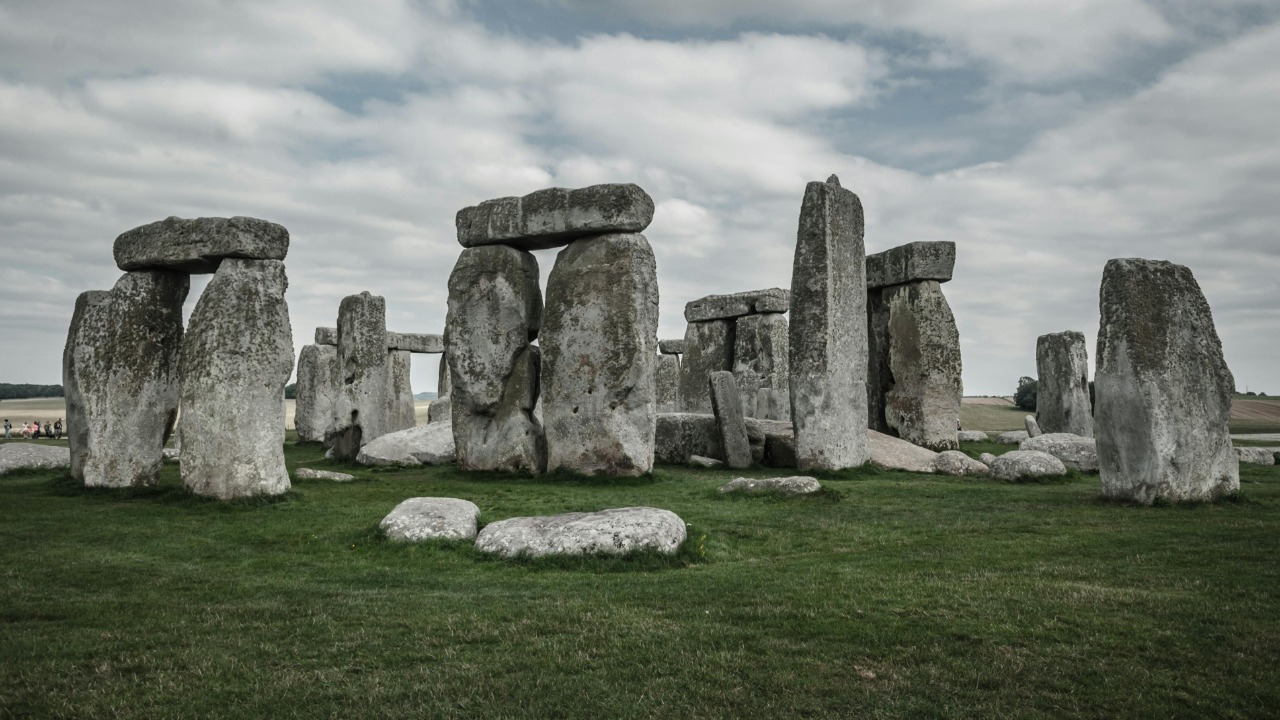
Stonehenge is perhaps one of the most famous prehistoric monuments in the world. Located on Salisbury Plain, this ring of standing stones is aligned with the movements of the sun and the moon. During the summer solstice, the sun rises directly above the Heel Stone, casting its light into the center of the circle. This alignment suggests that Stonehenge was used as a calendar or ceremonial site by its ancient builders.
Archaeologists have long studied Stonehenge to unravel its mysteries, and while its exact purpose remains debated, its connection to astronomy is undeniable. The site showcases the early understanding of celestial cycles, highlighting the ingenuity of its creators.
2. Chichen Itza, Mexico
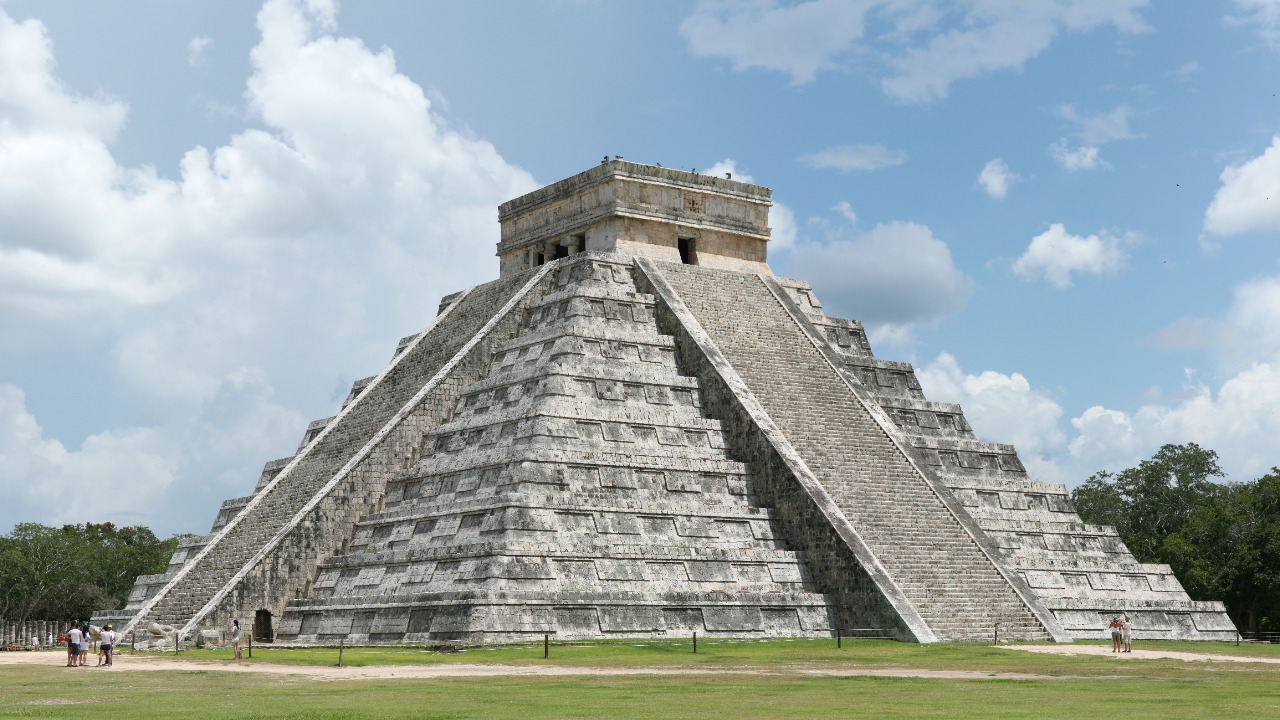
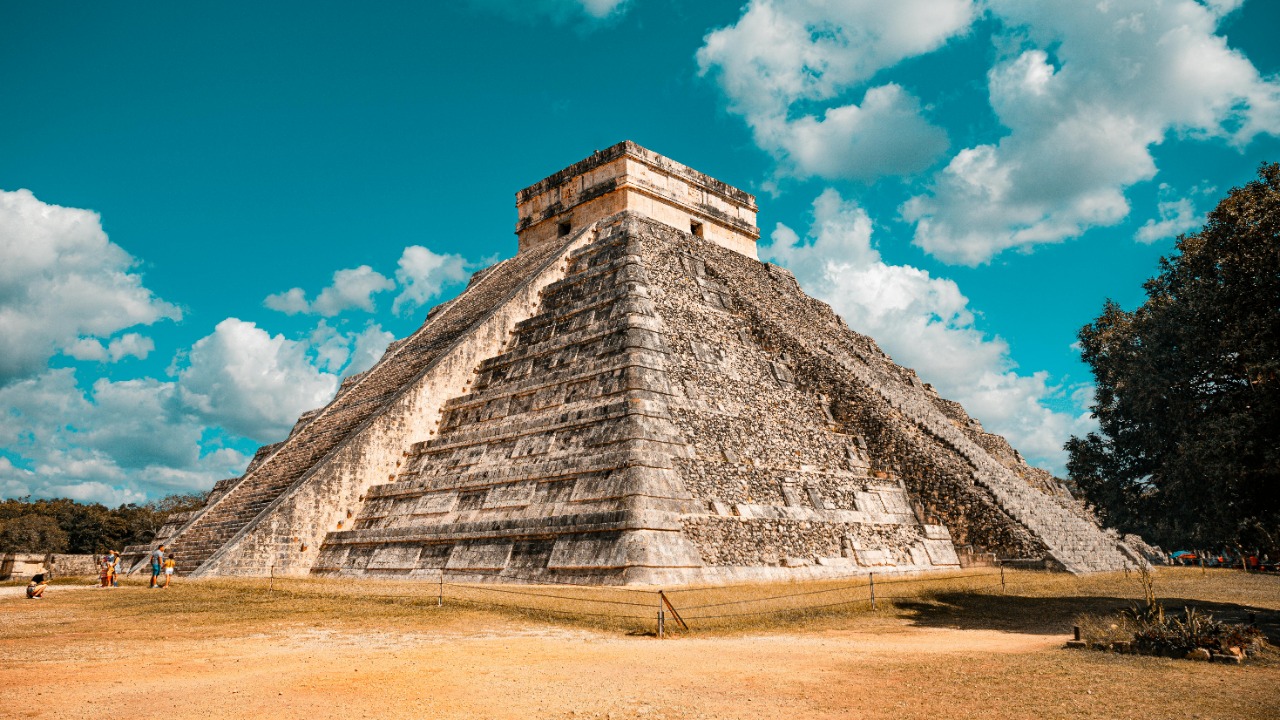
The ancient Mayan city of Chichen Itza is home to the Temple of Kukulcán, also known as El Castillo. This step pyramid is a prime example of the Maya’s advanced knowledge of astronomy. During the equinoxes, the play of light and shadows creates the illusion of a serpent slithering down the pyramid’s steps, symbolizing the descent of the feathered serpent deity, Kukulcán.
Chichen Itza served as a political and economic hub for the Maya civilization. Its precise astronomical alignments reflect the importance of celestial events in Mayan culture and their influence on architecture and urban planning.
3. Newgrange, Ireland
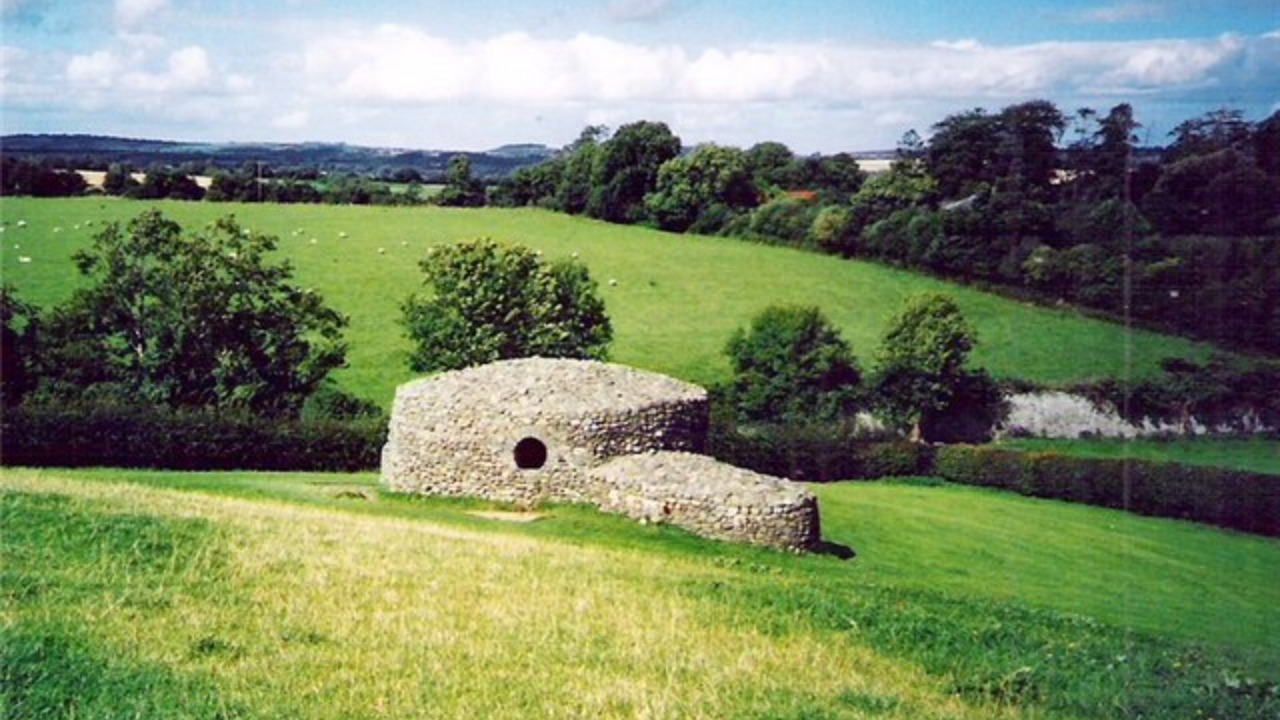
Newgrange is a prehistoric monument in County Meath, Ireland, that predates Stonehenge and the Great Pyramid of Giza. This passage tomb is aligned with the winter solstice sunrise. Each year, the rising sun illuminates the inner chamber, a feat that demonstrates the site’s sophisticated design and astronomical significance.
Constructed over 5,000 years ago, Newgrange remains a testament to the Neolithic people’s knowledge of astronomy. Its annual solstice illumination continues to captivate visitors and researchers alike, offering insights into ancient beliefs and practices.
4. Machu Picchu, Peru
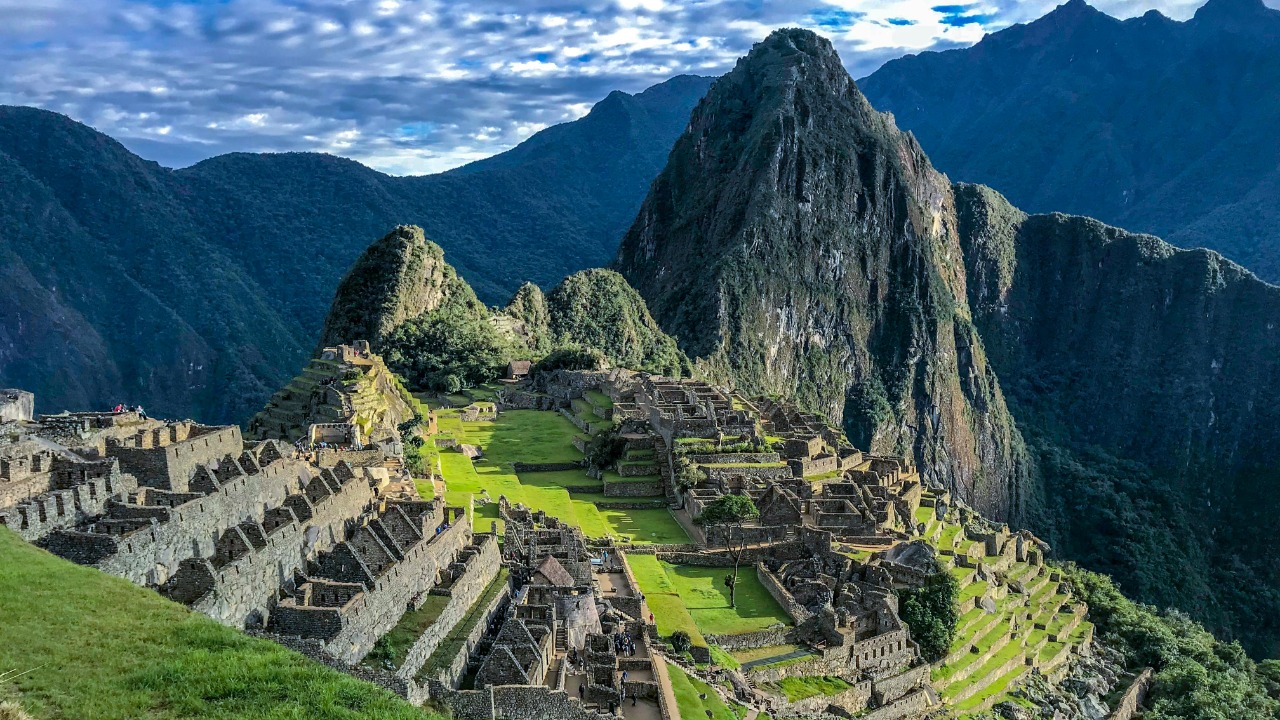
Perched high in the Andes Mountains, Machu Picchu is an iconic symbol of the Inca Empire. This archaeological site is renowned for its architectural precision and its alignment with celestial events. The Intihuatana stone, often referred to as the “Hitching Post of the Sun,” was used to track the sun’s position throughout the year.
Machu Picchu’s design reflects the Inca’s deep connection with their natural surroundings and their advanced astronomical knowledge. The site’s strategic location and orientation highlight the Inca’s reverence for nature and their ability to harness it for ceremonial purposes.
5. The Great Pyramid of Giza, Egypt
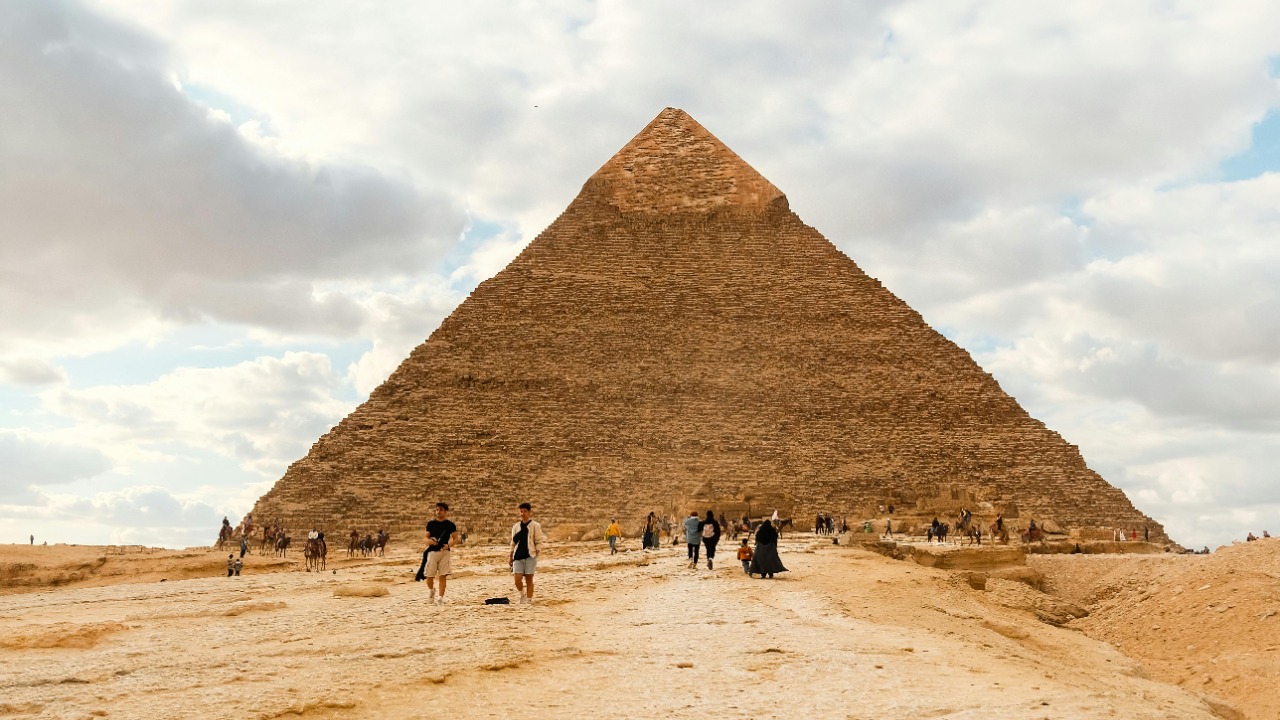
The Great Pyramid of Giza, one of the Seven Wonders of the Ancient World, has intrigued scholars for centuries. Its orientation is aligned with the cardinal points, and some theories suggest it was an astronomical observatory. The pyramid’s internal passages and chambers may have been designed to reflect the stars of Orion’s Belt, which were associated with Osiris, the Egyptian god of the afterlife.
While the exact purpose of the Great Pyramid remains speculative, its precise construction and celestial alignments demonstrate the ancient Egyptians’ sophisticated understanding of astronomy and engineering.
6. Nabta Playa, Egypt
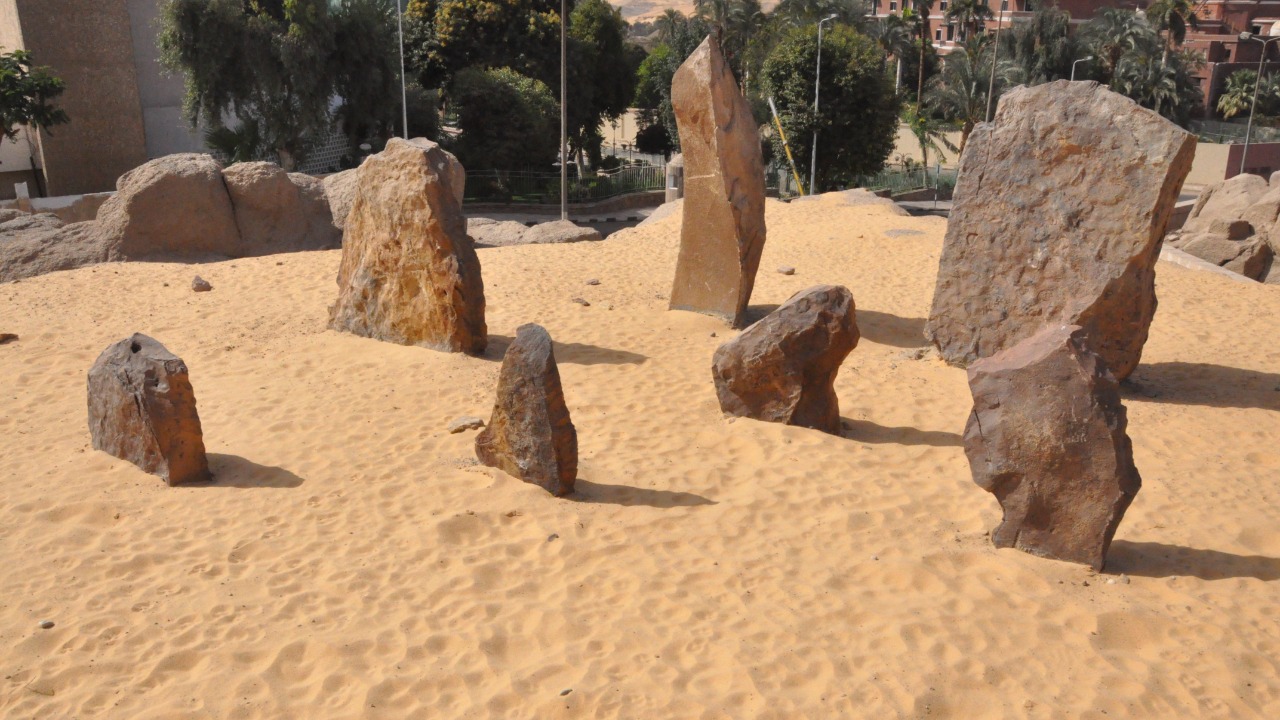
Nabta Playa is an archaeological site in the Nubian Desert that predates Stonehenge by about 1,000 years. This stone circle was used by the early inhabitants of the region to mark the summer solstice. The site consists of several stone structures that align with the cardinal directions and the constellation Orion.
These ancient astronomers of Nabta Playa demonstrated a sophisticated understanding of the cosmos, using the site as a calendar to predict the arrival of seasonal rains, essential for their survival. Its discovery has provided invaluable insights into the development of early astronomical practices.
7. Angkor Wat, Cambodia
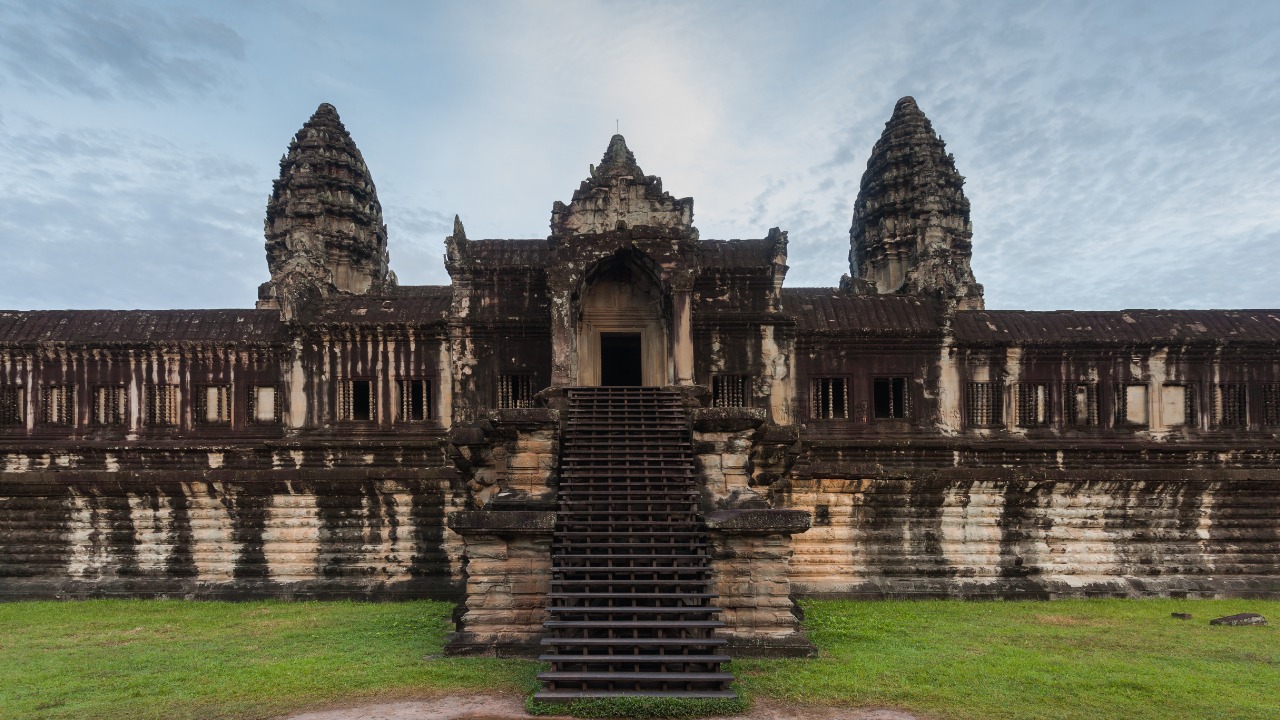
Angkor Wat is the largest religious monument in the world, originally constructed as a Hindu temple in the early 12th century. The temple complex is aligned to the solstices and equinoxes, illustrating the Khmer Empire’s sophisticated understanding of astronomy. The central tower represents Mount Meru, a sacred mountain in Hindu and Buddhist cosmology, and the surrounding structures align with celestial events.
The intricate design and celestial alignments of Angkor Wat reflect the Khmer’s integration of religious beliefs with astronomical observations. This fusion of spirituality and science underscores the temple’s enduring significance as both a religious and astronomical marvel.