
Many ancient cultures have left behind technological feats that continue to baffle modern scientists and researchers. These achievements highlight the ingenuity and skill of our ancestors, challenging our understanding of history and technology. Here, I explore seven ancient cultures and their mysterious technologies that remain unsolved.
The Mysterious Stone Spheres of Costa Rica

The stone spheres of Costa Rica, also known as “Las Bolas,” are a collection of over 300 petrospheres scattered across the Diquís Delta and on Isla del Caño. These perfectly rounded stones vary in size, with some reaching up to 2.4 meters in diameter and weighing several tons. The purpose and method of construction remain unknown, fueling speculation among archaeologists and historians.
Some theories suggest these spheres were used for astronomical purposes or as markers for significant locations. However, the lack of written records from the indigenous cultures that created them leaves their true purpose a mystery. Modern researchers continue to study these enigmatic artifacts to uncover their secrets.
The Advanced Metallurgy of the Indus Valley Civilization
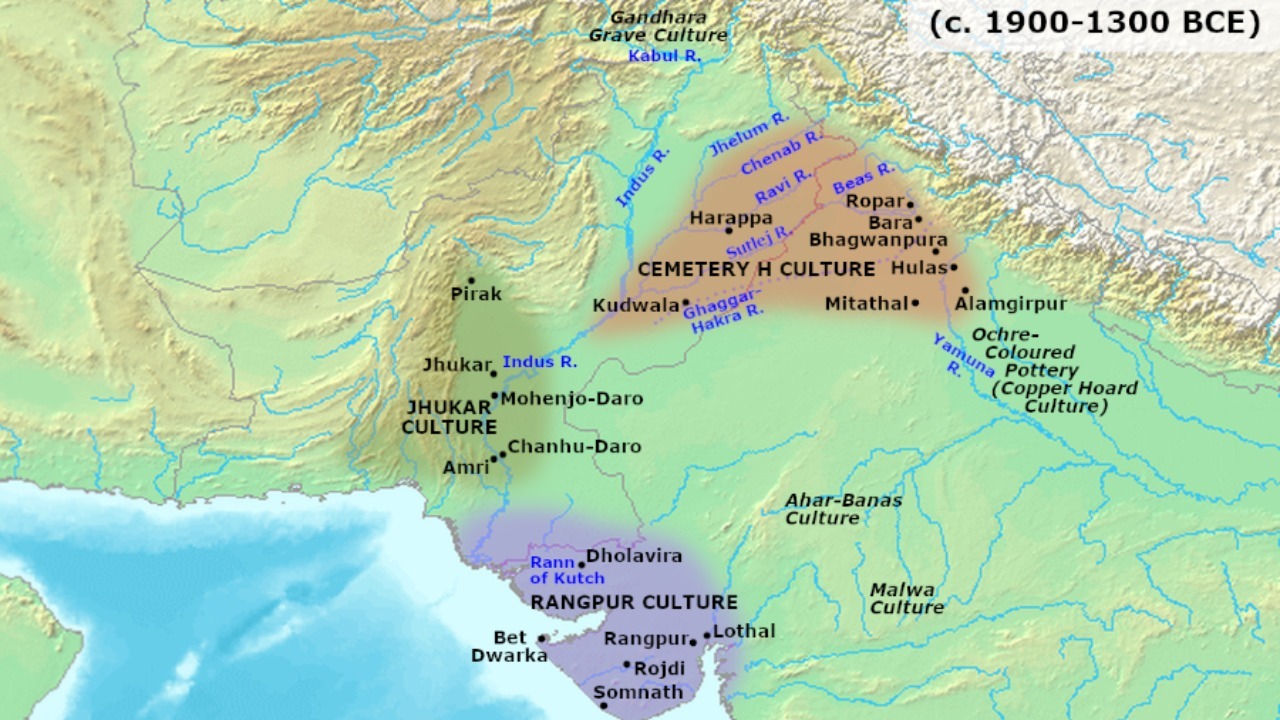
The Indus Valley Civilization, which thrived around 2500 BCE in present-day Pakistan and northwest India, was known for its advanced urban planning and metallurgy. Archaeological discoveries have revealed a high level of sophistication in their metalwork, particularly in copper and bronze artifacts. The precise methods used by this civilization to achieve such metallurgical expertise are still not fully understood.
Recent studies suggest that the Indus Valley people had knowledge of alloy production and temperature control that was ahead of their time. Despite extensive research, the exact processes and tools used remain elusive, highlighting the complexity and innovation of this ancient culture.
The Nazca Lines of Peru
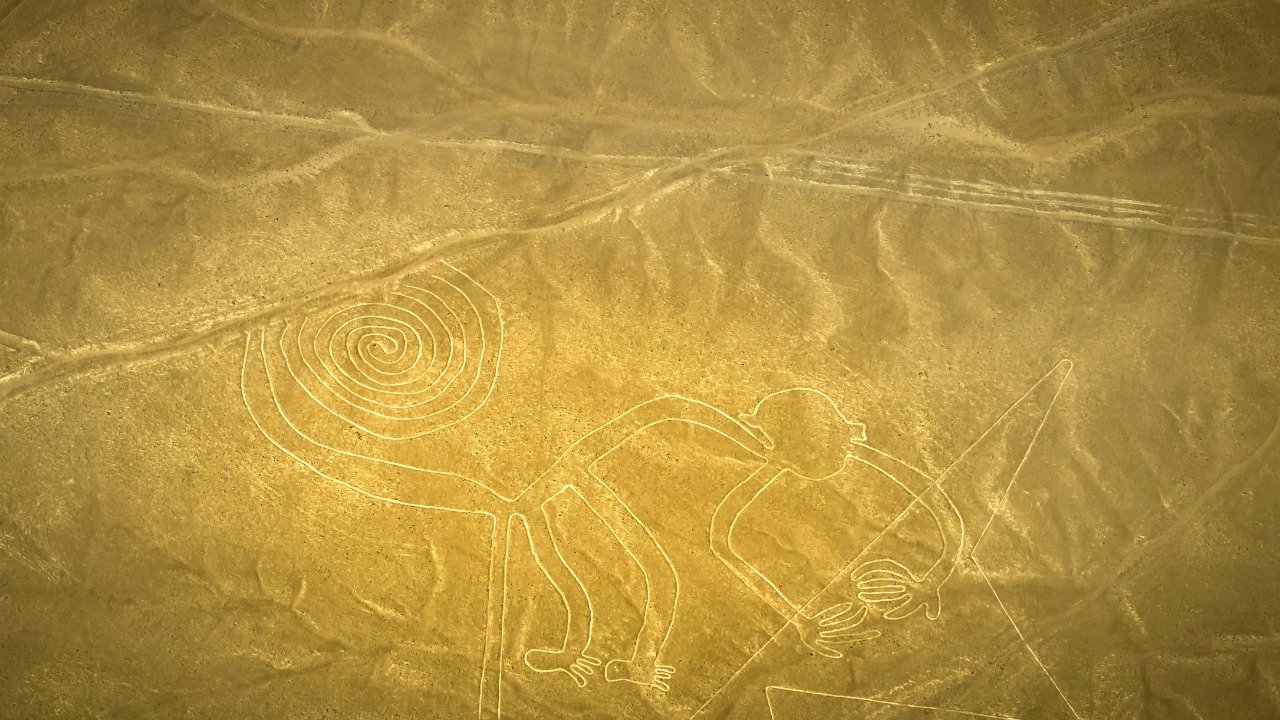
The Nazca Lines are a series of large geoglyphs etched into the desert plains of southern Peru. These intricate designs, depicting animals, plants, and geometric shapes, cover an area of about 1,000 square kilometers. The purpose of the Nazca Lines remains one of the world’s greatest archaeological mysteries.
While some researchers believe they held religious or astronomical significance, others theorize they were part of a complex water management system. The true purpose of these enigmatic lines is still debated, leaving room for further exploration and discovery.
The Antikythera Mechanism of Ancient Greece
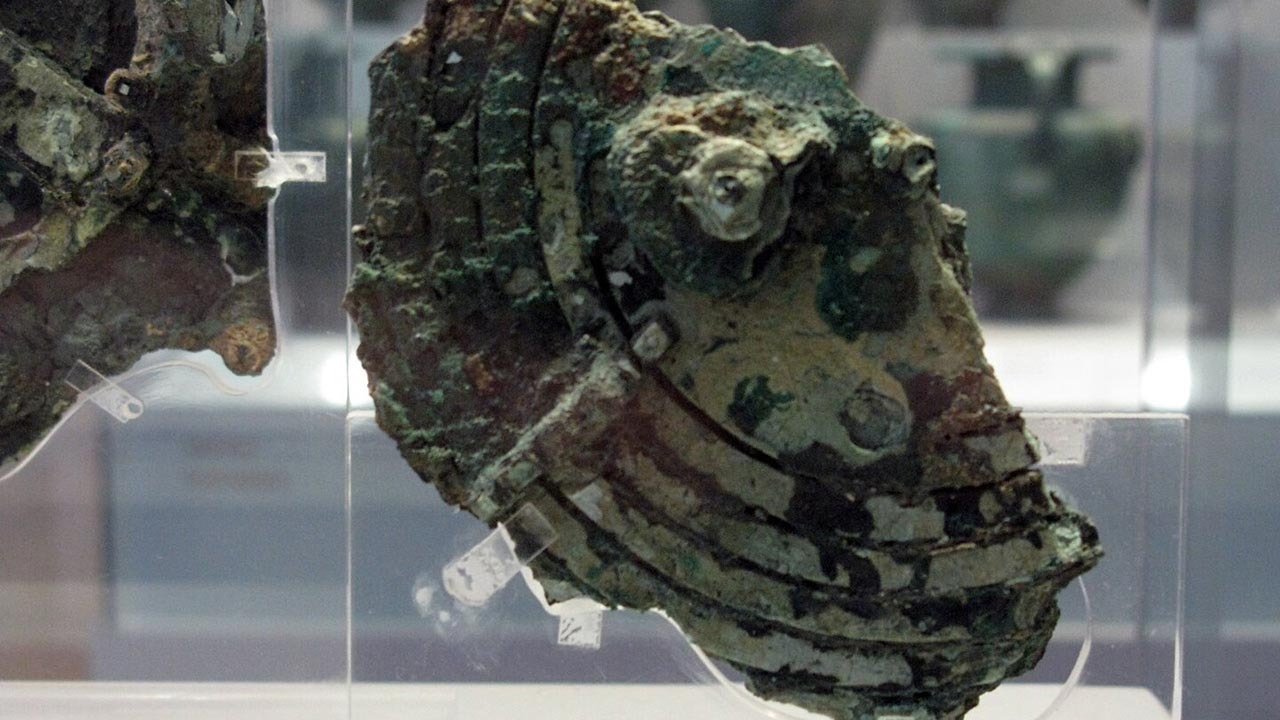
The Antikythera Mechanism, discovered in a shipwreck off the coast of Greece, is considered the world’s first analog computer. Dating back to around 100 BCE, this intricate device was used to predict astronomical positions and eclipses. The complexity of the mechanism suggests a level of technological advancement previously thought impossible for the time.
Scientists are still unraveling the mysteries of its construction and use. Various studies have attempted to recreate the device, but questions remain about the depth of astronomical knowledge possessed by its creators. The Antikythera Mechanism continues to challenge our understanding of ancient Greek technology.
The Stone Walls of Saksaywaman in Peru
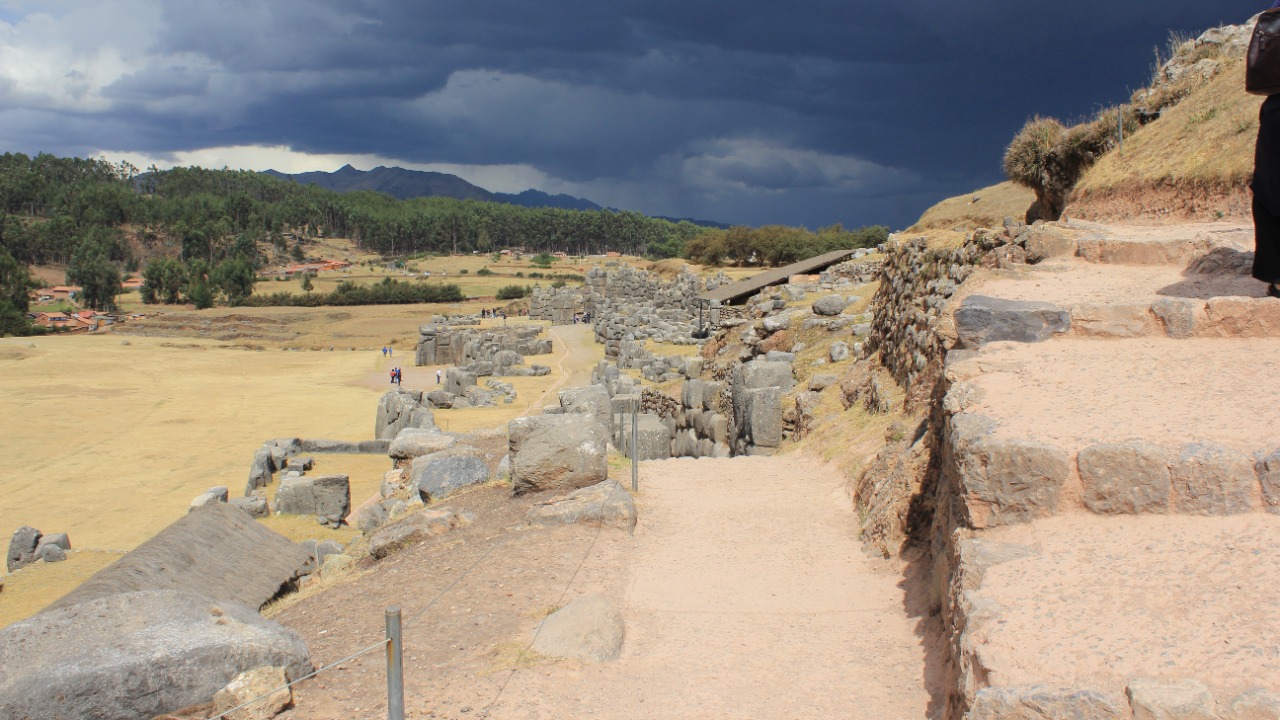
Perched above the city of Cusco, the stone walls of Saksaywaman are a testament to the engineering prowess of the Inca civilization. These massive walls, constructed without the use of mortar, consist of precisely cut stones that fit together seamlessly. The techniques used to transport and position these stones remain a topic of speculation.
Various theories have been proposed, including the use of ramps or labor-intensive manual methods. Despite advances in technology, the exact methods employed by the Incas to construct Saksaywaman continue to intrigue archaeologists and engineers alike.
The Pyramids of Ancient Egypt

The pyramids of Egypt, particularly the Great Pyramid of Giza, are among the most iconic structures in the world. Built over 4,000 years ago, these monumental tombs demonstrate an architectural mastery that has captivated historians and engineers for centuries.
Several theories attempt to explain their construction, ranging from the use of massive labor forces to sophisticated tools and machinery. However, the exact methods remain a matter of debate and mystery, highlighting the ingenuity and ambition of ancient Egyptian society.
The Baghdad Battery of Mesopotamia
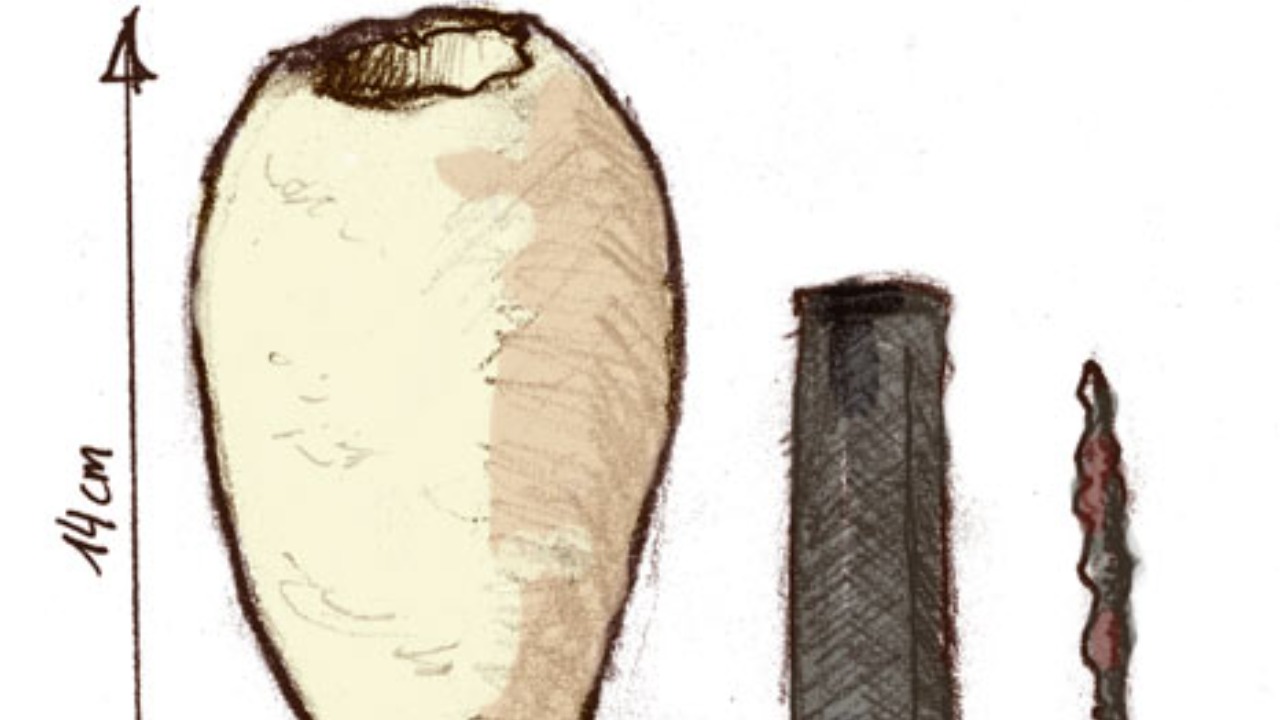
The Baghdad Battery, discovered in the 1930s near Baghdad, Iraq, consists of a clay jar with a copper cylinder and an iron rod. Some researchers believe it may have been used as a galvanic cell, capable of producing a small electrical charge. If true, this would suggest that ancient Mesopotamians had some knowledge of electricity.
While the actual purpose of the Baghdad Battery is still debated, its existence raises intriguing questions about the technological capabilities of ancient Mesopotamian civilizations. Whether used for electroplating or other purposes, this artifact continues to spark curiosity and debate among historians and scientists.
