
Running a company alone in 2026 increasingly means orchestrating a stack of specialized AI systems rather than hiring staff. With the right mix of tools, I can delegate everything from strategy and marketing to support and operations to software, while still keeping tight control over decisions and brand. These seven categories show how one person can realistically operate a full business using current AI capabilities.
1. All-in-One AI Orchestrator for Solo Operations – ChatGPT Enterprise
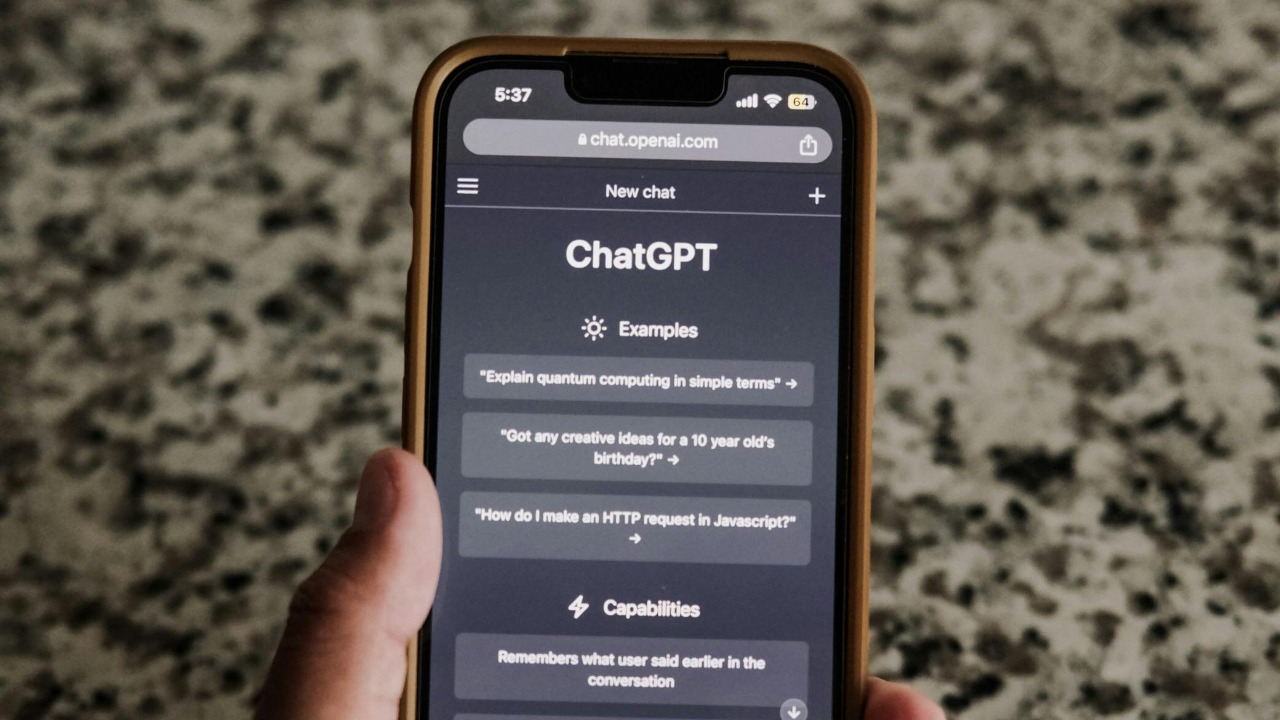
All-in-one orchestrators such as ChatGPT Enterprise sit at the center of a one-person operation, acting as chief of staff, analyst, and content engine in a single interface. Reporting on solo workflows highlights how a tightly integrated set of seven agents can cover planning, writing, research, and even light design without any code. In practice, I can use one workspace to draft proposals, summarize customer feedback, and generate standard operating procedures that other tools then execute.
The real leverage comes from connecting this orchestrator to calendars, CRMs, and document stores so it can trigger actions and keep records updated. When a single founder can ask one system to “prepare next week’s launch plan, emails, and support macros,” and have it coordinate across tools, the need for junior staff drops sharply. The stakes are significant for small firms, because this kind of orchestration lets a solo owner compete with teams that still rely on manual coordination.
2. Versatile AI Suite for Core Business Processes – Microsoft Copilot
A versatile suite like Microsoft Copilot covers the backbone of daily work, from spreadsheets to slide decks. Overviews of the top business tools in 2026 consistently place integrated assistants inside productivity suites alongside options such as Your AI Voice Engine for Business Content, Notion AI, The Brain That Organizes Your Team, Enterprise, and The Swiss. Within that ecosystem, I can have Copilot draft financial models in Excel, summarize long email threads in Outlook, and turn bullet notes into polished PowerPoint pitches.
Because these assistants live inside the software many businesses already use, they reduce friction for a solo founder who cannot afford complex migrations. I can keep my existing file structure while offloading repetitive formatting, formula building, and document drafting. For one-person companies, this means more time spent on high-value decisions and less on administrative grind, which directly affects how quickly they can respond to customers and opportunities.
3. High-Performance AI Evaluator for Daily Tasks – TechRadar’s Tested Stack
When I rely on AI for critical tasks, I need tools that have been stress-tested across real workloads. A reviewer who said “I tried 70+ best AI tools in 2026” provides exactly that kind of filter, ranking options after extensive hands-on use of more than 70. That breadth of testing surfaces where general models like ChatGPT excel, where specialized tools such as HeyGen or Manus shine, and which interfaces are fast enough for daily use.
For a solo operator, this kind of evaluation replaces an internal IT team. Instead of running my own bake-offs, I can lean on curated shortlists that already compare latency, reliability, and pricing. The implication is that even non-technical founders can assemble a high-performance stack, because the heavy lifting of benchmarking has been done in advance, narrowing the field to tools that hold up under pressure.
4. Trend-Aligned AI Predictor for Strategic Planning – Exploding Topics Engine
Strategic planning in a one-person business depends on spotting demand shifts early, and that is where a trend-focused AI engine becomes essential. Analyses of Top Business Trends for 2025 and 2026, By Josh Howarth, show how data-driven systems surface fast-growing niches long before they appear in mainstream reports. Related coverage describes Canva Code as The AI Tool That Lets You Code and highlights Superagency in the workplace, Empowering individuals to unlock more value.
By feeding these trend signals into my planning, I can decide which products to prioritize, which keywords to target, and which customer segments to test first. The stakes are high for solo founders, because a single wrong bet can consume their entire capacity. Aligning roadmaps with quantified demand curves gives them a better chance of building offers that match where the market is actually heading rather than where it used to be.
5. Idea-Generating AI for Revenue Streams – Shopify’s Business Idea Generator
Idea-generation engines turn vague ambitions into concrete, testable business models. A breakdown of AI business ideas lists 20 Profitable AI Business Ideas To Make Money in 2026 and points to Best AI Business Idea Generator Tools and Software for Entrepreneurs that can spin up concepts tailored to skills and niches. When I feed in my interests and constraints, these systems output specific offers, pricing models, and even suggested acquisition channels.
For a one-person company, this dramatically shortens the time between “I want to start something” and “I have three validated concepts to test.” It also encourages diversification, since I can quickly explore adjacent revenue streams such as subscription content, micro-SaaS, or AI-powered services. The broader trend is that ideation itself is becoming automated, shifting the founder’s role toward selection, validation, and execution.
6. Communication AI for Customer Interactions – AI-Enhanced Phone Systems
Customer communication remains the lifeblood of any business, and AI-enhanced phone systems now handle much of that load. Reviews of business phone systems in 2026 describe platforms that route calls intelligently, transcribe conversations in real time, and plug transcripts directly into CRMs. Many now include AI receptionists that can answer common questions, schedule appointments, and escalate only when a human decision is needed.
For a solo founder, this means being reachable without being constantly on call. I can let the system triage inquiries, capture every voicemail as searchable text, and trigger follow-up emails automatically. The impact is twofold: customers experience faster, more consistent responses, while the business owner gains back hours each week that would otherwise be spent juggling calls and messages.
7. Code-Free AI Integrator for End-to-End Management – FlexLab Autonomous Workflows
The final piece is a code-free integrator that turns individual tools into a cohesive, semi-autonomous operation. Platforms that Discover the best AI tools of 2026 emphasize autonomous workflows that connect chatbots, CRMs, and analytics without custom code. In parallel, guides that Ranked the Best AI Tools to Build Businesses argue that Only a handful of systems are consistently useful in real workflows, underscoring the need for robust connectors rather than fragile scripts.
With this layer in place, I can define end-to-end processes such as “capture a lead, qualify with an AI agent, schedule a call, and send a proposal,” then let the system run with minimal oversight. Most businesses are still at Level 1 of automation, but solo founders who embrace Level 5 Entire processes around AI gain disproportionate leverage. They effectively manage an invisible team of agents, keeping strategic control while software executes the playbook.
More from Morning Overview