
3D printing is no longer confined to the realms of science fiction; it’s making a significant impact on the food industry. With advancements in technology, 3D printing offers innovative solutions to some of the most pressing issues related to food production and consumption. From personalized nutrition to enhancing food safety, the potential is vast and transformative.
Personalized Nutrition
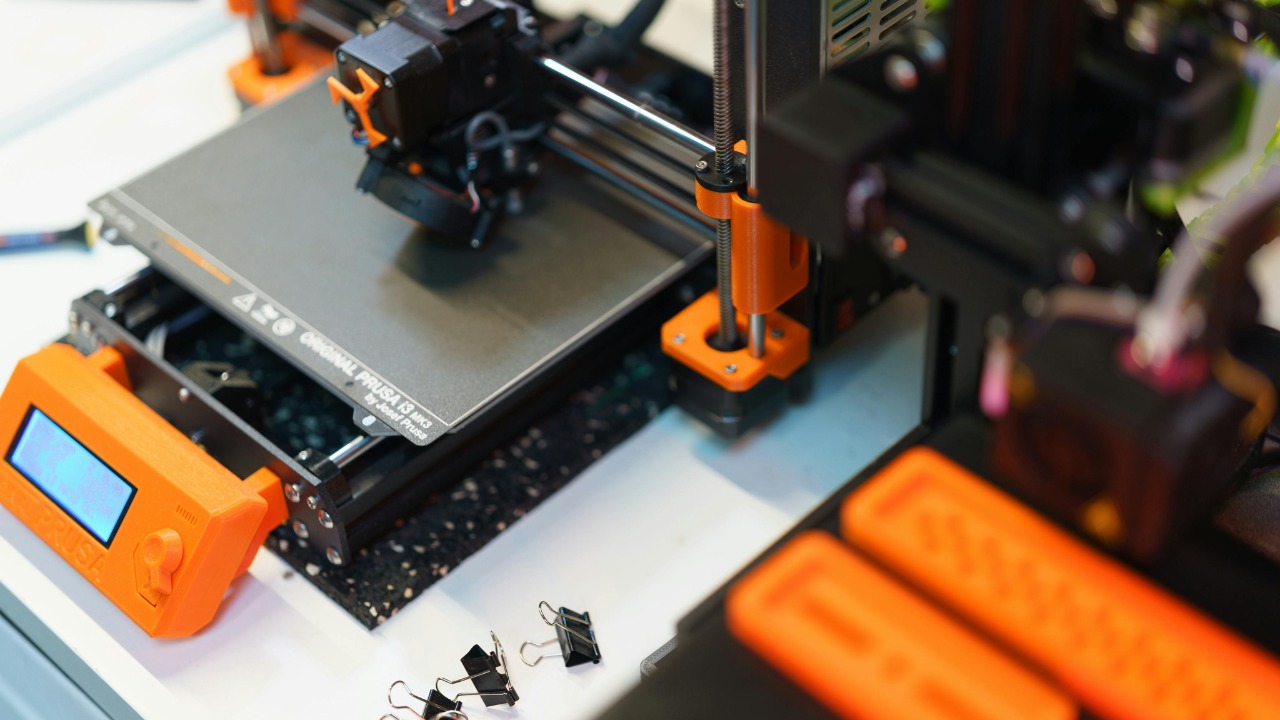
3D printing technology is paving the way for personalized nutrition, allowing consumers to customize their meals based on individual dietary needs and preferences. This technology can create food that aligns with specific nutritional requirements, supporting healthier lifestyles.
By tailoring ingredients and portions, it meets the growing demand for personalized health solutions, ensuring that each meal provides the necessary nutrients tailored to the individual’s health goals.
Sustainable Food Production
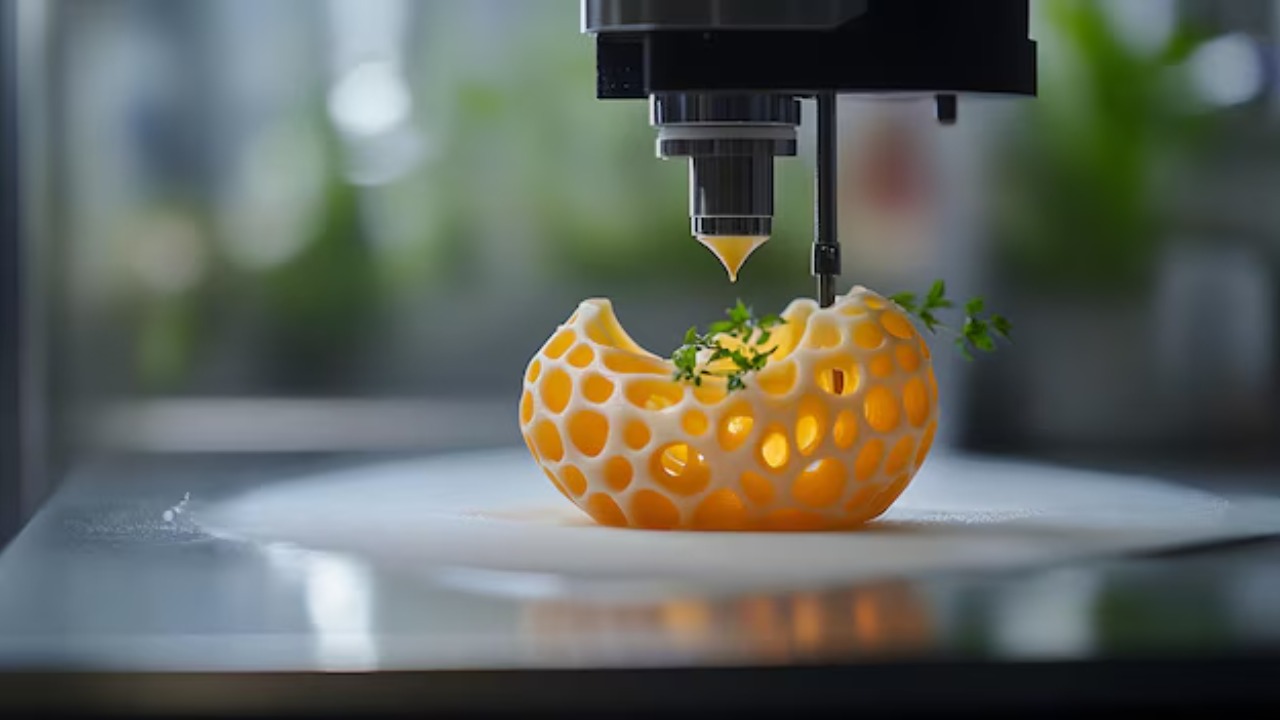
Sustainability is at the forefront of food production innovations, and 3D printing offers promising solutions. By using alternative ingredients and reducing reliance on traditional farming, it can significantly lower the environmental impact of food production.
This technology enables the utilization of plant-based proteins and other sustainable materials, supporting eco-friendly practices and promoting a more sustainable food supply chain.
Reducing Food Waste
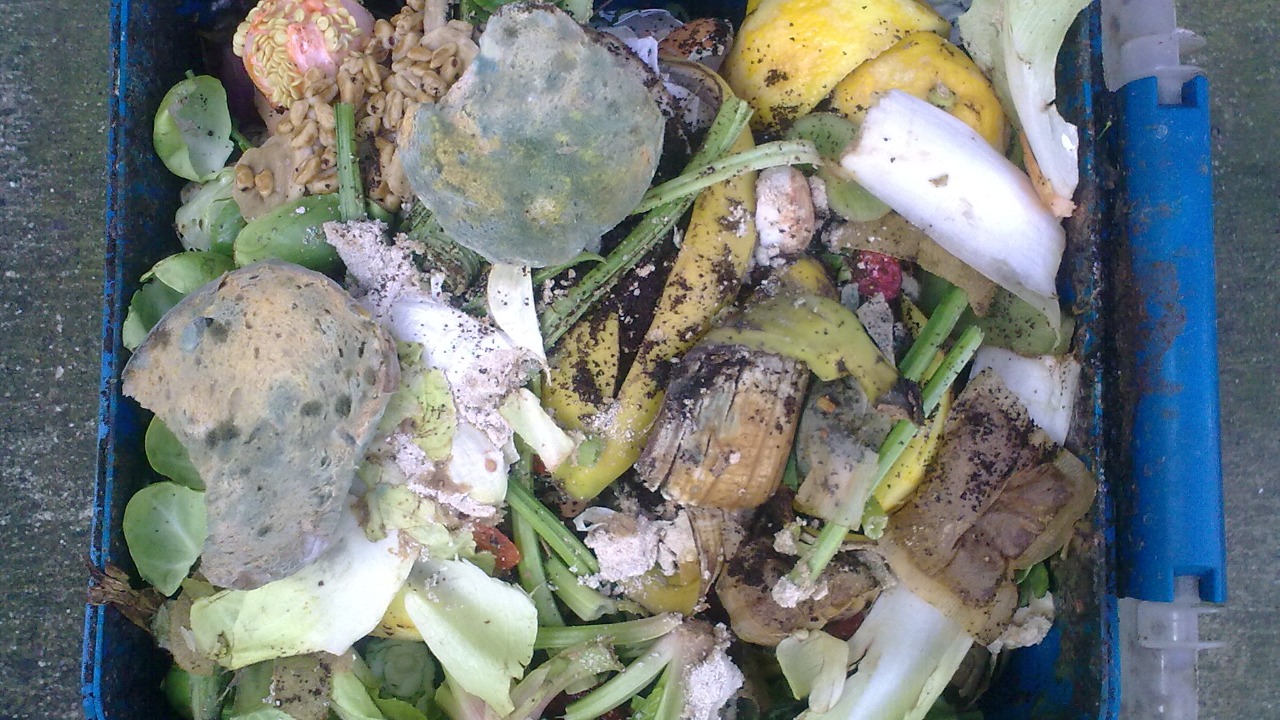
Food waste is a critical issue, and 3D printing could be a game-changer in addressing it. By using only the necessary amount of ingredients, this technology minimizes waste during the production process.
Additionally, it allows for the conversion of surplus or imperfect food into new, edible products, thus reducing food waste and maximizing resource utilization.
Innovative Culinary Creations
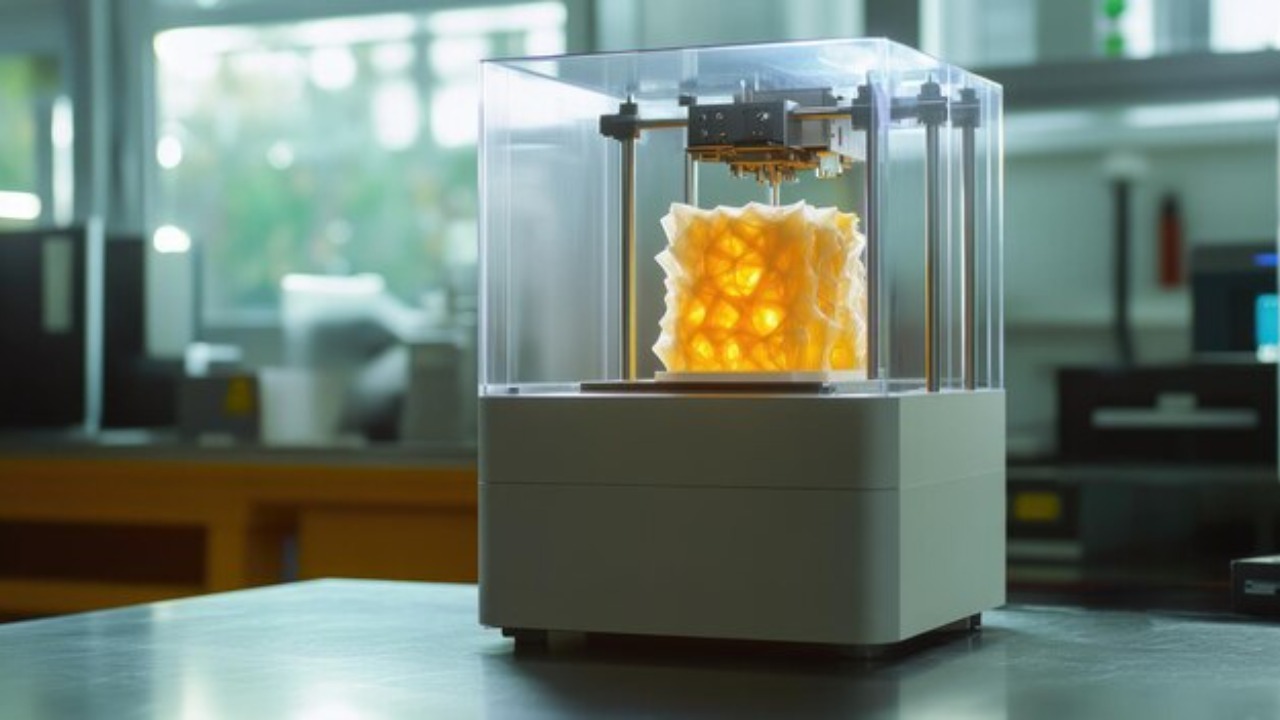
3D printing is revolutionizing the culinary world by enabling chefs and food artists to create complex and intricate designs that would be impossible with traditional methods. This technology fosters creativity, allowing for the crafting of unique textures and flavors that enhance dining experiences.
It also opens doors for experimental cuisine, where chefs can push boundaries and offer diners a taste of the future.
Rapid Prototyping of Food Products
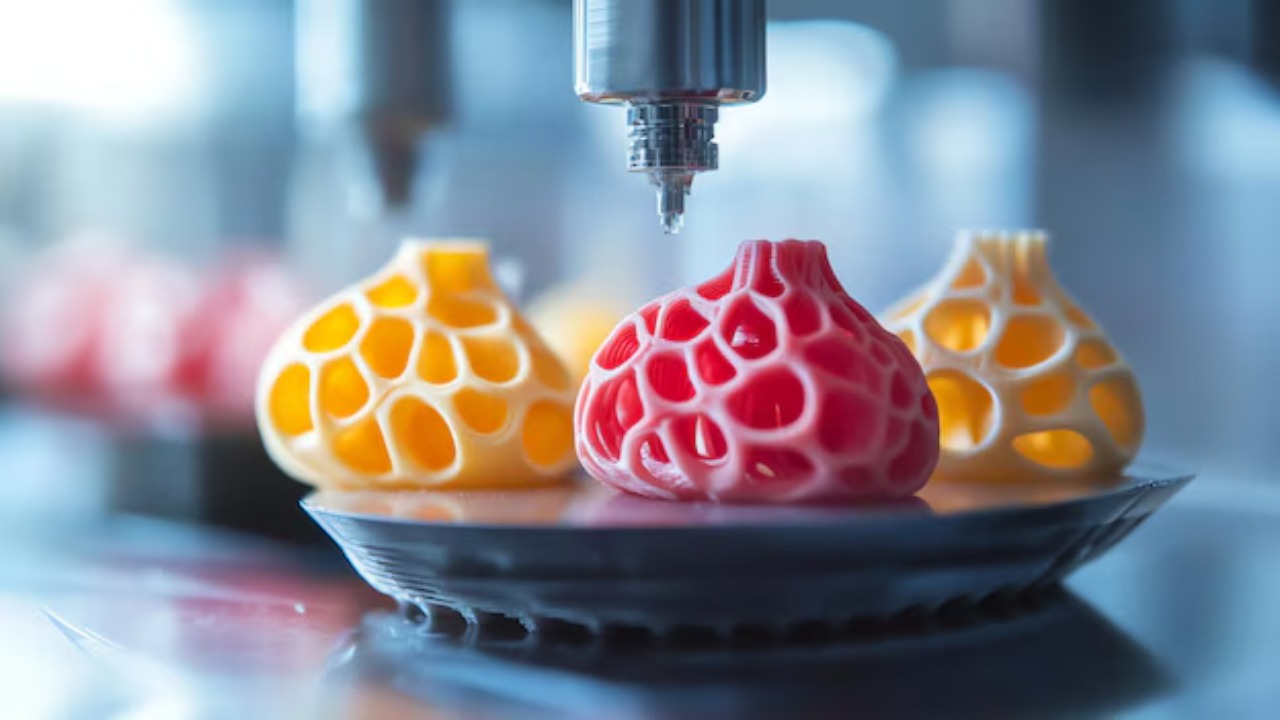
The ability to quickly prototype new food products is another advantage of 3D printing. This technology allows manufacturers to experiment with different formulations and designs without extensive time or resources.
By rapidly testing and refining ideas, companies can bring innovative products to market faster, meeting consumer demands and staying ahead of the competition.
Enhanced Food Safety and Quality
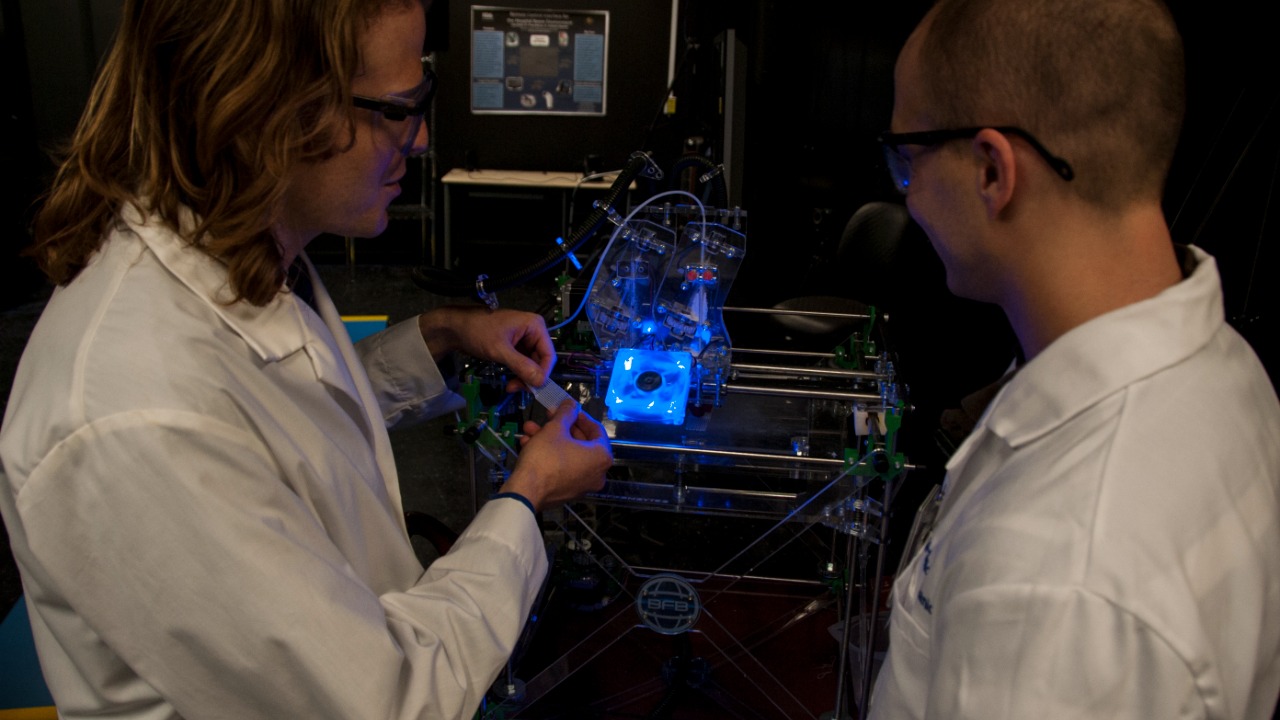
3D printing can enhance food safety and quality by ensuring precise control over production processes. This technology reduces the risk of contamination, as food items are created in a controlled environment.
Additionally, it can improve the consistency and quality of food products, ensuring each item meets high standards. By integrating advanced safety measures, 3D printing supports the delivery of safe and high-quality food to consumers.
