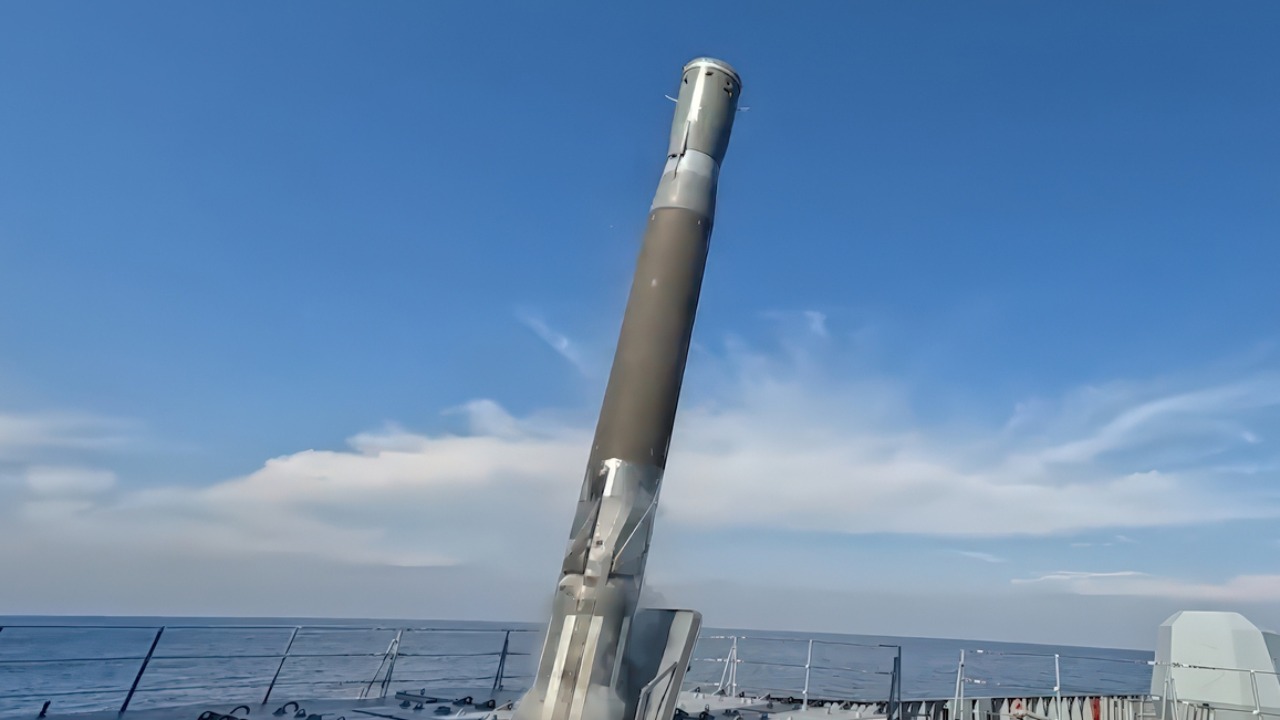

Hypersonic missiles represent a significant leap in military technology, offering a range of strategic and tactical advantages. Their high speed and maneuverability make them a valuable asset in modern warfare. Here are six real-life uses for these cutting-edge weapons.
National Defense and Deterrence
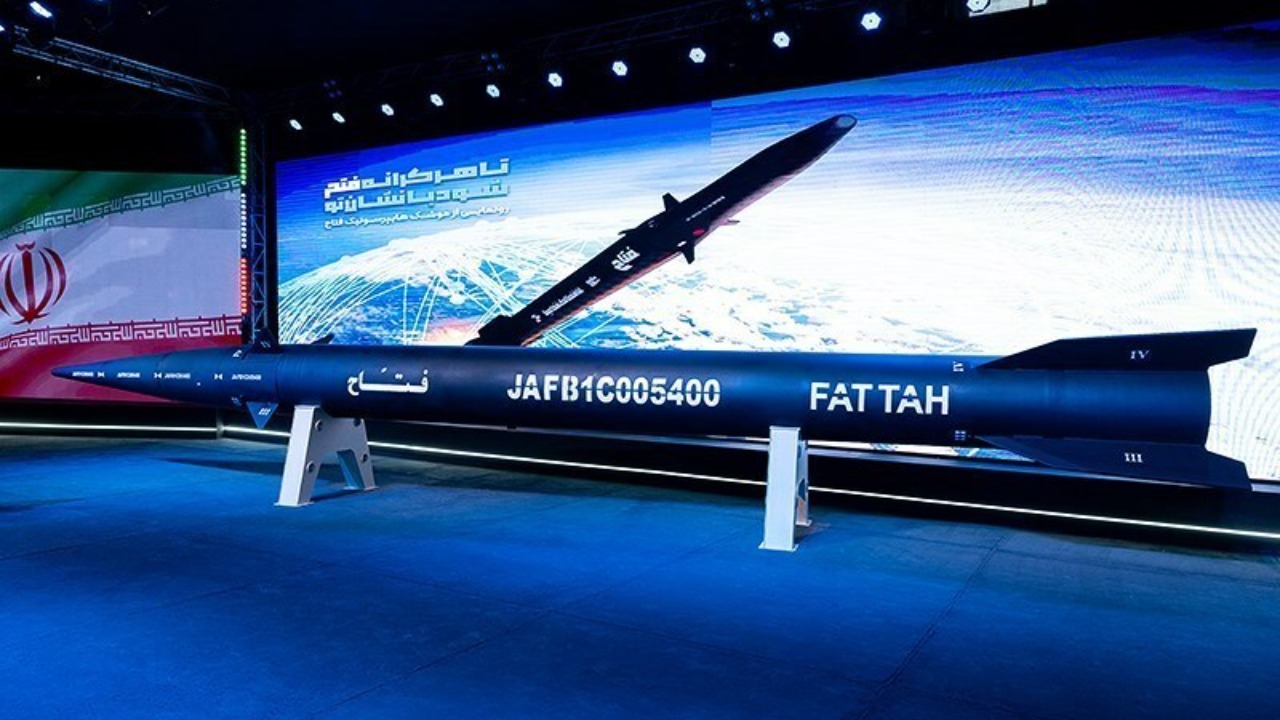
Hypersonic missiles play a crucial role in national defense strategies by serving as a powerful deterrent against potential adversaries. Their ability to travel at speeds exceeding Mach 5 makes them difficult to intercept, thus ensuring a credible threat that can discourage hostile actions. Countries invest heavily in hypersonic technology to maintain a competitive edge and secure their national interests.
The presence of hypersonic capabilities can alter the strategic calculations of rival nations, potentially preventing conflicts before they start. By demonstrating the capability to deploy these advanced missiles, nations can project strength and protect their sovereignty more effectively.
Rapid Response to Emerging Threats
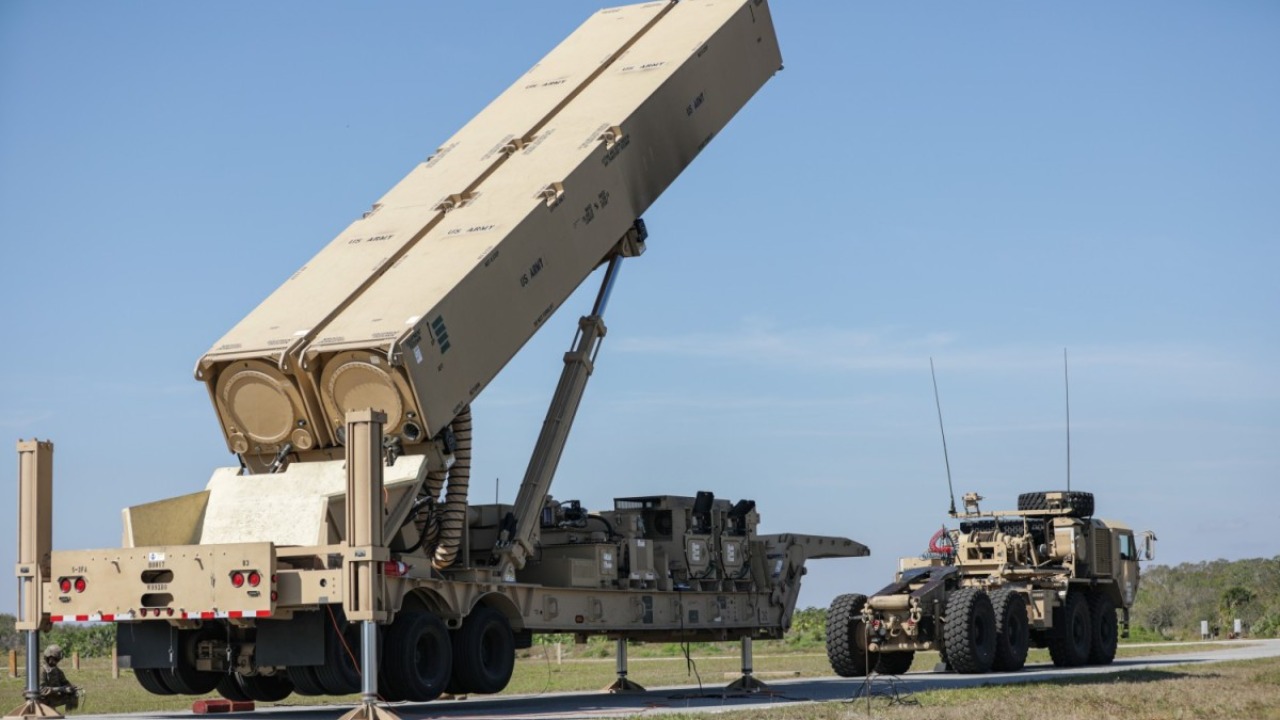
One of the most significant advantages of hypersonic missiles is their ability to respond quickly to emerging threats. Their speed allows for rapid deployment, enabling military forces to address potential dangers before they escalate. In situations where time is of the essence, hypersonic missiles can neutralize threats that conventional weapons might struggle to counter.
This rapid response capability is particularly valuable in volatile regions where threats can materialize with little warning. The ability to engage targets swiftly can prevent conflicts from escalating, potentially saving lives and maintaining stability in tense areas.
Strategic Military Operations
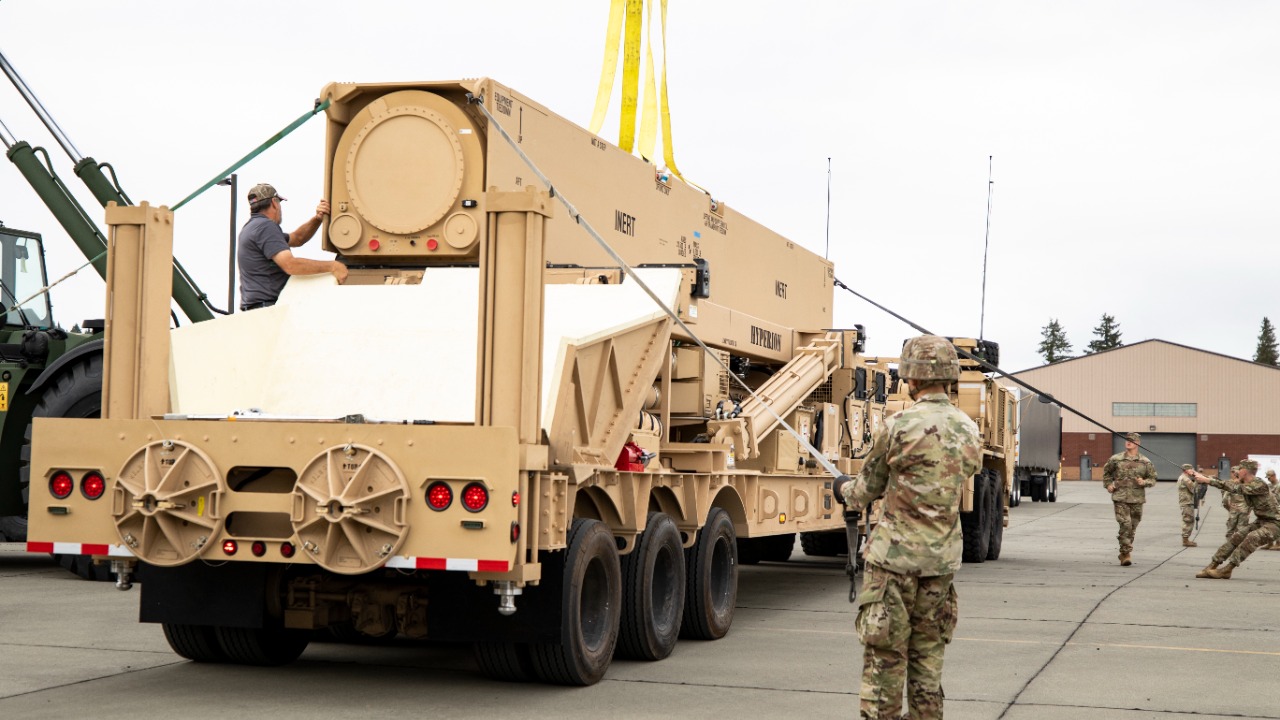
In strategic military operations, hypersonic missiles offer unparalleled precision and effectiveness. Their ability to maneuver at high speeds allows them to evade enemy defenses and strike critical targets with pinpoint accuracy. This capability is invaluable in scenarios where traditional missile systems might be insufficient.
The integration of hypersonic missiles into military operations enhances the effectiveness of offensive strategies. By providing a reliable means of disrupting enemy infrastructure and command centers, these missiles can play a pivotal role in achieving military objectives swiftly and efficiently.
Enhanced Surveillance and Reconnaissance
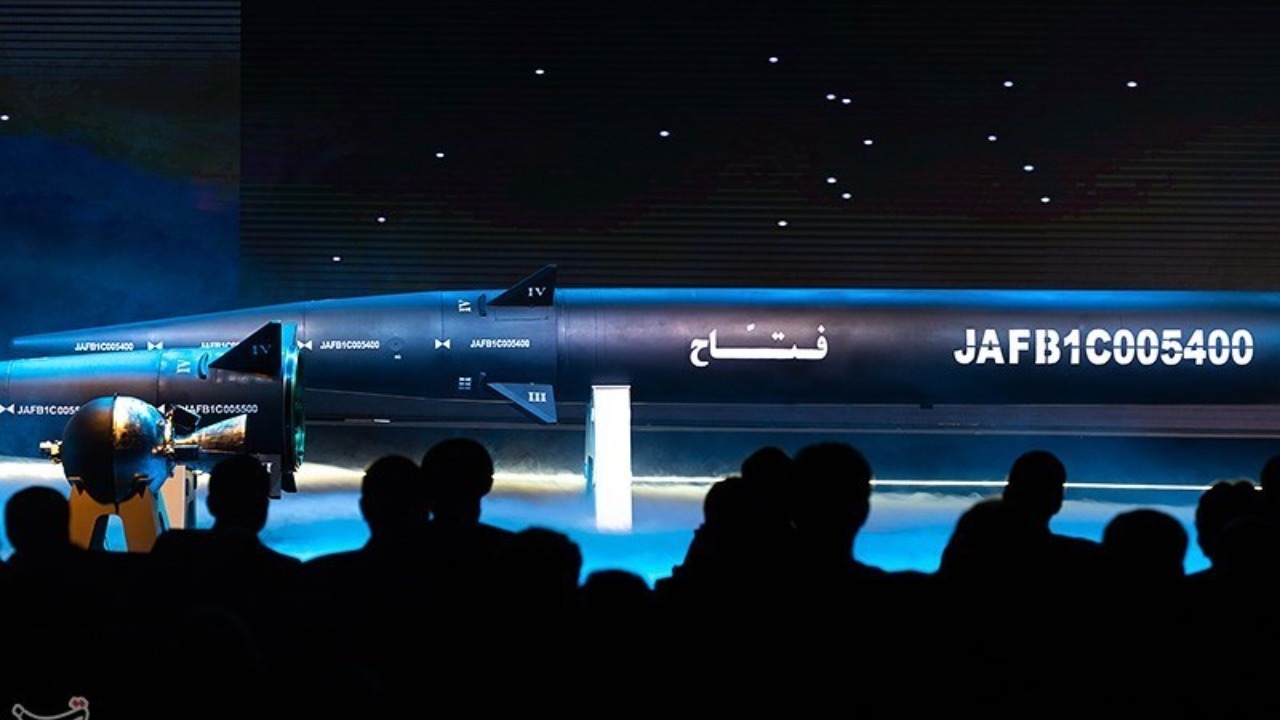
Hypersonic missiles are not just offensive tools; they can also enhance surveillance and reconnaissance capabilities. Equipped with advanced sensors, these missiles can gather valuable intelligence during their flight, providing real-time data on enemy positions and movements.
This dual-use capability allows military forces to conduct reconnaissance missions with greater effectiveness, gathering information that can inform strategic decisions. The intelligence gathered by hypersonic missiles can be crucial in planning future operations and ensuring the success of ongoing missions.
Anti-Satellite Capabilities
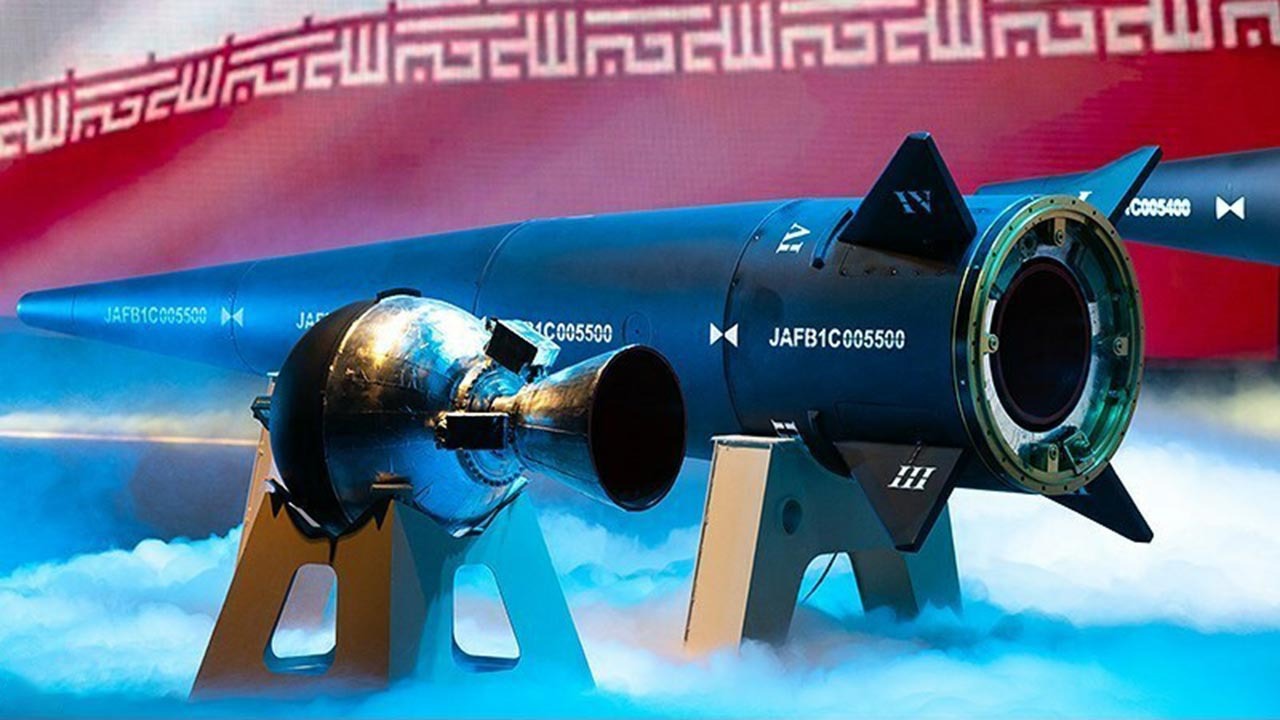
The development of hypersonic missiles has introduced new possibilities in anti-satellite warfare. These missiles can target and destroy satellites in orbit, disrupting enemy communication and surveillance networks. This capability is increasingly important as space becomes a contested domain in modern warfare.
By investing in hypersonic anti-satellite technology, nations can protect their own space assets while threatening those of their adversaries. This capability adds a new dimension to strategic deterrence and provides an additional layer of security in space operations.
Technological Advancements and Innovation

The pursuit of hypersonic missile technology drives significant advancements in related fields, including materials science, propulsion, and aerodynamics. The challenges associated with developing these missiles have led to breakthroughs that benefit a wide range of industries beyond the military.
These technological advancements contribute to innovation in areas such as civilian aerospace, telecommunications, and even healthcare. As nations continue to invest in hypersonic research, the ripple effects of this innovation will likely extend far beyond military applications.