
During a power outage, many of the household devices we rely on daily can suddenly become useless. It’s important to know which devices will cease to function so you can plan accordingly and minimize the disruption to your routine. Here are six common devices that typically stop working during a blackout.
Refrigerators and Freezers
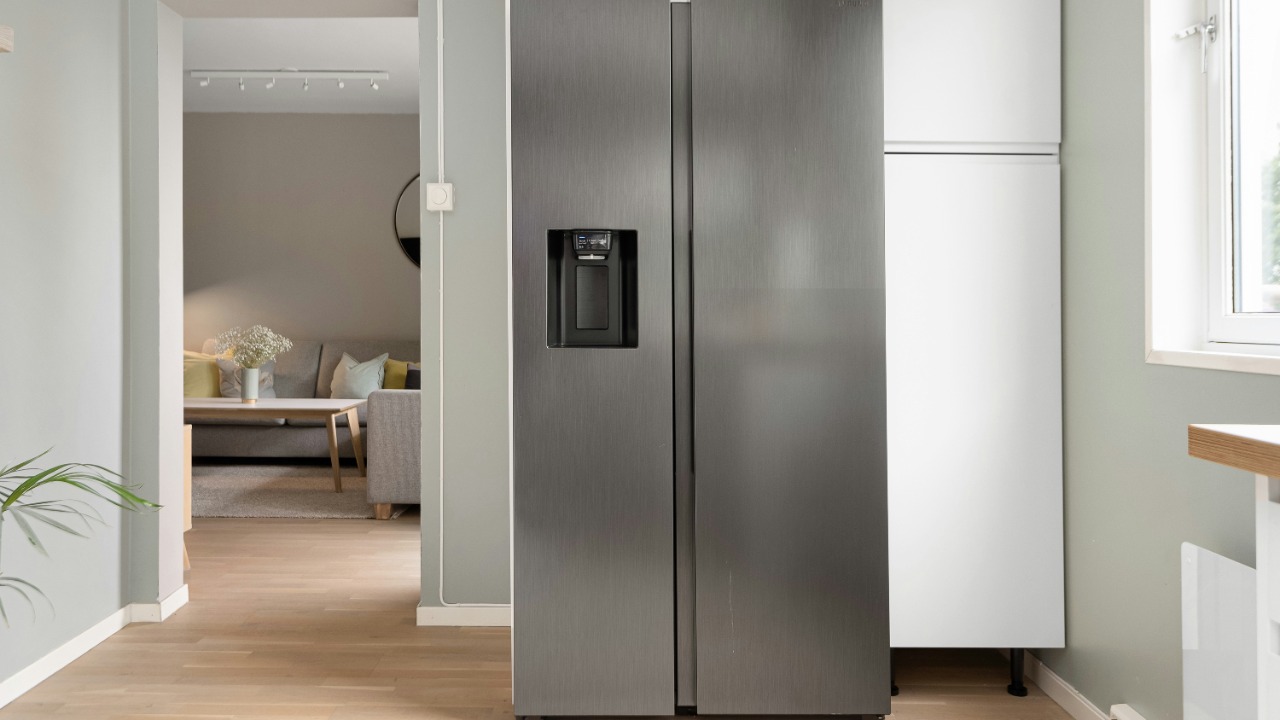
Refrigerators and freezers are among the most critical appliances that stop working during a power outage. They rely on electricity to keep your perishable food items fresh. Without power, the temperature inside these appliances can rise quickly, leading to spoilage. It’s advisable to keep the doors closed as much as possible to retain the cold air.
Consider investing in a portable power station to keep your refrigerator running during an extended outage. Alternatively, having a cooler and ice packs on hand can be a practical solution for short-term outages. Regular maintenance and keeping the freezer full can also help prolong the cold temperature when the power goes out.
Wi-Fi Routers
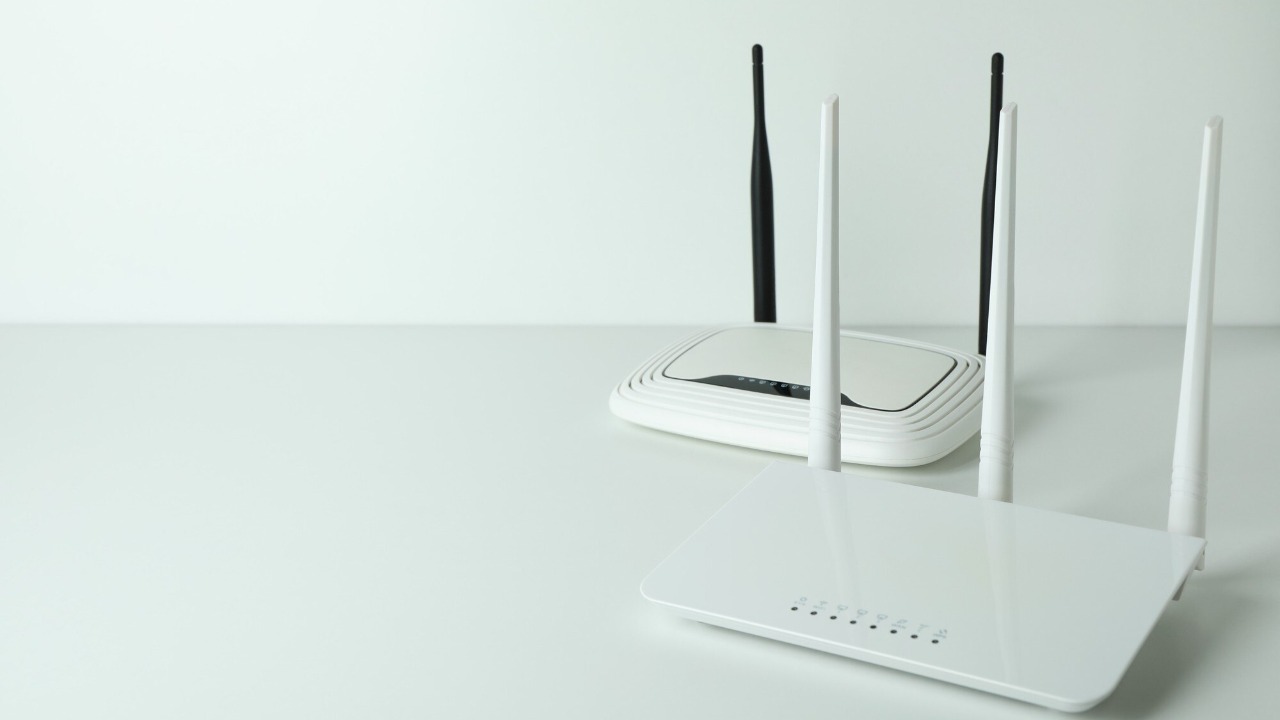
Wi-Fi routers rely entirely on electricity to function, which means that when the power goes out, so does your internet connectivity. This can be particularly frustrating if you depend on the internet for work or communication. While some may have backup battery systems, they are not common in most homes.
Using a mobile hotspot from your smartphone can provide a temporary solution, although it might not support all your devices. It’s also a good idea to download important documents and offline entertainment options ahead of time, especially if you know a storm is approaching.
Electric Stoves and Ovens

Electric stoves and ovens are convenient for cooking but become unusable during a blackout. This can be particularly inconvenient if you have food that needs to be cooked or kept warm. Gas stoves might still work, but they often require electric ignition, which can complicate things further.
For emergency situations, consider having a propane camping stove or a portable grill as an alternative. These can be invaluable when you need to prepare meals and don’t have access to your main cooking appliances. Additionally, planning meals that don’t require cooking can save you time and hassle during a power outage.
Home Security Systems
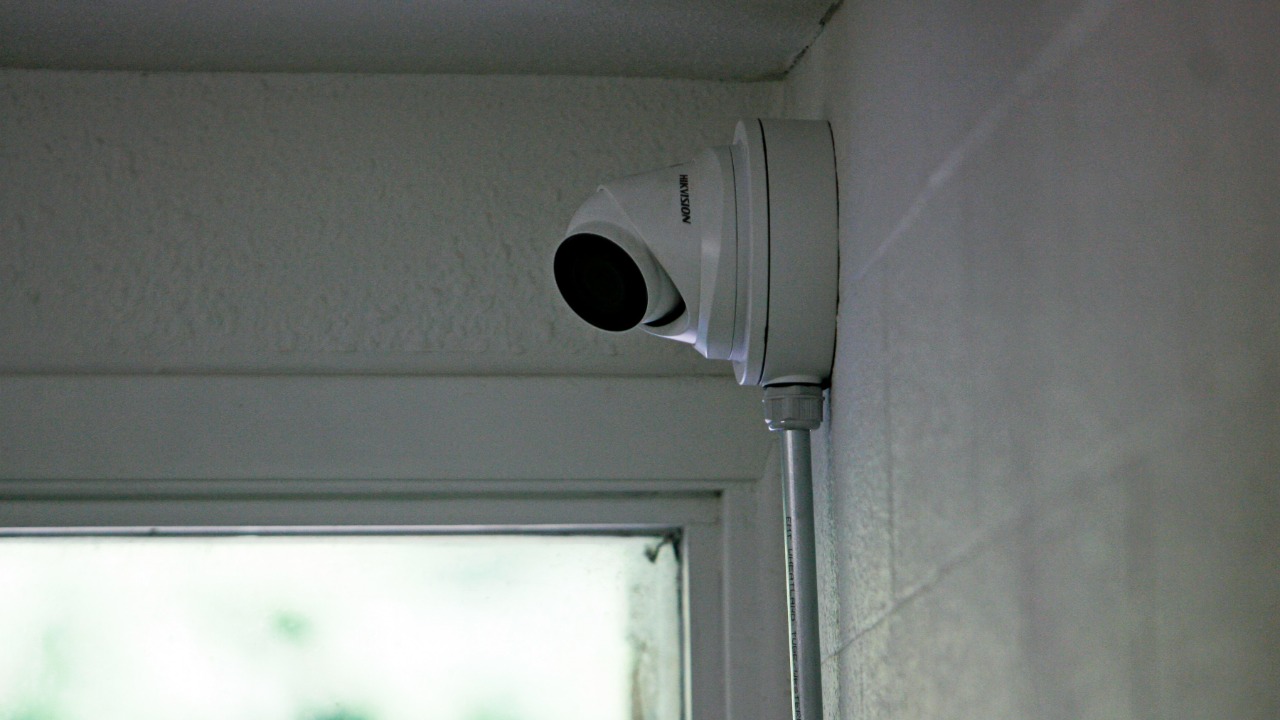
Home security systems are designed to protect your home, but many components, such as alarms and cameras, rely on electricity. When the power goes out, so do these essential features unless you have a backup power source or battery system in place. It’s crucial to check if your system includes a battery backup or if you need to invest in one.
Some systems can be connected to a smartphone app, allowing you to monitor your home remotely if the internet is still available. Additionally, having a manual lock system in place can add an extra layer of security when electronic systems fail.
Cordless Phones
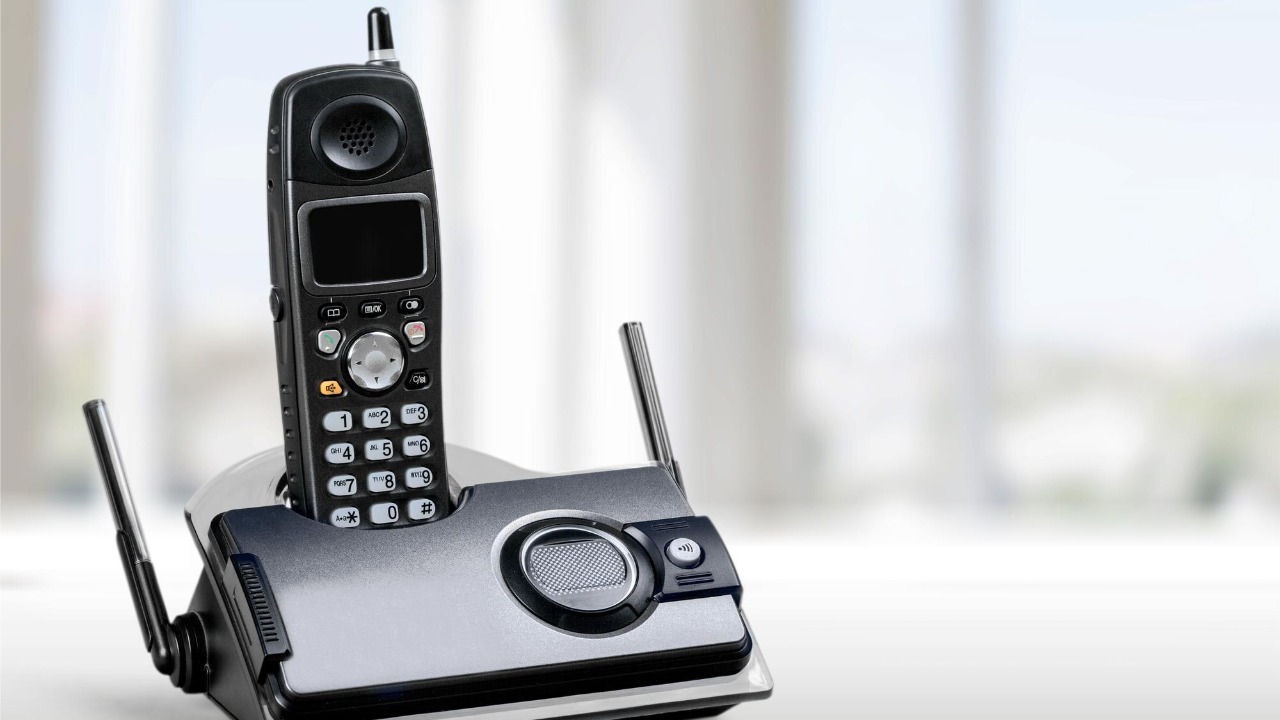
Cordless phones are a staple in many households, but they require electricity to function. During a power outage, the base station that connects the phone to the telephone line loses power, rendering the phone useless. This can be especially concerning if you rely on your landline for emergency communication.
Keeping a traditional corded phone as a backup can be a lifesaver during outages since they draw power directly from the phone line. Additionally, make sure that your cellphone is fully charged and consider having a backup battery or emergency kit prepared for prolonged outages.
Garage Door Openers
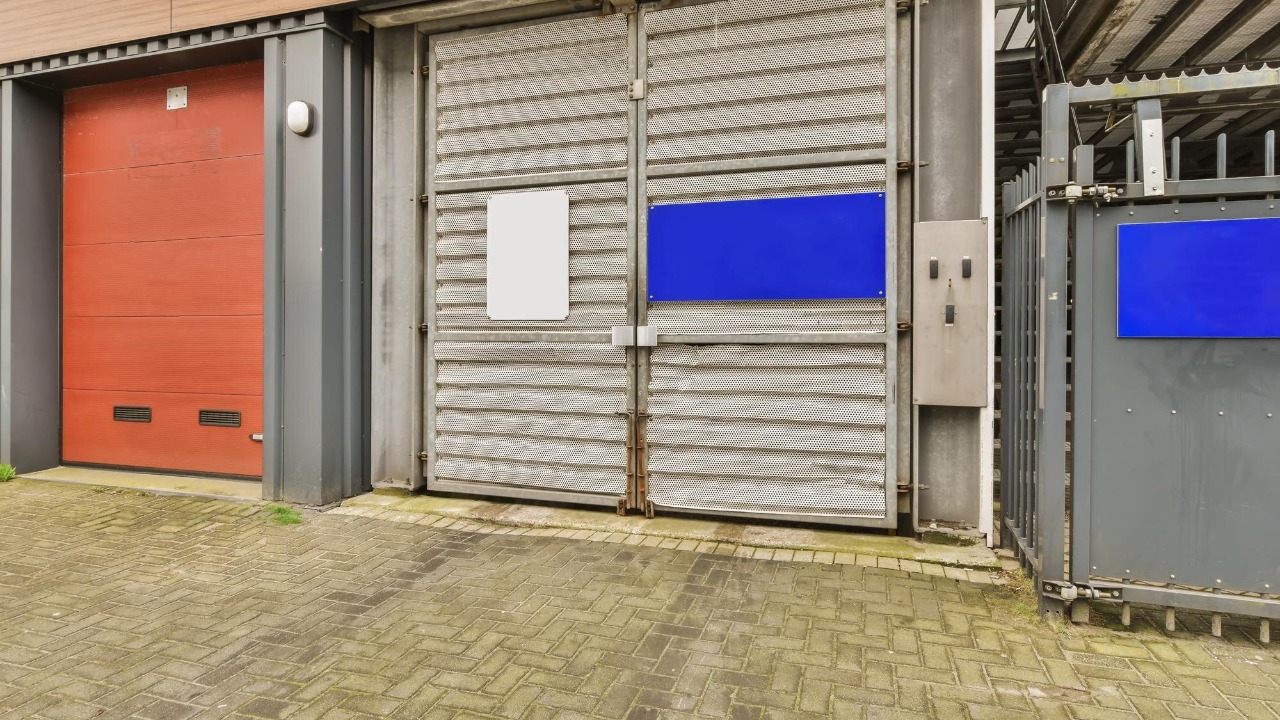
Garage door openers provide convenience and security but rely on electricity to operate. When the power goes out, you may find yourself unable to open or close your garage door automatically. This can be a significant inconvenience, particularly if your car is inside and you need to leave.
Most garage door openers have a manual release mechanism that allows you to operate the door manually. Familiarize yourself with this feature before an outage occurs to avoid frustration. Additionally, consider installing a battery backup for your garage door opener to ensure it remains functional during power interruptions.
