
Canada has recently announced a ban on several car models due to various reasons ranging from emission scandals to safety issues. Let’s take a closer look at six notable models that are being removed from Canadian roads.
Volkswagen Diesel Models: The Emission Scandal Fallout
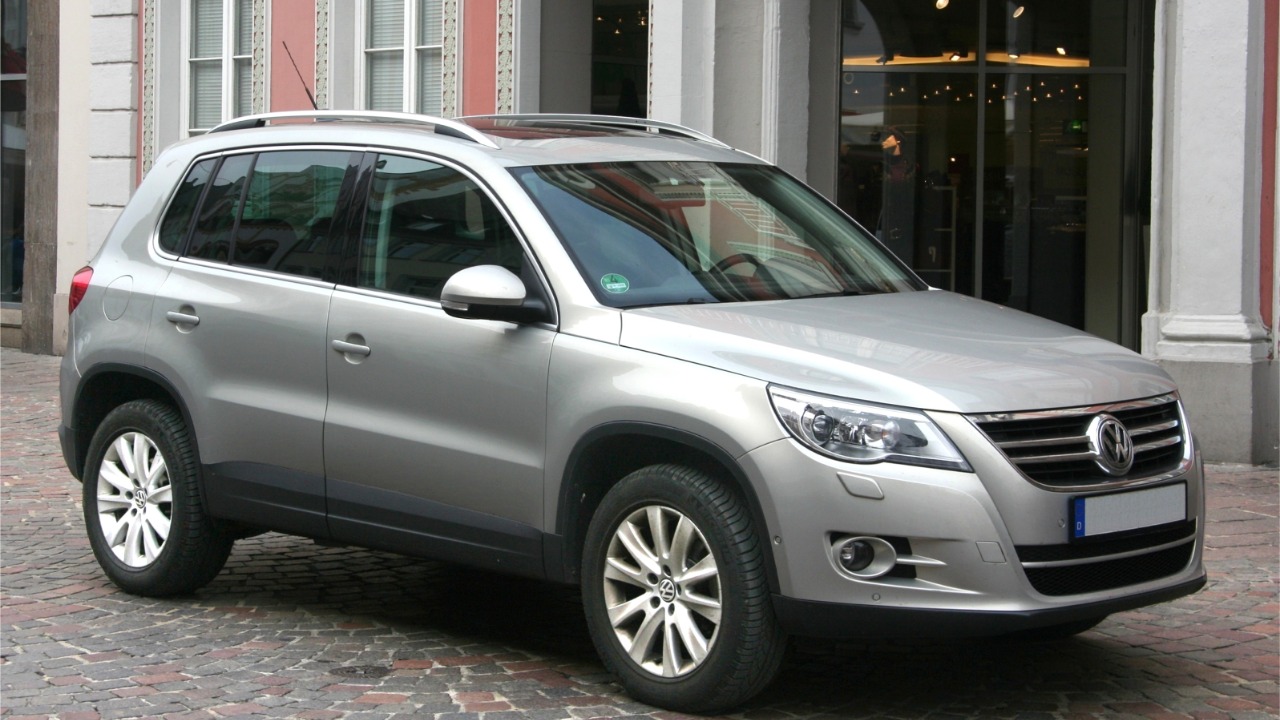
The fallout from the Volkswagen emission scandal has resulted in the ban of certain diesel models from Canadian roads. Volkswagen was found guilty of manipulating engine software to cheat on emissions tests, resulting in significantly higher emission levels in real-world driving conditions. This has led to a worldwide recall of millions of cars, with Canada being no exception. Although Volkswagen has taken steps to rectify the situation, the damage to the environment and the company’s reputation is irreparable.
Certain Older Models of Toyota Corolla: Safety Issues
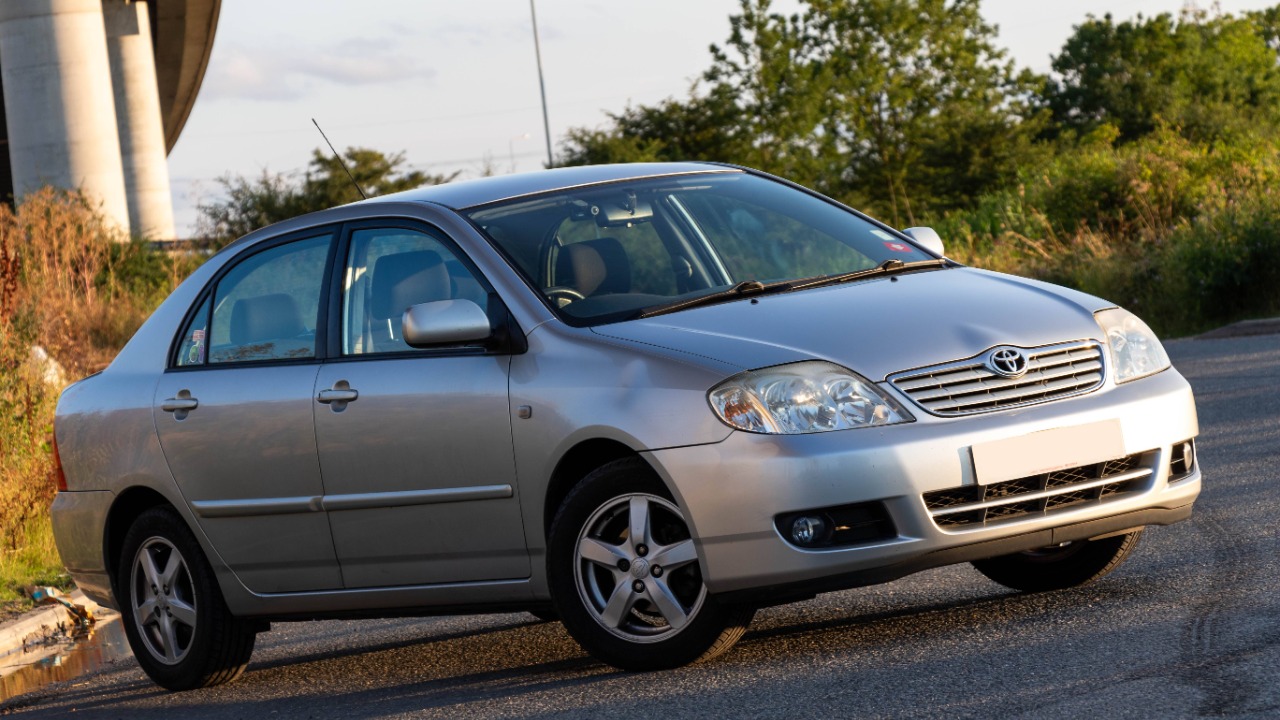
Certain older models of Toyota Corolla have been banned due to safety issues. These models, generally those produced in the early 2000s, have been reported to have issues with their braking systems. The risk of accidents is significantly increased, especially in challenging driving conditions such as those found on the Coquihalla Highway. Toyota has issued recalls for these models and is working to address the issue.
Hyundai Tucson Fuel Cell: Hydrogen Infrastructure Challenges
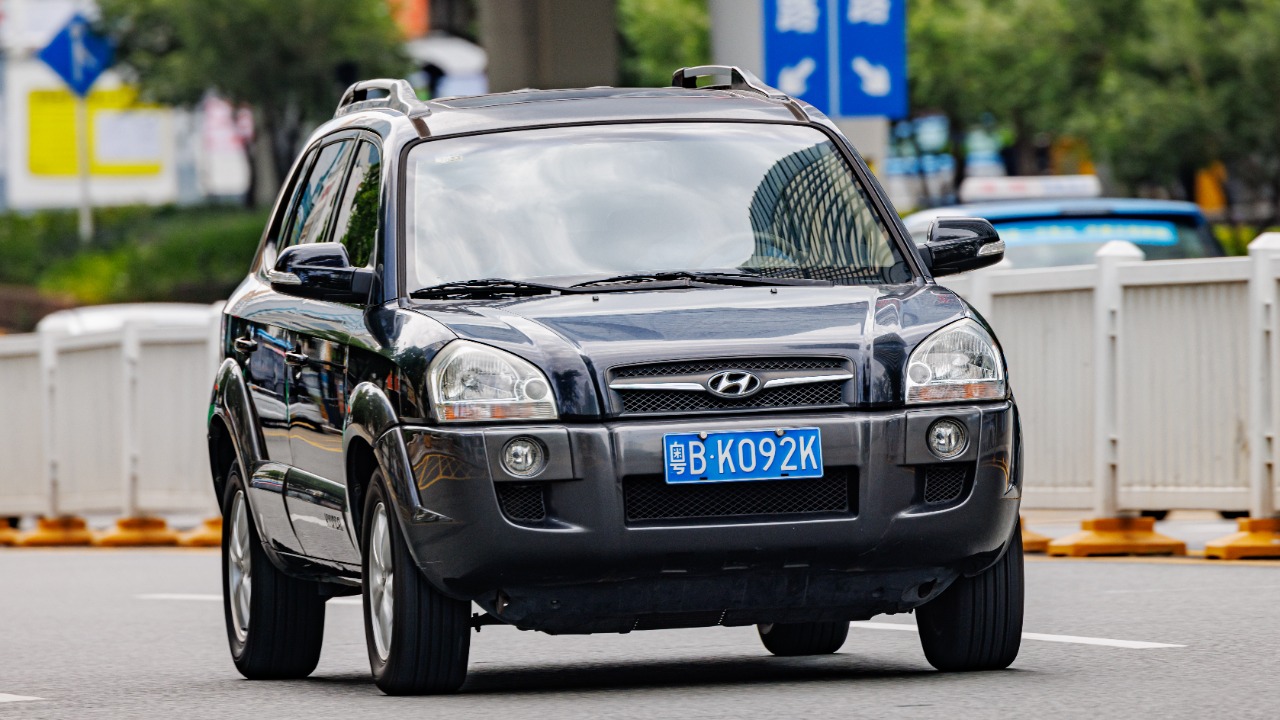
The Hyundai Tucson Fuel Cell, a hydrogen-fueled vehicle, is being removed from Canadian roads due to infrastructure challenges. While hydrogen fuel cell technology is promising in terms of sustainability, the lack of hydrogen refuelling stations in Canada makes it impractical for daily use. As a result, this model is being phased out until the infrastructure can catch up with the technology.
Certain Models of Ford Fiesta: Fire Risk
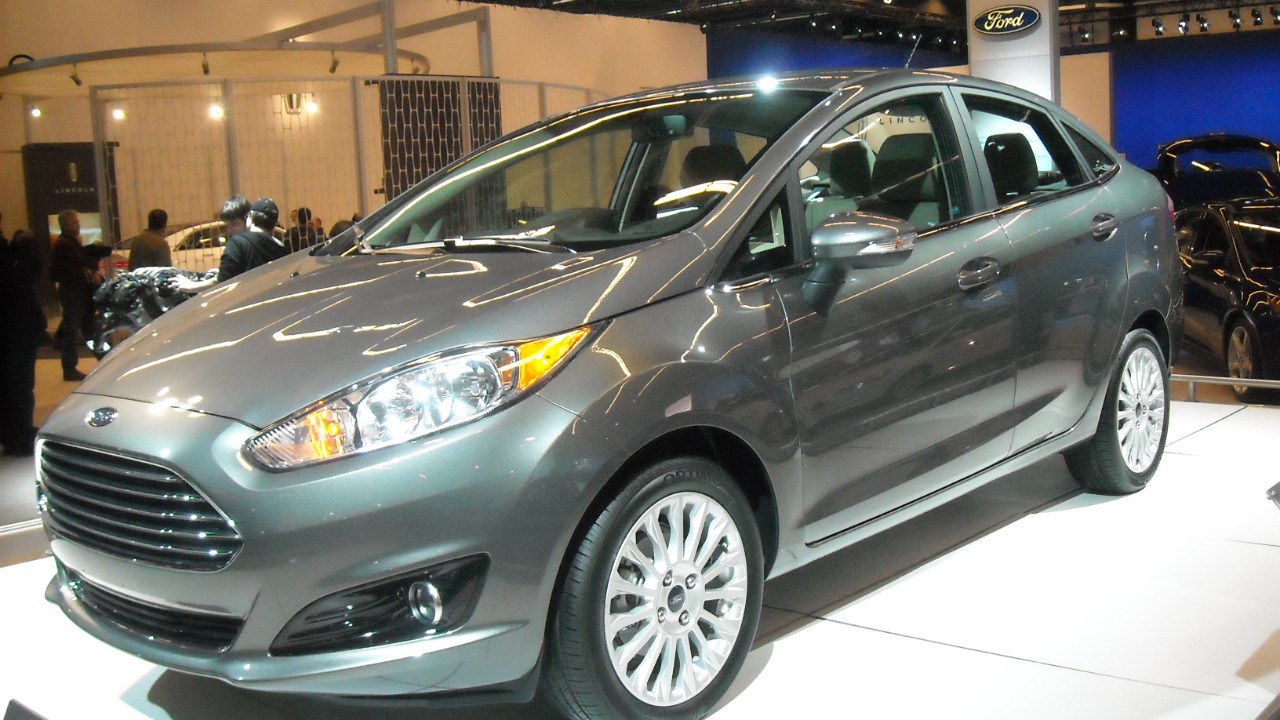
Some models of the Ford Fiesta, particularly those produced between 2011 and 2013, have been banned due to a fire risk. These models have a defect in the fuel tank that can lead to a leak, posing a significant fire hazard. Ford has issued a recall for these models and is working to repair the defect, but until then, they are not permitted on Canadian roads.
Chevrolet Bolt EV: Battery Defects
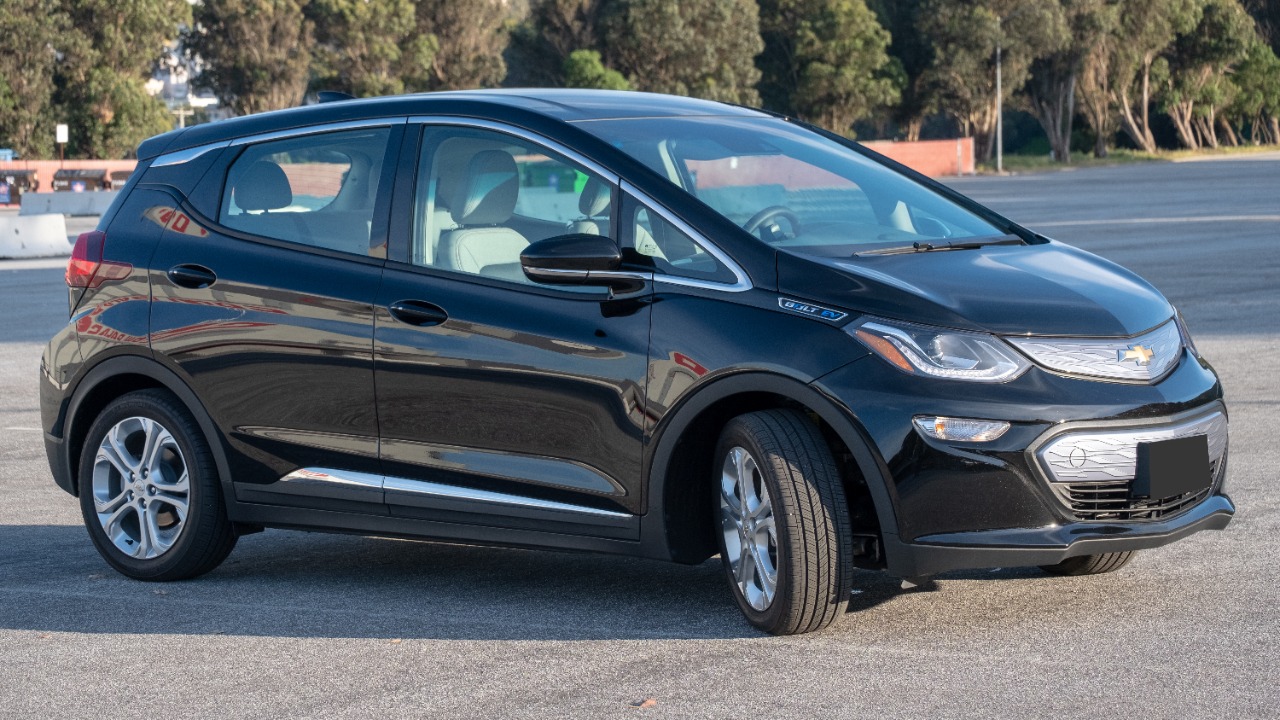
The Chevrolet Bolt EV, one of the most popular electric vehicles, is also on the ban list due to battery defects. There have been reports of the car’s battery catching fire, leading to a recall by Chevrolet. Despite being one of the top picks of 2025 by Consumer Reports, the safety issues have led to its removal from Canadian roads.
Nissan Leaf: Brake Defects
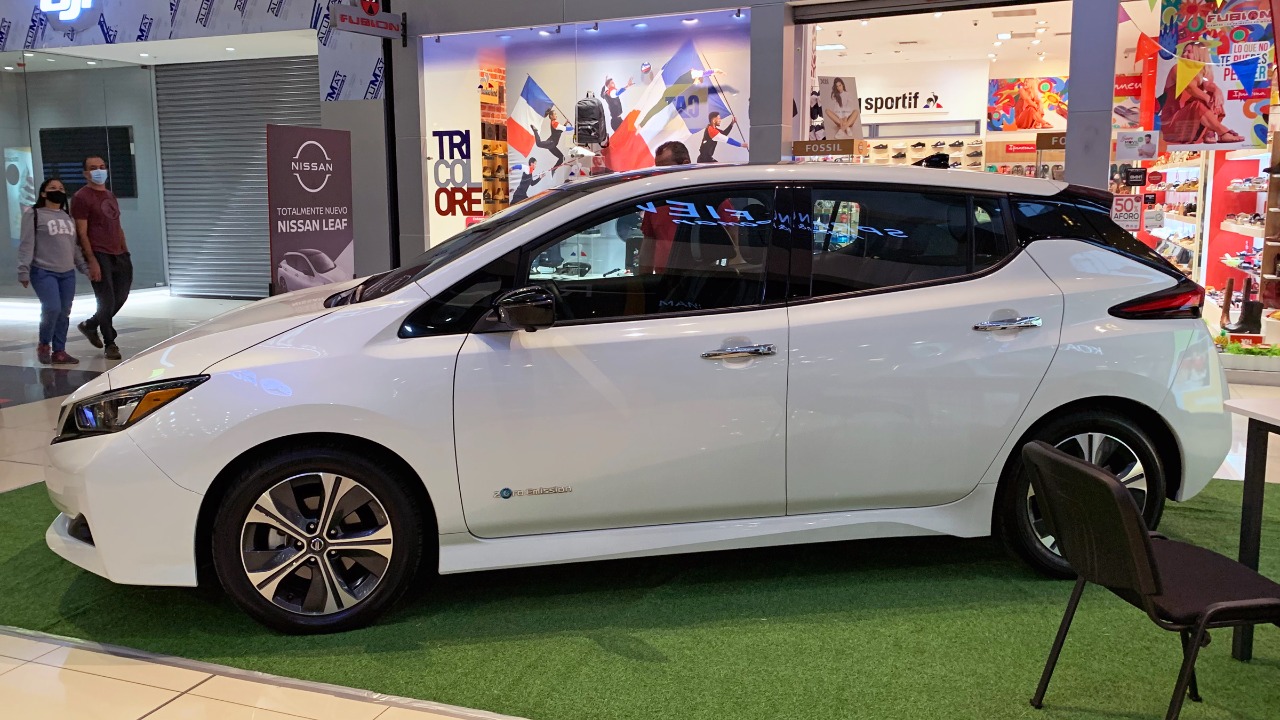
The Nissan Leaf, another popular electric vehicle, has been banned due to brake defects. The model has a software issue that can cause the brakes to fail, posing a significant risk to drivers. Nissan has issued a recall and is working on a fix, but until then, the Leaf is not allowed on Canadian roads.
These bans represent Canada’s commitment to road safety and environmental sustainability. While they may be inconvenient for drivers of these models, they are necessary steps towards safer and greener roads. As the auto industry continues to evolve, we can expect more changes in the future, including more stringent standards and regulations.
