
In the land down under, certain cars have become legends among enthusiasts but have faced the harsh reality of being banned from Australian roads. Whether due to emissions regulations, safety concerns, or compliance issues, these vehicles have been sidelined, leaving fans yearning for a drive. Here are six iconic cars that have been banned in Australia.
Nissan Skyline GT-R R34
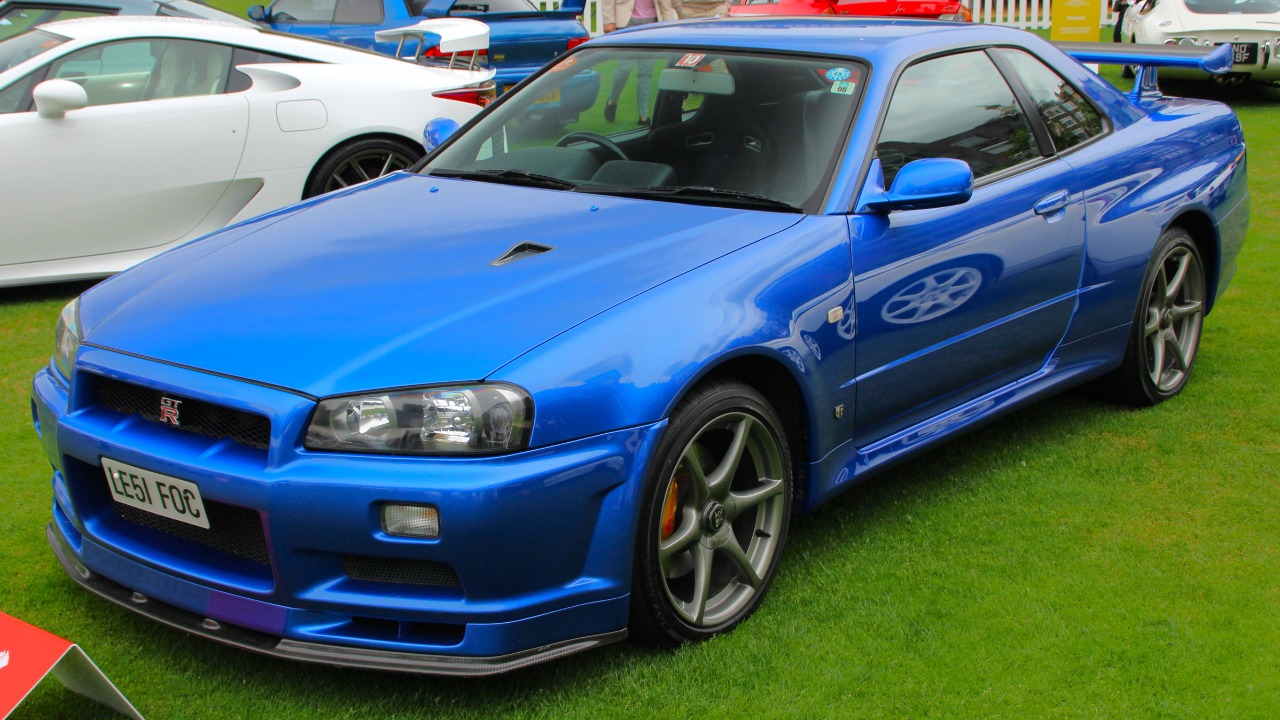
The Nissan Skyline GT-R R34 is revered for its formidable performance and cutting-edge technology. Unfortunately for fans, this model has been caught in the web of Australia’s stringent import regulations. The R34’s non-compliance with emissions and safety standards has led to its ban, making it a rare sight on Australian roads. Despite this, the car continues to captivate collectors who are willing to pay a premium for legal importation under strict conditions.
The Skyline’s ban highlights the challenges faced by enthusiasts seeking to bring classic Japanese sports cars into the country. While some R34s have been imported under the Special Interest Vehicle Scheme, they remain few and far between, adding to the allure and mystique of this legendary vehicle.
Mitsubishi Lancer Evolution VI
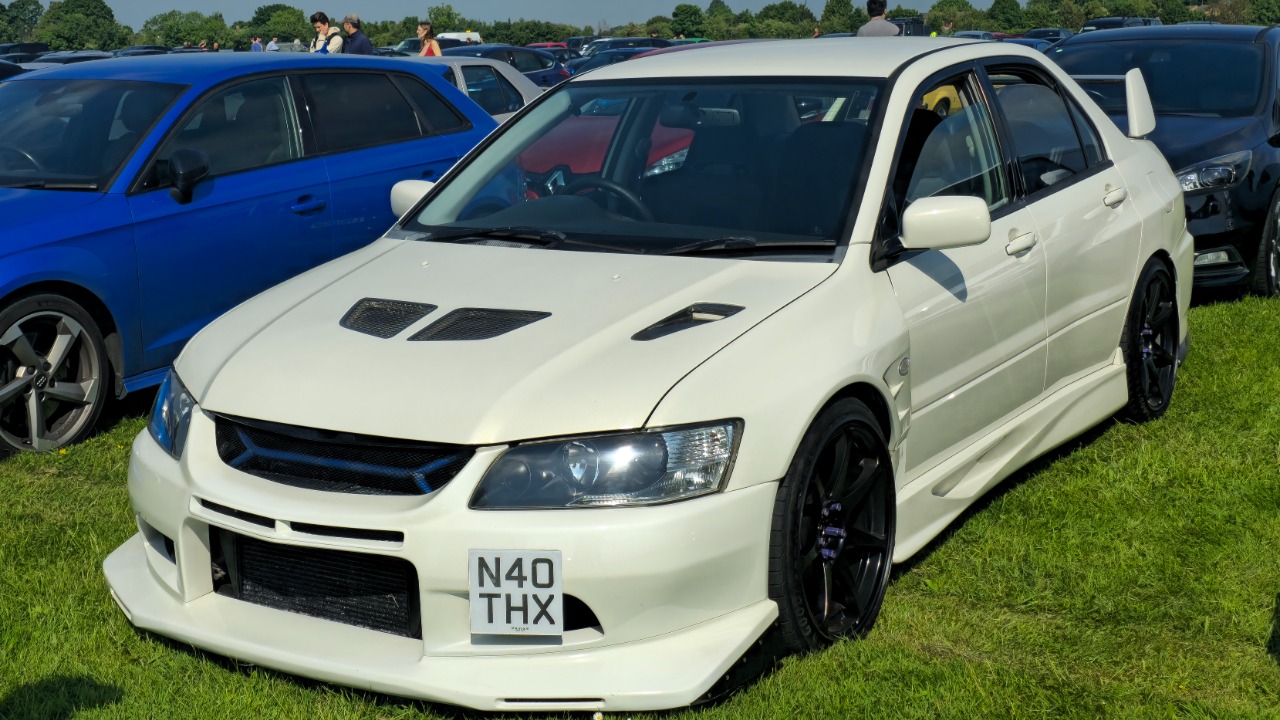
Known for its rally heritage, the Mitsubishi Lancer Evolution VI is a marvel of engineering. However, the car’s journey to Australia has been obstructed by safety and environmental regulations. The Evo VI’s failure to meet Australian Design Rules (ADRs) for emissions and safety standards has led to its exclusion from the market.
Despite its absence from new car showrooms, the Evo VI is celebrated among rally fans and collectors who cherish its performance capabilities. The car’s reputation as a rally legend continues to thrive, even as it remains a forbidden fruit for many aspiring owners in Australia.
Toyota Supra Mark IV
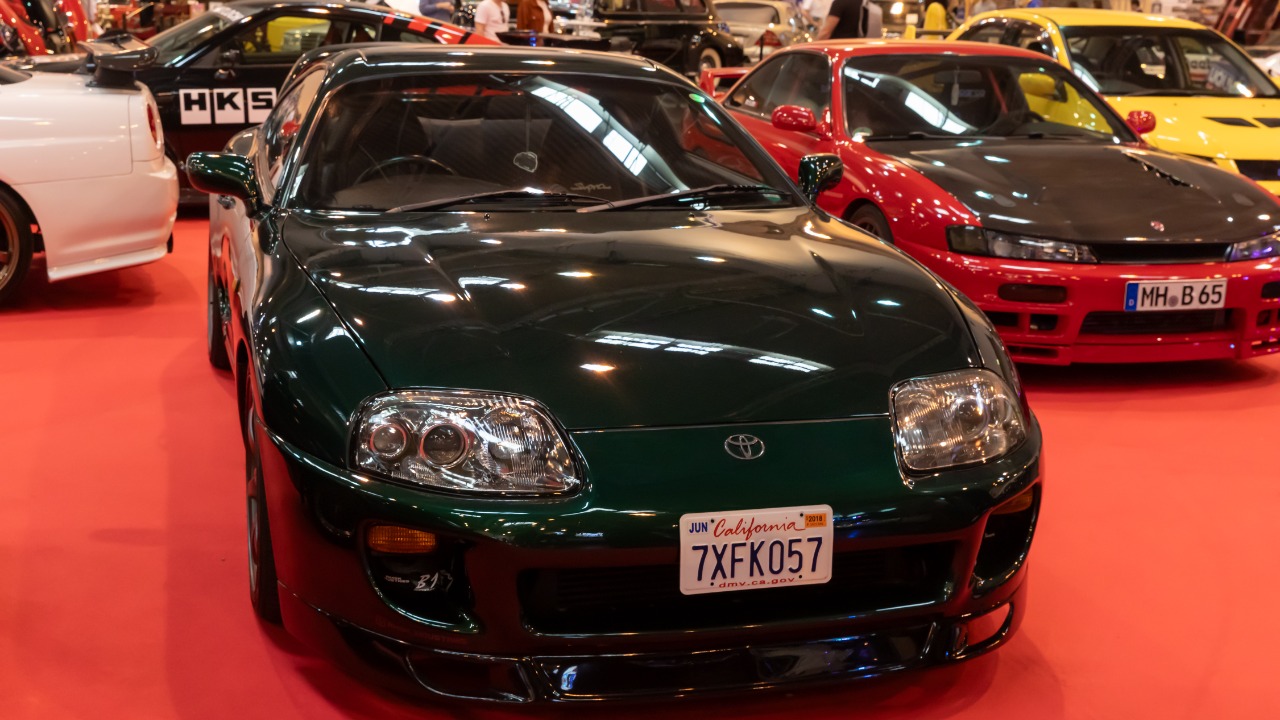
The Toyota Supra Mark IV is a name synonymous with high performance and sleek design. Unfortunately, this iconic model has been banned from Australian roads due to its non-compliance with local regulations. The Supra’s powerful engine and turbocharged performance put it in the crosshairs of emissions and safety standards.
While the new generation of Supras has made its way to Australia, the Mark IV remains a dream for many car enthusiasts. This ban has not diminished its popularity; instead, it has elevated the car to legendary status among collectors and fans worldwide.
Mazda RX-7 FD3S
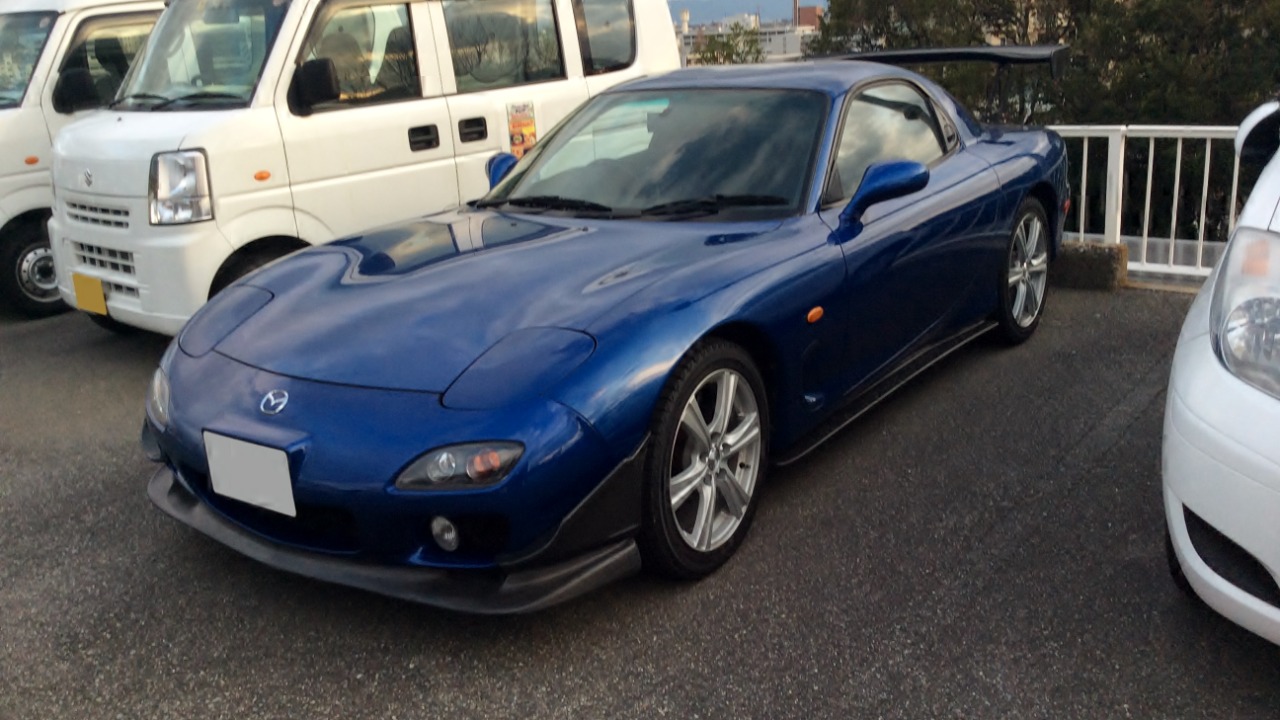
The Mazda RX-7 FD3S is often celebrated for its rotary engine and timeless design. However, Australia’s stringent compliance standards have led to the exclusion of this model from the market. The RX-7’s rotary engine, while innovative, did not meet the emissions standards required for modern vehicles in Australia.
Despite its absence from new car lots, the RX-7 maintains a strong following among car enthusiasts who appreciate its unique engineering. The car is a common sight at car shows and enthusiast gatherings, where it continues to impress with its styling and performance.
Subaru Impreza WRX STI 22B
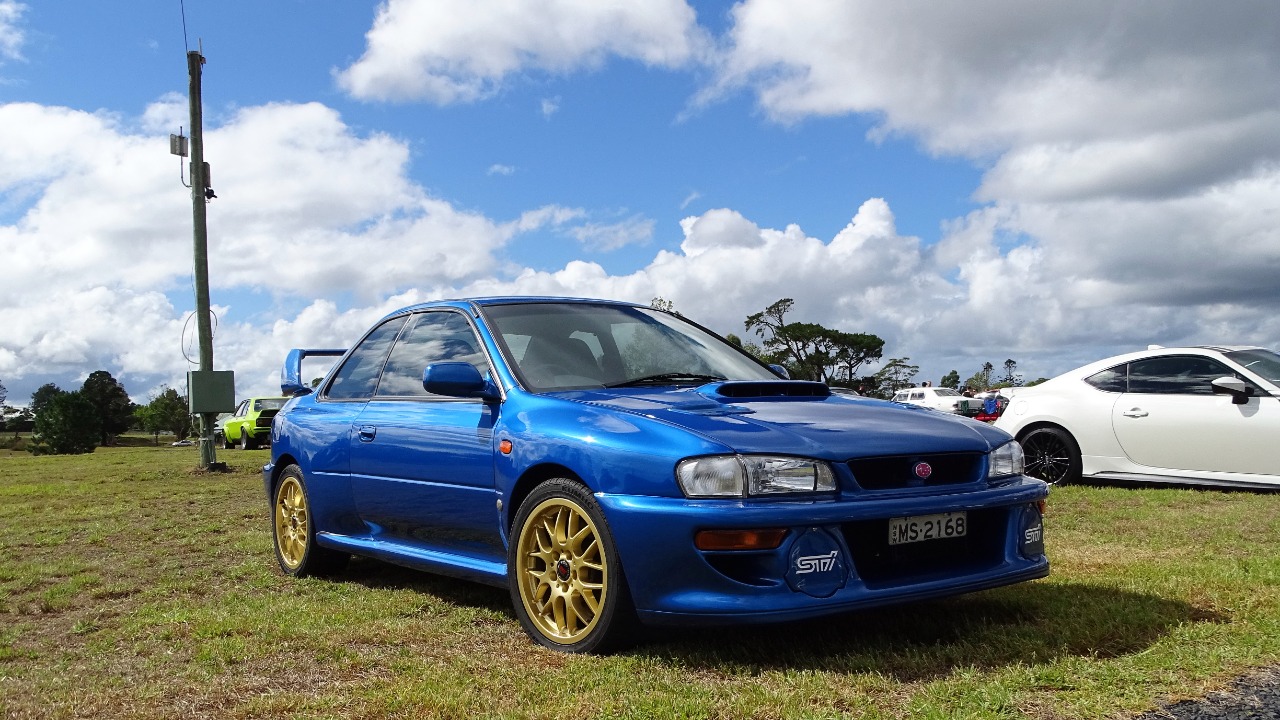
The Subaru Impreza WRX STI 22B is a rally-inspired machine that has captured the hearts of many. Unfortunately, its journey to Australia has been hindered by compliance regulations. The 22B’s non-compliance with emissions and safety standards has kept it from being legally imported into the country.
Collectors and rally fans alike hold the 22B in high regard, and its rarity only adds to its allure. As a result, the few models that find their way into the country are cherished and meticulously maintained by their owners.
Honda Integra Type R (DC2)
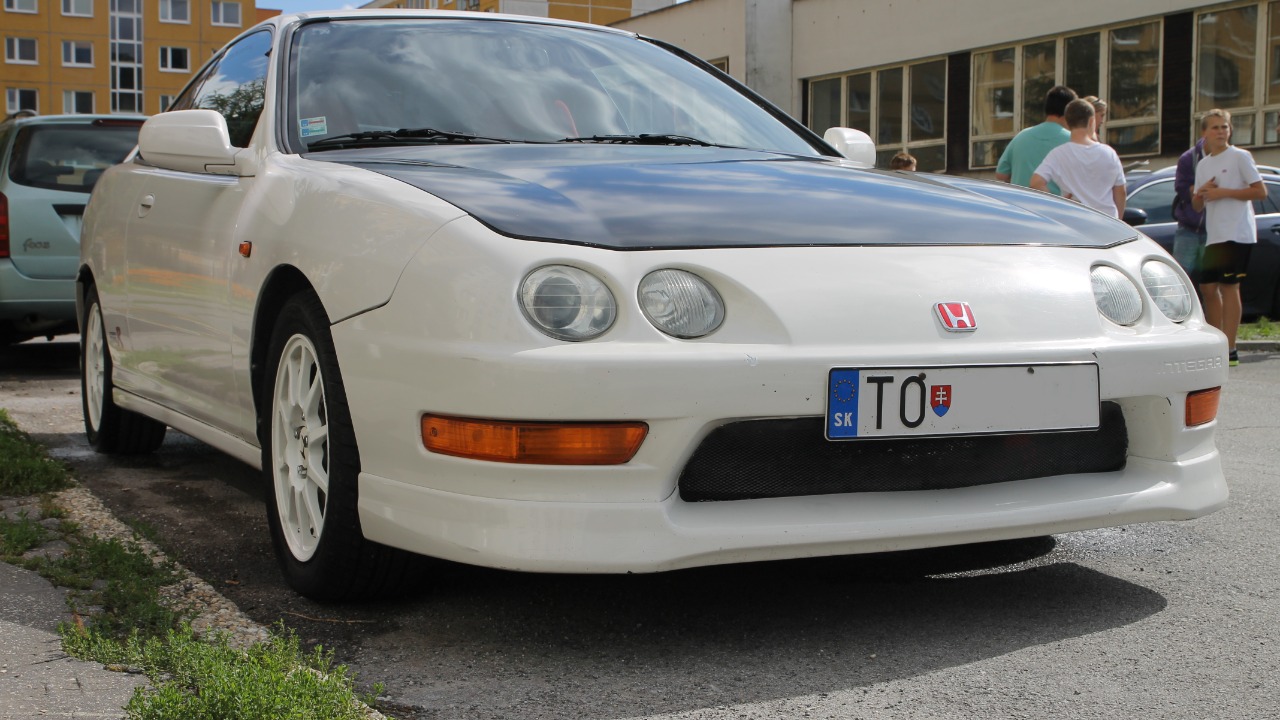
The Honda Integra Type R (DC2) is lauded for its precision and performance. However, its non-compliance with Australian emission and safety standards has resulted in its ban. The Type R’s high-revving engine and lightweight design made it a favorite among enthusiasts, but it struggled to meet the ever-evolving regulations.
Despite being banned, the Type R’s legacy lives on among fans who appreciate its engineering prowess and driving experience. The car’s impact on the automotive world remains significant, and it continues to inspire a new generation of performance vehicles. For those interested, the challenges of importing high-performance vehicles are a testament to the complex landscape of automotive regulations in Australia.
