
Volcanoes often evoke images of fiery eruptions and molten lava, but some conceal serene lakes within their craters. These hidden lakes are not only captivating due to their unique settings but also because of the stories and science surrounding them. Let’s take a look at five such volcanic wonders that house beautiful crater lakes.
Crater Lake, Oregon, USA
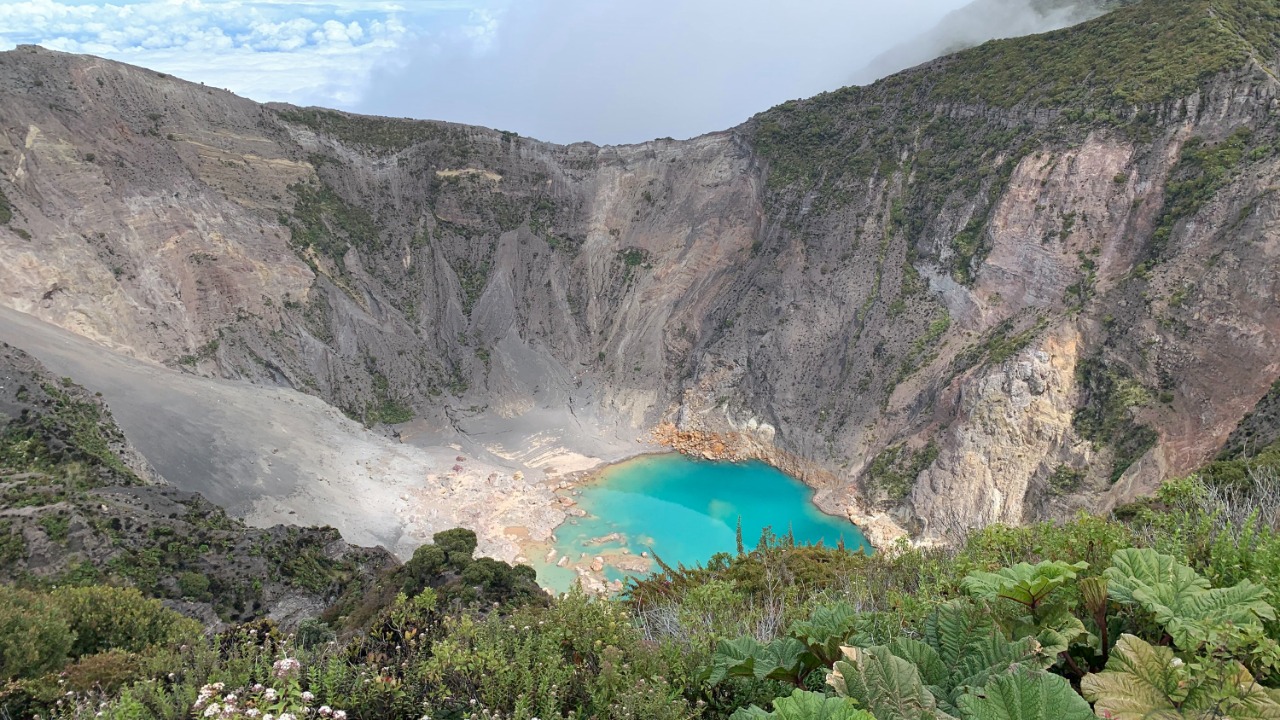
Crater Lake in Oregon is renowned for its deep blue color and remarkable clarity. Formed around 7,700 years ago by the collapse of Mount Mazama, it is the deepest lake in the United States. The lake is fed solely by rain and snow, with no inlets or outlets, maintaining its pristine condition. Its incredible depth and clarity make it a popular spot for scientific research and outdoor activities like hiking and boat tours.
Visitors can explore the surrounding Crater Lake National Park, which offers a variety of trails and viewpoints. The park is not just a paradise for nature lovers but also a geological wonderland, providing insights into the volcanic activity that shaped the region.
Mount Pinatubo, Philippines
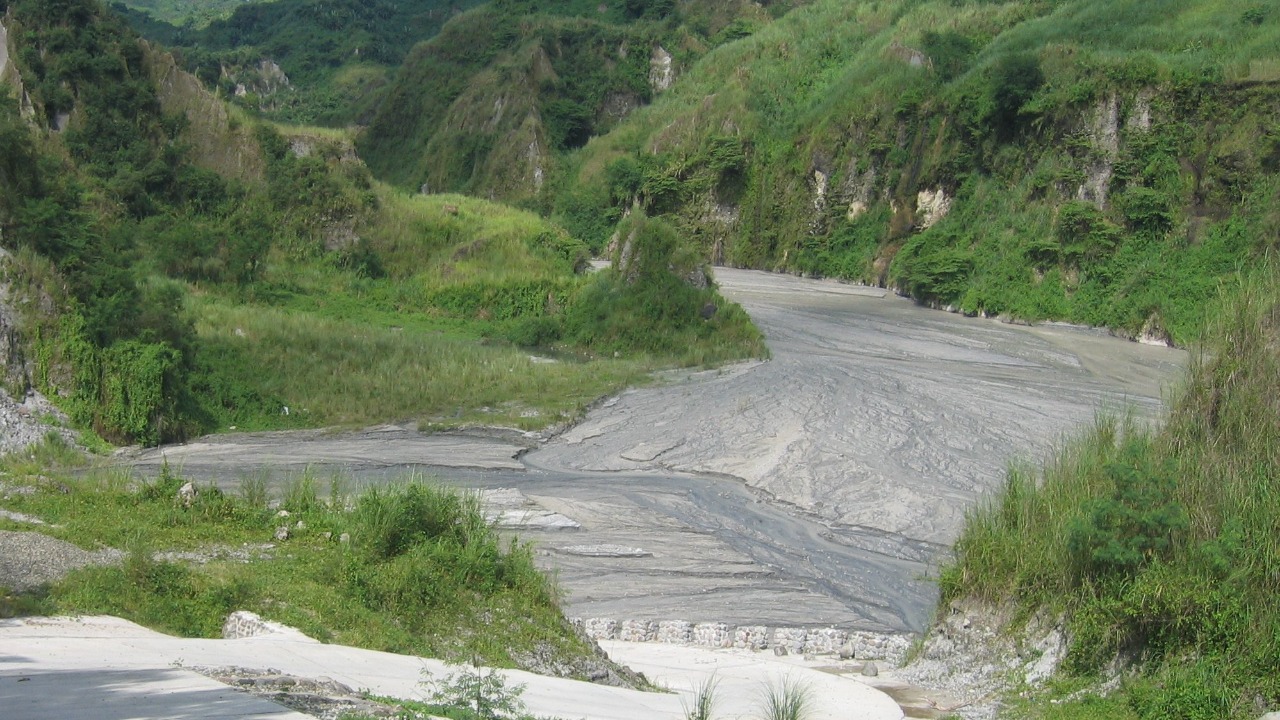
The 1991 eruption of Mount Pinatubo was one of the largest eruptions of the 20th century, leading to the formation of a stunning crater lake. The caldera, filled with turquoise water, is a striking contrast to the volcanic landscape surrounding it. The lake is accessible via a trek that passes through lahar fields and rugged terrain, offering adventurous travelers a chance to witness the power of nature firsthand.
Despite its beauty, the lake’s water level is carefully monitored, as heavy rainfall can cause the crater to overflow, posing a danger to nearby communities. Efforts to control the water level have included the construction of a drainage channel, ensuring the safety of residents while preserving this natural wonder.
Kelimutu, Indonesia
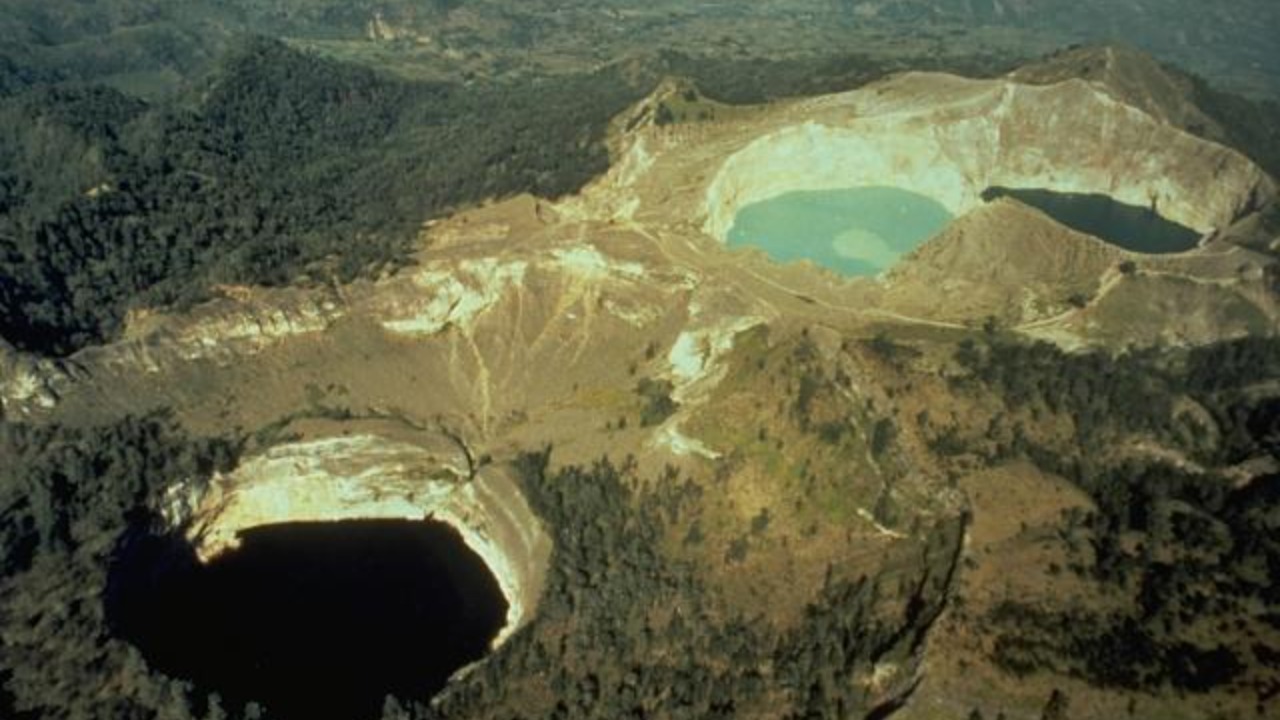
Kelimutu is famed for its three distinct crater lakes, each displaying a different color, which can change unpredictably. Located on the island of Flores, the lakes are influenced by volcanic gases and varying mineral content, resulting in a spectacular natural phenomenon. The colors range from turquoise and green to red and black, drawing visitors from around the globe who wish to witness this ever-changing spectacle.
The surrounding Kelimutu National Park is a haven for biodiversity, home to numerous endemic species and lush forests. The best time to visit is during sunrise, when the lakes are most vibrant, providing an unforgettable view that captivates all who venture there.
Ijen Crater, Indonesia
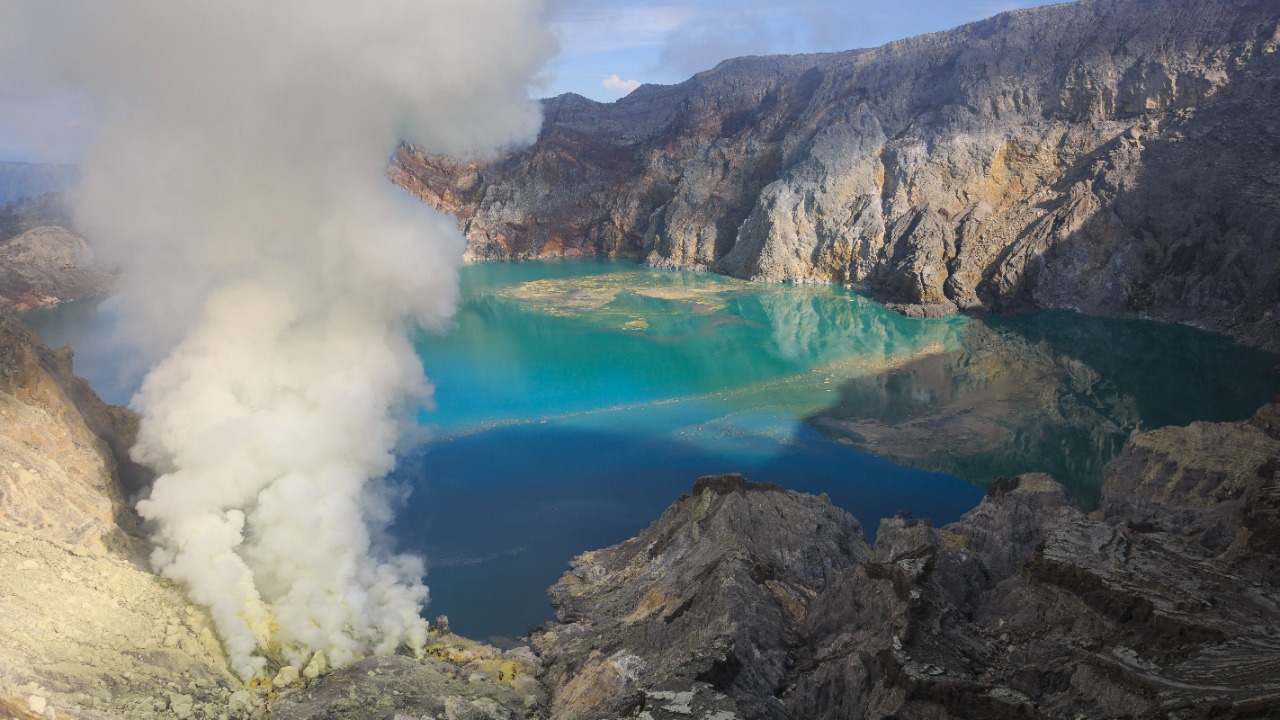
Known for its otherworldly blue flames, Ijen Crater in East Java is also home to a striking acid lake. The lake’s brilliant turquoise color is the result of high sulfur content and extreme acidity. Ijen is an active volcanic complex, and the mining of sulfur is a common activity here, where miners extract the yellow mineral from the crater’s walls.
Visitors can embark on a challenging hike to the crater to witness the blue flames, a natural phenomenon caused by the combustion of sulfuric gases. This unique sight, combined with the surreal lake, makes Ijen a must-visit for those seeking an extraordinary volcanic adventure.
Mount Ruapehu, New Zealand
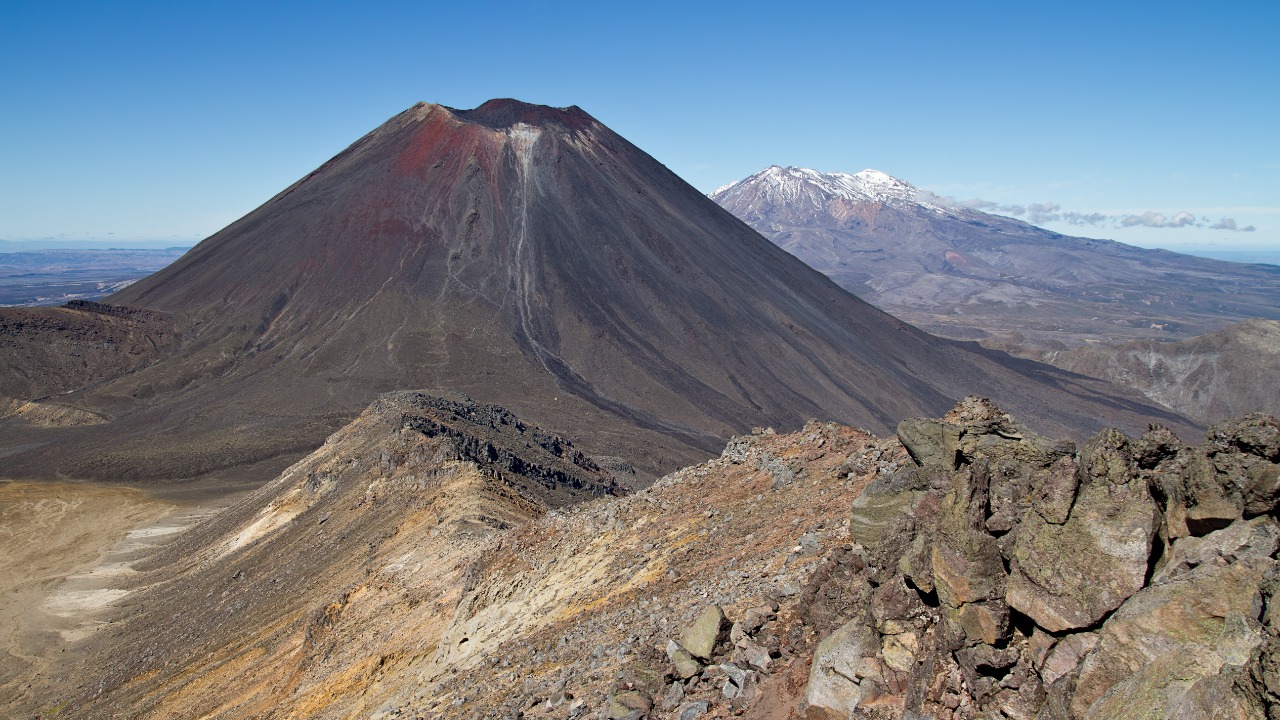
Mount Ruapehu, located in Tongariro National Park, is one of New Zealand’s most active volcanoes and boasts a stunning crater lake. Known as Te Wai ā-moe, the lake’s temperature and color can change dramatically due to volcanic activity. The lake is an integral part of the park, which is a UNESCO World Heritage site, celebrated for its cultural and natural significance.
In addition to its geological allure, Mount Ruapehu offers a range of outdoor activities, from skiing and snowboarding in the winter to hiking and climbing in the summer. The volcano’s dynamic landscape and the breathtaking beauty of the crater lake make it a popular destination for both adventure seekers and nature enthusiasts.
