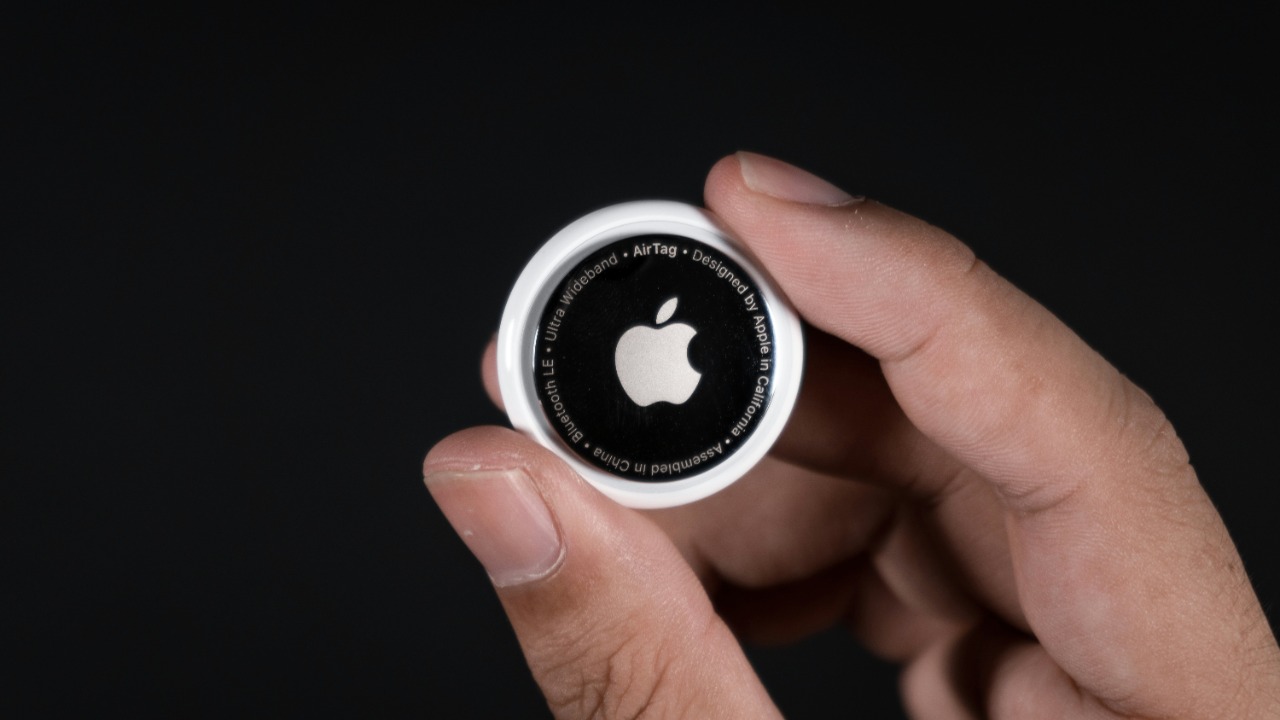

Apple’s AirTag is brilliant for keys and bags, but it is a poor fit for some of the most sensitive things people are tempted to track. When I look at privacy research, legal trends, and technical limits, five categories stand out as clear no‑go zones. Each one illustrates why treating AirTags as a universal tracker can backfire, from serious safety risks to avoidable legal trouble.
Tracking Other People Without Consent
Tracking other people without consent is the clearest example of how AirTags can cross the line from convenience into abuse. The broader guidance on things you should never track stresses that these devices are designed for objects, not for monitoring partners, exes, co‑workers, or strangers. A cybersecurity specialist quoted in coverage of privacy risks tied to Apple AirTags warned that a tool meant to help you find your wallet can “pose a threat in the wrong hands,” especially when it is hidden in a car or bag.
The legal fallout is already visible. One analysis of coercive control cases found that the use of GPS trackers in stalking and abuse rose by 317% in 2024, up from 52% in 2018, highlighting how location tech is being folded into patterns of harassment documented in legal fallout research. For victims, that surge translates into constant fear and the sense that there is no safe place to go. For anyone misusing an AirTag this way, it can mean criminal charges, restraining orders, and civil liability that far outweigh the gadget’s modest price.
Attaching to Small Pets or Animals
Attaching an AirTag to small pets or other animals might seem like a clever workaround when you lose a cat or dog, but the core guidance on tracking your pet with an AirTag is blunt: these trackers are tuned for inanimate items, not living beings. Experts point out that AirTags rely on nearby Apple devices to update location, so a dog that slips into a rural field or a cat hiding under a neighbor’s deck may not show up in time to matter. That delay undermines the very safety net owners think they are adding.
There are also welfare and hardware concerns. The battery compartment is not designed for chewing or scratching, and a determined animal could dislodge or damage it, creating a choking or ingestion hazard. Separate reporting on why you should not use an AirTag to track your pet notes that limited range and delayed updates make it a poor substitute for GPS collars that are purpose built, with stronger housings and continuous connectivity. For owners, the risk is a false sense of security at the exact moment they need reliable, real‑time data.
Exposing to Extreme Weather Conditions
Exposing an AirTag to extreme weather conditions is another misuse that undercuts reliability. The broader framework on dangerous location trackers explains that while AirTags are splash resistant, they are not engineered for prolonged submersion, heavy storms, or baking heat on a car roof. Electronics that sit for hours in freezing rain, snow, or a locked vehicle in summer can suffer battery drain, condensation damage, or enclosure failure, any of which can silently kill tracking just when you need it.
Environmental exposure also interacts with privacy. A tag stuck outside on a bike rack or trailer depends on passing iPhones to relay its position, so if bad weather keeps people indoors, the network that powers the Find My system thins out. Research that digs into safety alerts for Apple AirTags shows how the device’s behavior is tightly coupled to nearby devices and motion patterns. In harsh conditions, that ecosystem becomes less predictable, which means owners cannot assume the same responsiveness they see when an AirTag lives in a dry backpack or wallet.
Securing High-Value Items in Transit
Securing high‑value items in transit with an AirTag sounds smart at first, but it introduces its own security problems. The guidance on AirTag safety notes that these trackers are intentionally noisy from a privacy standpoint, with alerts and chimes designed to reveal their presence. That is good for people who do not want to be tracked, but it is bad if you are trying to hide a tag inside a camera case, luxury watch box, or high‑end gaming laptop to follow a thief.
Once a criminal hears the chirp or sees a warning on their iPhone, they can simply remove the AirTag, leaving you with no visibility and a false sense of protection. The same anti‑stalking features that protect bystanders also mean AirTags are not covert beacons for expensive shipments or collectibles. For businesses shipping high‑value goods, the stakes are obvious: relying on a consumer tracker instead of insured, monitored logistics can complicate claims and leave customers without recourse when something disappears in transit.
Monitoring Personal Devices Like AirPods on Yourself
Monitoring personal devices like AirPods on your own person with an AirTag can backfire by triggering unnecessary alerts and confusion. Apple’s ecosystem already treats AirPods as trackable items, and official guidance on what to do if you get an alert that an AirTag, set of AirPods, or other accessory is moving with you explains that AirTag is meant to help you with things like keys and luggage, not to duplicate tracking for gear that already lives in Find My. When you layer an AirTag on top of that, you add noise rather than clarity.
The mechanics behind those alerts are detailed in tutorials on how to disable “AirPods Found Moving With You”, which walk through the proximity notifications that appear when an unknown device seems to be traveling alongside you. If you strap an AirTag to your own AirPods case, you risk training yourself to ignore safety warnings that are meant to flag real stalking attempts. Combined with broader advice on what to do if you get an alert, the pattern is clear: let native device tracking handle personal electronics, and reserve AirTags for simple, non‑sensitive objects where extra alerts will not erode your trust in the system.
More from MorningOverview