
As smart homes become more common, so do the scams targeting their users. While technology offers convenience, it’s crucial to stay vigilant against potential threats. Here are five smart home scams you might not see coming, and how to protect yourself.
Phishing Attacks Disguised as Smart Device Updates
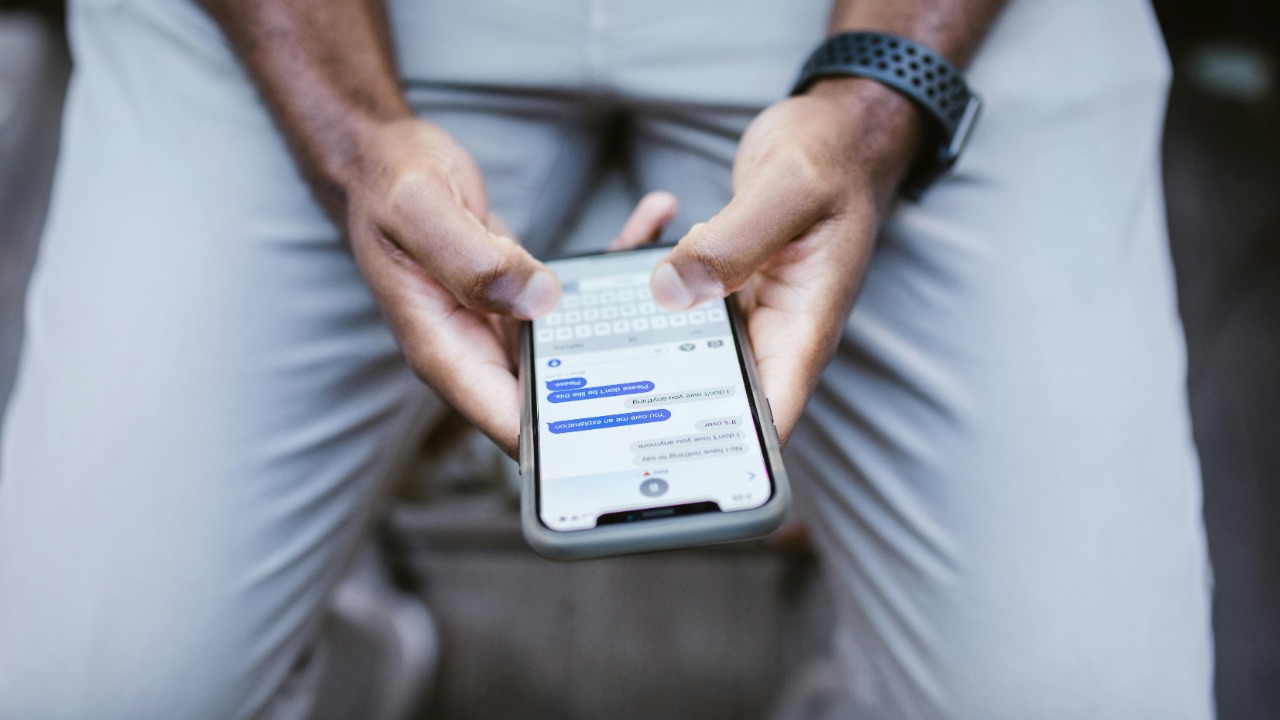
Phishing attacks are evolving, and smart home users are prime targets. Scammers send emails or messages that appear to be legitimate updates for smart devices. These communications often include links leading to fake websites designed to steal your credentials or download malware onto your system.
Always verify the source of an update by visiting the official website or using the device’s dedicated app. For more insights on online security, visit this research study.
Fake Tech Support Calls Targeting Smart Home Users

Imagine receiving a call from someone claiming to be tech support for one of your smart home devices. They might assert that there’s an urgent issue needing immediate attention. These unwanted calls are often scams, aiming to extract personal information or payment.
It’s important to hang up and contact the company directly through official channels if you suspect a call is fraudulent.
Counterfeit Smart Home Devices Sold Online
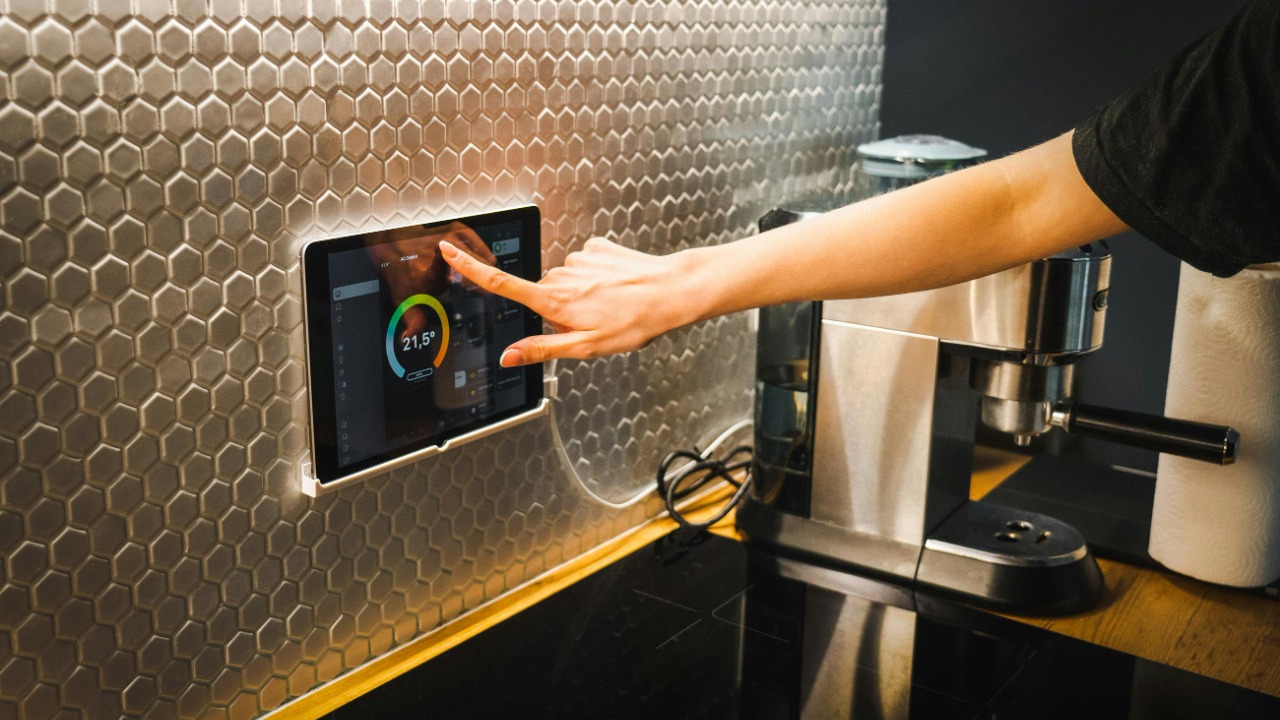
Counterfeit products are not limited to luxury items; they’ve found their way into the smart home market. Fake devices often lack essential security features, leaving your home network vulnerable to attacks. When purchasing smart home gadgets, stick to reputable sellers and read user reviews.
The home automation community on Reddit can be a helpful resource for identifying legitimate products and vendors.
Malicious Apps Posing as Smart Home Controllers

Smart home devices often rely on apps for control, making them a target for cybercriminals. Malicious apps can disguise themselves as legitimate controllers, tricking users into downloading them. Once installed, these apps can steal data or gain unauthorized access to your devices.
Ensure you download apps only from official app stores and check developer reviews. This guide on avoiding scams can offer additional tips for staying safe online.
Wi-Fi Network Spoofing to Access Smart Home Systems

Wi-Fi network spoofing, or “evil twin” attacks, involve creating a fake network that resembles your home Wi-Fi. Unsuspecting users may connect, giving attackers access to their network and devices. To prevent this, use strong network passwords and enable encryption.
Regularly update your router’s firmware and consider using a VPN for an added layer of security. For more on privacy and security in smart homes, check out this detailed study.
