
Flying cars have captured the imagination of innovators and dreamers for decades, yet misconceptions about their feasibility and potential impact persist. Myths continue to swirl around their imminent arrival, capabilities, and safety. As we explore these myths, it becomes clear that flying cars face significant technological, regulatory, and societal hurdles before they become a reality.
The Myth of Imminent Mass Adoption
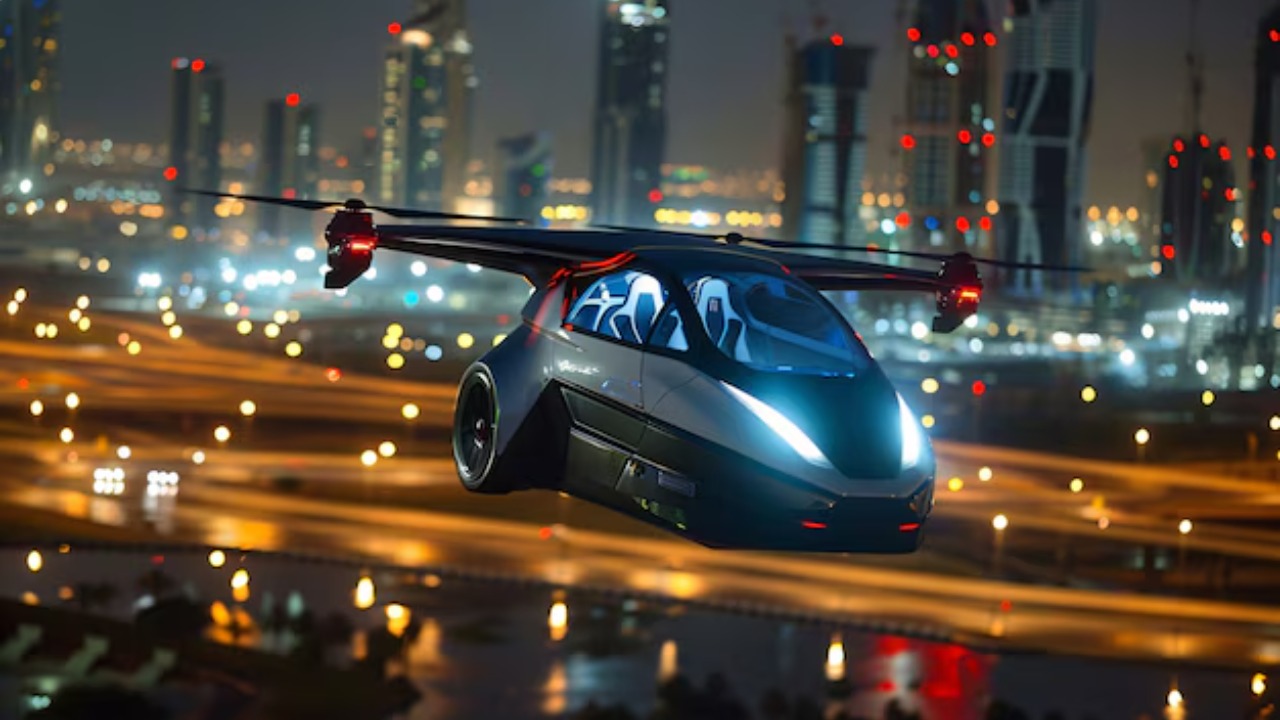
The notion that flying cars are on the verge of mass adoption is one of the most prevalent myths. While prototypes and concept vehicles have been showcased at various tech expos, the technological readiness of flying cars remains a significant barrier. Many of these prototypes are still in the experimental phase, lacking the scalability required for mass production. The transition from prototype to a vehicle suitable for public use involves overcoming numerous engineering challenges that are yet to be resolved.
Another major hurdle is the complex regulatory landscape. Unlike traditional vehicles, flying cars would need to comply with both aviation and automotive regulations, requiring a comprehensive framework that currently does not exist. Agencies would need to collaborate globally to develop standards that ensure the safety and reliability of these vehicles, which is a time-consuming process.
Infrastructure challenges further complicate the picture. The development of vertiports, which are essential for takeoffs and landings, is still in its infancy. Additionally, creating an effective air traffic management system for urban environments is a monumental task. Without these critical infrastructures, the vision of flying cars seamlessly integrating into our daily lives remains distant.
Flying Cars Will Solve Traffic Congestion
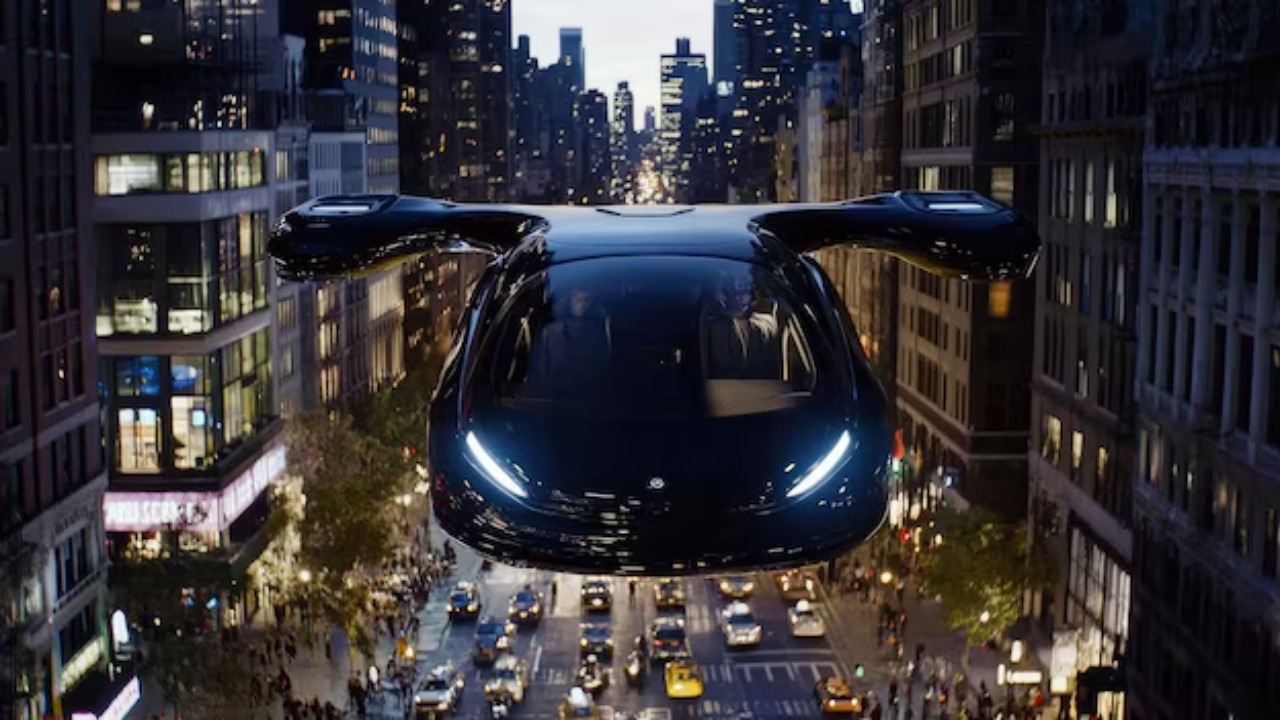
Another myth suggests that flying cars will be the ultimate solution to traffic congestion. However, the reality is far more complex. Introducing flying cars into urban environments would require a sophisticated urban air traffic management system. This system would need to coordinate not only the flights of these vehicles but also their integration with existing airspace used by aircraft. Without careful planning, the addition of flying cars could actually complicate airspace management and potentially worsen congestion.
The capacity of flying cars to handle large volumes of passengers is another limitation. Unlike ground transportation systems, which can accommodate hundreds of passengers at a time, most flying car designs are limited to small numbers of occupants. This discrepancy between capacity and demand suggests that flying cars are unlikely to significantly reduce traffic congestion in densely populated areas.
Moreover, the environmental impact of a widespread flying car network is a crucial consideration. The energy requirements for vertical takeoff and landing are substantial, raising questions about the sustainability of these vehicles. Without advances in energy-efficient technologies, the dream of flying cars resolving traffic woes remains a challenging proposition.
Affordability for the Average Consumer
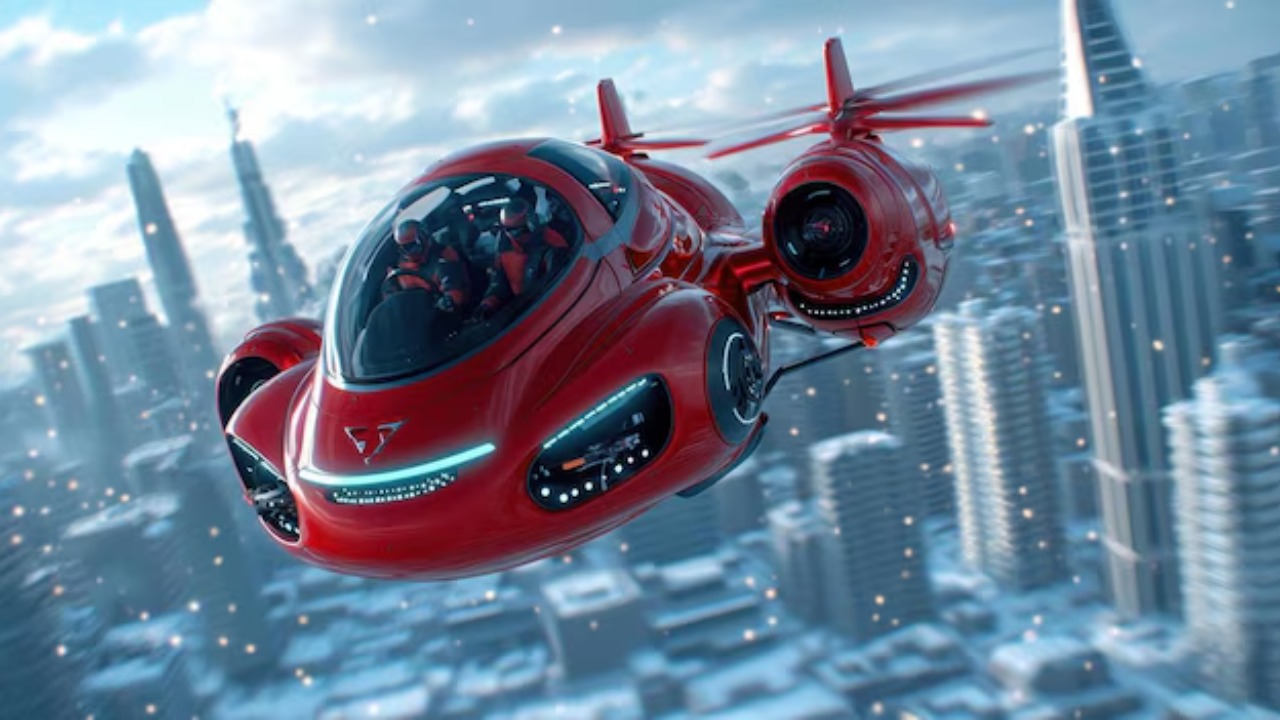
Many people envision flying cars as a future staple of personal transportation, but the high costs associated with their development and manufacturing present a significant barrier. The sophisticated technology required for safe and efficient operation, including advanced navigation systems and specialized propulsion systems, drives up production costs. Consequently, the price point for flying cars is likely to remain out of reach for the average consumer in the near future.
In addition to the initial purchase price, the ongoing costs of insuring and maintaining flying cars are expected to be high. The complexities of these vehicles, combined with their operation in a three-dimensional space, introduce new risks that could drive up insurance premiums. Maintenance costs are also likely to be steep, as specialized parts and services will be necessary to keep these vehicles operational.
These financial barriers could potentially exacerbate existing economic disparities. Flying cars may end up being accessible only to a privileged minority, leaving the majority of the population reliant on traditional modes of transportation. As a result, the advent of flying cars might widen the gap between different socioeconomic groups rather than democratize personal transport.
Safety Concerns Are Overblown
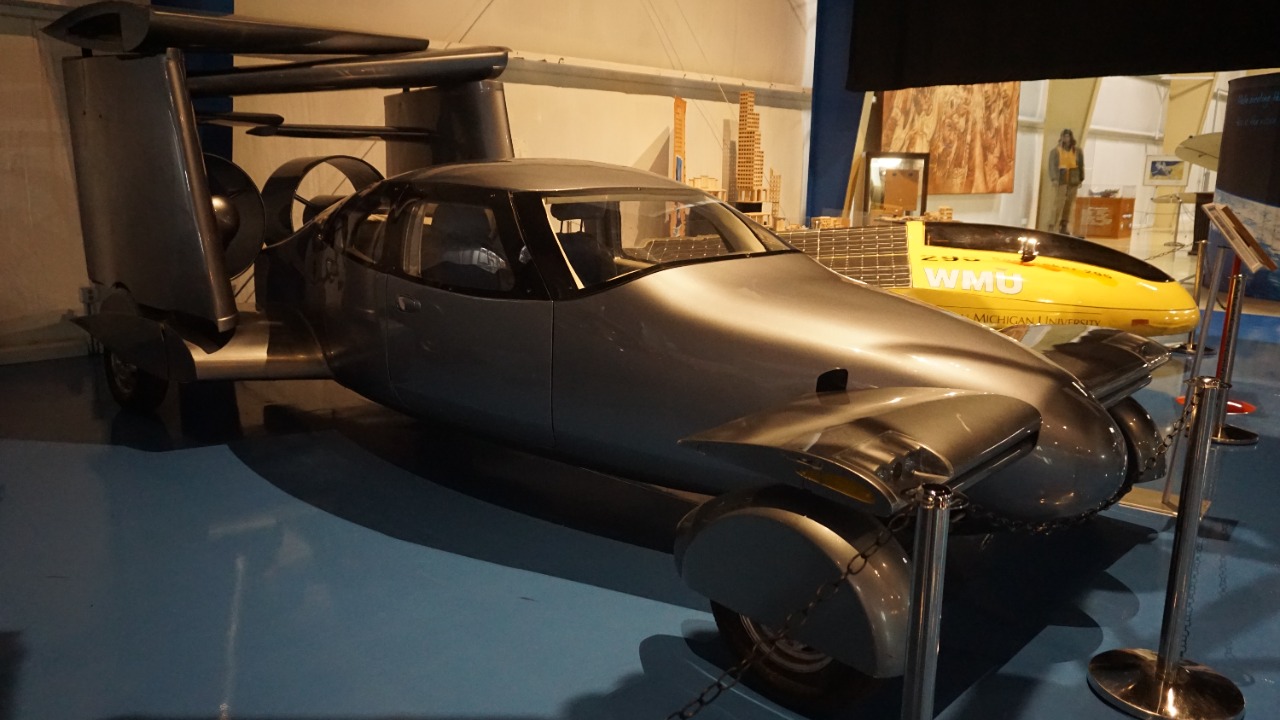
Safety is a paramount concern with any new mode of transportation, and flying cars are no exception. While some may downplay the risks, the potential for accidents at high altitudes introduces new challenges. Ensuring passenger safety will require rigorous safety testing and the establishment of stringent standards. The complexity of operating a flying car, especially in urban environments, raises the stakes for both manufacturers and potential users.
The risks associated with technical failures cannot be overstated. Unlike traditional vehicles, flying cars operate in a dynamic and less forgiving environment. Any technical malfunction could result in catastrophic outcomes, necessitating failsafe mechanisms and redundancy systems that are still under development. This underscores the need for comprehensive safety protocols and extensive testing before flying cars can be considered safe for public use.
Human factors also play a significant role in the safety equation. The operation of flying cars involves a higher level of complexity compared to traditional vehicles, increasing the likelihood of human error. As a result, autonomous systems and advanced training for operators will be essential components in mitigating these risks and ensuring the safe integration of flying cars into our transportation networks.
Flying Cars Will Replace Traditional Automobiles
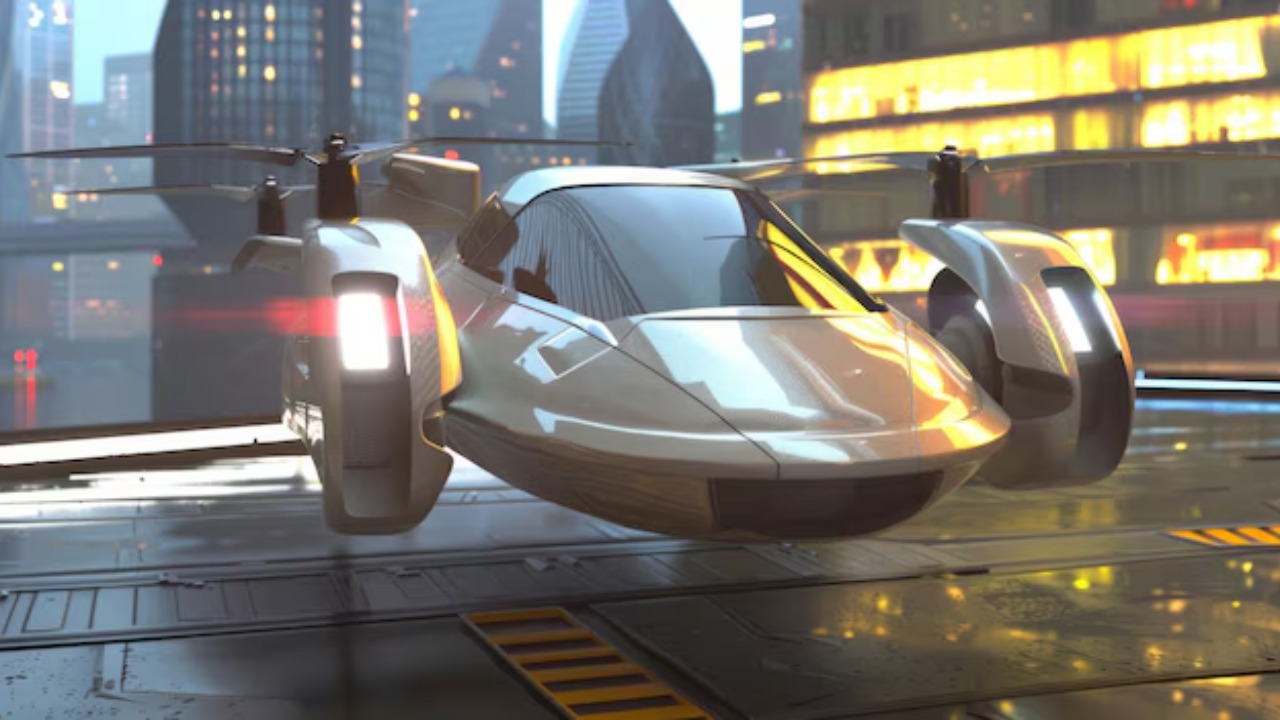
The idea that flying cars will eventually replace traditional automobiles is another common misconception. In reality, flying cars are more likely to serve as a complement to existing transportation methods. Their use cases may be more suited to specialized applications, such as emergency services, where rapid response times are crucial, or in connecting remote areas where traditional infrastructure is lacking.
Market segmentation will play a significant role in determining the adoption of flying cars. Rather than becoming a ubiquitous mode of transport, flying cars may find their niche in specific markets. For instance, they could be valuable in regions with challenging terrain or limited transportation options, providing a viable alternative where ground-based vehicles fall short.
Integrating flying cars into daily life would require significant cultural and lifestyle changes. Urban planning would need to adapt to accommodate new infrastructure, and individuals would need to adjust to the concept of three-dimensional travel. While flying cars hold promise for certain applications, their widespread adoption would require a paradigm shift in how we perceive and interact with transportation technologies.
