
Archaeologists have uncovered a 2,700-year-old temple in Turkey featuring a ‘sacred cave’ as a central element. This ancient structure may have been constructed to honor the ‘mother goddess’, a significant deity in regional mythologies. The discovery, reported on October 6, 2025, offers new insights into prehistoric religious practices in the area. [Source]
Discovery Site and Context
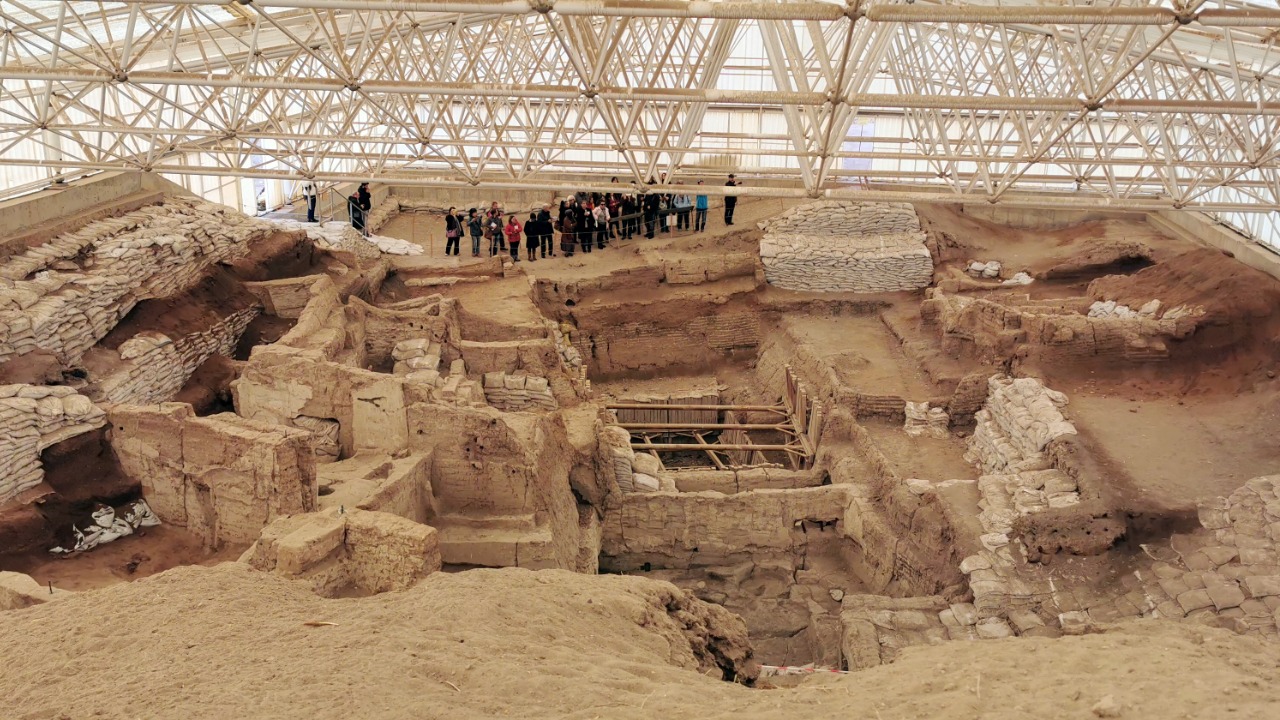
The temple was discovered in Turkey, a country rich with historical and cultural significance, particularly in the context of ancient civilizations. The precise location of the temple within Turkey has not been disclosed, but its discovery adds to the understanding of the region’s archaeological landscape. The excavation process that led to the unearthing of this site involved meticulous digging and analysis, revealing initial findings that prompted further investigation. These findings included artifacts and structural elements that hinted at the temple’s age and purpose.
Dating methods applied to the artifacts and structures have confirmed the temple’s age as precisely 2,700 years old. This dating is crucial as it places the temple within a specific historical context, allowing researchers to better understand the religious and cultural practices of the time. The discovery process itself was a testament to the careful and systematic approach taken by archaeologists to uncover and preserve such an important piece of history.
The region where the temple was found is known for its rich tapestry of ancient cultures, including the Hittites, Phrygians, and Lydians, each contributing to the area’s complex historical narrative. This context provides a backdrop for understanding the temple’s significance, as these civilizations often shared and adapted religious practices and architectural styles. The discovery of the temple adds a new layer to this historical mosaic, offering potential insights into how these cultures might have interacted or influenced one another.
Furthermore, the archaeological team employed advanced technologies such as ground-penetrating radar and 3D mapping to ensure a comprehensive understanding of the site before excavation. These methods allowed for a non-invasive exploration of the area, preserving the integrity of the site while providing detailed information about the temple’s layout and surrounding features. Such technologies are increasingly vital in modern archaeology, enabling researchers to uncover and analyze ancient structures with greater precision and care.
Architectural Highlights
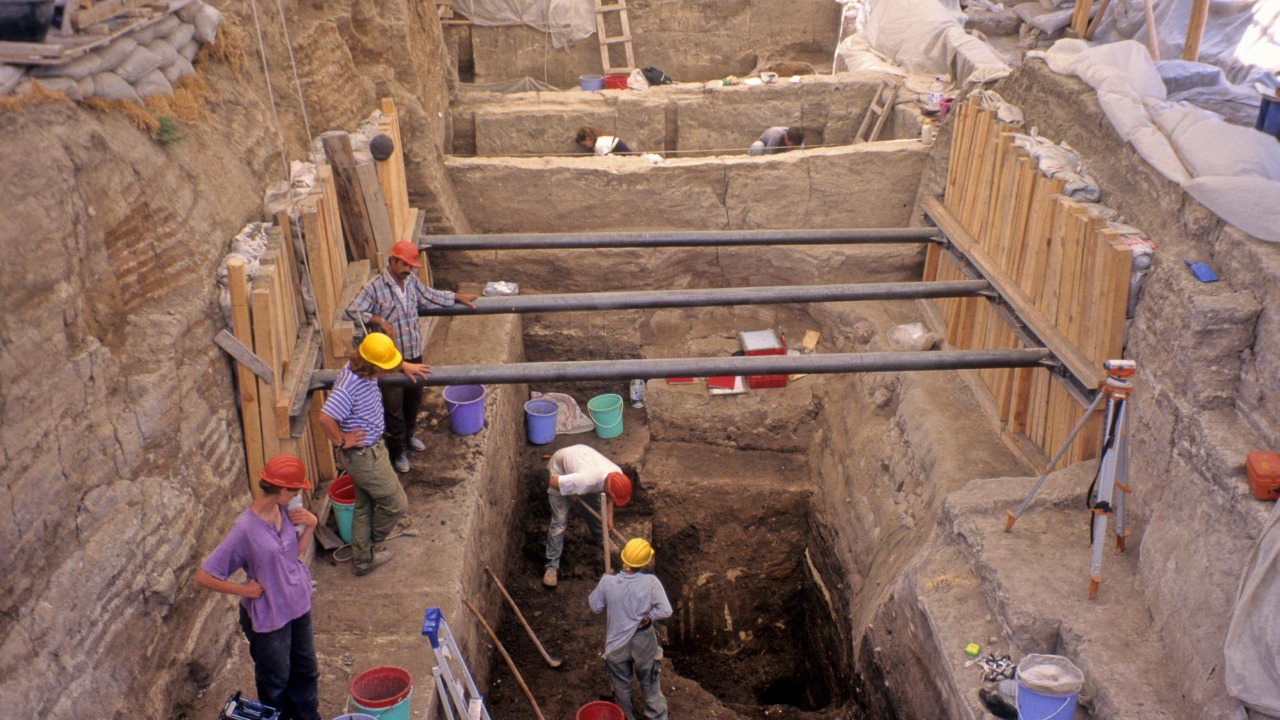
The ‘sacred cave’ is a central feature of the temple, playing a significant role in its layout and potential ritual uses. The cave’s presence suggests that it may have been used for religious ceremonies or as a place of worship, possibly dedicated to the ‘mother goddess’. Its integration into the temple’s design highlights the importance of natural features in ancient religious architecture, where such elements were often seen as sacred or imbued with spiritual significance.
The overall structure of the temple includes a combination of building materials that were likely sourced locally, reflecting the architectural practices of the time. The temple’s size and its integration with the surrounding natural landscape suggest a harmonious relationship between the built environment and nature, a common theme in ancient religious sites. This integration not only served practical purposes but also reinforced the spiritual connection between the worshippers and their deities.
The temple’s architectural design reflects a sophisticated understanding of both engineering and aesthetics, indicative of the advanced skills possessed by its builders. The use of local stone and other materials not only demonstrates resourcefulness but also suggests a deep connection to the land, as these materials were likely chosen for their symbolic or spiritual significance. The craftsmanship evident in the temple’s construction points to a society that valued both functionality and beauty in their sacred spaces.
In addition to the sacred cave, the temple may have included altars, ceremonial platforms, or other features typical of religious sites from this period. These elements would have facilitated various rituals and ceremonies, underscoring the temple’s role as a focal point for communal worship and spiritual gatherings. The integration of these features into the natural landscape further emphasizes the harmonious relationship between the built environment and the natural world, a hallmark of ancient religious architecture.
Religious Significance
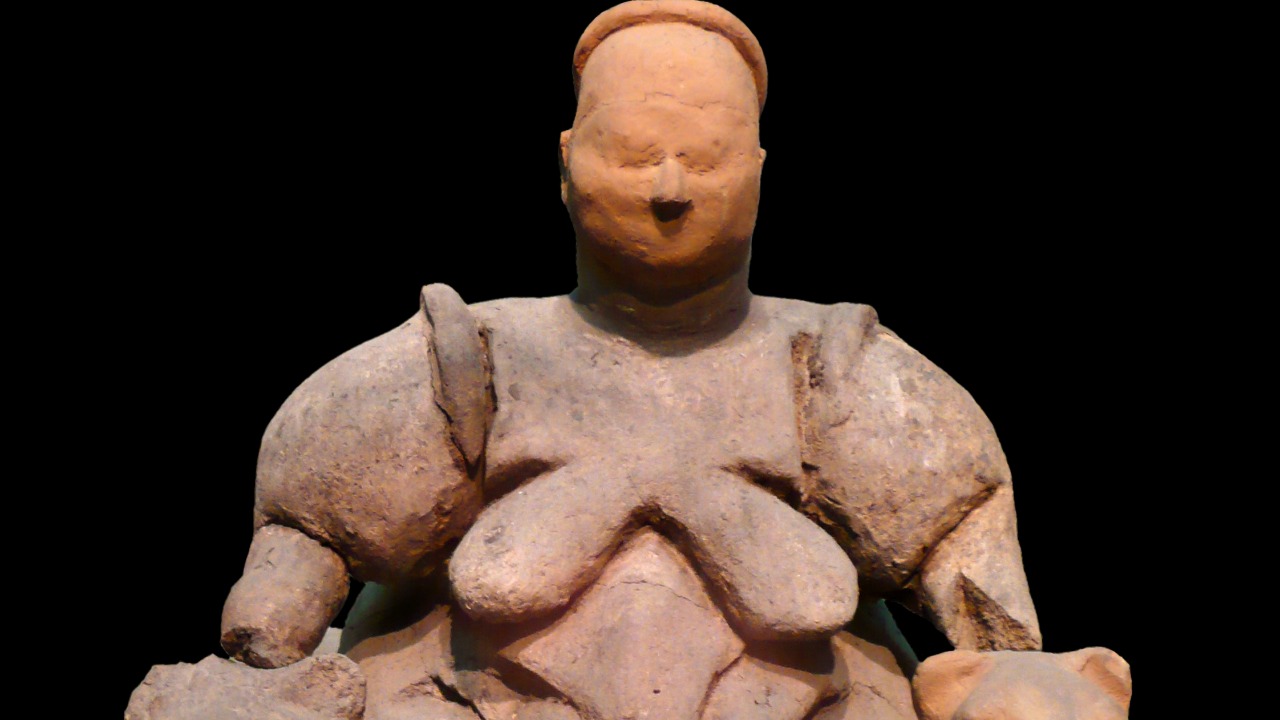
Evidence suggesting that the temple may honor the ‘mother goddess’ includes symbolic artifacts and inscriptions found on site. These findings provide clues about the religious beliefs and practices of the people who built and used the temple. The ‘mother goddess’ was a prominent figure in ancient mythologies, often associated with fertility, earth, and creation, making her a central figure in many religious traditions.
The ‘sacred cave’ within the temple likely played a crucial role in worship practices tied to fertility or earth deities. Such practices were common in ancient Turkish cultures, where natural features like caves were often seen as portals to the divine. The cave’s function in these rituals underscores its importance as a sacred space within the temple complex.
Comparing this site to similar temples in the broader Anatolian region reveals common themes and practices in the worship of the ‘mother goddess’. These comparisons help to contextualize the temple within a larger framework of ancient religious architecture and provide insights into the cultural exchanges and influences that shaped these practices.
The artifacts discovered at the site, including pottery, figurines, and tools, provide further evidence of the temple’s religious function. These items, often intricately decorated with motifs associated with fertility and nature, suggest that the temple was a center for rituals celebrating life and creation. Such practices were integral to the spiritual life of ancient communities, reflecting their reverence for the forces of nature and the divine.
Inscriptions found within the temple offer additional clues about the religious beliefs of its builders. These texts, possibly written in ancient Anatolian scripts, could reveal prayers, hymns, or dedications to the ‘mother goddess’, providing a direct link to the spiritual practices of the time. The study of these inscriptions is ongoing, with researchers hoping to decode their meanings and gain deeper insights into the religious and cultural context of the temple.
Implications for Archaeology
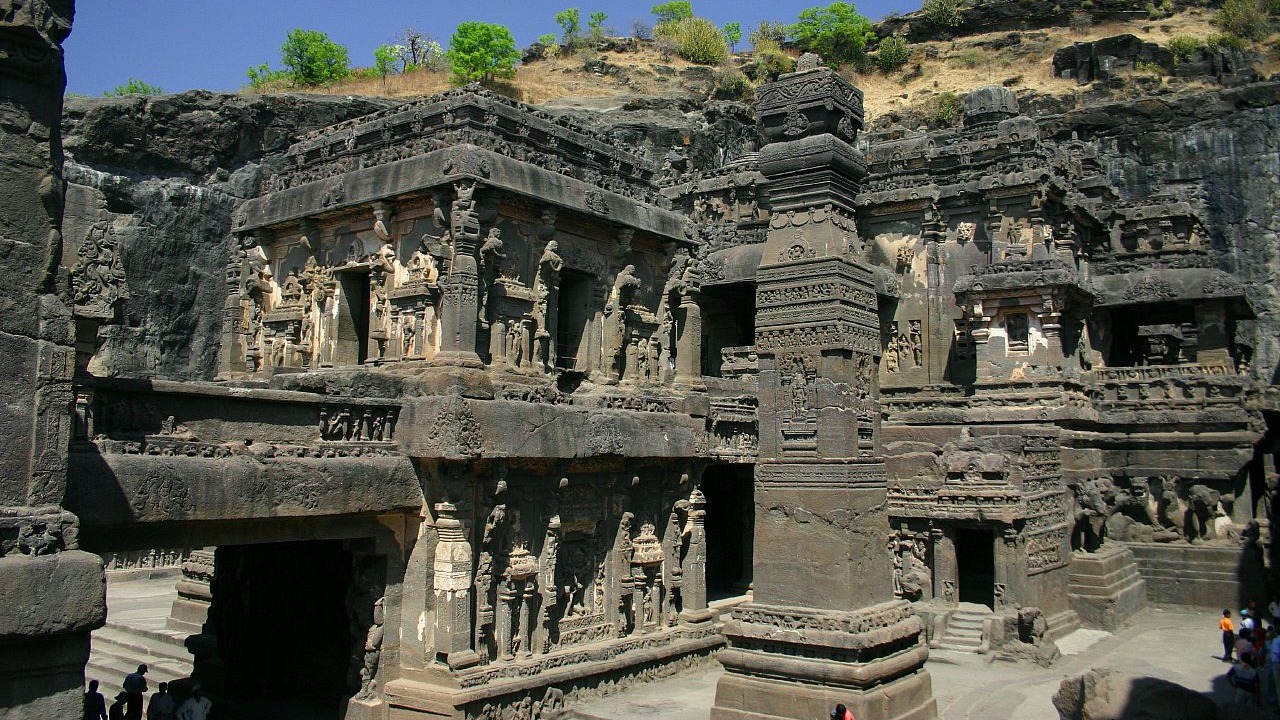
The discovery of this 2,700-year-old temple in Turkey contributes significantly to the understanding of prehistoric religious architecture. It offers a rare glimpse into the spiritual lives of ancient peoples and the ways in which they interacted with their environment. The temple’s design and features provide valuable information about the architectural techniques and religious practices of the time.
Ongoing research is needed to further analyze the ‘sacred cave’ and confirm its links to the ‘mother goddess’. Such analysis could reveal more about the specific rituals and ceremonies conducted at the site, as well as the broader religious landscape of the region. This discovery not only enriches the field of archaeology but also invites further exploration and study of ancient cultures and their enduring legacies.
