
Science is a field that never ceases to surprise us. From discovering new planets to inventing cutting-edge technologies, scientists consistently push the boundaries of what is known and understood. One such exciting area of scientific exploration is the discovery of new materials. Here, we delve into 12 such unusual materials that have recently been discovered and are transforming our understanding of the world.
1. Introducing Graphene Aerogel: The Lightest Material in the World

Imagine a material so light that it could sit on a dandelion without causing it to bend. That’s Graphene Aerogel for you. It’s not just its feather-like weight that’s impressive; it also boasts high elasticity and electrical conductivity. The unique structure of this material, a sponge-like network of carbon atoms, gives it a remarkable ability to absorb oil, making it a promising candidate for environmental clean-up operations.
Graphene Aerogel’s potential applications are not limited to oil spill clean-ups. Its unique features show promise for energy storage, insulation, and soundproofing. The discovery of this ultra-light material is certainly a significant leap forward in the realm of material science.
2. The World of Metallic Hydrogen: A Material of the Future

Metallic Hydrogen is a phase of hydrogen in which it behaves like an electrical conductor. This intriguing state of hydrogen was first predicted over 80 years ago, but it has only recently been created in the lab under extreme pressure conditions. Scientists believe that this material could revolutionize everything from energy storage to rocket propulsion.
Despite the potential, the existence and stability of Metallic Hydrogen at ambient pressure remains a controversial topic in the scientific community. More research is needed to fully understand this material, but the prospects are undoubtedly exciting. You can learn more about Metallic Hydrogen here.
3. Unraveling the Mysteries of Stanene: A Single Layer of Tin Atoms

Stanene, a single layer of tin atoms, is another fascinating material that has made its way into the scientific spotlight. It’s touted as the next big thing in the world of electronics because of its unique properties. It is a topological insulator, meaning it can conduct electricity on its surface but not through its middle.
Because of its unique properties, Stanene could be used to create smaller, faster, and more energy-efficient electronics. It might even pave the way for quantum computing. The potential applications of this material are vast and exciting.
4. Carbyne: The Strongest Material in the World
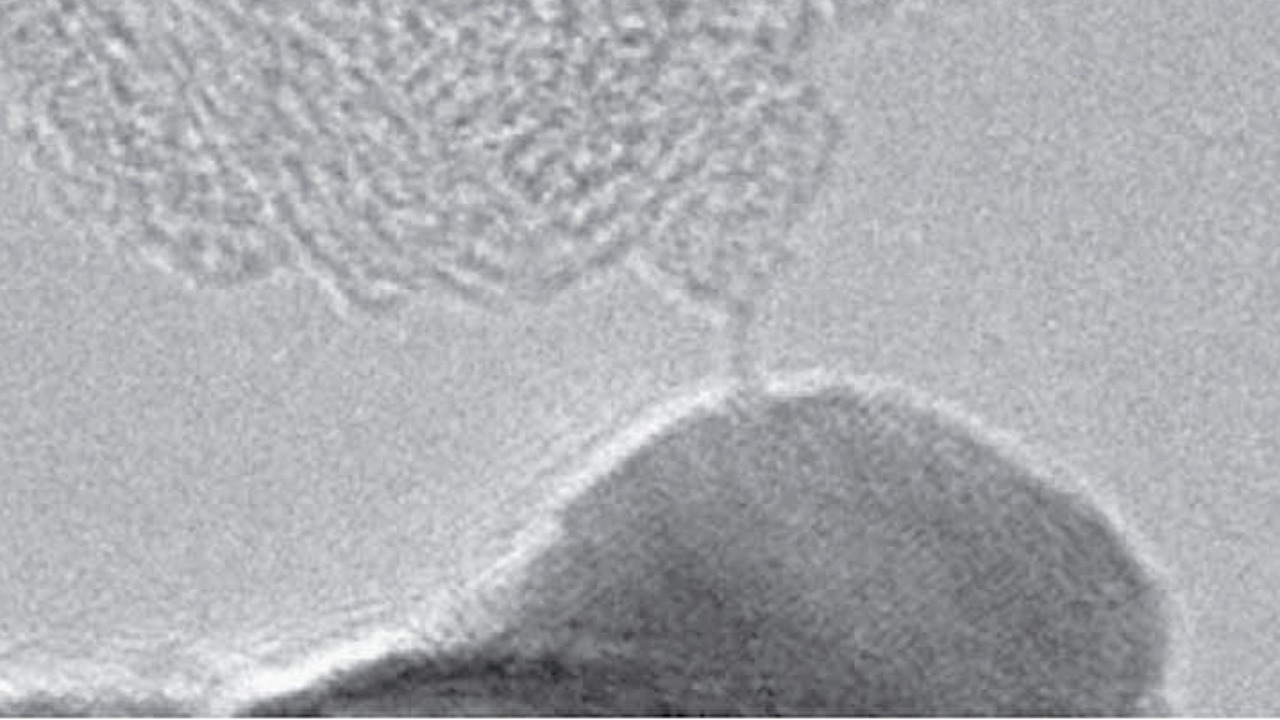
Move over, graphene. There’s a new champion in town: Carbyne. It’s a chain of carbon atoms linked either by double or alternating single and triple atomic bonds. What makes Carbyne special? It’s about twice as strong as graphene and three times stiffer than diamond.
It’s a material that’s not just incredibly strong but also extremely versatile. It can stretch by up to 10% without breaking, and it has unusual electronic properties that make it potentially useful in nanoelectronic systems. You can check out a video about Carbyne here.
5. Weyl Fermions: A Particle and An Antiparticle

Weyl Fermions are not exactly a material, but their discovery has significant implications for the field of material science. They are quasiparticles that exist in certain semimetallic crystals and behave as both a particle and an antiparticle.
Weyl Fermions were theorized almost a century ago, but their existence was only confirmed recently. They could lead to the development of new types of electronic devices, including those with minimal energy dissipation. Their discovery is certainly a big deal in the world of physics and material science.
6. Bismuthene: A Single Layer of Bismuth Atoms
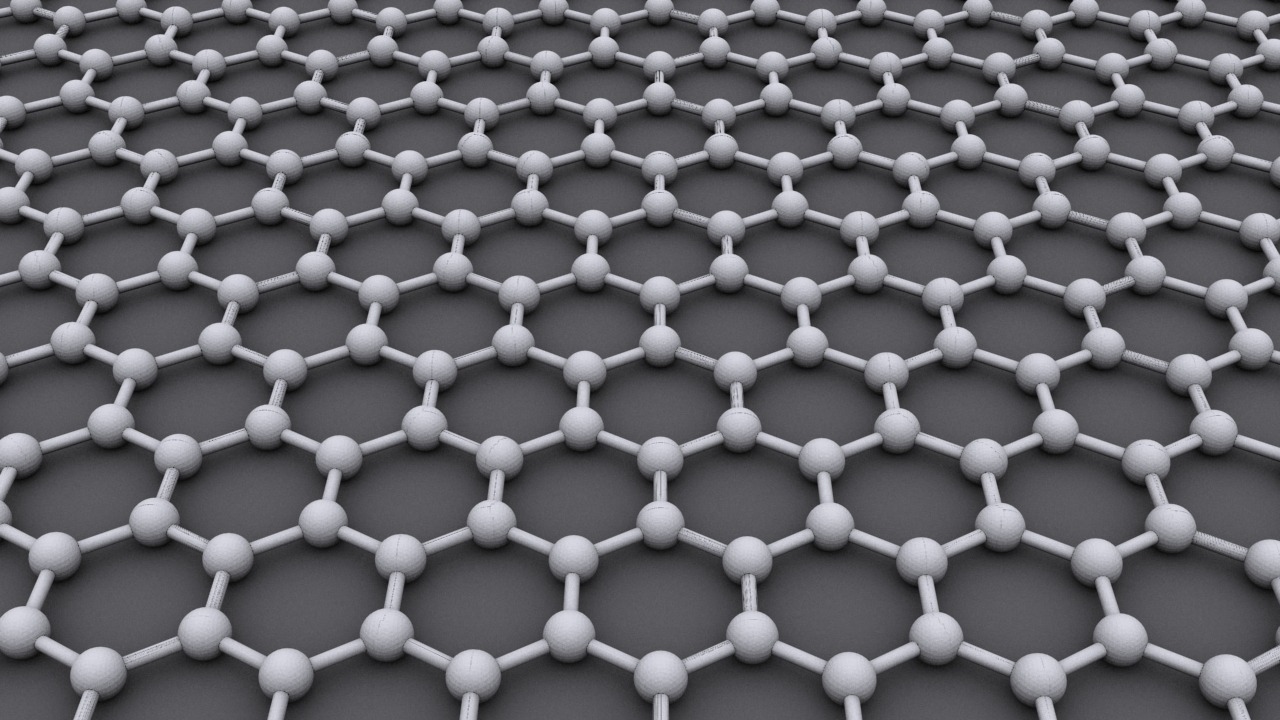
Like graphene and stanene, Bismuthene is a two-dimensional material consisting of a single layer of atoms. But instead of carbon or tin, Bismuthene is made of bismuth atoms. This material has a unique electronic structure that allows it to conduct electricity without dissipation, a property highly sought after in the world of electronics.
While more research is needed to fully understand Bismuthene, its discovery opens up new possibilities in the field of electronics and superconductivity. It’s another exciting addition to the growing family of two-dimensional materials.
7. Phosphorene: The Unusual 2D Material
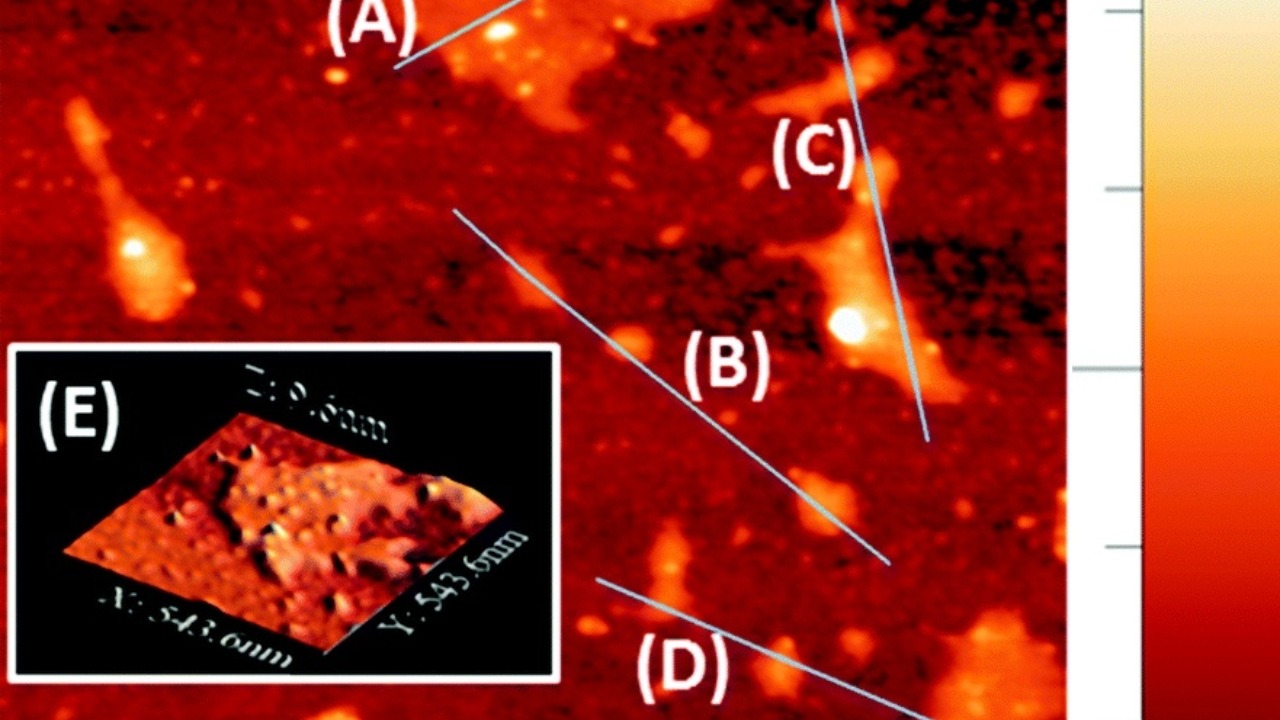
Phosphorene is another member of the two-dimensional material family. It’s a single layer of phosphorus atoms arranged in a honeycomb structure, similar to graphene. But unlike graphene, Phosphorene is a semiconductor, which makes it a promising material for electronic devices.
The properties of Phosphorene, including its layer-dependent bandgap and high carrier mobility, make it suitable for applications in optoelectronics, thermoelectronics, and energy storage. You can read more about Phosphorene here.
8. Newly Discovered: Borophene, the Single Layer of Boron Atoms
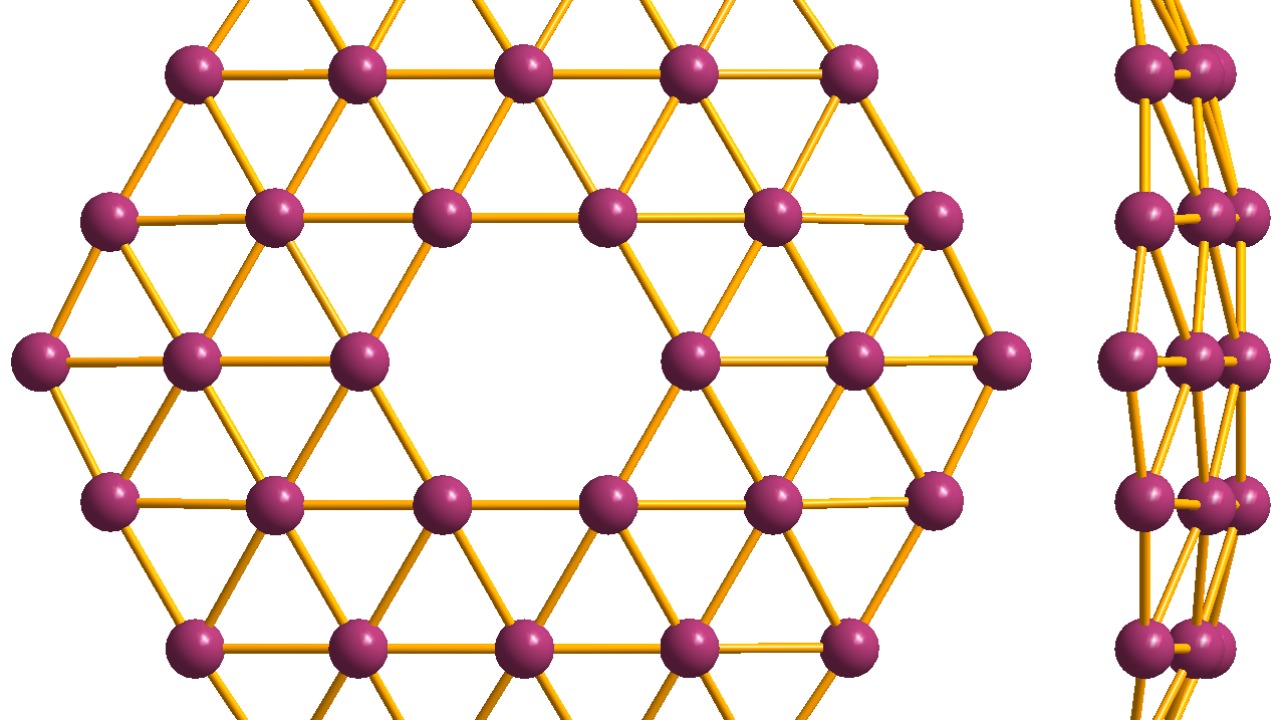
Borophene is a two-dimensional sheet of boron atoms that is both flexible and metallic. Its discovery is a significant breakthrough, as it is the first known two-dimensional material to have these properties.
The interesting thing about Borophene is its tunable bandgap, which could make it ideal for use in electronic devices, sensors, and catalytic applications. However, like many newly discovered materials, much more research is needed to fully exploit its potential.
9. Miracles of Strontium Titanate: An Unusual Insulator
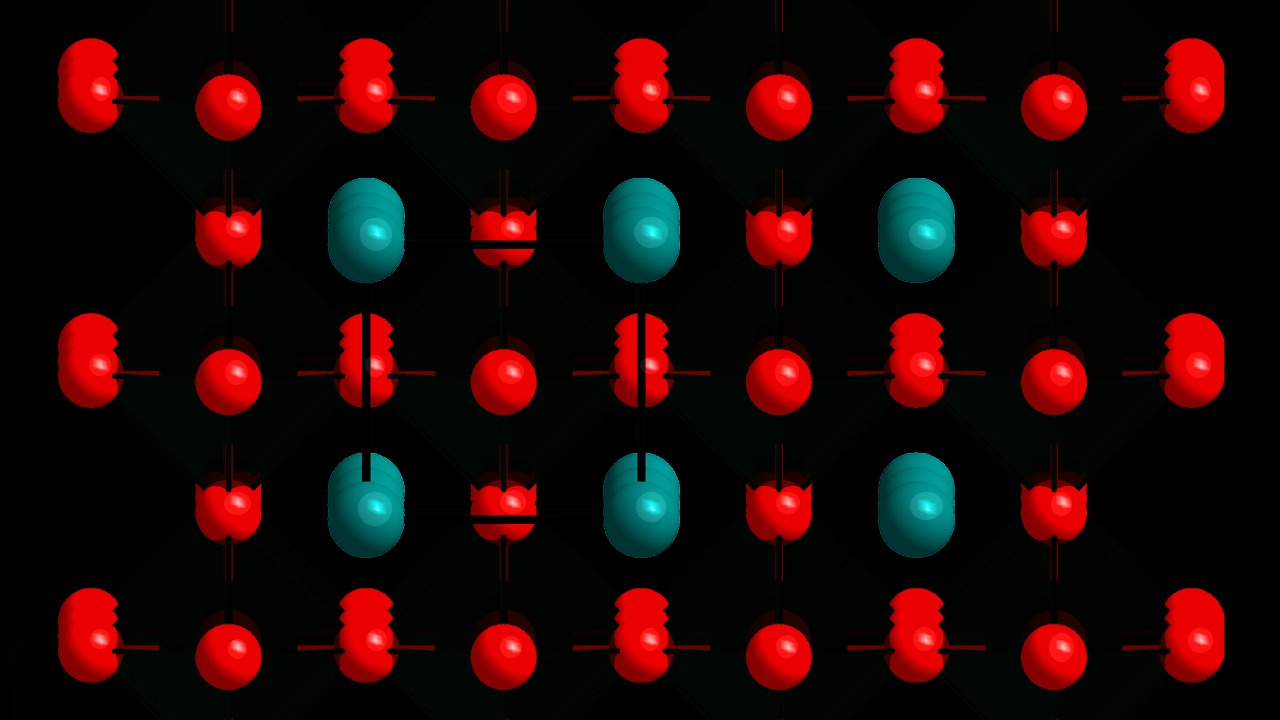
Strontium Titanate is an unusual insulator with a range of intriguing properties. It can become superconducting at low temperatures and can also exhibit piezoelectricity, where it generates an electric charge in response to mechanical stress.
The unusual properties of Strontium Titanate make it a material of interest for a wide range of applications, including sensors, actuators, and memory devices. The discovery of this material is a testament to the fascinating diversity of materials that exist in the world.
10. Exciting Prospects with Excitonium: A New Phase of Matter

Excitonium is a new phase of matter that was first theorized about 50 years ago but was only recently confirmed. It’s composed of excitons, particles that are formed when an electron escapes its position and leaves behind a “hole.”
The discovery of Excitonium could have far-reaching implications for the field of superconductivity. It’s a fascinating discovery that opens up new frontiers in our understanding of the phases of matter.
11. Welcome to the World of Rhenium Diboride: A Superhard Material
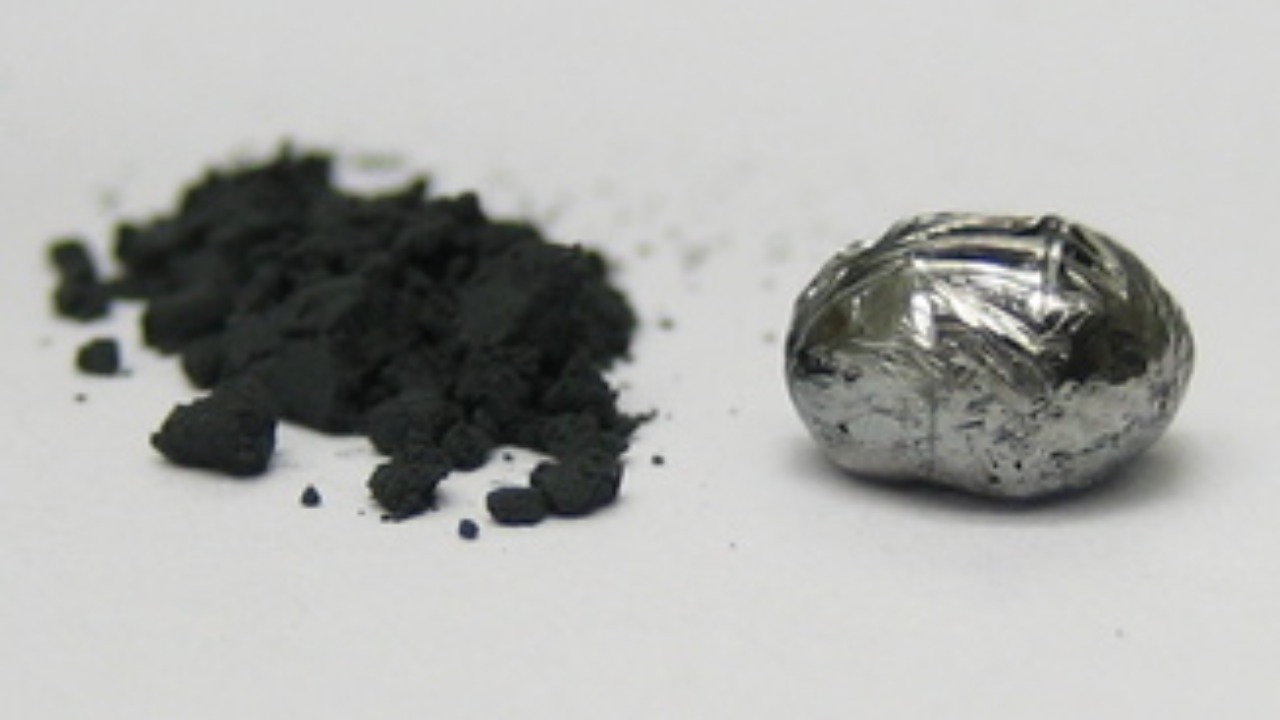
Rhenium Diboride is a superhard material that rivals diamond in its hardness. It’s a compound of rhenium and boron that has a unique crystalline structure, giving it its extraordinary hardness.
Rhenium Diboride’s potential applications include cutting tools and abrasives. The discovery of this superhard material is a significant addition to the list of known superhard materials, and it opens up new possibilities for their use in various industrial applications.
12. Discovering Neutronium: The Densest Material in the Universe

Neutronium is arguably the densest material in the universe. It’s a hypothetical substance composed purely of neutrons that is believed to exist in the core of neutron stars.
While Neutronium remains theoretical and has not yet been observed directly, it represents an extreme state of matter that pushes the limits of our understanding of density and pressure. You can learn more about Neutronium and neutron stars here.
