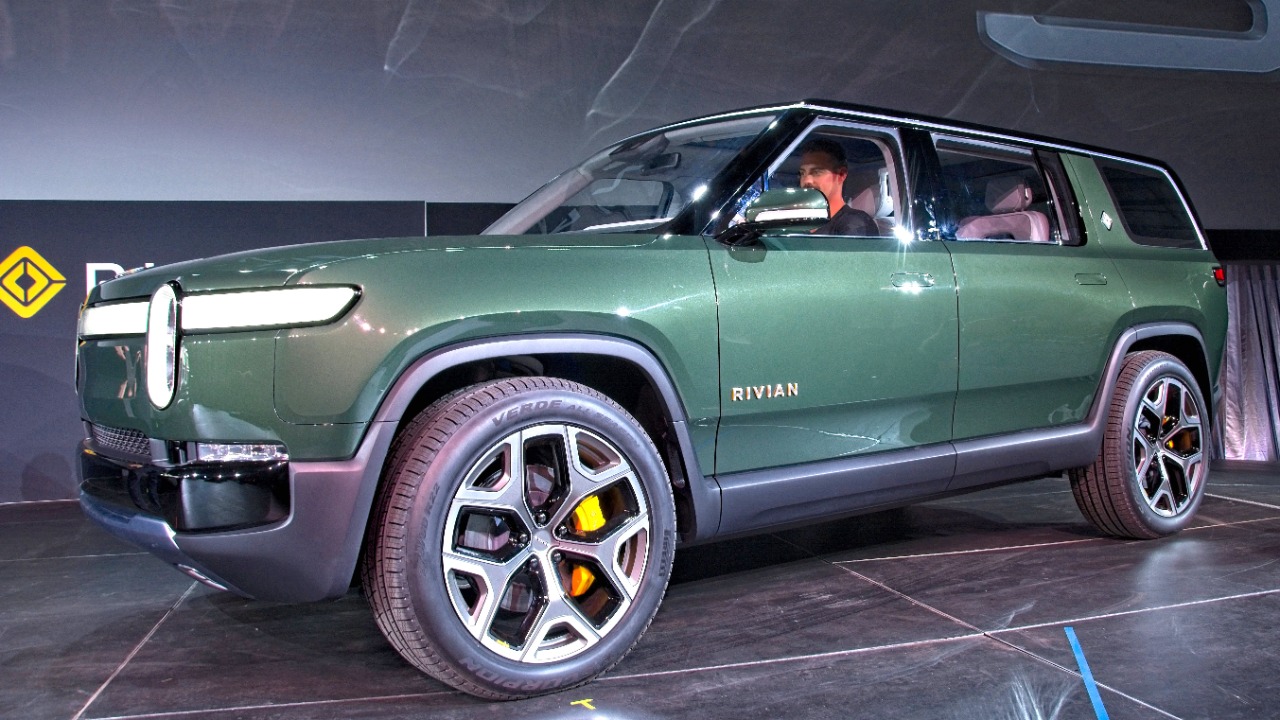

Across the United States in 2025, some of the most hyped SUVs have been hit with brutal reliability failures, from catastrophic engine problems to glitchy electronics that sideline vehicles for weeks. Owner surveys and recall data show that paying $40,000, $50,000 or even $70,000 for a new SUV is no guarantee it will stay out of the shop. I will walk through 12 specific models that stand out for serious reliability trouble, and why shoppers should treat each one as a red flag.
Rivian R1S
The Rivian R1S has become a case study in how cutting edge tech can collide with basic dependability. A 2025 consumer report cited in research on the so called Rivian paradox rates the brand at the bottom of 22 major automakers for reliability. The same analysis notes that Issues range from minor software bugs to vehicles stalling and shutting down, a brutal outcome for an SUV marketed as adventure ready.
From Rivian’s perspective, over the air updates promise quick fixes, but owners still face range anxiety of a different kind, wondering if the vehicle will complete a trip without a fault message. When an SUV can unexpectedly lose power, the stakes go beyond inconvenience to real safety concerns, especially on highways or remote trails where help is far away.
Tesla Model X
The Tesla Model X continues to struggle with the experience Tesla promises when it comes to reliability. A breakdown of the Model X’s performance in owner data highlights persistent electrical problems, particularly with the large touchscreen that controls core vehicle functions. When that screen freezes or fails, drivers can lose access to climate controls, navigation and even some safety settings, turning a premium SUV into a rolling question mark.
These electrical gremlins are not just annoyances, they can drive up repair costs once the warranty expires and reduce resale value as used buyers shy away. For families who chose the Model X as a long term people mover, repeated service visits undercut confidence in the brand’s ability to deliver both innovation and durability in the same package.
Mazda CX-70 PHEV
The Mazda CX-70 plug in hybrid has quickly earned a reputation for being far less robust than its price and branding suggest. Reporting on Mazda CX plug in models singles out the 2025 Mazda CX-70 PHEV and CX-90 PHEV for low reliability scores. Separately, reliability rankings note that The Mazda CX, specifically the CX-70 and CX-90, remain unreliable in their second year, a worrying sign that early glitches are not being fully resolved.
Because plug in hybrids combine complex battery systems with traditional drivetrains, owners face potential failures in both worlds. When an SUV like this spends more time at the dealer than in a driveway, the promised fuel savings and green credentials are quickly overshadowed by rental car bills and frustration, especially for commuters who depend on daily electric range.
Mazda CX-90 PHEV
The Mazda CX-90 PHEV deserves its own entry because its problems mirror, and in some cases amplify, those of its smaller sibling. Coverage of the The Mazda CX line notes that the CX-70 and CX-90 remain unreliable in their second year, despite being core to Mazda’s upmarket push. The same reporting highlights that these SUVs are still plagued by drivetrain and electronics issues, undermining their appeal as flagship family haulers.
Because the CX-90 PHEV is often loaded with options, owners may be paying closer to the top of the $40,000 to $70,000 range that new SUV buyers face. When a high trim model repeatedly throws warning lights or suffers charging glitches, it erodes trust not only in the vehicle but in Mazda’s broader electrification strategy, potentially pushing shoppers toward rivals with stronger reliability records.
Jeep Grand Cherokee
The Jeep Grand Cherokee has long traded on its rugged image, but recent data paints a harsher picture. A mechanic’s breakdown of SUVs to avoid notes that CR listed Jeep’s Grand Cherokee and the Grand Cherokee L among its 10 least reliable cars, and singled out Jeep as the worst automaker in that group. Another advisory from consumer advocates bluntly says, Here, Avoid the Jeep Grand Cherokee when scanning the least reliable new SUVs of 2025.
These warnings are backed by owner complaints about drivetrain issues, electronics faults and even roof leaks in the rain. For an SUV marketed as a premium off roader, such basic durability problems are especially damaging. Buyers who expect the Grand Cherokee to be a long term family workhorse may instead find themselves juggling repeated dealer visits and diminished resale value.
Jeep Grand Cherokee L
The Jeep Grand Cherokee and the Grand Cherokee L share a platform and, unfortunately, a reliability profile that has raised alarms. The same analysis that flags the standard Grand Cherokee also calls out the three row Grand Cherokee L as one of the 10 least reliable vehicles in its class, reinforcing that the problems are systemic rather than isolated. When both versions of a core SUV line are tagged this way, it signals deep engineering or quality control issues.
For larger families who chose the Grand Cherokee L for its extra seating, the stakes are even higher. A three row SUV is often the primary vehicle for school runs, road trips and towing. When it is sidelined by transmission shudder, electrical glitches or water leaks, households can be forced into costly rentals or emergency replacements, turning what should be a practical upgrade into a financial drag.
Volkswagen Taos
The Volkswagen Taos illustrates how a seemingly minor flaw can snowball into a major reliability black mark. Reporting on the least reliable new SUVs notes that Another issue facing Volkswagen Taos owners is that the SUV experiences faster brake wear on the rear. Left too long, the friction material can wear down to metal, leading to expensive rotor replacements and potential safety risks if stopping distances increase.
While premature brake wear might sound less dramatic than engine failure, it hits owners directly in the wallet and can recur multiple times over the life of the vehicle. For budget conscious buyers drawn to the Taos as an entry level SUV, repeated brake jobs undermine the value proposition and raise questions about other components that may also be wearing out faster than expected.
Chrysler Pacifica Hybrid
The Chrysler Pacifica Hybrid blurs the line between minivan and SUV, but its reliability problems are squarely in SUV territory. A rundown of least reliable models assigns the Chrysler Pacifica Hybrid a Reliability score: 26, placing it near the bottom of the pack. That same list groups it with other troubled electrified SUVs, underscoring that its plug in system and complex electronics are frequent sources of owner complaints.
Because families often buy the Pacifica Hybrid for its combination of space and fuel savings, repeated trips to the service bay can be especially disruptive. When an SUV with a Reliability score that low strands parents during school runs or road trips, it does more than inconvenience, it erodes confidence in plug in technology at a time when the market is trying to convince mainstream buyers to make the switch.
Honda Prologue
The Honda Prologue is a new entry in the electric SUV space, but it has already stumbled on reliability. The same ranking that criticizes the Pacifica Hybrid gives the Honda Prologue a Reliability score: 25, even lower than its Chrysler rival. By grouping the Prologue with other problem prone EVs, the data suggests that early build quality and software integration are not yet meeting the expectations set by Honda’s reputation for durable gasoline vehicles.
For shoppers who assumed a Honda badge guaranteed trouble free ownership, this is a jarring development. An electric SUV with a Reliability score that low risks scaring off first time EV buyers who might otherwise be willing to tolerate some quirks. Instead, they face the prospect of range issues, charging faults or warning lights that send them back to the dealer far more often than they planned.
Kia EV6
The Kia EV6 has been praised for its styling and performance, but reliability scores tell a more sobering story. In the same assessment that ranks other problem models, the Kia EV6 is assigned a Reliability score: 25, matching the troubled Honda Prologue. That places this electric SUV among the least dependable new vehicles, despite its advanced battery tech and fast charging capabilities.
Because Kia is aggressively marketing the EV6 as a mainstream EV, these reliability concerns carry broad implications. Owners who encounter repeated software glitches, charging failures or drivetrain warnings may sour not only on the EV6 but on Kia’s wider electric lineup, including the larger Kia EV9 mentioned alongside it. For a brand investing heavily in electrification, that kind of reputational hit can slow adoption across its entire SUV range.
Cadillac Lyriq
The Cadillac Lyriq is central to General Motors’ push into luxury electric SUVs, yet owner data suggests it is struggling to deliver consistent reliability. A reliability overview notes that, alongside other models, the Cadillac Lyriq remains unreliable in its second year, indicating that early production issues have not been fully ironed out. This comes as General Motors grapples with other large scale problems, including a V8 engine recall that affected around 600,000 full size trucks and SUVs In May.
For Lyriq buyers, the combination of brand wide recall headlines and model specific reliability complaints can be unnerving. Luxury SUV customers expect not only comfort and technology but also bulletproof dependability. When a halo EV like the Lyriq instead delivers software bugs, charging hiccups or fit and finish issues, it undermines GM’s message that its Ultium based SUVs are ready for prime time.
Chevrolet Blazer EV
The Chevrolet Blazer EV rounds out the list as another high profile SUV facing reliability headwinds. The same reliability summary that criticizes The Mazda CX line and the Cadillac Lyriq also notes that the Chevrolet Blazer EV remains unreliable in its second year, suggesting persistent problems rather than teething pains. This is particularly damaging because the Blazer EV is meant to be a mass market anchor for GM’s electric SUV portfolio.
Compounding the concern, recall statistics show that General Motors recorded 998 recalled vehicles in one major tally and separately clocked 998,260 units recalled across its brands, underscoring how widespread its quality challenges have become. For Blazer EV owners, that environment raises the risk of software patches, hardware retrofits or full blown recalls that can sideline their SUVs and dent resale values.
More from Morning Overview