
The latest wave of consumer tech is packed with ambitious ideas, from giant living‑room screens to tiny audio gear that sounds far bigger than it looks. I have pulled together 12 must-see new gadgets that genuinely earn a spot on your radar, either because they redefine a category or quietly fix everyday annoyances. Each one reflects where innovation is heading right now, whether you care most about entertainment, productivity, or simply making your home run more smoothly.
Samsung 130-inch Micro RGB TV
The Samsung 130-inch Micro RGB TV is the kind of screen that turns a living room into a private cinema. At CES, this 130-inch display was highlighted as a showcase of Micro RGB TV technology, which uses microscopic LEDs to deliver intense brightness and precise color control. Reports on the latest CES lineup describe it as a centerpiece for high-end home theaters, aimed at viewers who want wall-filling images without the washed-out look of some projectors.
From a broader perspective, this TV signals how premium displays are moving beyond incremental 4K upgrades toward radically larger, modular panels. Micro RGB TV technology promises better energy efficiency and longer lifespan than traditional OLED or LCD, which matters for anyone leaving a screen on for hours each day. I see it as a bellwether for where living-room hardware is going, especially as streaming and gaming push demand for bigger, more immersive canvases.
Dell XPS 14 Windows Laptop (2026)
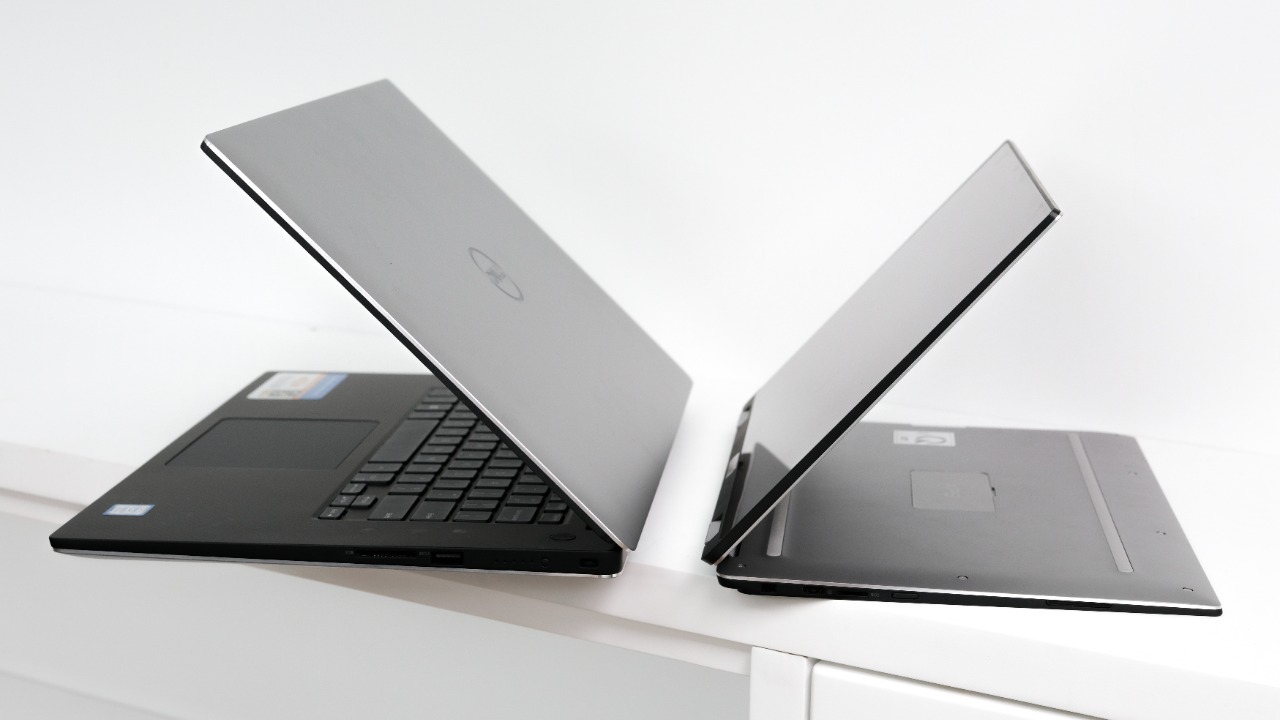
The Dell XPS 14 Windows Laptop (2026) is being framed as a return to form for Dell’s flagship notebook line. Coverage of the latest Dell XPS refresh notes that The Dell XPS brings back physical function keys, reversing the trend toward touch strips that many power users disliked. The design also leans into slimmer bezels and a more efficient cooling layout, which should help sustain performance during long creative or coding sessions.
For professionals and students, the stakes are straightforward: a laptop is still the primary productivity hub, and small design missteps can slow real work. By emphasizing tactile controls and a more intuitive keyboard deck, Dell is acknowledging that not every “innovation” improves usability. I see this model as part of a broader correction in laptop design, where manufacturers are rediscovering that reliability and ergonomics often matter more than flashy gimmicks.
Xreal 1S AR glasses
The Xreal 1S AR glasses are one of the clearest signs that augmented reality is edging into everyday life. Reporting on the latest CES gadgets highlights the Xreal 1S AR glasses at Xreal with a price of $449, positioning them as a relatively accessible entry point compared with earlier AR headsets. They are pitched for tasks like watching videos, extending a laptop display, and even note-taking, rather than purely experimental demos.
That focus on practical use cases matters because it shifts AR from novelty to tool. At $449, these glasses are still a considered purchase, but they undercut many mixed-reality headsets while offering a lighter, glasses-style form factor. I see them as a test of whether consumers are ready to wear displays in public or on long flights, and their success or failure will influence how aggressively other manufacturers pursue similar designs.
Dreame personal electronics expansion
While Dreame is best known for its robot vacuums, the company is now pushing into personal electronics in a way that could reshape its brand. Coverage of the CES floor notes that While Dreame (pronounced “dreamy”) is using its cleaning-tech expertise as a springboard into devices that live closer to the body. The reporting points to new products that borrow suction, airflow, and battery innovations from its home appliances.
For consumers, this crossover is significant because it suggests a future where brands are defined less by room and more by capability. If Dreame can translate its engineering strengths into wearables or handhelds, it could pressure incumbents that have long dominated personal care and small electronics. I see this as part of a larger trend where companies known for one niche, like vacuums, leverage their hardware platforms to compete in adjacent categories.
Insta360 Link 2 Pro webcam
The Insta360 Link 2 Pro is a next-generation webcam built for creators and remote workers who are tired of grainy laptop cameras. Recent coverage of Link notes that Both the Link 2 Pro and Link 2C Pro use a larger 1/1.3-inch sensor, often shortened to 1.3-inch, which is significantly bigger than what most built-in webcams offer. That larger sensor should translate into cleaner low-light performance and more natural background blur without heavy software processing.
As hybrid work settles in, better video quality is not just vanity, it affects how clearly teams communicate and how professional someone appears on client calls. The Link 2 Pro’s focus on optics rather than just AI filters suggests a maturing market where image fundamentals matter again. I see this as a smart upgrade for anyone who spends hours in meetings or streams regularly and wants a camera that behaves more like a compact mirrorless than a laptop add-on.
TDM Neo Headphones
The TDM Neo Headphones stand out by literally changing shape to serve different roles. Reporting from the show floor describes how TDM Neo Headphones can “twist” into a portable speaker mode, giving users a way to share audio without carrying a separate device. The same coverage notes a remarkable 200-hour battery life in headphones mode, which is far beyond typical wireless cans.
That combination of flexibility and endurance has clear implications for commuters, travelers, and students who want one device that can handle private listening and group playback. A 200-hour rating also hints at more efficient chips and battery management, which could influence how other audio brands design their next flagships. I see TDM Neo as a proof of concept that headphones can be more than a single-purpose accessory without sacrificing comfort or runtime.
Stainf multi-surface cleaner
The Stainf multi-surface cleaner is an example of how home appliances are blending multiple functions into one compact unit. A recent overview of new gadgets explains that Stainf combines wet vacuuming, dry vacuuming, and powerful stain removal in a single device, making it ideal for busy homes with pets or kids. The report on Stainf emphasizes how this all-in-one approach reduces the need to swap tools when moving from hard floors to carpets or spot cleaning.
For households, the stakes are time and storage space. Instead of owning separate upright vacuums, carpet cleaners, and handheld stain removers, a single Stainf unit could handle most everyday messes. I see this as part of a broader shift toward modular, multi-mode cleaning gear that acknowledges how people actually maintain homes, especially in smaller apartments where every square foot of closet space counts.
Pro-Ject Head Box DS3 B headphone amp
The Pro-Ject Head Box DS3 B is aimed squarely at listeners who want to elevate their headphones without diving into overly complex hi-fi stacks. A recent roundup of Cool New Gadgets to Keep Your Radar on highlights the Pro-Ject Head Box DS3 B alongside a Twelve South Valet priced at $180, underscoring how desktop audio gear is becoming more design-conscious. The Head Box DS3 B focuses on balanced outputs and clean amplification, giving high-impedance headphones the power they need.
For music fans, this kind of component can be transformative, revealing detail that laptop jacks simply cannot deliver. It also reflects a trend where hi-fi brands are making gear that fits modern desks, not just traditional stereo racks. I see the Head Box DS3 B as a bridge between casual listening and full-scale audiophile setups, lowering the barrier to better sound without demanding a complete system overhaul.
Sony affordable turntables
Sony’s latest affordable turntables show how vinyl continues to influence mainstream audio design. A running list of Including Sony gear notes that these turntables are positioned as budget-friendly ways to enter hi-fi, sitting alongside Bowers speakers and Meze audiophile headphones. The emphasis is on straightforward setup and integrated phono stages, so users can plug directly into powered speakers.
For younger listeners building their first systems, this matters because it reduces the intimidation factor of analog playback. Affordable, well-engineered decks from a brand like Sony can anchor a system that later grows with better cartridges or speakers. I see these turntables as a sign that vinyl is no longer a niche hobby, but a stable part of the broader audio ecosystem that manufacturers are planning around.
Bowers & Wilkins ultimate bookshelf speaker
The latest Bowers & Wilkins ultimate bookshelf speaker targets listeners who want reference-grade sound in a compact form. The same overview that mentions Sony’s turntables also highlights Bowers as delivering an “ultimate” bookshelf design, pairing premium drivers with carefully tuned crossovers. The goal is to achieve near floor-stander performance from a speaker that can sit on stands or a sturdy shelf.
For apartment dwellers or anyone with limited space, this kind of product is crucial because it offers high-end sound without dominating a room. It also reflects how speaker makers are optimizing enclosures and materials to squeeze more performance from smaller cabinets. I see this Bowers & Wilkins model as a benchmark for what compact speakers can do, likely influencing competitors’ flagship bookshelf lines.
Google Shopping Graph-powered Product discovery
Google’s Shopping Graph is quietly reshaping how people discover gadgets long before they hit store shelves. The company describes its Shopping Graph as a system that maps Product information from brands, stores, and other content providers, then surfaces that data in search and shopping results. For new devices, this means specifications, pricing, and availability can be aggregated quickly, giving shoppers a clearer picture of what is actually on the market.
For manufacturers and retailers, the stakes are visibility and accuracy. If a gadget’s details are incomplete or outdated in the Shopping Graph, it may lose out to better-documented rivals when consumers compare options. I see this as a powerful incentive for brands to keep their feeds and structured data current, and for shoppers it underscores the value of checking multiple listings before committing to a big-ticket tech purchase.
Innovative tablet or standalone PC hybrids
Hybrid devices that blur the line between tablet and standalone PC are becoming a key frontier for innovation. A survey of Examples of new products highlights how Health and wellness, Environment and sustainability, Technology and gadgets, and Consumer goods all intersect in designs that can function as a tablet or standalone PC. These hybrids often pair detachable keyboards with touchscreens, giving users flexibility for both content consumption and serious work.
For students, remote workers, and frequent travelers, such versatility can reduce the need to carry multiple devices. It also pushes software developers to optimize apps for both touch and keyboard input, improving usability across platforms. I see these hybrids as a practical response to the way people now move between couch, desk, and commute, demanding full computing power in increasingly portable forms.
More from Morning Overview