
Fascinating intersections between mythology and science captivate our collective imagination. Ancient narratives often mirror contemporary scientific theories and discoveries in surprising ways. Here, we explore ten striking parallels between age-old myths and modern scientific discoveries.
The Big Bang Theory and Creation Myths
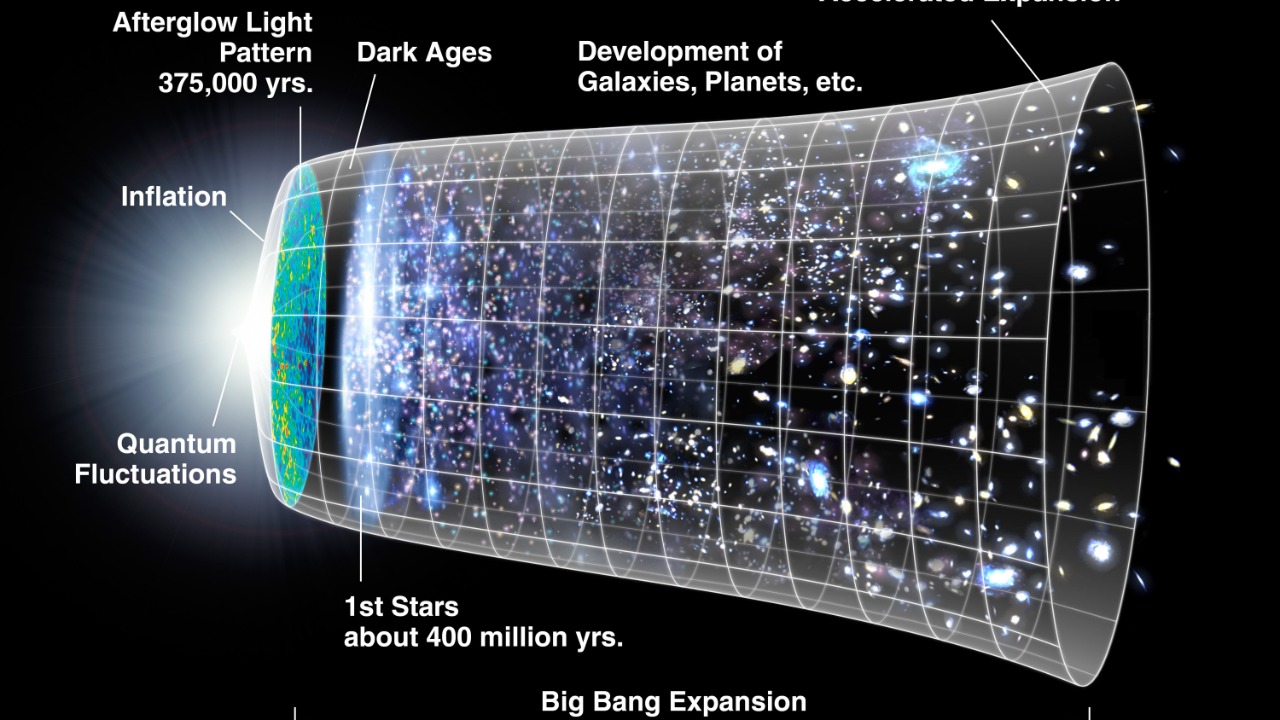
Many ancient cultures believed the universe was birthed from chaos, a concept strikingly similar to the Big Bang Theory. For instance, the ancient Egyptians imagined the universe emerging from the primordial waters of Nun. Meanwhile, the Big Bang Theory, supported by cosmic microwave background radiation evidence, posits that our universe began from an extremely hot and dense singularity around 13.8 billion years ago. Both narratives depict a universe birthed from an intensely chaotic state, showing a strange coincidence between mythology and modern cosmology.
The Great Flood and Geological Evidence
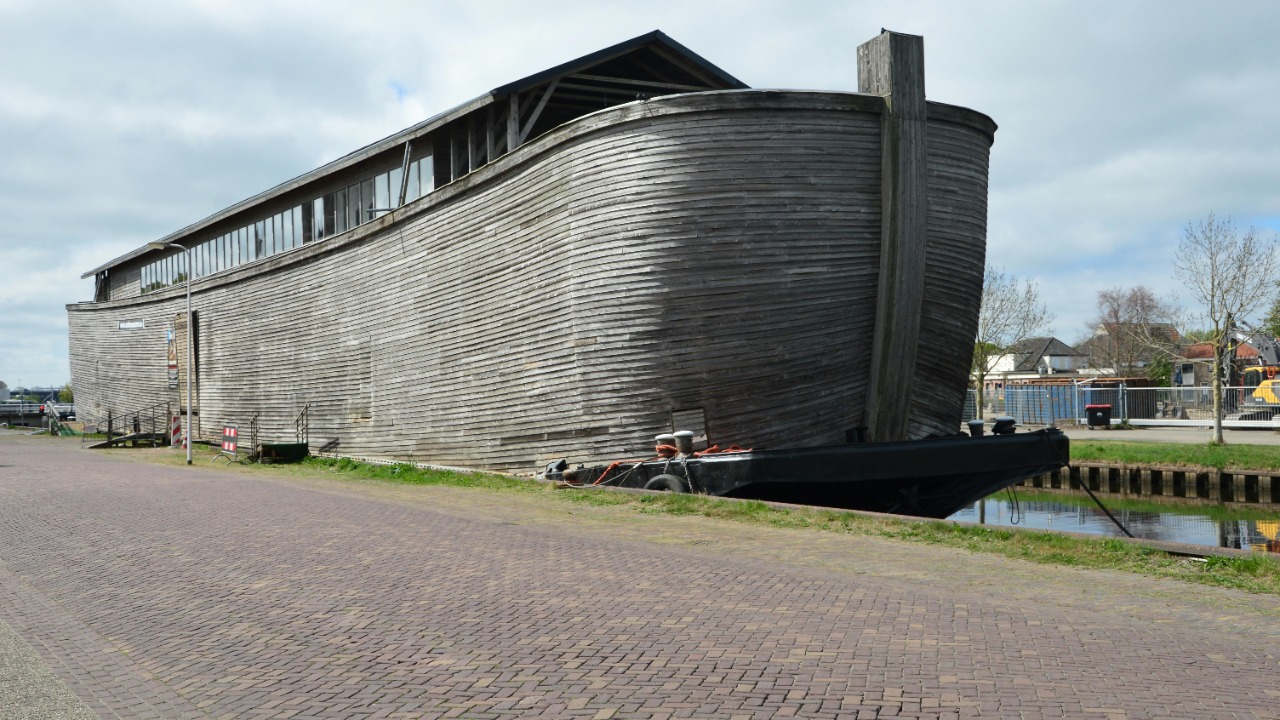
Great Flood myths are universally present across diverse cultures, from the Biblical Noah’s Ark to the Sumerian Epic of Gilgamesh. Interestingly, geological research reveals evidence of massive flooding events in the earth’s history. A study in the Geological Society describes how glacial melting at the end of the Ice Age caused global sea levels to rise, leading to widespread flooding. This scientific evidence intriguingly aligns with the ancient flood narratives, suggesting a basis for these myths in real historical events.
Reincarnation Beliefs and Cellular Regeneration

Reincarnation, a central concept in religions like Hinduism and Buddhism, involves the soul’s rebirth in a new body after death. In a strange parallel, cells in our bodies continually undergo a process of death and rebirth, known as cellular regeneration. This scientific fact, coupled with the mythological idea of reincarnation, serves as a reminder of the cyclical nature of existence, both in the spiritual and physical realms.
The Underworld and Discoveries of Subterranean Ecosystems
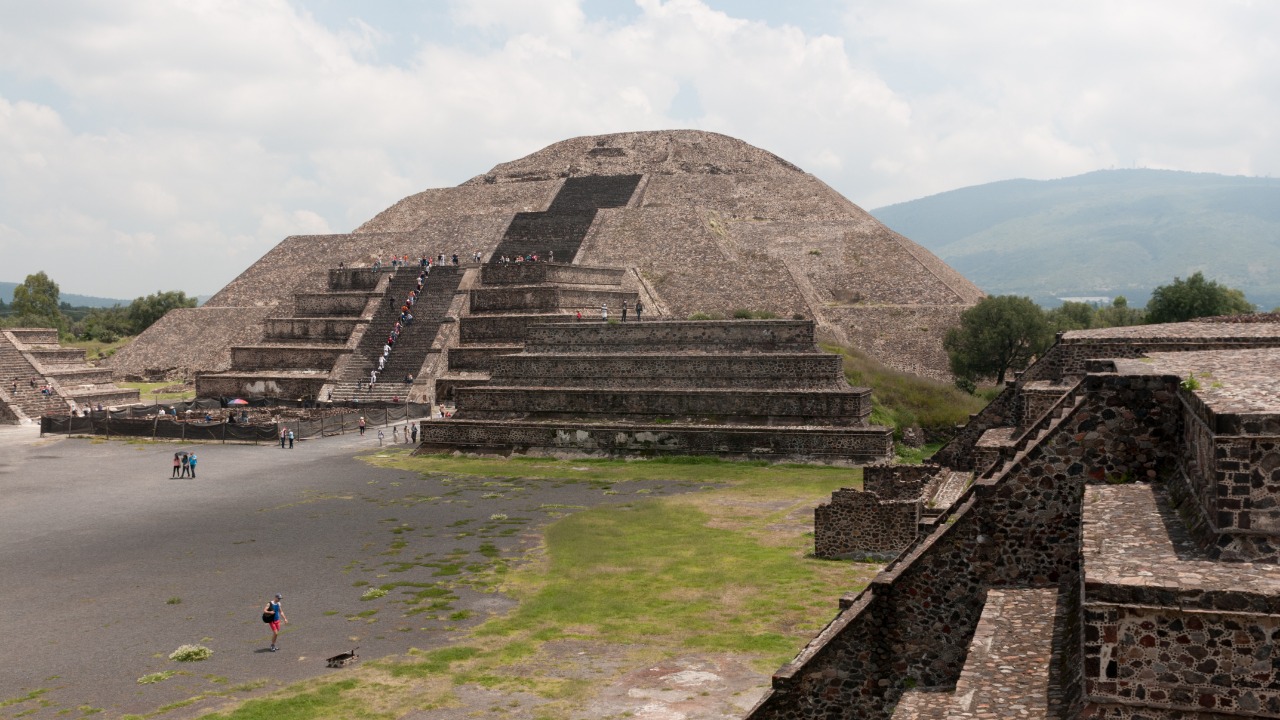
Myths from Greek to Mayan civilizations describe vast underworlds beneath the earth’s surface. Today, scientists uncover extensive subterranean ecosystems teeming with microbial life. These discoveries demonstrate that the earth’s crust, once considered inhospitable, is very much alive, making the mythical underworlds seem less fantastical.
Mythical Creatures and Cryptid Discoveries

From the Greek Hydra to the Nordic Kraken, mythical creatures have long captured human imagination. Remarkably, science has unveiled previously unknown creatures that echo these myths. The colossal squid, for instance, bears an eerie resemblance to the legendary Kraken. These discoveries showcase how myths can sometimes presage scientific revelations.
The Tree of Life and Genetic Mapping
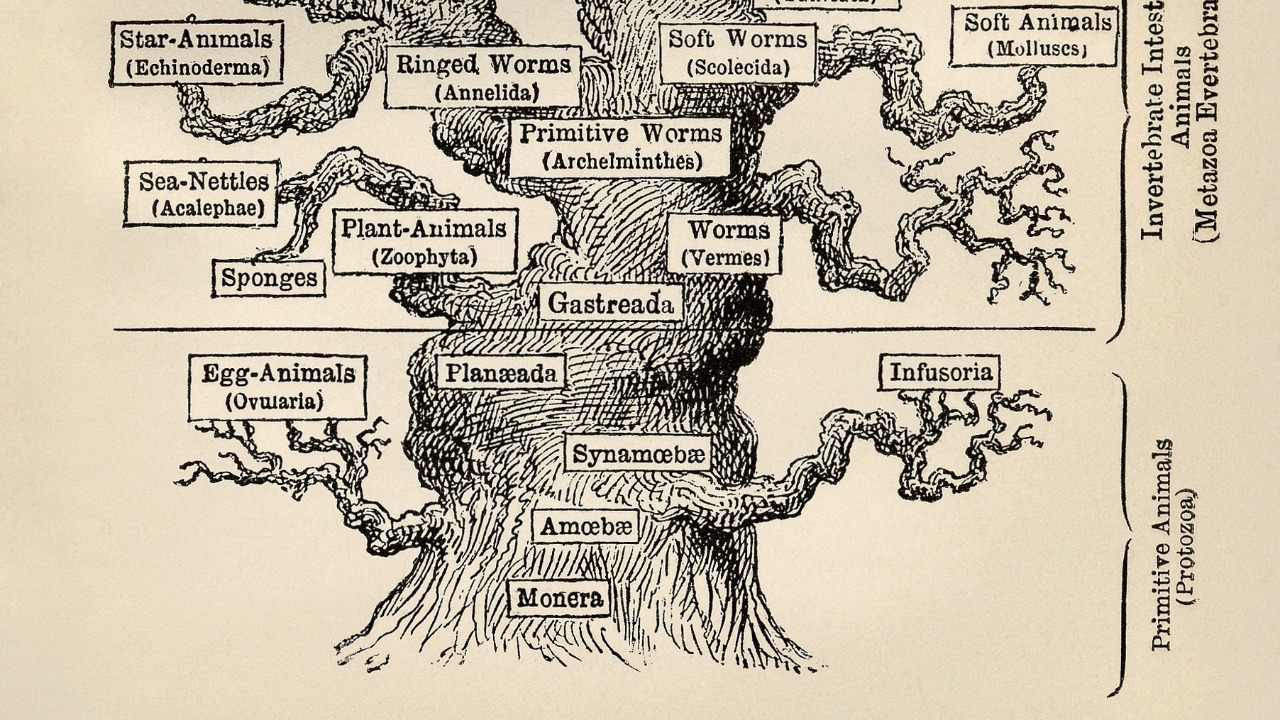
The Tree of Life is a widespread mythological concept symbolizing interconnectedness. In a strange parallel, genetic mapping, often depicted as a tree, illustrates the shared ancestry of all living organisms. This scientific visualization reflects the mythological Tree of Life, illustrating the interconnectedness of all life on earth.
Ancient Astronaut Theories and Advancements in Aerospace Technology
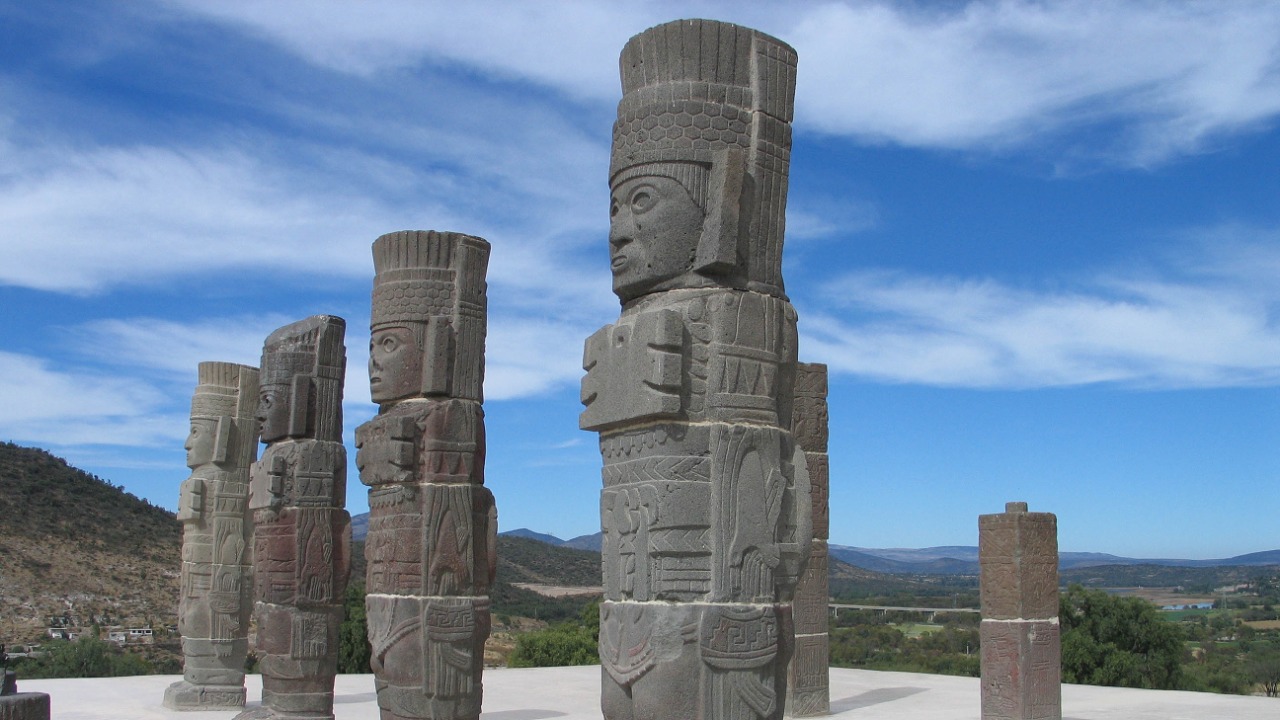
Ancient astronaut theories propose that extraterrestrials visited earth in antiquity, influencing human civilization. These theories often draw upon myths of sky gods or celestial beings. Interestingly, advancements in aerospace technology have now made space travel a reality, transforming the mythical celestial journeys into scientific possibility.
Mythical Elixirs and Modern Medicine Breakthroughs
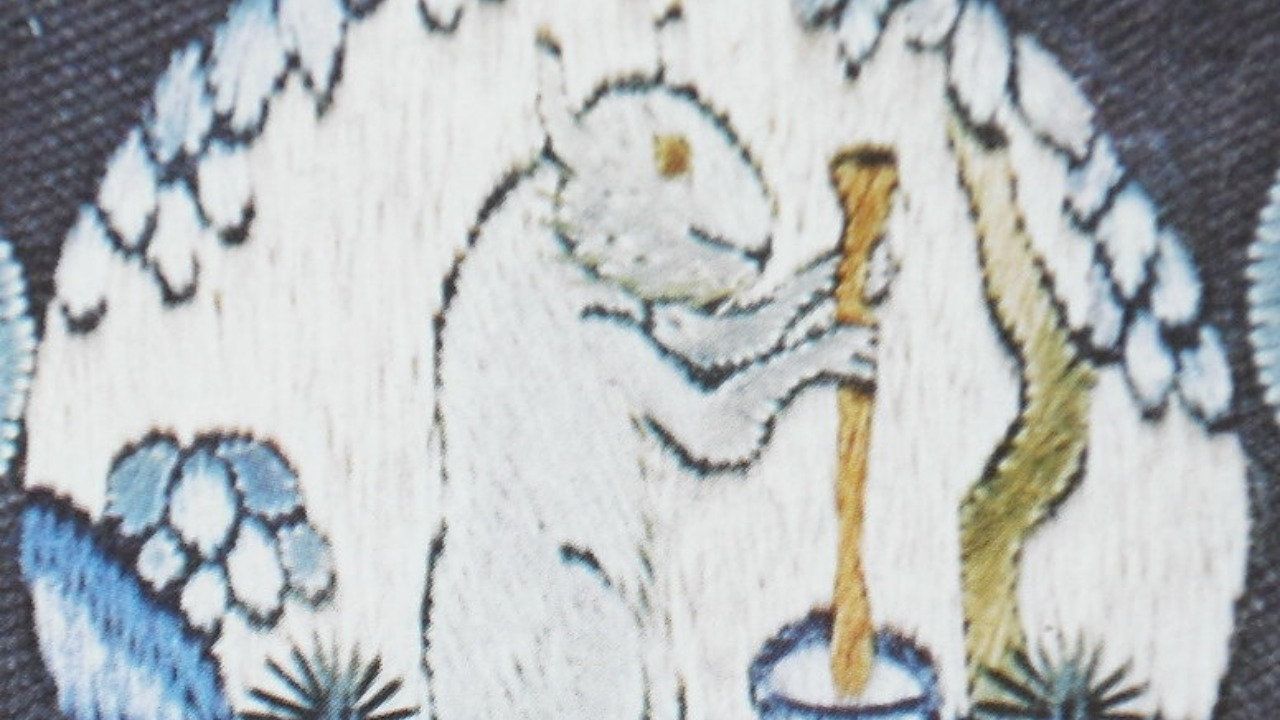
The quest for mythical elixirs of life is a universal theme in ancient cultures. Today, modern medicine has achieved remarkable breakthroughs in prolonging human life. From vaccines to gene therapies, these medical innovations echo the ancient pursuit of life-extending elixirs.
The Myth of Icarus and the Invention of Aviation
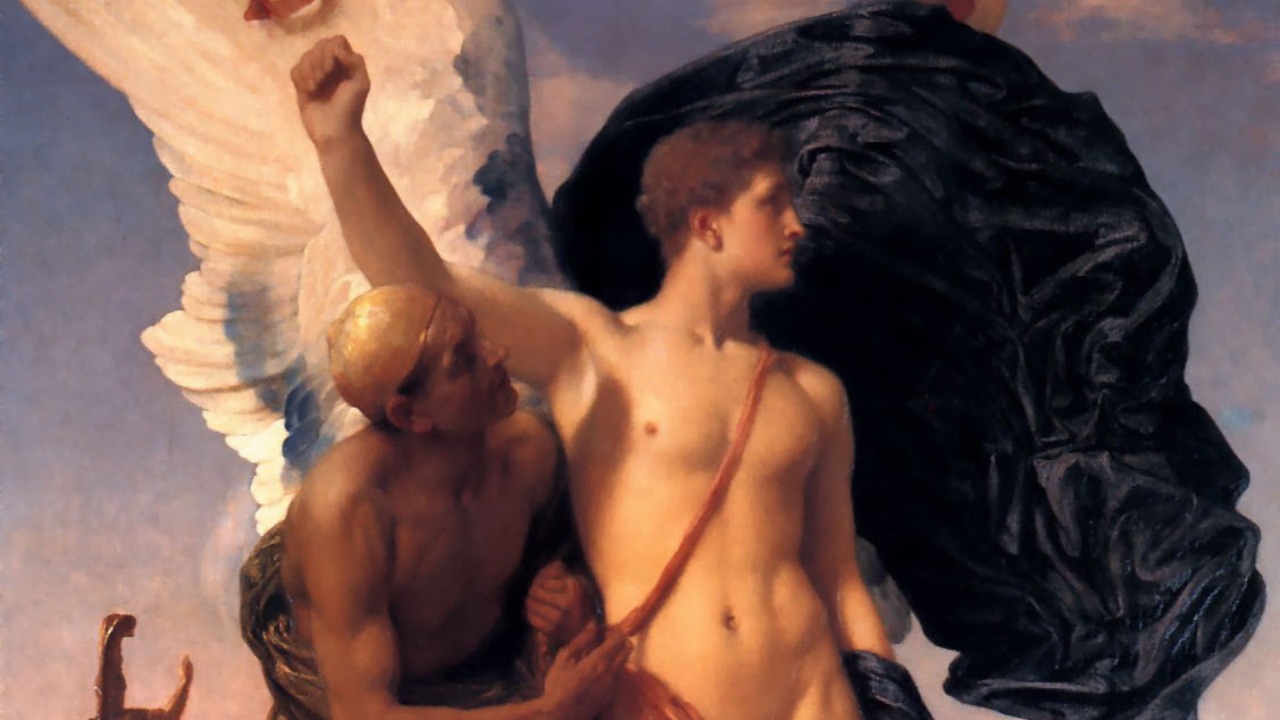
The Greek myth of Icarus, who flew too close to the sun and fell into the sea, has been seen as a cautionary tale about hubris. In a fascinating twist, the invention of aviation has turned the dream of human flight into reality. Today, we navigate the skies with ease, making Icarus’s mythical flight less a warning and more a prophecy.
Atlantis Legends and Underwater Archaeological Discoveries
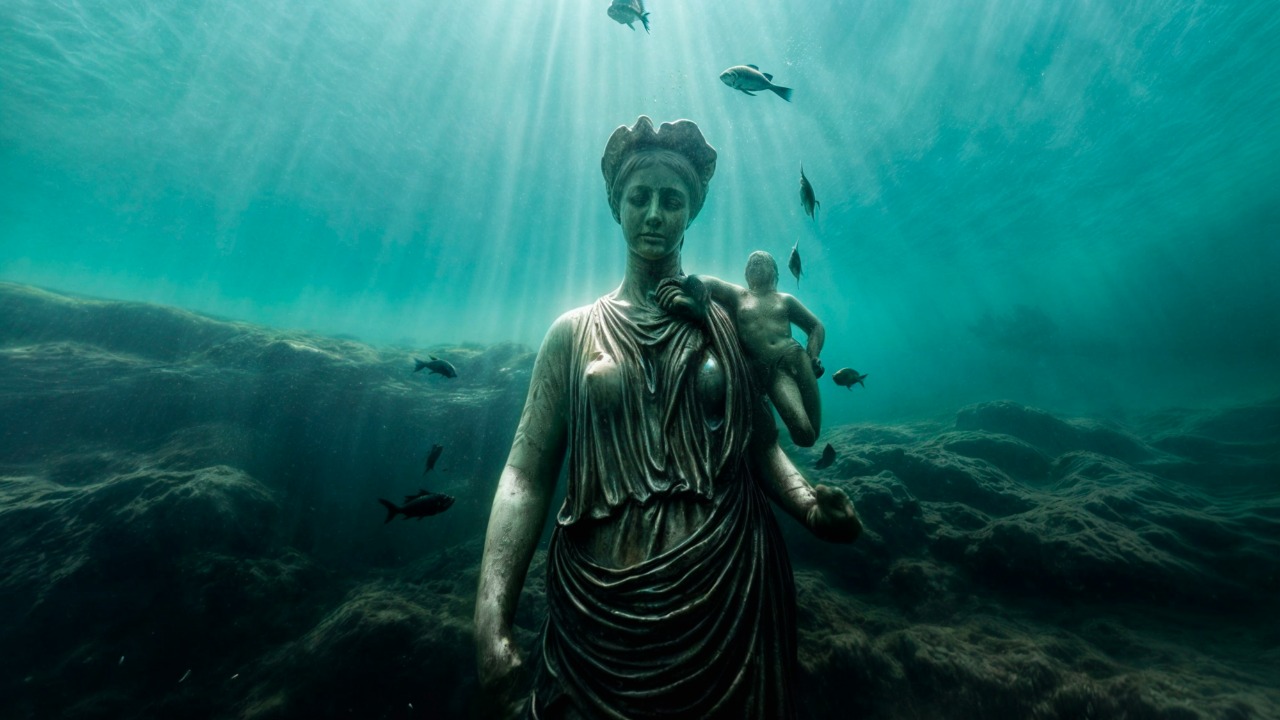
The legend of Atlantis, a sophisticated civilization that sunk into the sea, has intrigued scholars for centuries. In recent years, underwater archaeological discoveries of submerged ancient cities have brought us closer to the Atlantis myth. For instance, the sunken city of Thonis-Heracleion off Egypt’s coast echoes the Atlantis legend, highlighting how mythology can sometimes foreshadow scientific discoveries.
