
In the vast tapestry of life on Earth, the smallest living things often go unnoticed. Yet, these tiny entities play crucial roles in ecosystems and scientific research. From microscopic bacteria to diminutive mammals, the diversity of life at the smallest scale is both fascinating and essential to understanding the broader picture of biology.
Bacteria: Mycoplasma Genitalium
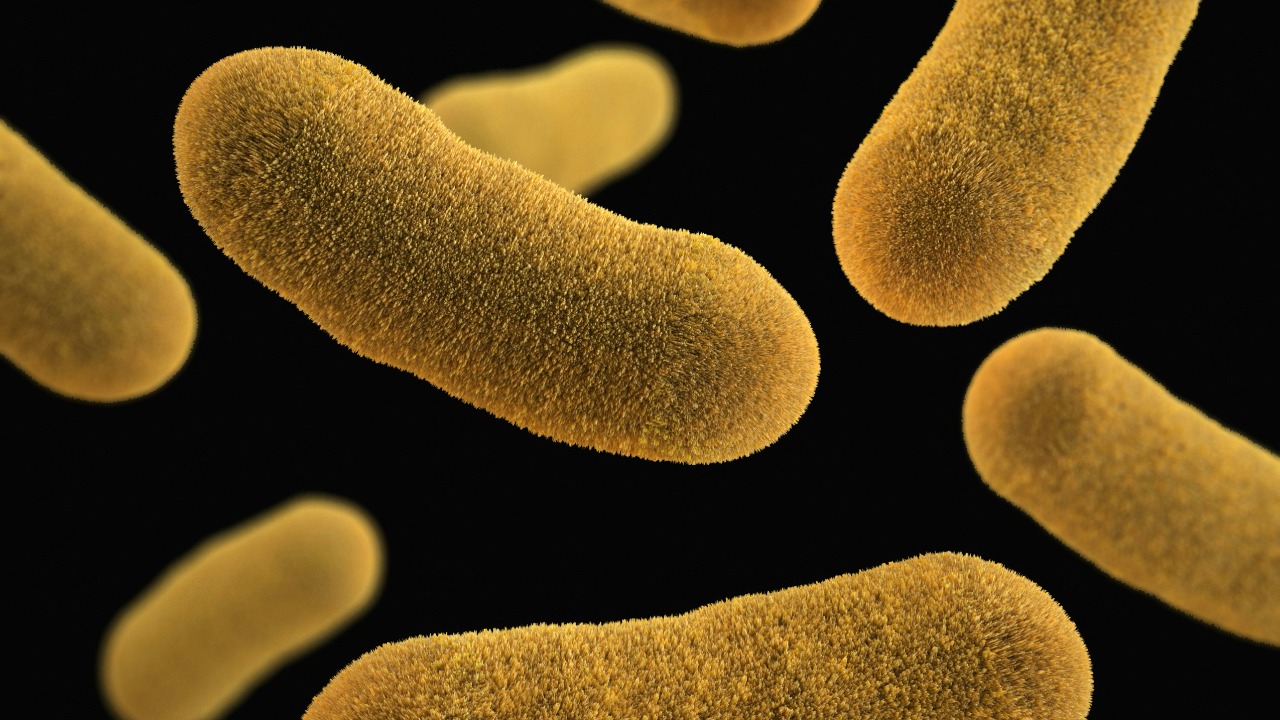
The smallest known bacteria, Mycoplasma genitalium, is a remarkable example of life’s minimalistic design. Measuring approximately 200 to 300 nanometers in diameter, it has one of the smallest genomes of any free-living organism. This bacterium is often studied for its simple structure and genetic composition, providing insights into the basic functions necessary for life.
Found primarily in the human urogenital tract, Mycoplasma genitalium is also notable for its role in sexually transmitted infections, presenting challenges in diagnosis and treatment.
Archaea: Nanoarchaeum Equitans
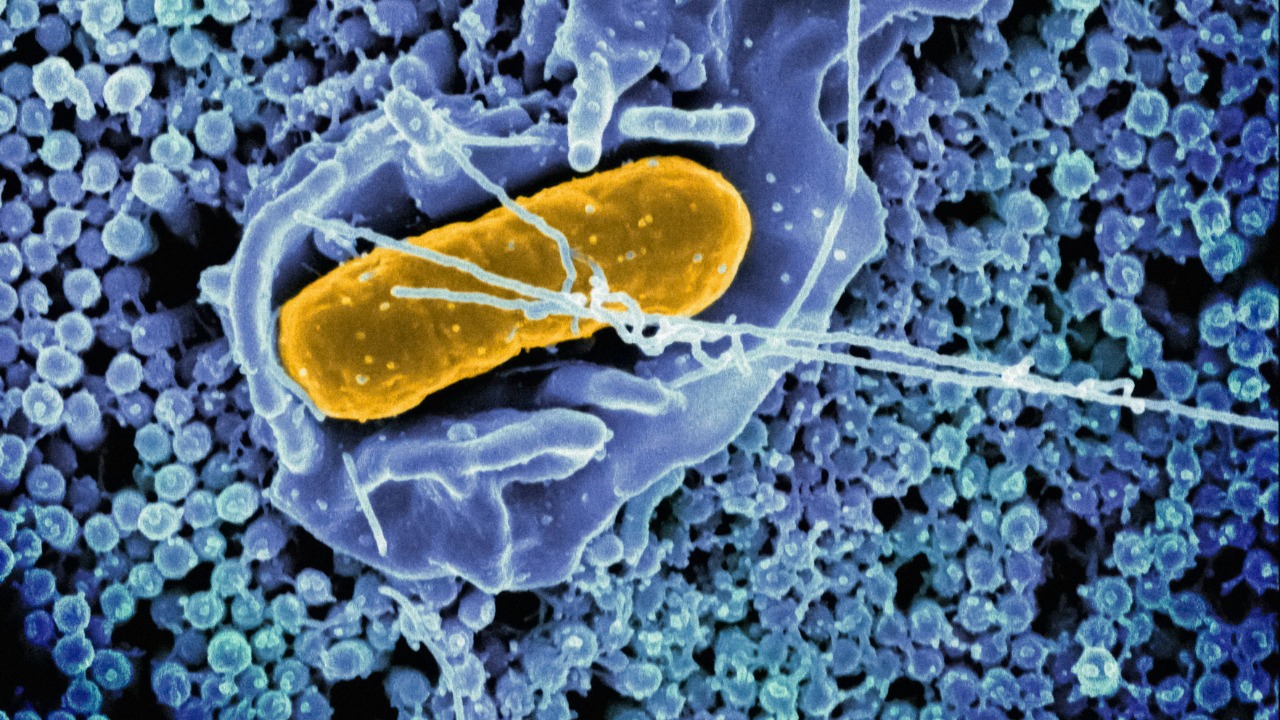
Nanoarchaeum equitans is a fascinating member of the domain Archaea, known for its tiny size and symbiotic lifestyle. Discovered in hydrothermal vents, this archaeon measures about 400 nanometers in diameter. Unlike many organisms, Nanoarchaeum equitans cannot grow independently; it relies on a host archaeon, Ignicoccus, for survival.
This unique dependency makes it a compelling subject for research into the evolution of symbiosis and minimal life forms.
Virus: Bacteriophage MS2
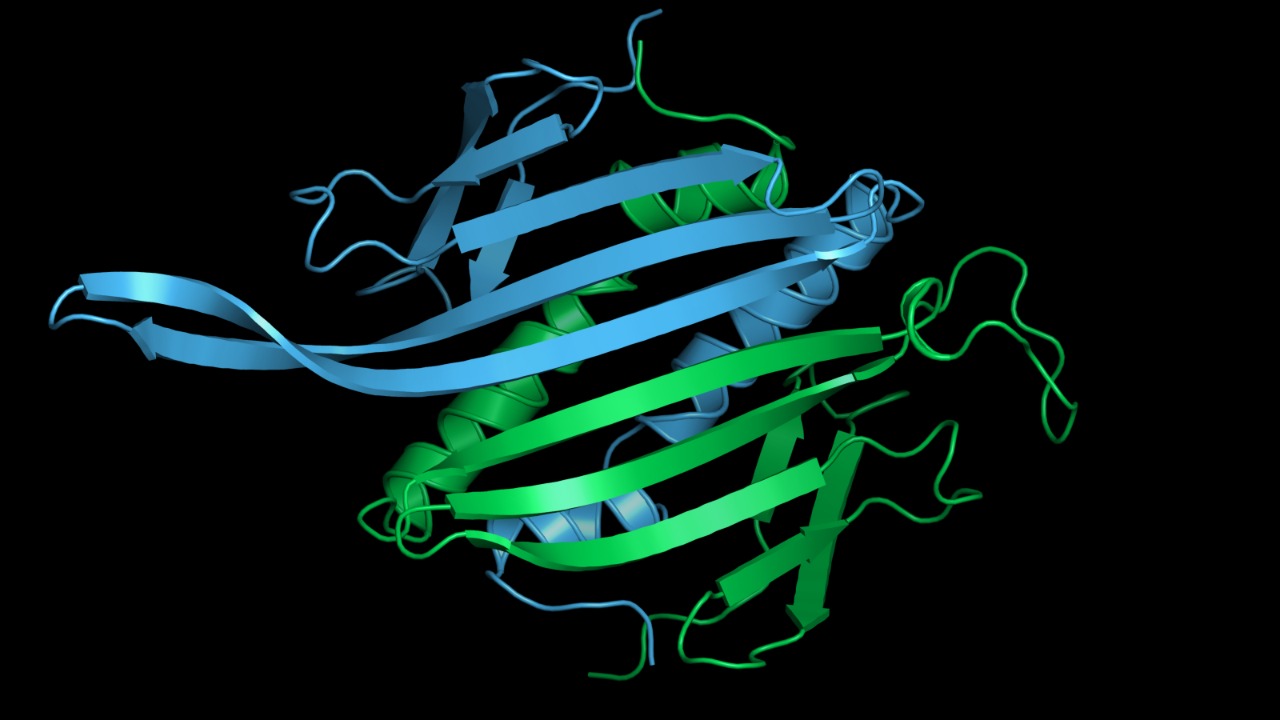
Bacteriophage MS2 is an RNA virus that infects Escherichia coli, and is one of the smallest known viruses. With a diameter of about 27 nanometers, it serves as a model organism in molecular biology. Bacteriophage MS2 is particularly useful in understanding RNA replication and virus-host interactions, offering insights that extend to larger viral families.
Fungus: Microsporidia
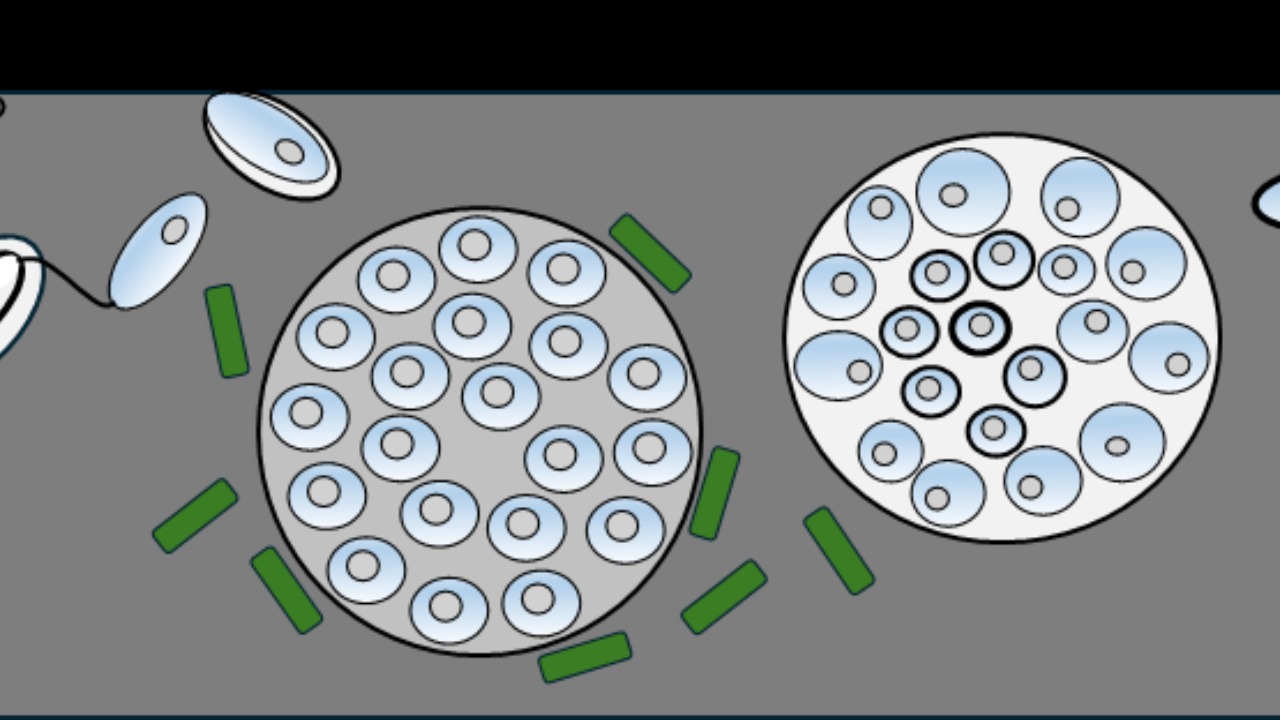
Microsporidia are a group of spore-forming unicellular parasites that are among the smallest fungi. These organisms are less than 2 micrometers in size and infect a wide range of hosts, including humans. Microsporidia are known for their highly reduced cellular structure and genome, which provide a unique perspective on the evolution of parasitism.
Their impact on immunocompromised individuals highlights their significance in medical research.
Protozoa: Ostreococcus Tauri
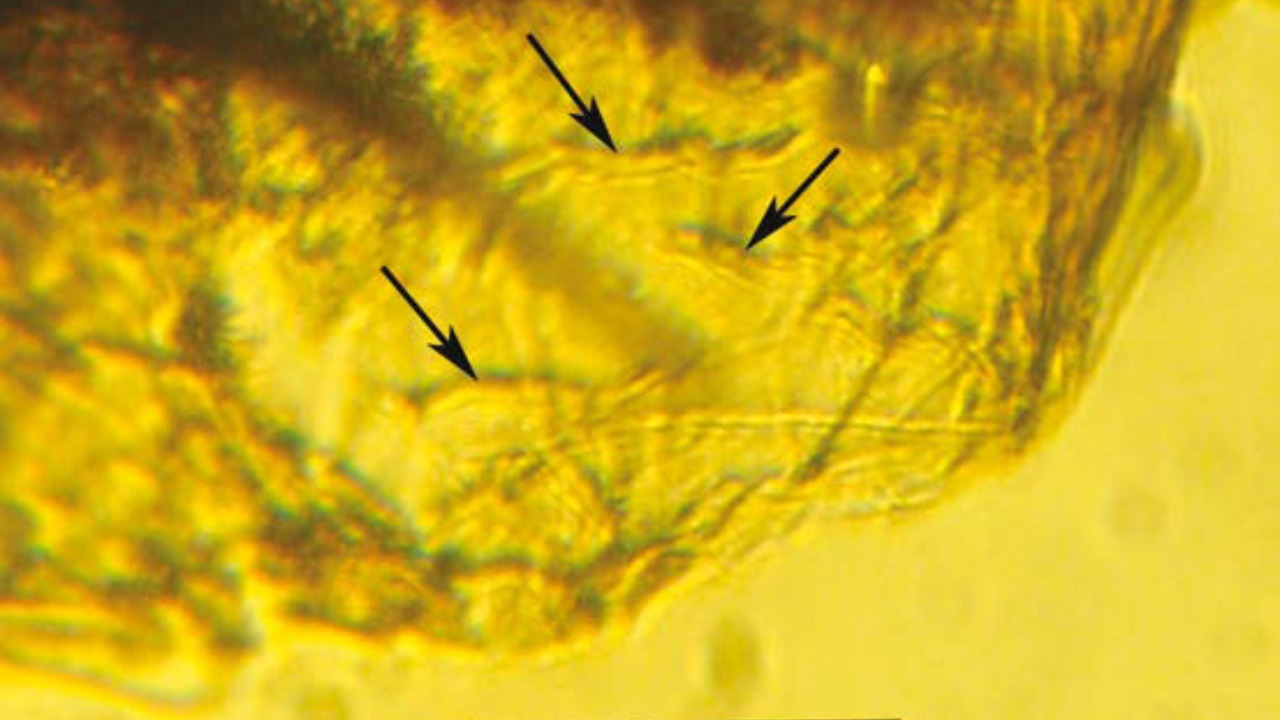
Ostreococcus tauri is the smallest known free-living eukaryote, measuring around 0.8 micrometers. As a member of the green algae family, it plays a crucial role in marine ecosystems and is often found in coastal waters.
This organism’s compact genome and cellular simplicity have made it an important model for studying plant cell evolution and photosynthesis.
Algae: Cyanobacteria Prochlorococcus
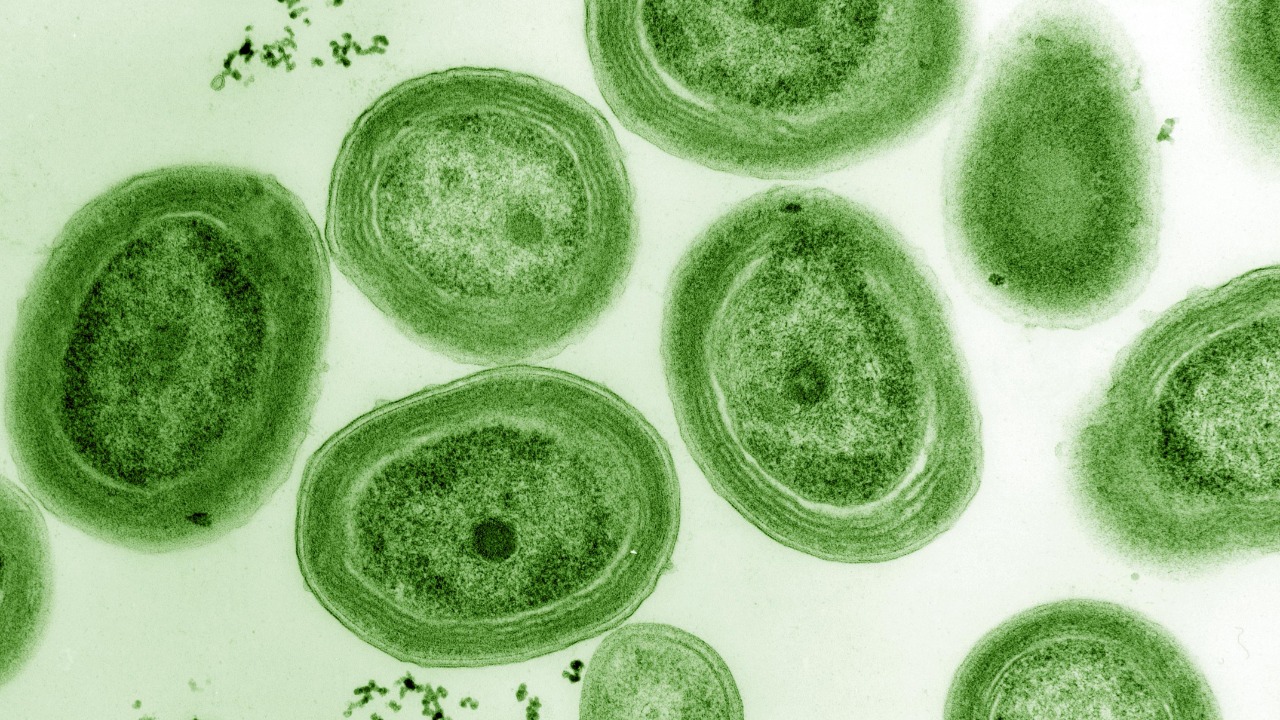
Prochlorococcus is a genus of cyanobacteria that includes some of the smallest and most abundant photosynthetic organisms on Earth. Measuring about 0.5 to 0.8 micrometers, these bacteria are vital to oceanic photosynthesis and carbon cycling.
Their genetic diversity and adaptability have made them a key focus in studies of marine ecology and global climate regulation.
Insect: Fairyfly (Tinkerbella Nana)
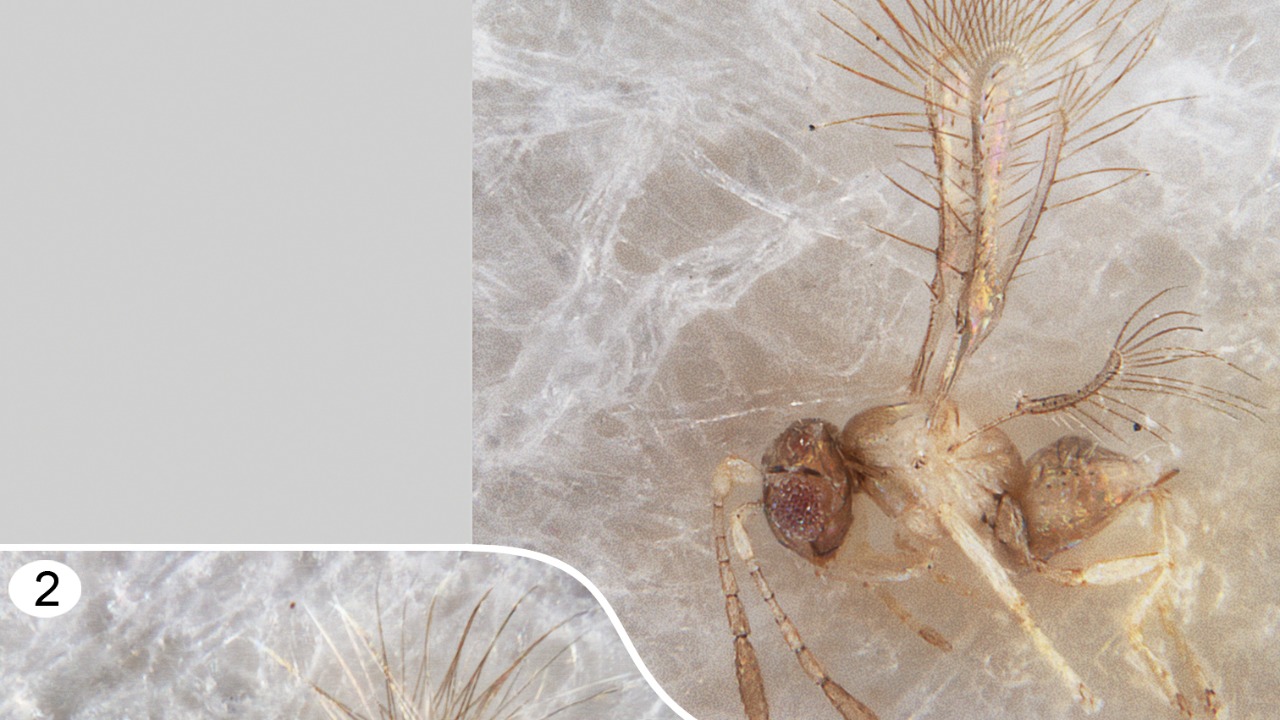
The fairyfly, specifically Tinkerbella nana, is one of the tiniest insects, with an average length of just 250 micrometers. These parasitic wasps are part of the family Mymaridae and are known for their delicate wings and minimal size.
Found in Central and South America, fairyflies play a role in controlling pest populations, highlighting their ecological importance despite their small stature. More about tiny insects can be found here.
Fish: Paedocypris Progenetica
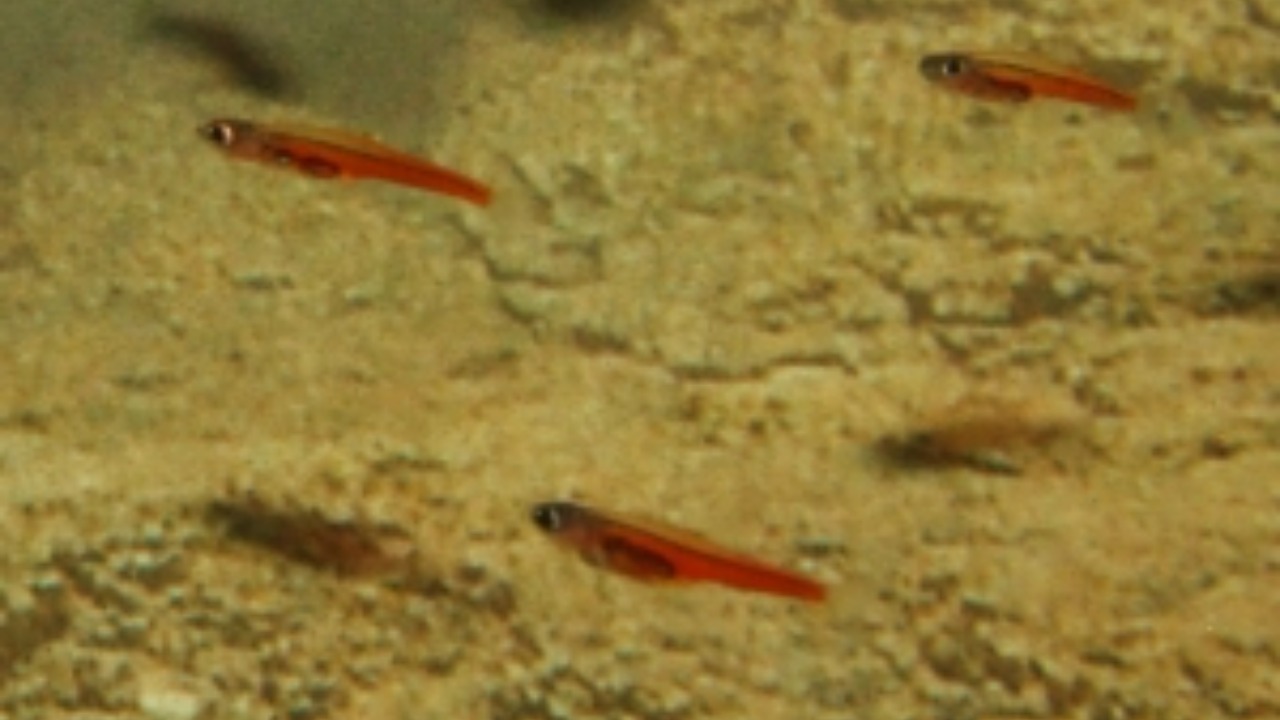
Paedocypris progenetica holds the title of the world’s smallest known fish and vertebrate, with adults measuring just 7.9 millimeters. Discovered in the peat swamps of Southeast Asia, this tiny fish has adapted to life in extreme conditions. Its transparent body and reduced skeleton reflect its unique evolutionary path, making it a subject of interest in studies of vertebrate development and adaptation.
Mammal: Etruscan Shrew
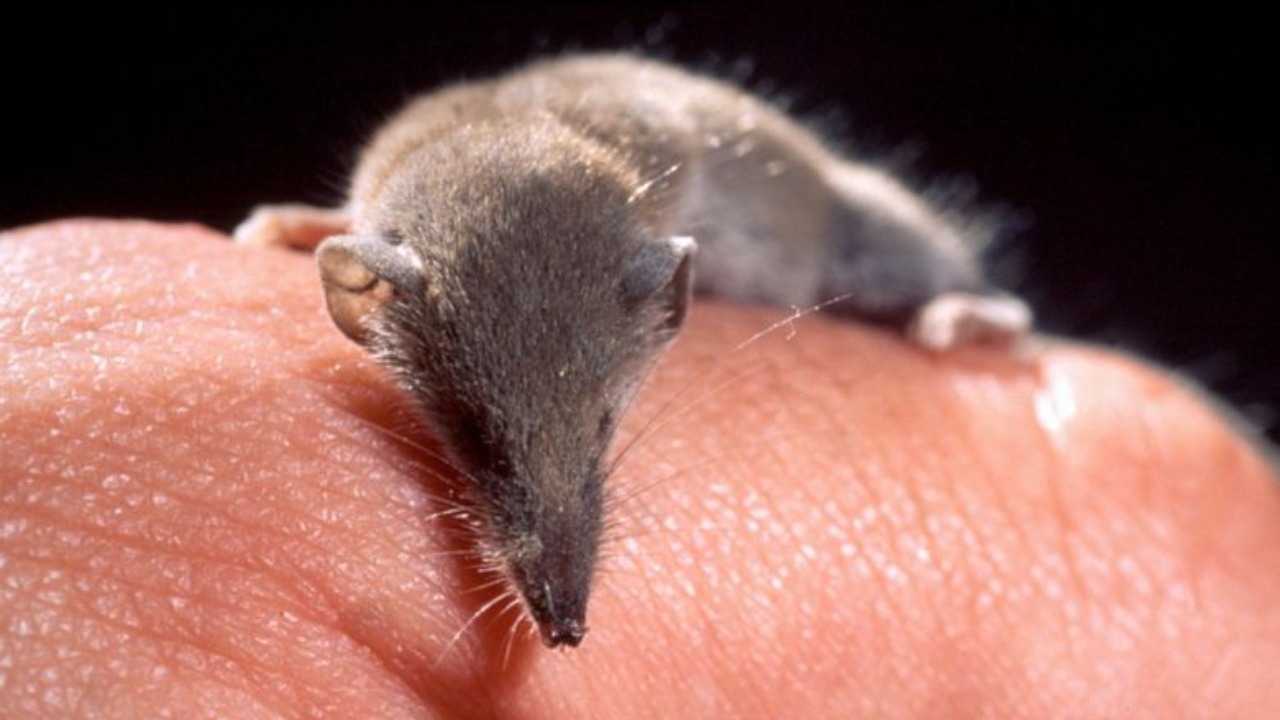
The Etruscan shrew, or Suncus etruscus, is the smallest known mammal by mass, typically weighing around 1.8 grams. Despite its small size, this shrew has a voracious appetite, consuming up to twice its body weight daily.
Its rapid metabolism and high-energy lifestyle provide insights into mammalian physiology and survival strategies in diverse environments.
Bird: Bee Hummingbird
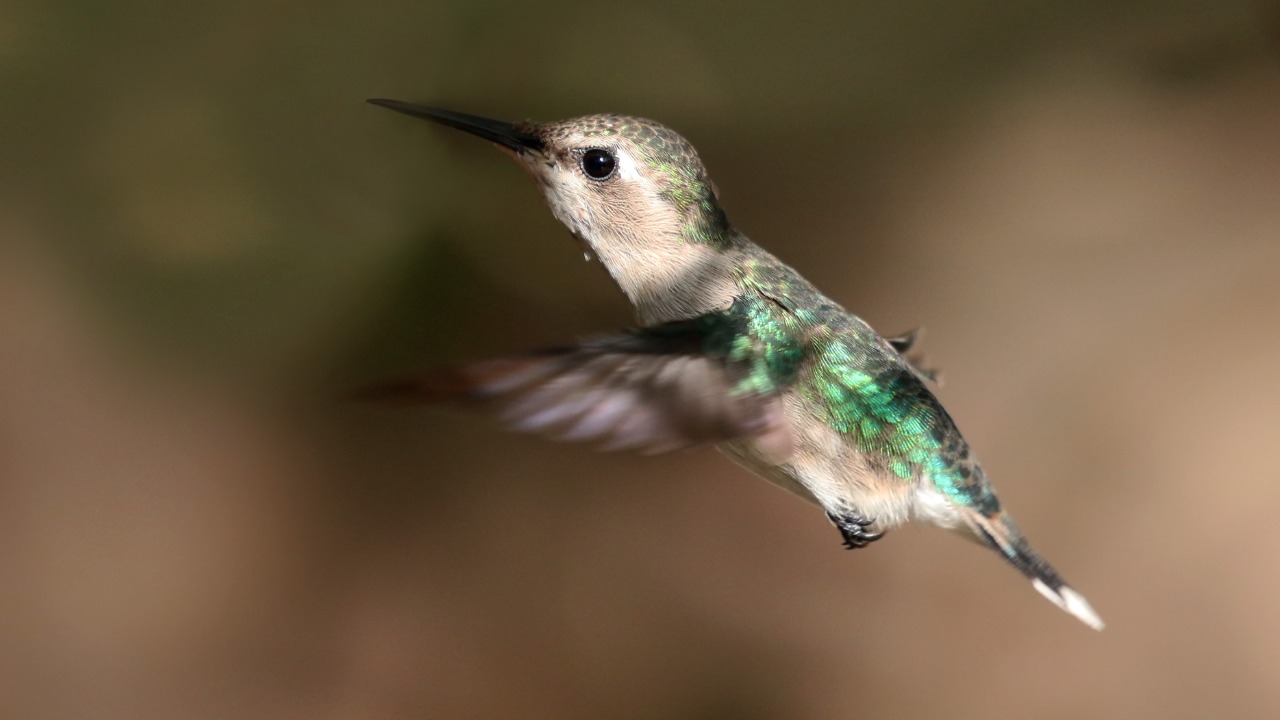
The bee hummingbird, or Mellisuga helenae, is the smallest bird in the world, endemic to Cuba. Measuring just over 5 centimeters in length and weighing about 1.6 grams, this bird is a marvel of evolutionary miniaturization.
Its vibrant plumage and rapid wing beats exemplify the beauty and complexity of avian life, offering a unique perspective on the challenges and adaptations of small-scale existence. For more on tiny creatures, check out this study.
