
From the icy expanses of Antarctica to the dry stretches of the Sahara, humans have proven to be surprisingly resilient. There are places on Earth where survival seems impossible, yet humans have managed to adapt and thrive. Here are ten such locations, showcasing the extremes of human endurance and adaptability.
The Antarctic Wilderness
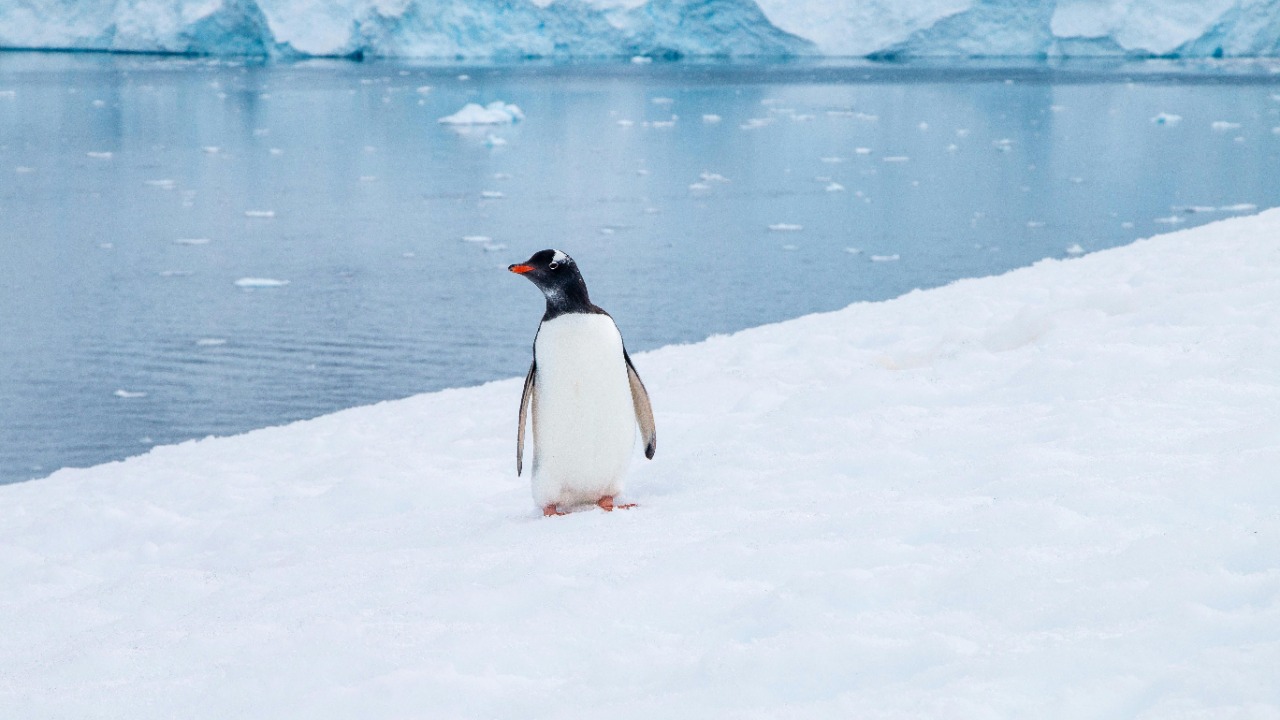
The Antarctic Wilderness is a frozen desert where temperatures can plummet below -50°C (-58°F). Despite this, a few scientists brave the harsh conditions to conduct vital research. The isolation, severe cold, and unpredictable weather make this one of the most inhospitable places on Earth.
Life in Antarctica demands a high level of preparedness and resilience. The remote research stations are equipped with supplies to last months in the event of a supply delay. Yet, the allure of scientific discovery keeps drawing researchers to this icy expanse.
The Summit of Mount Everest
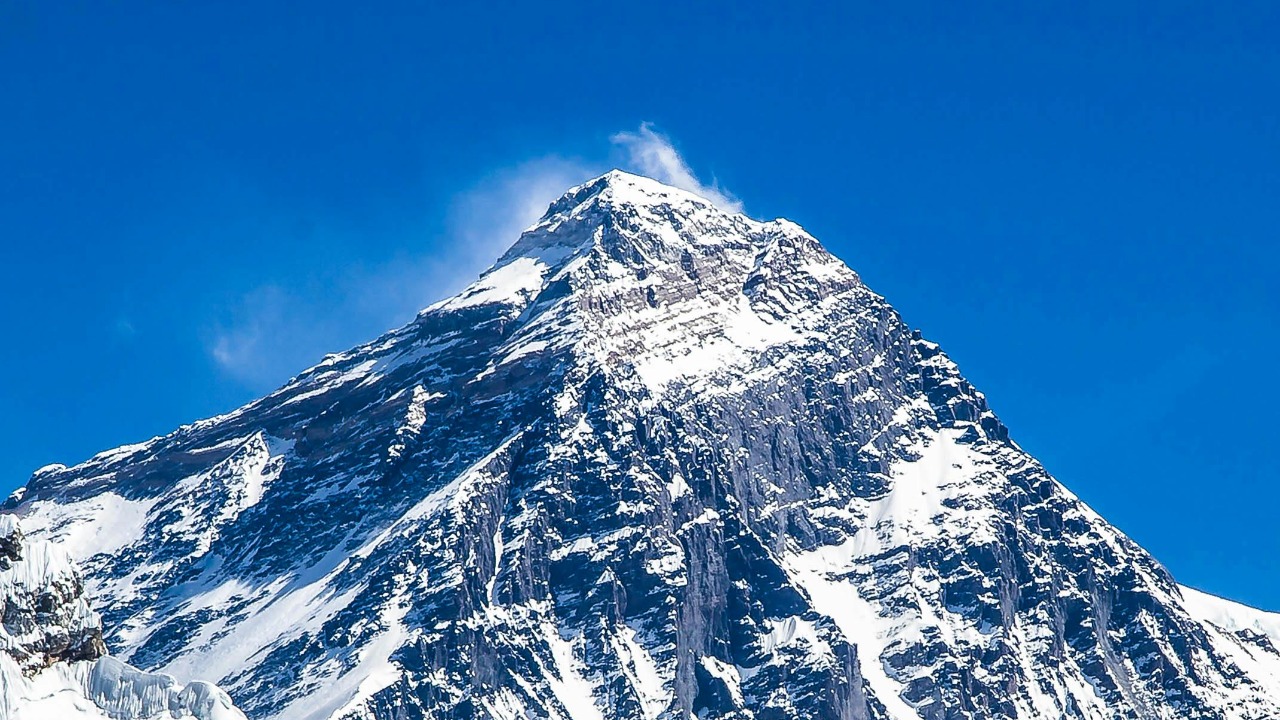
Standing at 8,848 meters (29,029 feet), Mount Everest’s summit is not only the highest point on Earth but also one of the most difficult to survive. The extreme altitude results in oxygen levels that are just a third of those at sea level.
Despite the severe conditions, climbers continue to attempt the ascent each year. The journey is fraught with danger, including avalanches, crevasses, and the infamous “Death Zone” above 8,000 meters where the human body struggles to survive.
The Depths of the Amazon Rainforest
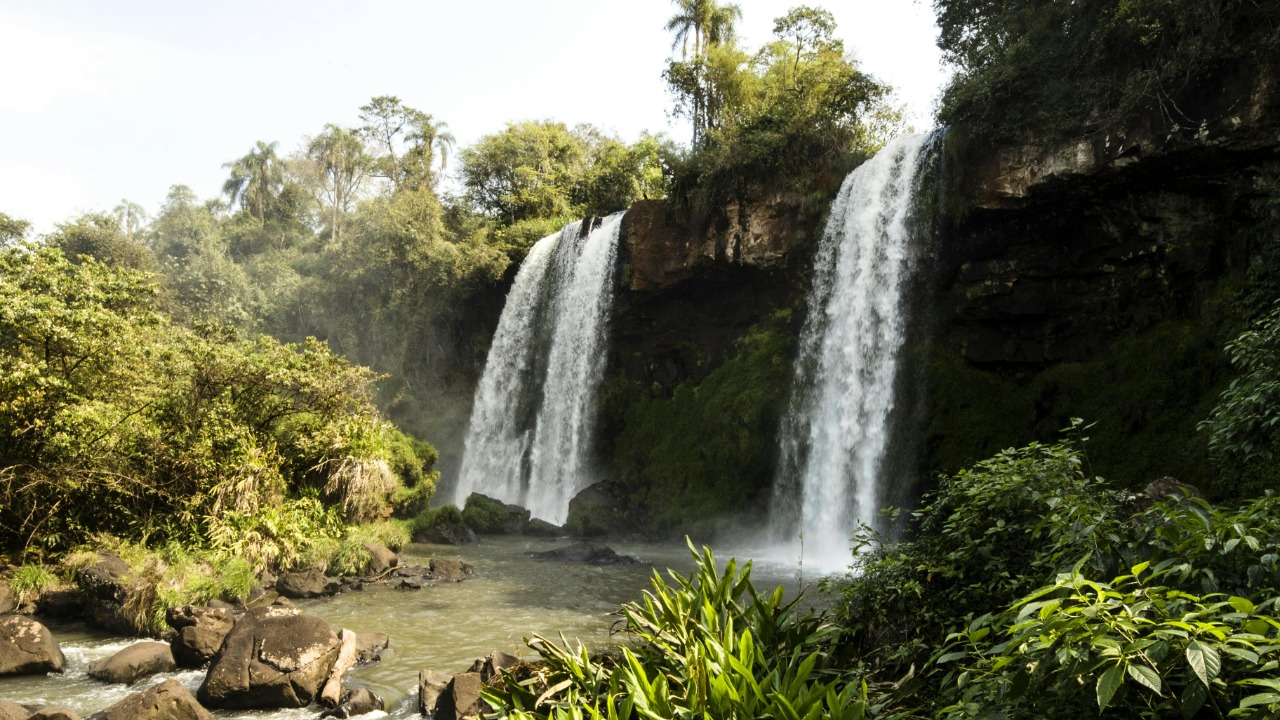
The Amazon Rainforest is a lush, sprawling ecosystem teeming with life. However, its dense vegetation, dangerous wildlife, and tropical diseases make survival a daunting task. Indigenous tribes have adapted over centuries to thrive in this challenging environment.
For outsiders, the rainforest presents numerous hazards, from venomous creatures to unpredictable weather. Yet, it remains a vital source of biodiversity and ecological study.
The Sahara Desert

The Sahara Desert is the largest hot desert in the world, with temperatures soaring above 50°C (122°F) in some areas. Water is scarce, and sandstorms can reduce visibility to zero within minutes.
Despite these challenges, nomadic tribes have made the Sahara their home for centuries. Their survival hinges on an intimate knowledge of the land and its resources, showcasing human adaptability at its finest.
The Mariana Trench

The Mariana Trench is the deepest part of the world’s oceans, plunging nearly 11 kilometers (7 miles) beneath the surface. The crushing pressure and complete darkness make it one of Earth’s most extreme environments.
While no human can survive here without technology, advancements in deep-sea exploration have allowed scientists to study its unique ecosystem. The trench remains a frontier for discovery and an example of nature’s extremes.
The Atacama Desert
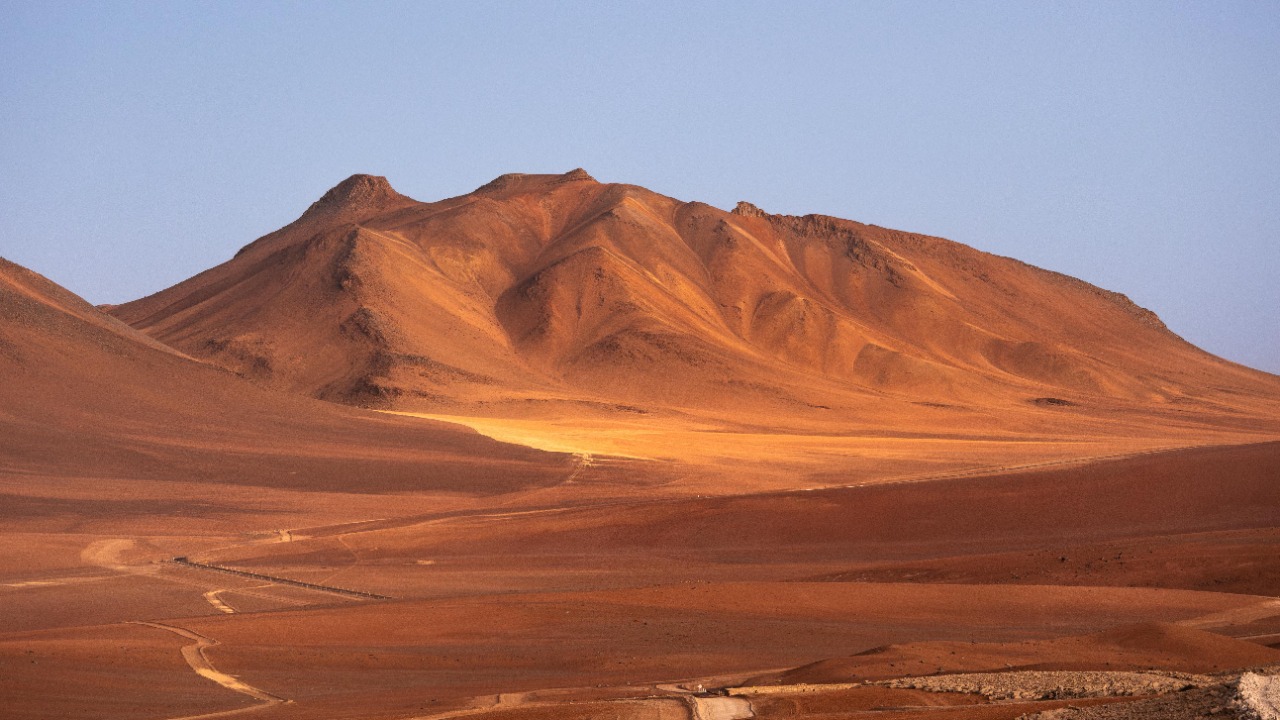
The Atacama Desert in Chile is the driest non-polar desert on Earth, with some areas receiving less than 1 millimeter of rain annually. Despite its arid conditions, the region supports mining and small communities.
Innovative water collection techniques and the resilience of its inhabitants have made survival possible. The Atacama also serves as a site for astronomical observations, thanks to its clear skies and minimal light pollution.
The Arctic Tundra
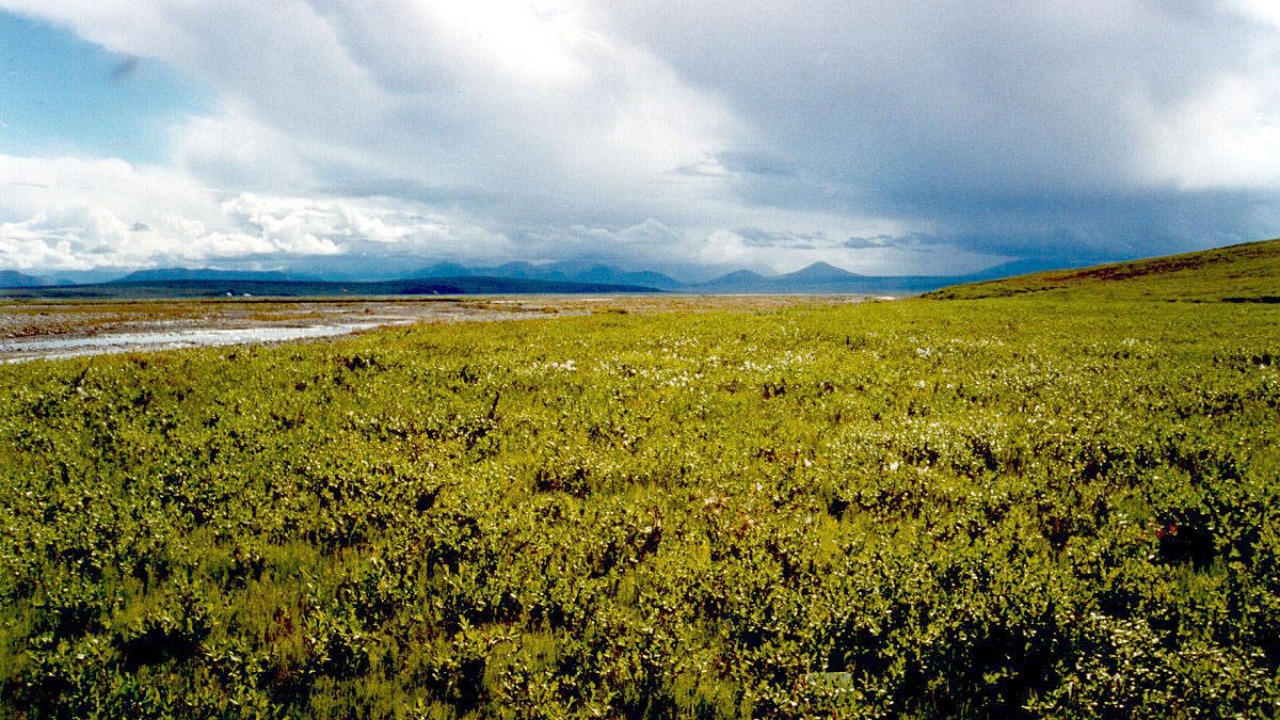
The Arctic Tundra is characterized by freezing temperatures, limited vegetation, and a permafrost-covered landscape. Indigenous peoples like the Inuit have lived here for generations, relying on hunting and fishing to sustain their communities.
Climate change poses new challenges to this delicate environment, impacting traditional ways of life. Yet, the resilience and adaptability of the Arctic’s inhabitants continue to inspire awe.
The Chernobyl Exclusion Zone
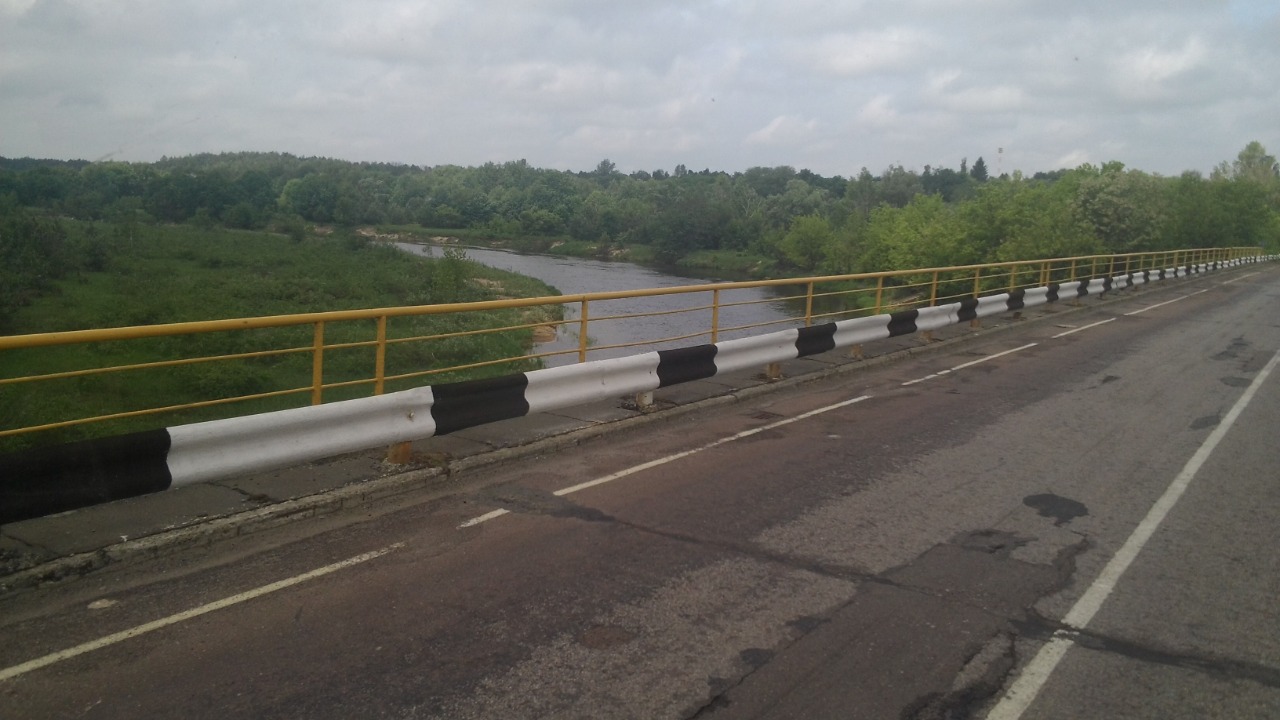
The Chernobyl Exclusion Zone, site of the 1986 nuclear disaster, is an area of high radiation where human habitation is officially banned. Despite this, a few residents have returned, defying the risks to live in their ancestral homes.
The zone has become an unexpected refuge for wildlife, with nature reclaiming the abandoned landscapes. It stands as a stark reminder of human impact on the environment and the enduring spirit of those who choose to return.
The Australian Outback
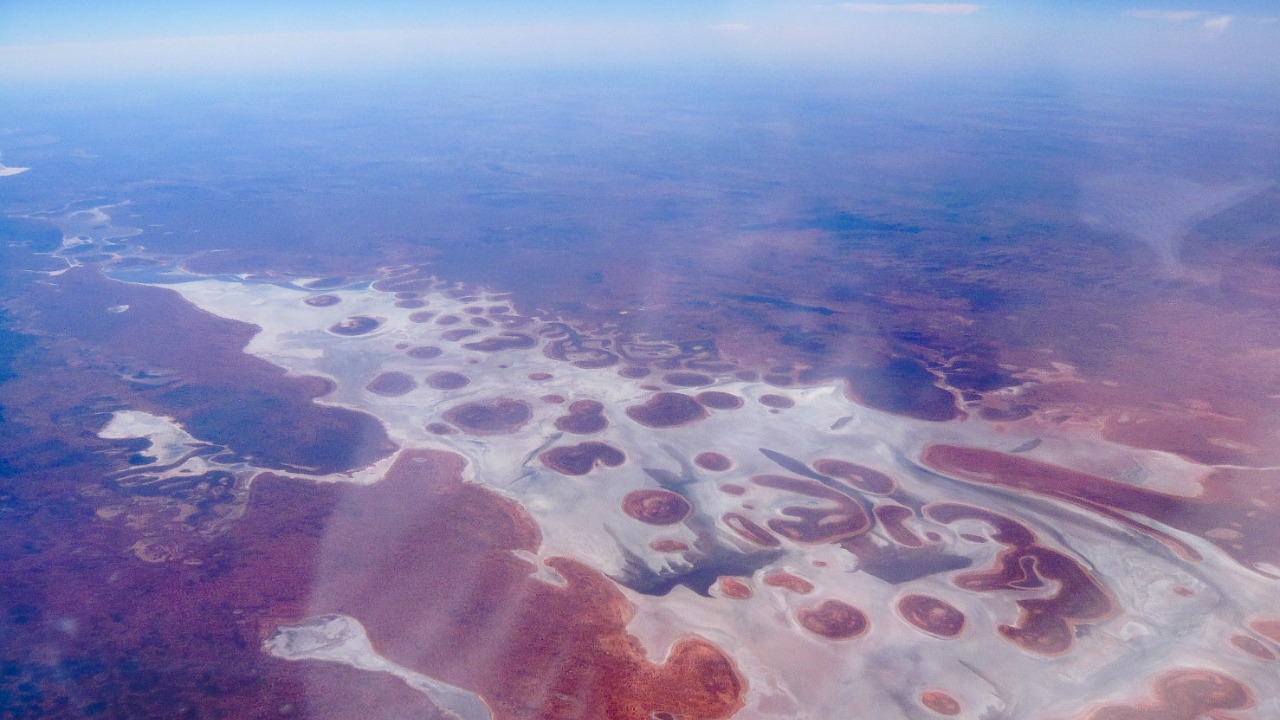
The Australian Outback is a vast, remote region with extreme temperatures and limited water sources. It is home to diverse wildlife and indigenous communities who have thrived in this harsh environment for thousands of years.
Survival in the Outback requires a deep understanding of its challenges and resources. The resilience of its inhabitants reflects a profound connection to the land and its rhythms.
The Tibetan Plateau
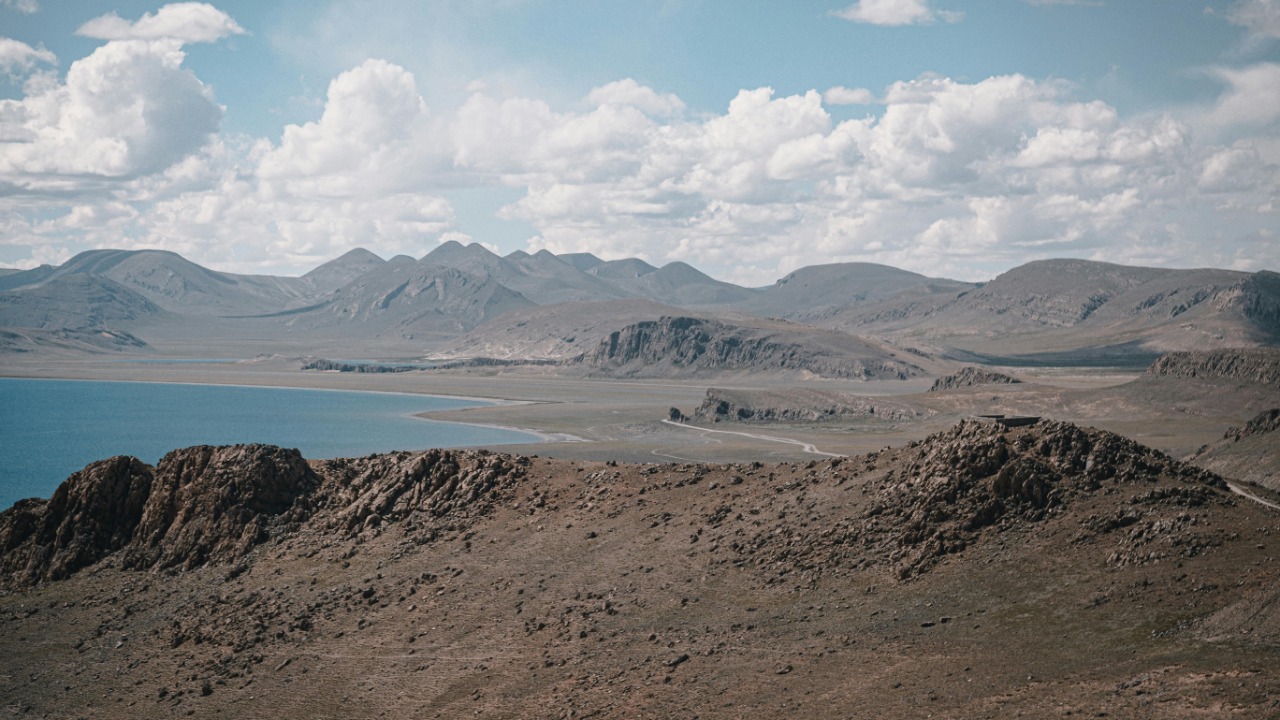
The Tibetan Plateau, often called the “Roof of the World,” is a high-altitude region with an average elevation of 4,500 meters (14,800 feet). The thin air and cold climate make it a challenging place to live.
Despite these harsh conditions, the plateau is home to a rich cultural heritage and vibrant communities. The adaptability of the Tibetan people, combined with their spiritual practices, allows them to thrive in one of the world’s most extreme environments.
