
Throughout history, there have been scientific experiments that pushed the boundaries of ethics and safety. These notorious experiments have left a lasting impact, showcasing the importance of ethical considerations in research. Let’s delve into ten experiments that are best left in the past due to their dangerous and controversial nature.
Chernobyl Reactor Test

The Chernobyl disaster is perhaps the most infamous nuclear accident in history. On April 26, 1986, a safety test went horribly wrong, leading to a catastrophic explosion at Reactor 4 of the Chernobyl Nuclear Power Plant. The fallout contaminated vast areas, resulting in long-term health and environmental consequences. This incident serves as a stark reminder of the potential dangers of nuclear power when safety protocols are not strictly adhered to.
The Philadelphia Experiment

Shrouded in mystery and conspiracy, the Philadelphia Experiment allegedly involved a U.S. Navy destroyer escort becoming invisible and teleporting in 1943. While many consider it a myth or exaggerated tale, the story persists in popular culture. The experiment is said to have caused horrific side effects on the crew, raising ethical concerns about the boundaries of scientific experimentation.
Project MKUltra

Project MKUltra was a covert CIA program that tested mind control techniques on unsuspecting individuals. From the 1950s to the 1970s, various unethical methods, including drug administration and psychological torture, were employed. The program’s exposure in the 1970s led to public outrage and a reevaluation of ethical standards in governmental research.
The Tuskegee Syphilis Study
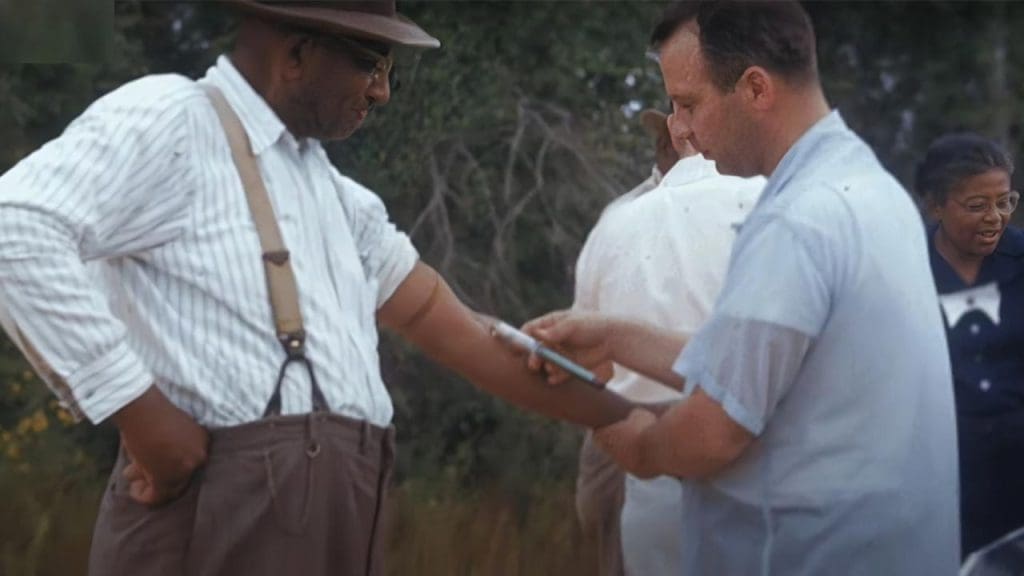
One of the most infamous cases of unethical medical experimentation, the Tuskegee Syphilis Study, involved the U.S. Public Health Service studying untreated syphilis in African American men without their informed consent. The study spanned from 1932 to 1972, causing unnecessary suffering and death. It is a grim reminder of the need for ethical standards in research, as highlighted here.
Operation Crossroads Nuclear Tests

Conducted by the United States in 1946, Operation Crossroads involved two nuclear tests at Bikini Atoll in the Pacific Ocean. These tests aimed to study the effects of nuclear explosions on naval vessels. The tests displaced island inhabitants and resulted in environmental contamination, demonstrating the destructive power of nuclear weapons and their long-lasting impact on the environment.
The Stanford Prison Experiment

In 1971, psychologist Philip Zimbardo conducted the Stanford Prison Experiment to examine the psychological effects of perceived power. Participants were randomly assigned roles as guards or prisoners in a simulated prison environment.
The experiment spiraled out of control, with guards exhibiting abusive behavior. The study was terminated early, raising serious ethical questions about the treatment of participants in psychological research.
The Manhattan Project’s Trinity Test
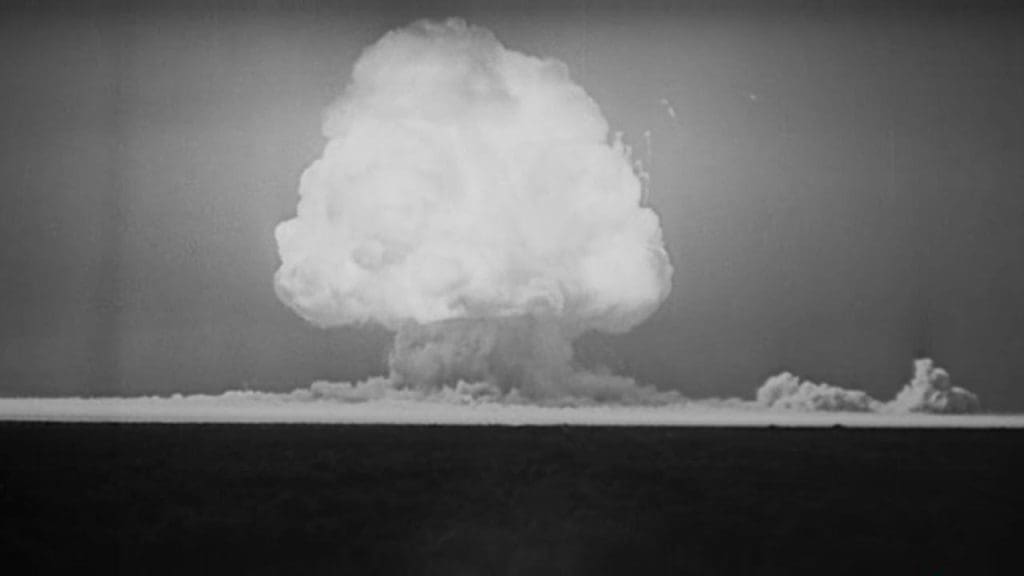
The Trinity Test, conducted on July 16, 1945, was the first detonation of a nuclear weapon. Part of the Manhattan Project, this test marked a pivotal moment in human history, ushering in the nuclear age. The environmental and health impacts of nuclear testing have been profound, highlighting the need for stringent controls on such powerful technologies.
The Milgram Obedience Experiment

In the 1960s, psychologist Stanley Milgram conducted a series of experiments to study obedience to authority. Participants were instructed to administer electric shocks to a learner, testing their willingness to follow orders even when causing harm.
The results, as explored here, revealed unsettling insights into human behavior and raised ethical concerns about the psychological impact on participants.
The Soviet Human-Ape Hybrid Experiment
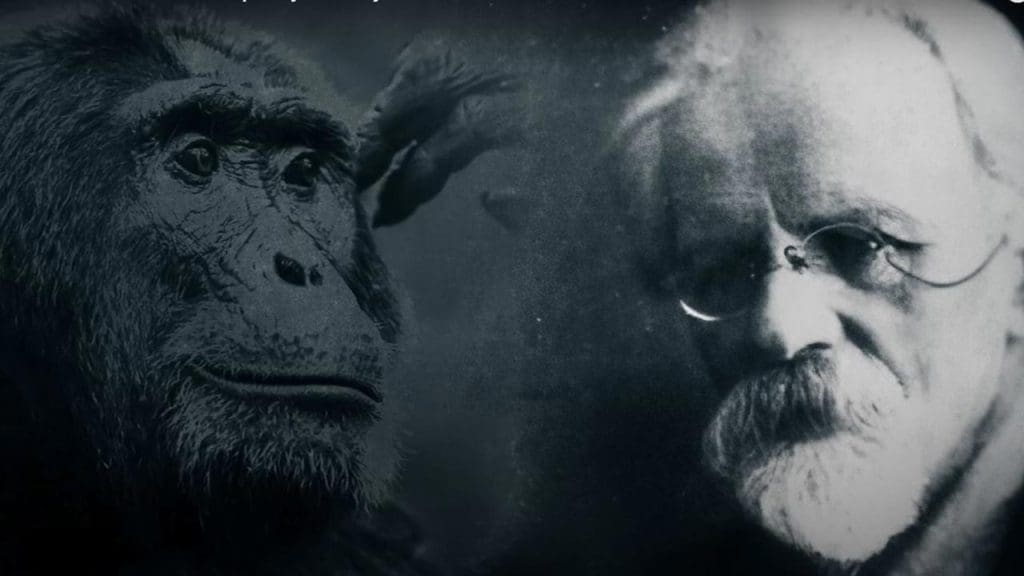
In the 1920s, Soviet scientist Ilya Ivanov attempted to create a human-ape hybrid, driven by ideological and scientific curiosity. His experiments, which involved artificial insemination, were ultimately unsuccessful and ethically questionable. This bizarre chapter in scientific history underscores the importance of ethical guidelines in genetic and animal research.
The Nazi Twin Experiments

Conducted during World War II under the direction of Josef Mengele, the Nazi Twin Experiments were horrific attempts to study genetic similarities and differences. Twins in concentration camps were subjected to inhumane procedures and torturous conditions.
The experiments remain a stark reminder of the atrocities committed in the name of science, emphasizing the need for ethical standards in scientific inquiry.
