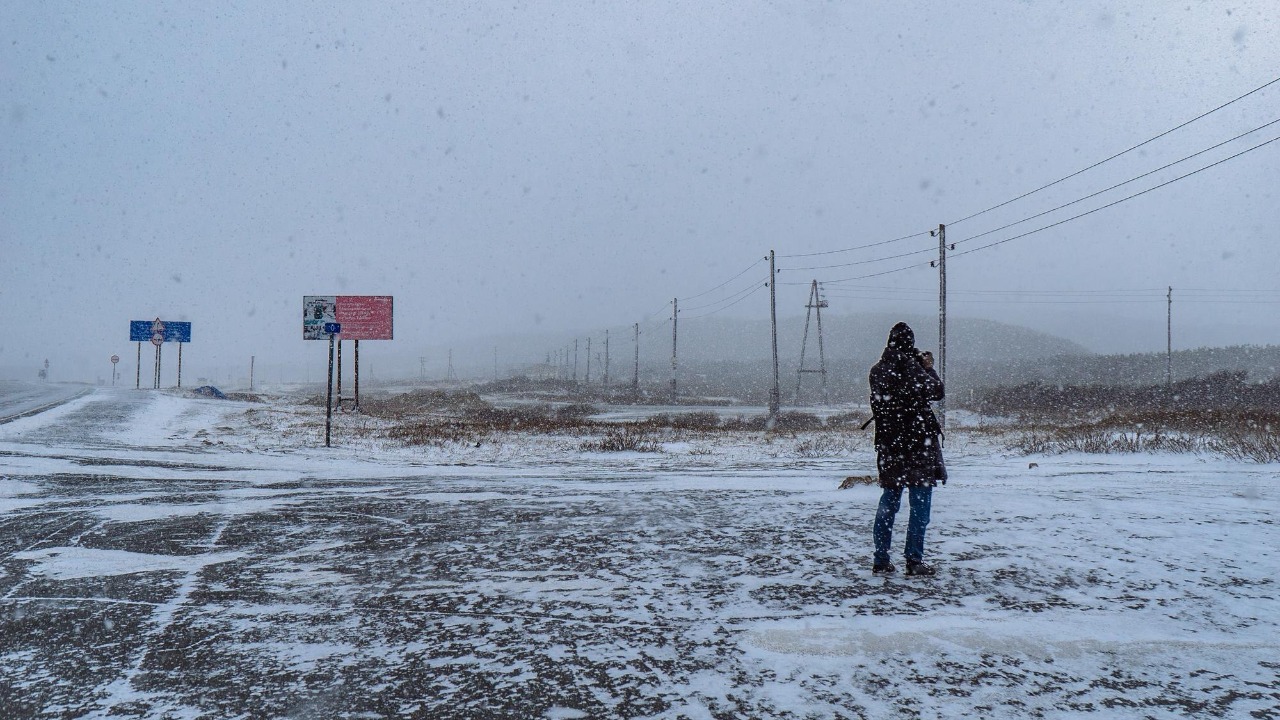

Forecast models are converging on a volatile setup for the eastern United States later this week, with a developing coastal system poised to tap cold air and Atlantic moisture. The key question for residents from the Mid-Atlantic to New England is whether that system organizes into a high-impact snowstorm or slides just far enough offshore to spare the big cities its worst.
Based on current guidance, I see a genuine risk of disruptive snow along parts of the Northeast corridor, but the exact track, timing, and rain–snow line remain unusually uncertain for this close to the event. That uncertainty is already shaping how meteorologists talk about the storm, and it should shape how travelers, commuters, and local officials prepare.
Why forecasters are unusually cautious about this storm
Computer models agree that a strong winter system will form along the East Coast, yet they still diverge on where the heaviest snow bands will set up and how much warm air will intrude near the shoreline. I read that specialists tracking two separate waves in the atmosphere describe them as “puzzling,” a sign that the usual model consensus has not fully locked in even as the clock ticks toward the end of the week. That is why many outlets are framing the event as a “disruptive” possibility for the Northeast rather than a guaranteed blockbuster.
One detailed outlook notes that a snowstorm is possible for the big cities of the Northeast, with “potential impacts to travel and infrastructure” if the coastal low deepens close to shore. In that same discussion, meteorologist Doyle Rice highlights that forecasters are watching how the storm will evolve in a Jan forecast update, underscoring that the atmosphere is still in flux. Another analysis flags that there are “Potential impacts to travel and infrastructure” from both storms, but adds a clear “However” when describing how much uncertainty remains about their exact paths, a reminder that even sophisticated modeling can struggle with complex coastal setups Potential.
Who is most at risk along the East Coast?
The corridor from the Carolinas to New England appears to be in the storm’s crosshairs, but the nature of the threat changes dramatically with latitude. Farther south, the main story is the unusual reach of wintry precipitation, with one forecast warning that a complex winter storm could bring heavy snow as far south as North Carolina and then ride up the heavily populated United States I‑95 corridor. That same guidance stresses that the storm’s structure will determine whether cities along that route see plowable snow or a messy mix that limits accumulation but still snarls traffic.
Farther north, attention turns to whether the I‑95 corridor, including major hubs like Boston, wakes up to a winter landscape or watches rain wash away any early flakes. One analysis frames the setup with the question, “Will the” coastal cities along that route, including Boston, see a true snowstorm or a slushy near miss, underscoring how sensitive the outcome is to a small shift in the storm track. I see that same tension in regional briefings, which emphasize that interior areas just west of the main highway are more likely to stay cold enough for significant snow, while locations right on the water could flip between rain and snow several times as the system passes.
Local signals from Pennsylvania to New England
Closer to the storm’s expected arrival, local forecasts are starting to sharpen, even as they keep a cautious tone. In south‑central Pennsylvania, for example, I see alerts that Both the National Weather Service and private forecasters are flagging the possibility of snow on Thursday, with some guidance pointing to a coastal low that could spread wintry precipitation inland toward York County. Those same updates stress that Meteorologists are still treating this as a developing story, a phrase that reflects how quickly snowfall projections can change when coastal storms interact with marginal temperatures and complex terrain Both the National.
Farther north, regional outlooks hint that interior New England and the higher elevations stand a better chance of seeing substantial snow totals, while coastal zones from New York City to Boston may ride the edge of the rain–snow line. One national forecast explicitly mentions that a “disruptive” snowstorm is possible for big cities of the Northeast, but it pairs that with a reminder that we still do not know how the storm will evolve or how it will impact the largest population centers. That blend of warning and restraint is typical when forecasters are dealing with a coastal system that could either tuck in close to shore and dump heavy snow or slide just far enough east to spare the urban core its worst effects Jan.
How to read the models and official alerts
For anyone trying to make sense of the shifting maps on social media, the most important step is to separate early model runs from official forecasts. Individual model snapshots can show eye‑popping snow totals, but professionals focus on trends over multiple cycles and on ensemble averages that capture a range of possible tracks. I pay close attention to how forecasters talk about confidence levels and whether they emphasize a narrow band of heavy snow or a broader swath of lighter accumulations, since that language often reveals more than the raw numbers.
The most reliable starting point for the public remains the official forecast grids and hazard products from the National Weather Service, which synthesize model data with human expertise. Regional discussions there already highlight the chance of a coastal storm interacting with cold air over the interior, and they outline scenarios that range from a mainly rain event near the coast to a significant snow producer if the low tracks closer to land. I also note that some national outlooks reference 32 degrees as a critical threshold for whether precipitation sticks as snow or melts on contact, a reminder that ground temperatures and timing can be just as important as the storm’s overall strength when it comes to real‑world impacts 32.
What residents should do before the forecast locks in
Given the current spread of outcomes, I would treat the end of this week as a high‑impact window, even if the exact details are still fuzzy. That means anyone with travel plans along the East Coast, especially near the I‑95 spine from the Mid‑Atlantic to Boston, should build flexibility into their schedules and watch for rapid changes in timing and precipitation type. For drivers, that could mean shifting a long trip by half a day to avoid the heaviest bands, while airlines may begin issuing waivers if confidence in a major snow event increases.
At home, the usual winter preparations still apply, but they take on added importance when a storm’s track is uncertain. Stocking up on essentials, charging devices, and checking that snow shovels and ice melt are ready can turn a disruptive event into a manageable inconvenience if the storm does intensify near the coast. Local alerts already mention “Potential impacts to travel and infrastructure,” and they pair that with a clear “However” to stress that the final outcome is not yet locked in, a combination that I read as a nudge to prepare now rather than scramble later if the forecast shifts toward a more significant hit However.
More from Morning Overview