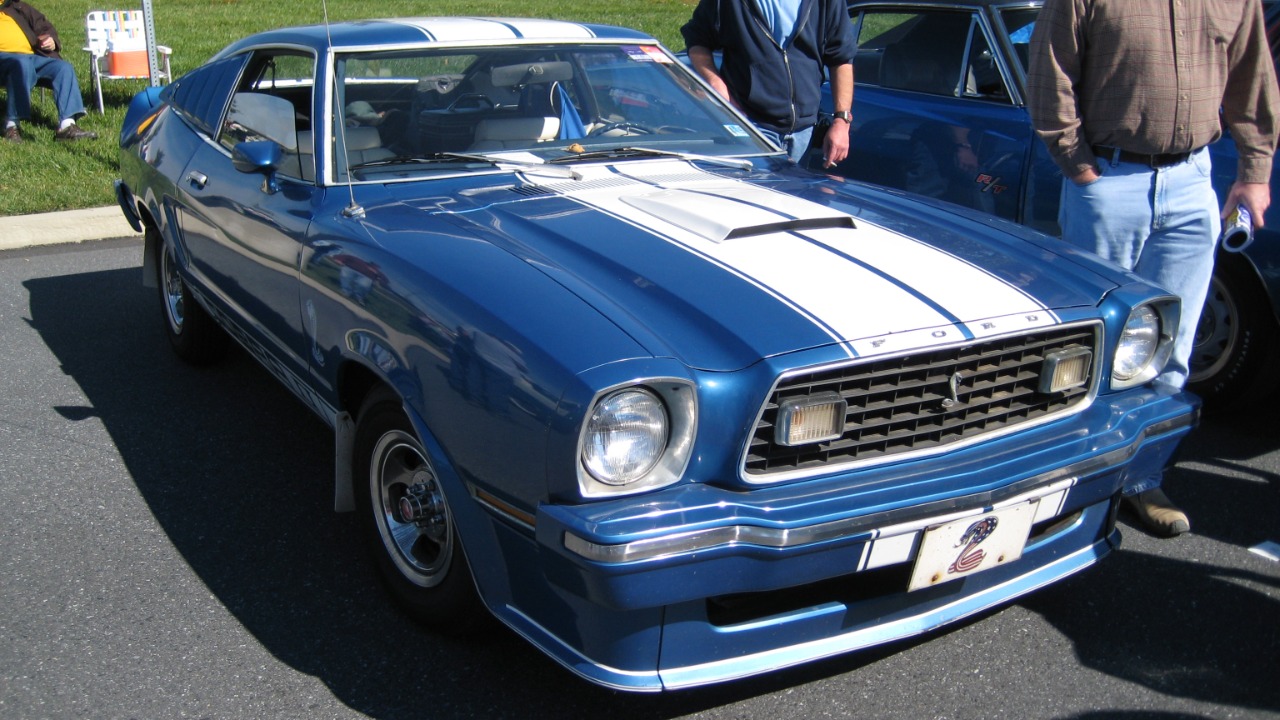

Mustang II front suspension started life under a compact 1970s pony car, yet it ended up under everything from ’29 roadsters to fat-fendered pickups. What began as a pragmatic factory design turned into one of the most copied front ends in hot rodding, reshaping how old iron steers, stops, and rides. To understand why this setup became a favorite, I need to trace how its geometry, packaging, and aftermarket support solved problems that earlier builders simply had to live with.
From unloved pony car to hot‑rod hardware
For most people, the phrase Mustang II still conjures a small, emissions-strangled Ford that arrived in the wake of the first oil crisis, not a performance icon. Yet the same compact proportions that limited its muscle car cred made its front suspension a gift to builders working with tight engine bays and narrow frames. In the early 1970s, if you wanted a ’29 Ford Model A to feel anything like a contemporary car, you had few realistic options that did not involve major surgery or crude compromises, so the tidy independent layout under the Mustang II suddenly looked very attractive to anyone trying to modernize a prewar chassis.
As hot rodders studied the factory hardware, they realized that the geometry, track width, and steering layout lined up almost perfectly with the dimensions of early Ford frames. One detailed look at how the Mustang II front end fit a ’29 Ford Model A notes that the original crossmember and control arm spacing practically dropped into those narrow rails, which made it ideal for retrofitting prewar cars without widening the body or hacking up the cowl. That same reporting explains that the frame that held the Mustang II suspension was narrow, straight, and easy to adapt, which is why it quickly became a template for aftermarket crossmembers aimed at early Ford builds that needed modern steering and brakes without losing their vintage proportions.
Why early hot rodders needed a better front end
Before independent front ends became common in the hobby, most traditional hot rods and early pickups relied on a solid axle, a transverse leaf spring, and steering geometry that dated back to the 1930s. Those setups looked right under a chopped Deuce coupe, but they were never known for precise turn‑in, consistent camber control, or confident braking on rough pavement. One technical overview of independent front suspension upgrades describes how prewar hot rods and early pickup trucks were notorious for vague steering and bump steer, especially once owners added more power and wider tires, which pushed builders to look for compact independent systems that could tame those traits without destroying the car’s character.
By the time compact pony cars like the Mustang II arrived, the aftermarket had already experimented with grafting entire front clips from larger sedans onto old frames, but those swaps were heavy, wide, and often mismatched to the wheelbase of a Model A or early Ford. A detailed history of why Mustang II front suspension became so popular with hot rodders points out that there were not many independent suspension options that would fit early Ford wheelbases, and it got so desperate that some builders tried adapting front ends from cars that were never meant to live under a lightweight roadster. Against that backdrop, a factory system that was light, narrow, and already engineered for a small Ford suddenly looked like the cleanest path to modern handling.
What makes the Mustang II layout so adaptable
At its core, the Mustang II front suspension is a short‑long arm independent design with coil springs, rack‑and‑pinion steering, and front disc brakes, all packaged around a compact crossmember. That geometry keeps camber gain predictable and allows the tire to stay planted through body roll, which is a major upgrade over a beam axle that simply tips the entire wheel assembly as the car leans. A technical guide titled What Is Mustang II Suspension And How To Measure For Shocks explains that the original design used compact control arms and a low‑profile spring and shock arrangement, which made it easy to tuck under low hoods and narrow fenders while still leaving room for a wide variety of engine sizes.
That same compactness is why the system adapts so well to cars that were never meant to see independent front suspension. The original front suspension ran from 1974 to 1978 in the Mustang II and also appeared in the 1974 through 1980 Pinto and Bobcat, which meant there was a steady supply of donor parts and measurements for fabricators to copy. One enthusiast breakdown notes that the factory crossmember could be replicated as a DIY universal crossmember kit, letting builders weld in a structure that preserved the original geometry while tailoring track width and ride height to their specific project. Once that pattern existed, aftermarket companies could standardize on Mustang II dimensions, which is exactly what happened as more kits appeared for everything from Tri‑Five Chevrolets to classic F‑series trucks.
How the aftermarket turned a factory part into a standard
As demand grew, the Mustang II front end stopped being just a junkyard score and became a full ecosystem of new parts, from crossmembers to tubular control arms and coilovers. One overview of independent front suspension system upgrade choices notes that coilover shocks are a great way to fine‑tune ride height and damping, and that there is a wide range of disc brake upgrades available that bolt to Mustang II‑style spindles. That combination of tunable spring and shock packages with off‑the‑shelf brake kits meant a builder could spec a front end that matched the weight, power, and intended use of a specific car instead of accepting whatever geometry and hardware came on a donor clip.
Modern kit suppliers have refined the original Ford layout with thicker crossmembers, improved anti‑dive, and geometry that better matches contemporary radial tires, but they still use the same basic mounting points and dimensions that made the factory design so attractive. A detailed technical discussion of the Mustang II IFS points out that there is much more load sharing between the two sides than with some stock suspensions, and that the aftermarket crossmembers create a much more rigid connection between the frame rails, which improves steering feel and durability. In practice, that means a builder can weld in a single engineered structure, bolt on control arms and spindles, and end up with a front end that is both stronger and more precise than many original frames ever were.
Handling, comfort, and safety gains on the road
On the street, the appeal of a Mustang II conversion is not just that it fits, but that it transforms how an old car behaves. Many classic suspensions were designed around bias‑ply tires, drum brakes, and low‑speed rural roads, so they feel nervous and unpredictable when asked to cope with modern traffic. A breakdown of the Improved Handling and Stability that come with a Mustang 2 front end conversion notes that the original suspension on many classics allows excessive body roll and vague steering, while the Mustang II layout delivers a more controlled, predictable feel on the road, especially when combined with modern shocks and sway bars.
Ride quality improves as well, because the independent arms let each wheel react to bumps on its own instead of sending every impact across a solid axle. The same analysis explains that if you have ever driven an old car with a worn front end, you know how tiring it can be to keep it in its lane, and that a properly set up Mustang 2 conversion can make the car feel more stable, reduce the risk of accidents, and deliver a smoother ride even on rough roads. Add in the fact that most kits include or support front disc brakes, and the safety margin grows further, since stopping distances shrink and fade resistance improves compared with aging drums that were never designed for highway speeds and modern traffic density.
Why builders keep choosing it over newer designs
Given how much suspension technology has advanced, it might seem odd that a layout from the 1970s still dominates the hot‑rod conversation. Yet the reasons are practical: the geometry is well understood, the parts are widely available, and the packaging suits the narrow frames and short wheelbases of early Fords and similar classics. One detailed look at why Mustang II front suspension became so popular with hot rodders notes that for most of us, Mustang II still means a compact pony car, but for builders it has become shorthand for a front end that fits under a huge variety of engine sizes and body styles without major surgery, which is a rare combination in the world of chassis swaps.
There is also a cultural momentum that keeps the platform entrenched. Once fabricators, alignment shops, and kit manufacturers all standardize around a particular set of dimensions, it becomes easier to support and refine that system than to reinvent the wheel with every new project. A feature on how the frame that held the Mustang II suspension was adapted for retrofitting prewar cars explains that the straight, simple rails under that compact Ford made it a natural reference point for aftermarket crossmembers, and that success fed on itself as more companies built parts and more cars hit the road using the same basic pattern. In practice, that means a builder can call a vendor, order a Mustang II‑style kit tailored to a specific body, and know that the alignment specs, steering rack, and brake options are all sorted.
The debate: purists, critics, and real‑world results
Not everyone in the hobby is thrilled that so many different cars now share the same front suspension blueprint. Traditionalists argue that a beam axle with a transverse leaf spring is part of what makes a hot rod look and feel authentic, and that swapping in a Mustang II front end can erase some of that mechanical character. In online discussions, some critics worry that poorly engineered or badly installed kits can create bump steer or weak mounting points, which they then blame on the concept rather than the execution. A long‑running Mustang II IFS debate thread notes that there is much more load sharing between the two sides than with some stock setups, and that when builders copied the original design without understanding its intent, they sometimes introduced problems that were not present in the factory layout, which then fueled skepticism.
On the other side of the argument, owners who drive their cars long distances or in dense traffic tend to prioritize stability, braking, and comfort over strict period correctness. A detailed enthusiast post about the original Mustang II front suspension points out that the factory system ran from 1974 to 1978 in the Mustang II and into 1980 in related models, and that many of the complaints about the car’s handling came from its weight distribution and power levels, not from any fundamental flaw in the front end geometry. When that same geometry is transplanted into a lighter prewar Ford or classic pickup, with modern shocks and brakes, the result is often a car that tracks straight, corners predictably, and feels far safer at highway speeds than it ever did with its original hardware.
Real‑world conversions and how they change classic Mustangs
The Mustang II front end is not just for prewar rods and old trucks, it has also become a popular way to modernize early Mustangs themselves. Builders who want rack‑and‑pinion steering, better camber control, and more room for headers or modular engines often replace the original shock towers and steering box with a crossmember patterned on the Mustang II layout. In a detailed walk‑through on how Mustang II suspension transforms a classic Mustang, one builder explains on video that the Mustang two front end conversion opens up the engine bay, allows for coilover shocks, and gives the car a more contemporary steering feel, which is especially noticeable when combined with wider wheels and performance tires.
That same video, which is available at Mustang front end conversion, shows how the new crossmember ties the frame rails together and how the control arms and rack mount in relation to the original chassis. By eliminating the bulky factory shock towers, the conversion makes it easier to fit engines that would otherwise require extensive fabrication, while the independent layout improves both ride and handling. For owners who want their early Mustang to feel closer to a modern performance car without giving up its classic lines, the trade‑off between originality and drivability often tilts in favor of the Mustang II‑style setup.
From Lee Iacocca’s compact to a universal hot‑rod tool
There is an irony in the fact that a car often criticized by enthusiasts ended up donating one of the most respected pieces of hardware in the hobby. Lee Iacocca, father of the original Mustang, also oversaw the era that produced the Mustang II, a compact Ford that had to meet new fuel economy and emissions rules while still carrying the Mustang name. A detailed retrospective on why this front suspension became so popular notes that the same corporate push for a smaller, more efficient pony car led engineers to design a front end that was light, narrow, and easy to package, which unintentionally made it perfect for the kind of retrofits hot rodders would chase decades later.
As the years passed and the original cars aged, the suspension outlived the bodywork in the eyes of many builders. One feature on why Mustang II front suspension became so popular with hot rodders explains that for most of us, Mustang II still evokes the compact pony car, but in the garage it has become a universal tool for making old Fords and other classics steer and stop like much newer machines. That transformation, from a specific model’s hardware to a generic standard, is rare in automotive history, and it underscores how a well‑packaged, well‑understood piece of engineering can find a second life far beyond what its designers ever imagined.
More from MorningOverview