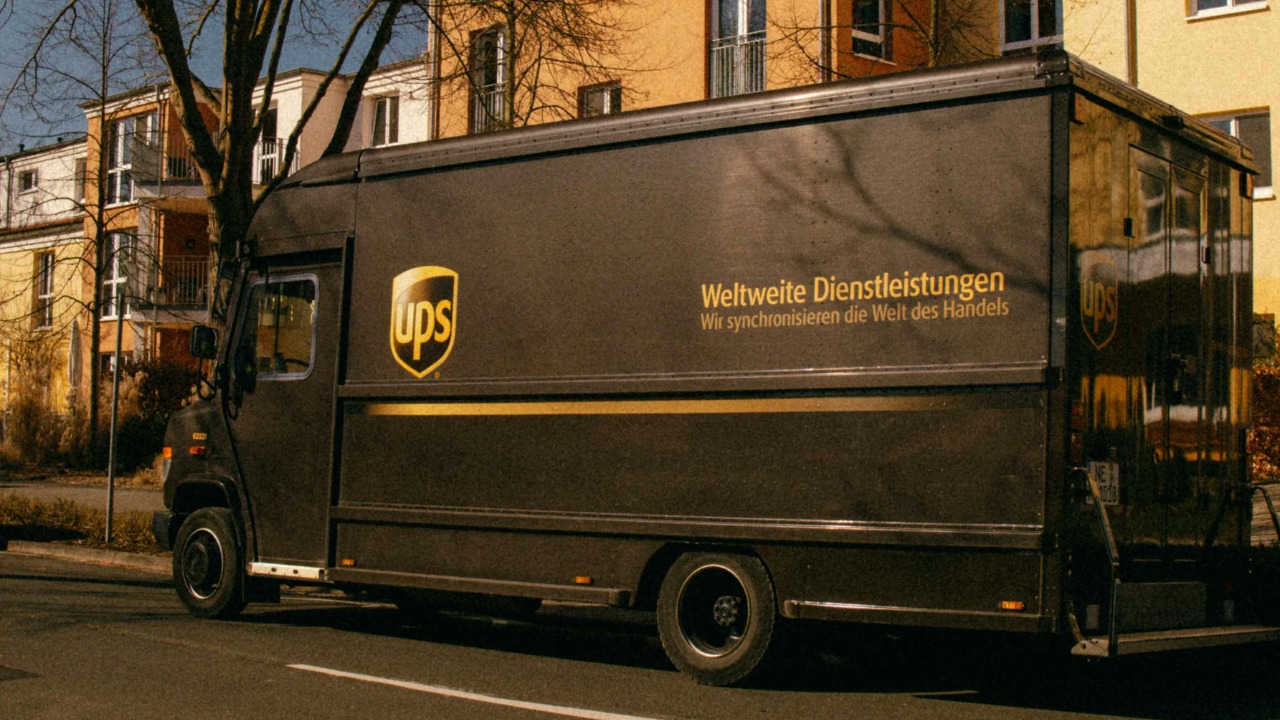

The familiar brown delivery vehicles that crisscross American neighborhoods are not a single, off‑the‑shelf model. They are a mix of custom bodies, commercial truck chassis and heavy tractors sourced from a web of manufacturers that specialize in different parts of the logistics chain. To understand who builds UPS trucks and where they are made, I have to follow that supply chain from walk‑in vans to highway rigs and the emerging wave of electric models.
Behind every stop on a driver’s route is a fleet strategy that leans on long‑time body builders, major truck brands and newer electric platforms, each tied to specific factories and regions. The result is a rolling ecosystem that stretches from step‑van plants in the Midwest and South to heavy‑duty assembly lines in Washington state and beyond.
How UPS “package cars” are built and who supplies them
UPS refers to its familiar brown delivery vans as “package cars”, a reminder that these are purpose‑built tools rather than generic cargo boxes. The company uses several designs and sizes, matching the body to the density of each route and the mix of residential and commercial stops, a strategy that helps protect the profitability of its delivery vans. Instead of designing and building every component in‑house, UPS buys truck chassis from established manufacturers, then pairs them with custom walk‑in bodies that prioritize easy entry, low step‑in height and shelves tailored to small parcels.
Those walk‑in bodies come from specialist builders that have grown up around the parcel boom. Morgan Olson, for example, promotes a Purpose built design with the Driver in Mind, explicitly targeting delivery fleets that need fast curbside access and ergonomic interiors. UPS has also relied on Utilimaster, whose step‑in vans are built on commercial chassis and then finished with fleet‑specific interiors. According to reporting on its fleet, UPS operates roughly 100,000 package cars in the United States and, as part of its renewal cycle, replaces around 7,000 of these step‑in vans in the U.S. each year, figures that illustrate how central these body builders are to keeping the brown trucks on the road for UPS.
Where the brown step vans are manufactured
To see where these trucks are made, I have to separate the chassis from the body. Utilimaster’s step‑in vans, which make up a significant share of the UPS package car fleet, are assembled at multiple facilities that the company has clustered in the Midwest and South. Its plants in places like Bristol, Indiana, and other regional hubs give UPS access to a network of factories that can scale production as the company cycles through those 7,000 annual replacements, a cadence highlighted in Jan reporting on the fleet.
Morgan Olson, another key supplier of walk‑in bodies, produces its vehicles at several U.S. plants that anchor jobs in multiple states. The company builds walk‑in vans in Sturgis, Michigan, in Loudon, Tennessee, and in Ringgold, Virginia, a footprint that spreads UPS‑linked manufacturing across the industrial Midwest and the Southeast. Those locations are spelled out in public information on Morgan Olson, and they help explain why brown trucks are a common sight near those plants, where test vehicles and pre‑delivery inspections are part of the local landscape.
Chassis suppliers: from Freightliner to legacy truck makers
Beneath the boxy brown body, most UPS package cars ride on commercial truck chassis from brands that also serve broader delivery and vocational markets. Freightliner, for instance, is a major producer of medium‑duty platforms that can be configured as step vans, straight trucks or tractors, and its product line includes models like the eCascadia and eM2 that are designed as Freightliner Class vehicles for local pickup and delivery. Those chassis are built at the company’s own plants, then shipped to body builders such as Utilimaster or Morgan Olson, where they receive the brown package car treatment.
UPS also leans on other legacy truck makers for heavier applications. The company has a long relationship with Kenworth, which notes that UPS purchased its first Kenworth trucks in the 1980s and has since added large numbers of T680 tractors for highway linehaul work. A milestone ceremony at Kenworth’s headquarters in Kirkland, Wash, marked the delivery of the 50,000th PACCAR MX Series engine to UPS, underscoring how deeply the parcel carrier is tied into traditional heavy and medium duty truck supply chains. Other brands, including Mack Trucks, also appear in UPS yards, particularly for regional and vocational roles where durability and dealer support are critical.
Electric and alternative UPS trucks entering the fleet
As parcel volumes grow and emissions rules tighten, UPS is gradually shifting parts of its fleet toward electric and alternative powertrains. Legacy manufacturers have not waited for startups to define this space. Reporting on the broader truck market notes that Legacy truck makers have had NEV semi tractors and straight trucks on the road for years, giving fleet managers proven options as they experiment with lower‑emission routes. For UPS, that has meant piloting electric step vans and regional tractors in select markets while still relying heavily on diesel and natural gas for long‑haul corridors.
Freightliner’s electric offerings, such as the eCascadia Class 8 tractor and the eM2 Class 6 and 7 trucks, are designed specifically for local and regional distribution, including pickup and delivery applications that mirror UPS routes. Those vehicles are detailed on Freightliner product pages and in technical coverage of how the eCascadia and eM2 are optimized for short‑haul duty cycles. UPS has also tested other alternative platforms, but based on available sources, the exact mix of electric models in its current fleet is Unverified based on available sources, even as the company signals that future package cars will increasingly be battery powered.
How enthusiasts and drivers decode UPS truck origins
Outside corporate fleet offices, some of the most detailed detective work on UPS trucks comes from enthusiasts and drivers who recognize familiar shapes under the brown paint. In one discussion among truck fans, commenters point out that there is definitely a resemblance between certain UPS vans and older Chevy and Grumman step‑van designs, and one user notes that Most of the current package cars in their area ride on specific commercial chassis. That kind of ground‑level observation helps fill in gaps about which body and chassis combinations are most common in different regions, even if it does not carry the weight of official fleet data.
The enthusiast world also shows what happens when these trucks leave parcel duty. In one widely shared video, a buyer walks through a decommissioned UPS‑style step van that has been modified with a performance engine swap, joking that “this one’s got an LS in it, what do you got in yours” while referencing a 72 m meet‑up and a 250 budget for a separate car purchase. That clip, hosted on We Bought An LS Swapped UPS Truck, underlines how the same basic walk‑in platform that once hauled packages can be repurposed into food trucks, mobile workshops or enthusiast projects once it cycles out of the UPS fleet.
Why the manufacturing web matters for logistics and jobs
Understanding who builds UPS trucks is not just trivia for gearheads, it is a window into a manufacturing network that supports thousands of jobs and underpins modern e‑commerce. Utilimaster’s facilities, which are currently located in multiple states, and Morgan Olson’s plants in Michigan, Tennessee and Virginia, anchor employment in communities that might otherwise have lost industrial work. Those locations are cataloged in Fun fleet breakdowns and in corporate histories of Olson and its predecessor Olson Corp, which trace how the company evolved after World War II into a major producer of walk‑in vans.
On the heavy‑duty side, UPS orders help sustain production at plants tied to brands like Kenworth, Freightliner and Mack, which in turn support suppliers of engines, axles and electronics. Those relationships are reflected in the way UPS appears in Aug industry discussions of who makes its trucks and in the celebration of the 50,000th PACCAR MX Series engine delivered to the company. Even niche corners of the freight world, such as hot shot trucking, which refers to carriers that make smaller deliveries in standard pickup trucks, are influenced by the standards UPS sets for reliability and uptime, since shippers often compare every other carrier’s performance to the brown trucks that show up like clockwork.
Even the geography of UPS’s broader network is visible in the map of related facilities and logistics hubs. Locations tied to the company and its suppliers appear in mapping entries for places such as regional operations centers, distribution hubs, maintenance facilities and training centers, as well as in listings for suppliers and dealers in cities like Ringgold and Sturgis. Additional mapped entries highlight related industrial sites in Loudon, Bristol, and other towns where suppliers operate, as well as logistics‑adjacent businesses in Michigan, Tennessee and Virginia. Together with corporate sites for UPS and its suppliers, and with general product information on who makes those trucks, that map shows how a single brown van on a neighborhood street is the endpoint of a sprawling industrial chain.
Even as UPS experiments with new powertrains and body designs, the core structure of that chain is unlikely to change quickly. The company will still need walk‑in bodies from specialists like Morgan Olson, chassis from established brands such as Freightliner and Mack, and heavy tractors from partners like Kenworth. The exact mix of suppliers may shift, but the basic model, in which UPS orchestrates a network of manufacturers rather than building trucks itself, is baked into how modern parcel logistics work, a reality reflected across multiple Jan breakdowns of its fleet and in the way industry watchers describe its trucks.
More from Morning Overview