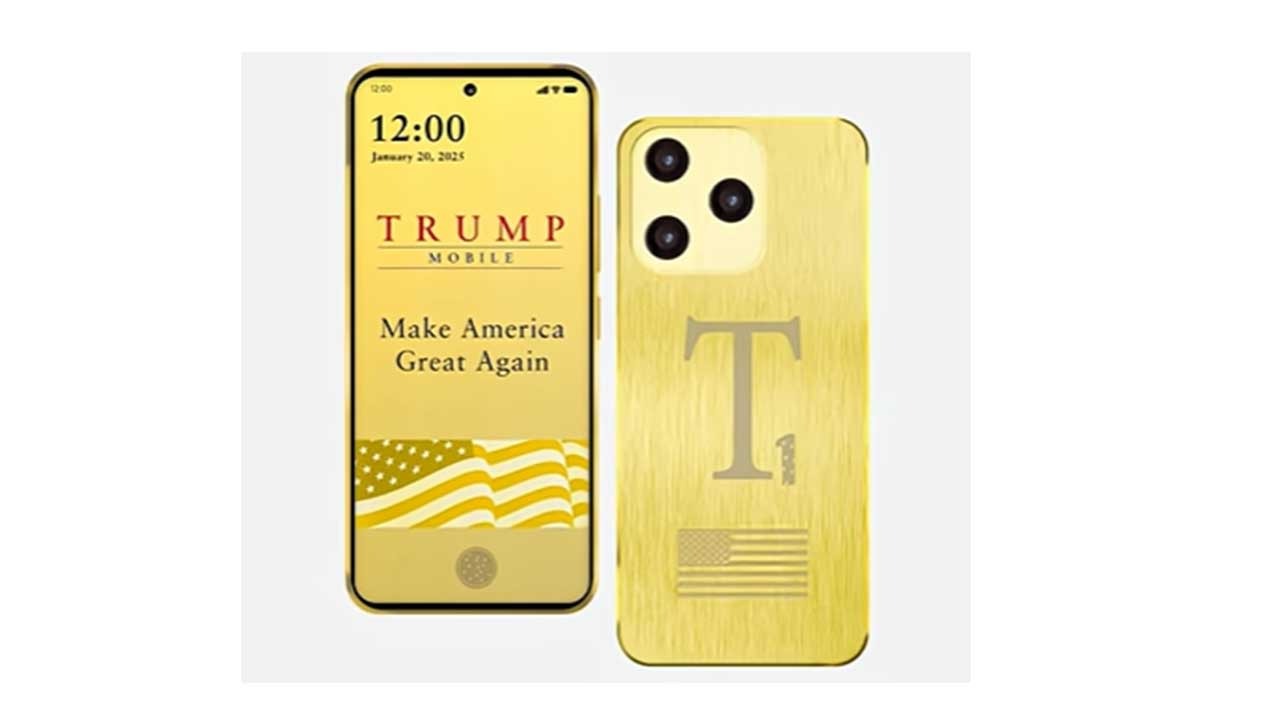

Trump Mobile’s debut handset was supposed to be the glossy centerpiece of a new conservative-friendly wireless brand, a gold-colored smartphone that married political identity with everyday tech. Instead, the company is again pushing back delivery, this time pointing to the federal government shutdown as the reason its first phone is still not in customers’ hands. The repeated delay raises questions about how a Trump-branded telecom venture is being run, what it owes early buyers, and whether blaming Washington will be enough to contain the fallout.
The latest delay and the shutdown explanation
Trump Mobile now says its first-ever smartphone will not arrive on schedule, telling prospective buyers that the ongoing government shutdown has stalled key approvals and disrupted logistics. The company, described as a wireless venture backed by the Trump Organization, had pitched the device as a flagship launch for its network, but instead finds itself explaining why the promised gold handset is again slipping into the future. Internally, the narrative is clear: officials in Washington are not working, so the phone cannot ship.
Customer service representatives are telling people who preordered that the shutdown has slowed or halted the work of agencies that must sign off on new devices before they can be sold, including the Federal Communications Commission. According to those representatives, the holdup at the FCC has delayed the final green light that would allow Trump Mobile to move units through its supply chain and into buyers’ hands, a claim that aligns with internal messaging that the company’s plans were on track until the shutdown hit Customer service reps say the government shutdown delayed approvals at the FCC.
A gold phone that exists mostly in marketing
The device at the center of this dispute is the Trump Mobile T1, a gold-colored smartphone that has been heavily promoted but rarely seen outside of promotional images. Trump Mobile positioned the T1 as a premium handset that would stand out in a crowded Android market, leaning on the Trump Organization’s branding and a metallic finish that echoes the aesthetic of Trump-branded properties. For supporters, the pitch was simple: a phone that signaled political allegiance every time it came out of a pocket or purse.
Despite that glossy promise, the T1 remains largely theoretical, with no broad hands-on access and no independent verification that mass production is underway. Reporting on the company’s plans describes Trump Mobile as a wireless venture tied directly to the Trump Organization, with the T1 framed as its first major hardware product and the centerpiece of its service bundles Trump Mobile, the wireless venture backed by the Trump Organization, has postponed delivery of its long-promised gold phone. The gap between that ambition and the current reality, where customers are still waiting for a device that “still doesn’t exist” in the retail channel, is now the defining story of the brand.
What Trump Mobile promised early buyers
From the start, Trump Mobile courted politically aligned consumers with a straightforward offer: reserve the T1 now, pay a modest amount up front, and receive a distinctive gold smartphone at a set price once shipping begins. The company set the full retail cost at $499, positioning the phone in the midrange tier where buyers expect solid performance and decent cameras without flagship-level pricing. That figure has remained unchanged in the company’s messaging, even as the delivery window has shifted.
To secure a place in line, Trump Mobile asked customers to put down a smaller amount in advance, promising that the rest would be due closer to shipment. The company highlighted that the device could be reserved with a $100 down payment, a structure that made it easier for fans to commit early without paying the full price. That preorder model, common in the smartphone industry, now leaves Trump Mobile with a pool of customers who have already paid money for a product that has repeatedly failed to arrive.
Customer frustration and shifting explanations
As the T1’s launch window has slipped, the tone of customer interactions has shifted from excitement to exasperation. People who put down deposits months ago are now fielding vague updates from Trump Mobile’s support channels, with each new message pointing to a different obstacle. The latest explanation centers on the government shutdown, but for many buyers it lands as just one more reason in a growing list of missed deadlines and moving targets. Customer service representatives for Trump Mobile have told some buyers that the shutdown disrupted shipments of the device and slowed the work of agencies that must clear new phones for sale. Those same representatives have emphasized that the Customer service representatives for Trump Mobile told Fortune the shutdown had disrupted shipments of the $499 device, insisting that the underlying product is ready and that the price will not change. For customers who have already paid a $100 down payment, the question is no longer just when the phone will arrive, but whether they can trust the next promised date any more than the last.
The FCC bottleneck and how phone launches usually work
Trump Mobile’s focus on the Federal Communications Commission reflects a real step in the phone launch process, but it also highlights how little visibility customers have into what is actually happening behind the scenes. Any device that connects to U.S. wireless networks must clear technical and safety checks, and the FCC’s certification process is a standard hurdle for every smartphone maker. When that process slows, companies can face real delays in getting products onto shelves, especially if they are new entrants without a long track record of approvals.
In this case, Trump Mobile’s representatives say the shutdown has delayed those FCC approvals, preventing the T1 from moving from concept to commercial product. They have told customers that the government’s partial closure has created a bottleneck that is out of the company’s control, framing the delay as a regulatory issue rather than a manufacturing or financing problem Customer service reps say the government shutdown delayed approvals at the FCC. That explanation may be technically plausible, but without public documentation of the T1’s certification status, buyers are left to take the company’s word for it.
Refurbished phones fill the gap while the T1 is missing
While the T1 remains absent from the market, Trump Mobile has quietly shifted part of its focus to selling refurbished devices. Instead of a shiny new gold handset, customers visiting the company’s storefront can now find used smartphones that have been cleaned up and repackaged for resale. It is a pragmatic move for a carrier that still wants to sign up subscribers even without its own hardware, but it also underscores how far reality has drifted from the original promise of a bespoke Trump-branded phone.
Reporting on the company’s current offerings notes that Trump Mobile’s T1 still does not exist as a shipping product, yet the company is already offering refurbished phones to fill the gap in its lineup. The pivot suggests that, at least for now, the business is relying on existing hardware from other manufacturers while it waits for its own device to clear whatever hurdles remain Trump Mobile’s T1 still doesn’t exist, but the company is now selling refurbished phones. For early adopters who signed up specifically for the T1, that stopgap strategy may feel like a bait-and-switch, even if the company continues to promise that the gold phone is coming.
Brand politics, expectations, and accountability
Trump Mobile is not just another budget carrier trying to carve out a niche in a saturated market; it is explicitly tied to the Trump Organization and, by extension, to President Donald Trump’s political brand. That connection raises the stakes for every misstep, because customers are not only buying a phone or a service plan, they are buying into a broader identity. When the company blames the government shutdown for its own delays, it is effectively asking that audience to see the problem through a partisan lens, casting regulators and Washington dysfunction as the villains in a story about a stalled product.
At the same time, the Trump name carries expectations of bold promises and high-end aesthetics, from gold-plated hotel fixtures to luxury condos, which makes the absence of a tangible gold smartphone all the more glaring. Trump Mobile, described as a wireless venture backed by the Trump Organization, has leaned heavily on that branding in its marketing, but branding alone cannot substitute for a working device that ships on time Trump Mobile, the wireless venture backed by the Trump Organization. For a customer base that often prizes loyalty, the real test will be whether the company can convert that loyalty into patience, or whether repeated delays will erode trust even among its most enthusiastic supporters.
What the delay means for the broader smartphone market
In practical terms, the T1’s ongoing absence does little to move the needle in a global smartphone market dominated by Apple, Samsung, and a handful of major Android brands. The device was never likely to challenge an iPhone 16 Pro or a Galaxy S25 Ultra on specs or camera performance, and its appeal was always more about symbolism than raw technology. Yet the saga still matters, because it illustrates how difficult it is for a politically branded hardware product to move from concept to execution, especially when it depends on complex regulatory and supply chain processes.
For other would-be entrants, Trump Mobile’s experience is a cautionary tale about overpromising and underdelivering in a space where consumers are used to polished launches and predictable shipping windows. Established players routinely navigate FCC approvals and logistics without making those steps part of their public narrative, while Trump Mobile has been forced to foreground them as explanations for why its first phone is still not available Customer service reps say the government shutdown delayed approvals. In a market where midrange phones from Google, Motorola, and OnePlus can be ordered and delivered within days, a $499 handset that exists mostly as a preorder promise risks becoming a punchline rather than a product.
More from MorningOverview