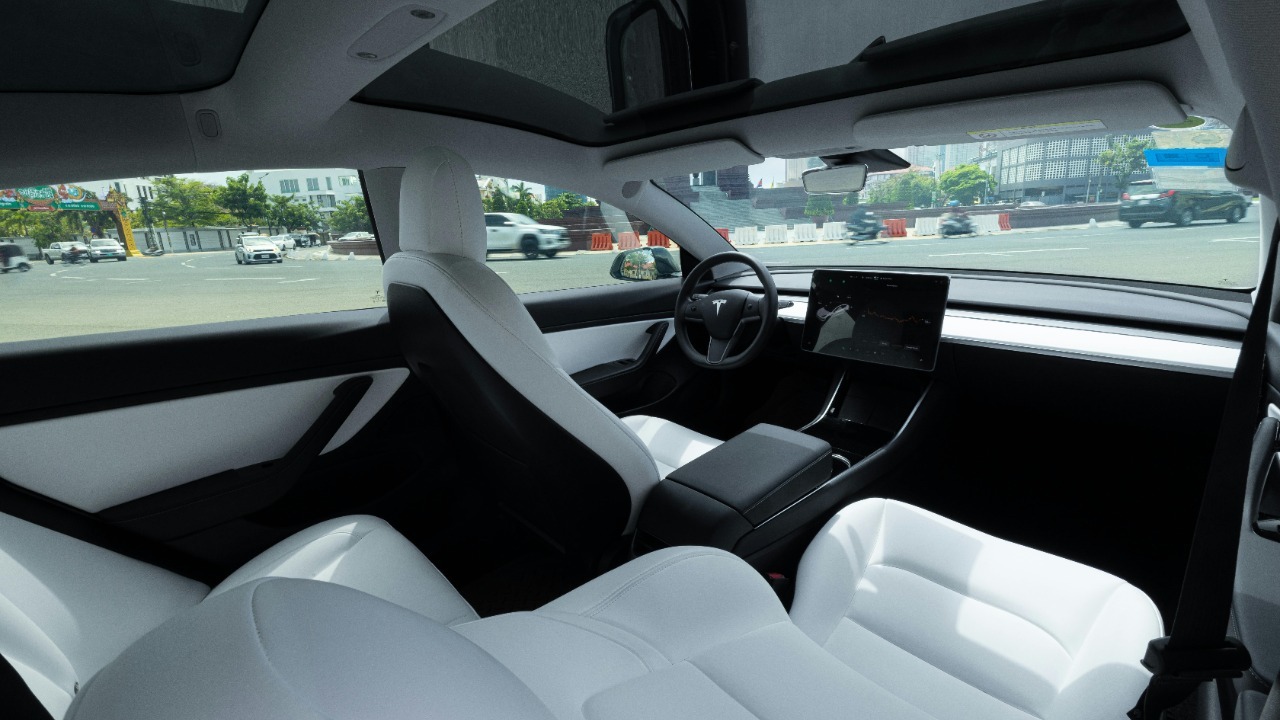

Tesla built its brand on the promise that high tech would make driving safer, cleaner, and more convenient. Instead, a growing stack of crash data, recalls, lawsuits, and even social backlash is reshaping what it means to sit behind the wheel of one of its cars. The rising danger for Tesla drivers is no longer just about what happens on the road, but also about how regulators, courts, insurers, and other motorists now respond to every trip.
As safety investigations deepen and public sentiment hardens, I see Tesla owners caught in a widening crossfire. Hardware defects, aggressive software rollouts, and disputed self‑driving claims are converging with cultural anger around CEO Elon Musk, creating a risk environment that feels very different from the early days of electric‑car optimism.
From accident statistics to driver behavior
One of the clearest warning signs is how often Teslas are showing up in crash statistics compared with rival brands. Legal analysis of insurance and claims data has found that, Among all the brands examined, Tesla drivers recorded the highest accident rate over a one‑year period, a pattern that raises questions about both vehicle design and how owners are using advanced driver‑assistance features. The same review points to factors such as powerful acceleration, heavy reliance on automation, and driver overconfidence as likely contributors to those numbers.
That behavioral piece matters because Tesla markets its systems as sophisticated, but still expects humans to stay in charge. Federal regulators at the NHTSA treat Autopilot and Full Self‑Driving as driver‑assist tools, not replacements for human judgment, yet accident data suggest some owners treat them as something closer to autonomy. When drivers assume the car will handle more than it truly can, the line between human error and product design blurs, and that is exactly where many of the most serious crashes are now landing.
Hardware recalls and reliability cracks
At the same time, the physical reliability of Tesla vehicles is under sharper scrutiny, with recalls cutting across multiple models and years. A recent safety action targeted the futuristic pickup, after a Tesla Cybertruck Recall highlighted the danger that loose exterior trim could fly off, strike other vehicles, and create a roadway hazard. Separately, a battery defect prompted a recall of thousands of cars across the United States, with federal filings stating that certain 2025 Model 3 and 2026 Model Y vehicles could lose the ability to accelerate while driving, a failure that increases the risk of a rear‑end collision according to Model documentation.
These are not isolated glitches. A year‑end review of safety campaigns found that Tesla issued 11 recalls in 2025, affecting more than 2.4 million vehicles across its lineup. Another investigation determined that the Company needed to recall nearly 13,000 Model Y and Model 3 vehicles because a battery pack contactor could open unexpectedly, cutting power and again raising crash risk. Analysts now talk openly about Tesla Reliability Concerns, arguing that while the company excels at software, it has not yet fully mastered hardware production reliability at the scale it now operates.
Autopilot, lawsuits, and a shifting legal landscape
The most consequential risks for Tesla drivers may be emerging in courtrooms rather than on highways. Plaintiffs’ lawyers now frame many serious crashes as the predictable result of flawed automation, and a growing body of litigation is testing where responsibility lies. One detailed guide for attorneys notes that, As Tesla‘s driver‑assistance systems spread across the road network, the legal landscape is evolving to hold the company accountable for defects in those systems and for how they are marketed. That shift is already visible in high‑profile verdicts, including a case in which a jury found the company partly responsible for a deadly Autopilot crash and ordered it to pay $243 million, a decision that People reported Tesla strongly disagreed with.
New cases keep adding pressure. A recent Lawsuit alleges that a Tesla directed a car into a head‑on collision, killing a family and their dog, and names Shawn Henry as a key figure in the complaint that was filed on a Tue in early January. Separately, a California judge concluded that the company engaged in deceptive marketing around Autopilot and FSD, finding that consumers were led to believe these were fully automated driving systems when they were not. Financial analysts now describe how Tesla‘s legal battles over self‑driving claims underscore intensifying regulatory scrutiny and the need to align marketing with actual capabilities, a shift that could reshape how every driver uses these features.
Regulators and experts push back on self‑driving
Regulatory agencies are no longer treating Tesla’s automation issues as edge cases. Safety officials have opened a major probe into self‑driving performance after receiving reports that NHTSA said involved six crashes where vehicles entered intersections against red signals, resulting in collisions with other cars. That kind of failure goes to the heart of public trust in automated systems, because obeying traffic lights is one of the most basic tasks drivers expect any car, human‑controlled or software‑assisted, to handle reliably.
Independent specialists are sounding alarms as well. A group of Experts recently warned that safety concerns with Tesla’s self‑driving technology have turned oversight into a kind of “Regulatory whack‑a‑mole,” as officials race to keep up with software updates that can change vehicle behavior overnight. Injury attorneys point out that Self‑driving crashes have already led to major lawsuits and settlements, including a case Tesla resolved with the family of a man killed while using its driver‑assist system, and they stress that these systems are far from foolproof. Another legal analysis notes that Regulatory bodies are intensifying oversight, citing a December ruling by a California court that found Tesla Inc had not adequately disclosed safety limitations even after software improvements were made.
Social backlash, road rage, and what comes next for drivers
Even when their cars perform flawlessly, Tesla owners are increasingly navigating a hostile social environment. Some drivers now say they are afraid to use their vehicles in public as criticism of CEO Elon Musk has escalated, with one report describing how Some Tesla owners feel personally targeted because of their association with the brand. A separate account of driver experiences details how a Nov discussion thread filled up with owners sharing stories of being singled out in traffic, with one summary citing Carscoops to describe an “angry behavior” trend that looks a lot like road rage directed specifically at Teslas.
That hostility sometimes spills into outright vandalism. A detailed essay on political violence recounts how attacks have included dealership damage, Molotov cocktails thrown at Teslas, fires set at charging stations, harassment of owners, and some accounts of actual violence. Insurers are also recalibrating their view of the brand, with one Georgia‑focused analysis noting that People are creatures of habit who return to their favorite cars, but that data from LexisNexis Risk Solution show Tesla owners in the state racking up enough incidents to make rates go up. For drivers, the next phase is likely to involve higher premiums, more stringent safety updates pushed over the air, and a tougher regulatory climate that treats every crash as a test case for the future of automated driving.
More from Morning Overview