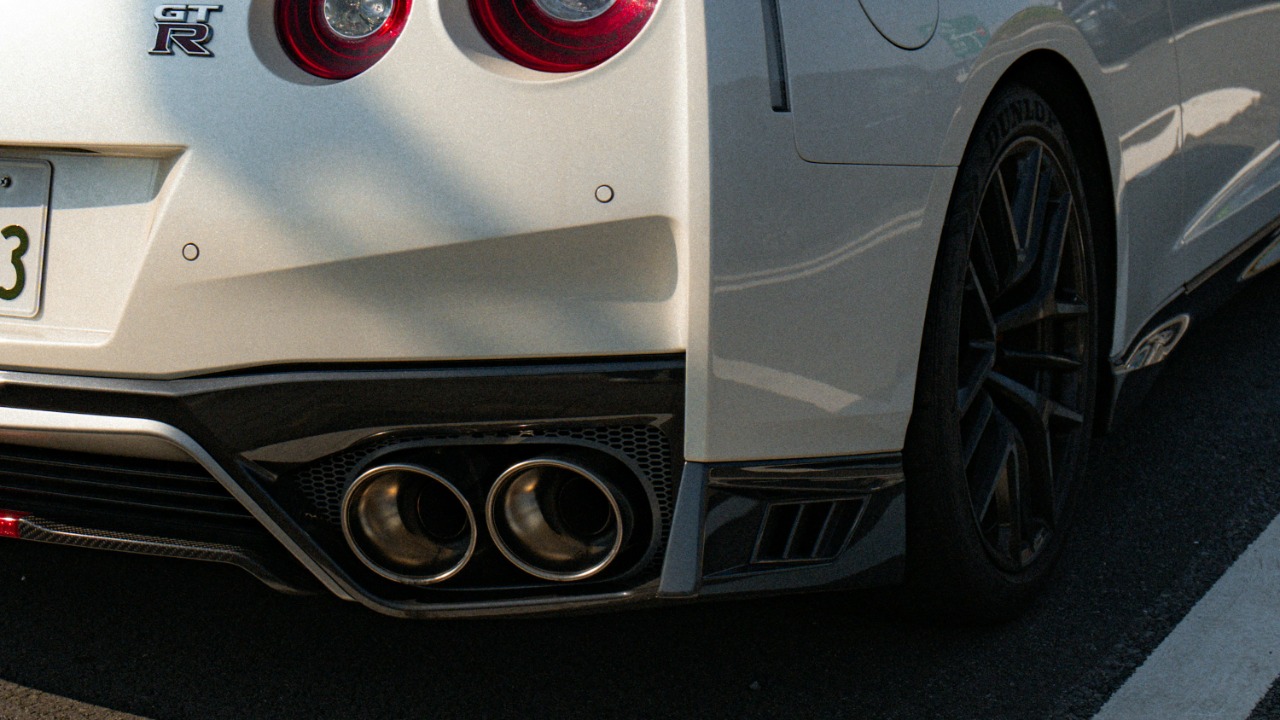

Modern cars are packed with more computing power and safety tech than ever, yet some of the flashiest “innovations” are little more than stage props. From pretend exhausts to synthesized engine roars and even imitation gearboxes, a surprising amount of what looks or sounds exciting in today’s models is carefully engineered theater rather than mechanical reality. The result is a showroom full of vehicles that promise authenticity while quietly leaning on tricks that can feel, at best, unnecessary and, at worst, ridiculous.
I see a clear pattern behind these gimmicks: manufacturers are trying to bridge the gap between old-school driving drama and new regulations, electrification, and cost cutting. The tension between what a car actually does and what it wants you to believe it does is now baked into the design process, and nowhere is that more obvious than in the fake features hiding in plain sight.
Fake exhaust tips: shiny pipes that do nothing
Few styling trends capture the gap between appearance and reality quite like decorative exhaust finishers. On many new models, the real pipe is tucked out of sight while a pair of large, chromed “outlets” are molded into the bumper, sometimes not even connected to the exhaust system at all. Enthusiasts have been quick to point out that vehicles with hidden are not the problem; it is the obviously fake outlets that break the illusion every time you crouch down behind the car. The visual promise of performance is there, but the engineering substance is not.
Manufacturers defend the practice as a mix of packaging and cleanliness. Routing the real tailpipe downward can keep soot off the bumper, which one technical explainer lists as a key Reason for the design, especially on diesels where Accumulation of soot can quickly stain paint. Another discussion notes that since the decorative pieces are not part of the exhaust system, they have no effect on emissions, with one enthusiast bluntly pointing out that the Real pipe is still doing the actual work. Yet the optics matter, and enough buyers have pushed back that even premium brands are rethinking the trend.
When even luxury design leans on fakery
The irony is that some of the most aggressive visual trickery shows up on expensive cars that market themselves on craftsmanship. High-end models now mix real carbon fiber, intricate lighting and sculpted bodywork with purely cosmetic vents, scoops and diffuser elements that never see airflow. A recent overview of 2026 flagships highlights how Revolutionary Design and models are sold on “futuristic styling,” with carbon fiber and streamlined exteriors used as visual shorthand for performance whether or not the underlying hardware justifies it. The line between functional aero and decorative plastic has never been blurrier.
Some brands are starting to sense the backlash. Audi has publicly acknowledged that fake plastic exhaust surrounds have gone too far, with one social media statement noting that Audi will phase them out on newer premium ICE models. At the same time, other commentators still call out brands for “the worst offender” designs, underscoring how far the industry has leaned into visual drama that does not always match mechanical reality.
Fake engine noise: performance by playlist
If the rear of the car is faking it, the cabin is not far behind. As engines shrink and electrification spreads, many manufacturers now pipe artificial sound into the interior to recreate the drama of a big combustion engine. A technical explainer on Most systems notes that enthusiasts value the multi-sensory experience of driving, and that the silence of modern powertrains can feel sterile. The solution has been software-controlled soundtracks that rise and fall with throttle input, sometimes blended with the real engine note and sometimes replacing it entirely.
Owners are increasingly discovering just how synthetic that soundtrack is. One Apr discussion from a 2025 Toyota Tundra driver describes the “very throaty engine sound” as simulated through the JBL stereo, with the owner admitting “I feel tricked” before conceding that they “kind of like it.” Hot hatch fans have similar complaints about the latest rally-inspired models, with one thread warning that Toyota GR Corolla now arrives with FAKE Engine Noise that some drivers immediately try to disable.
Electric vehicles add another twist. Regulators now require New EVs to emit sound at low speeds so pedestrians can hear them, which has pushed brands into designing entire sound signatures from scratch. One report notes that FAKE noise is already under development for a future Lexus electric supercar, turning safety compliance into a branding opportunity. The result is a world where the “engine note” is as much a UX decision as a mechanical one, and where the line between safety feature and marketing gimmick is increasingly hard to draw.
Simulated transmissions and phantom performance hardware
Sound is not the only thing being faked. As single-speed electric drivetrains become the norm, some manufacturers are experimenting with software that mimics the feel of a traditional gearbox. A widely shared clip of the 2026 Hyundai IONIQ 6N shows the car using a simulated 8 speed Transmission complete with fake engine sounds, giving drivers the sensation of shifting even though the underlying powertrain does not need to change gears. It is a digital costume for a mechanical behavior that no longer exists.
Toyota has gone even further with its electric prototypes. One enthusiast group highlighted a Lexus-based EV concept where Toyota is described as being so attached to ICE cars that it added a fake clutch pedal and transmission logic to an EV, purely to recreate the ritual of shifting. The criticism is sharp, calling the setup “insane,” yet it captures a broader anxiety inside the industry: if the visceral cues of performance disappear, will drivers still care? Simulated gear changes and pedals are one answer, but they also risk turning the driving experience into something closer to a video game than a machine.
Grilles, vents and other pretend aggression
Beyond exhausts and drivetrains, entire front ends are now sculpted around design trends that many enthusiasts find more theatrical than functional. A widely shared discussion of current styling annoyances notes that Imagine the latest BMW M4 with a more restrained grille, a thought experiment that underlines how far some brands have pushed oversized intakes and aggressive faces. The same thread lumps in fake vents and exaggerated wheel sizes as part of a broader move toward visual shock value that does little for cooling or handling.
Other commentators have cataloged the smaller, but no less irritating, details. One roundup of modern annoyances lists Oversized tail lights, Excessive chrome trim and fake sports bars on utes as examples of styling that promises capability or luxury without delivering much function. Even exhaust design gets a second look, with one social media explainer bluntly stating that Why Cars Have often comes down to styling departments chasing symmetry and aggression. Not every shiny outlet is real, and Manufacturers are increasingly comfortable letting design trump honesty.
For buyers, the cumulative effect of all these pretend features is a strange kind of cognitive dissonance. The car looks faster, sounds louder and feels busier than the hardware underneath really is. Some of that theater is harmless, even entertaining, and in a world of strict noise and emissions rules it may be the only way to keep a sense of drama alive. Yet as more owners discover just how much of their car’s personality is scripted, the most ridiculous fake features risk backfiring, turning what was meant to be excitement into a reminder that the machine is, in the end, only pretending.
More from Morning Overview