
Insurance shoppers who assume Honda or Chevrolet will always be the cheapest bets are running on outdated instincts. Recent data on brandwide premiums points to a different winner, with a cluster of quietly practical nameplates undercutting the usual mass‑market favorites. I want to unpack why that is happening, which brands are actually saving drivers the most, and how to use those patterns to lower your own bill.
The story is less about a single bargain model and more about how insurers read risk across entire lineups, from safety tech to engine size to theft appeal. Once you see how those pieces fit together, it becomes clear why the lowest average premiums now belong to a brand that built its reputation on sensible wagons and crossovers rather than headline‑grabbing performance cars.
The surprise brand at the top of the insurance value list
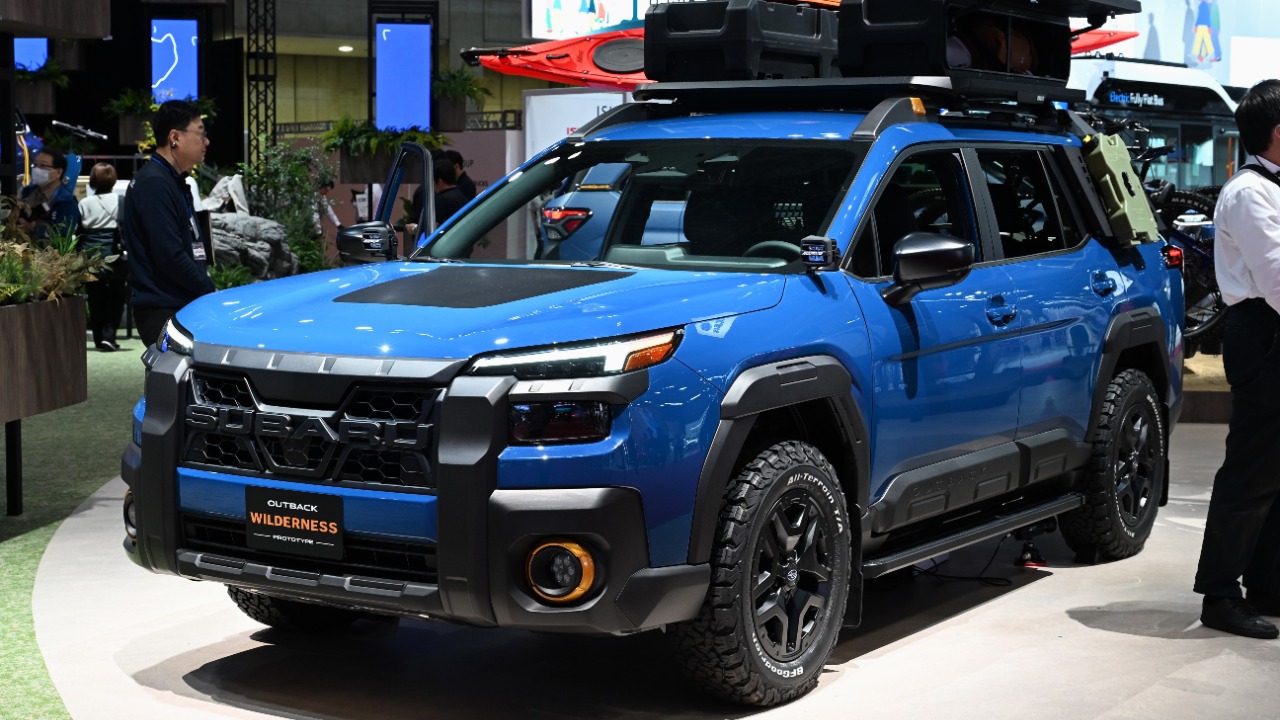
The cheapest car brand to insure right now is not Honda or Chevrolet, it is Subaru. Across full lineups, the lowest average annual premiums cluster around Subaru models, which are engineered more for all‑weather commuting and family duty than for track days or street racing. That conservative mission shows up in the insurance math, because carriers reward vehicles that are driven gently, hold up well in crashes, and are less likely to be involved in high‑severity claims.
Reporting on brandwide premiums ranks Subaru ahead of Buick, Volvo, GMC and Mini, with Subaru owners facing an average annual insurance premium of $2,208, a figure that undercuts many mainstream rivals that market themselves as budget friendly. In that ranking, Subaru sits at the top of the five cheapest car brands to insure, while Honda and Chevrolet do not appear in that leading group at all, despite their reputations for affordability.
Why Honda and Chevrolet miss the top spot
Honda and Chevrolet still deliver relatively modest ownership costs, but their insurance profiles are more complicated than their sticker prices suggest. Insurers do not rate a brand on its cheapest commuter sedan, they look at the entire portfolio, including performance trims and high‑risk body styles. That is where both Honda and Chevrolet pick up extra cost, because the same badge that appears on a sensible compact also appears on models that invite harder driving and more expensive repairs.
One clear example is Chevrolet, which offers low overall insurance costs in some segments but also sells the Camaro, a sports car that sits among the most expensive vehicles in its class to insure. Analysts note that even though Chevrolet is often seen as a value brand, a Camaro policy can cost dramatically more than coverage for a more modestly powered model wearing the same bowtie. That spread illustrates how a single high‑risk nameplate can pull up a brand’s average, a pattern highlighted in Chevrolet coverage comparisons that single out the Camaro as one of the most expensive sports cars to insure.
How insurers actually price your car
To understand why Subaru comes out ahead, I have to start with how insurers build a rate in the first place. Carriers look at a long list of variables, but the make and model of the vehicle sit near the top, because they encapsulate performance potential, repair costs, safety performance and theft risk in a single data point. A compact crossover with modest horsepower and strong crash scores will almost always look safer on paper than a low‑slung coupe with a big engine and a history of aggressive driving claims.
Guides to Understanding Car Insurance Rates explain that the Basics of Car Insurance pricing revolve around risk, and that before an insurer ever checks your driving record, it has already assigned a baseline risk level to your car’s make and model. Vehicles that are statistically involved in more severe crashes, cost more to repair, or are stolen more often are tagged as a higher risk to insure, which pushes premiums up even if the individual driver has a clean history.
Make, model and the risk baked into your badge
When I look at how brands diverge on insurance cost, the make and model story becomes even sharper. A brand that leans heavily on large engines, high‑horsepower trims and sporty body styles bakes more risk into its lineup than one that focuses on practical wagons and crossovers. Insurers know that vehicles with larger engines or performance‑oriented setups are driven harder, which increases both the frequency and severity of claims, and that reality is reflected in the base rate attached to each VIN.
Specialists who break down How Make and Model Affect Car Insurance Rates emphasize that Your car’s make and model have a huge impact on your insurance rate, because carriers track loss histories by specific vehicle. A separate analysis of How Make and Model Affect Car Insurance Rates in 2025 reinforces that point, noting that insurers use detailed claims data to assign different base prices to each make and model, so two drivers with identical records can see very different bills depending solely on what they drive.
Why some brands are structurally cheaper to insure
Once you zoom out from individual models, some brands are simply structured to look safer in an underwriter’s spreadsheet. Companies that prioritize safety engineering, conservative styling and mainstream powertrains tend to generate fewer catastrophic claims, which lets insurers price their vehicles more gently. That is a big part of why Subaru, Buick, Volvo and GMC cluster at the low end of average premiums, while brands with a heavier mix of sports cars and luxury flagships sit higher.
Analysts who map out Car Insurance Rates by Make point out that Some brands are known for producing safe, reliable vehicles that are less likely to be involved in accidents or targeted by thieves, which directly lowers their insurance costs. That pattern lines up with the ranking that places Subaru, Buick, Volvo, GMC and Mini as the five cheapest brands to insure, since each of those lineups leans more on practical crossovers and sedans than on high‑profile performance models that attract riskier driving behavior.
Inside Subaru’s low‑risk formula
Subaru’s position at the top of the insurance value list is not an accident, it is the product of a long‑running strategy built around all‑wheel drive, safety technology and pragmatic design. The brand’s best‑known models are family‑oriented crossovers and wagons that appeal to buyers who prioritize stability in bad weather and long‑term reliability over outright speed. That customer base tends to drive more cautiously, which shows up in lower claim frequencies and helps keep premiums in check.
A good example of that philosophy is the 2026 Outback, which Subaru positions as a rugged yet family‑friendly crossover with standard all‑wheel drive and a suite of advanced driver assistance features. The Outback’s blend of elevated ride height, practical cargo space and safety‑first engineering makes it a favorite among suburban and rural drivers who need year‑round capability rather than track performance, and that usage profile aligns neatly with the kind of low‑severity, low‑frequency claims insurers prefer to see when they set rates.
How safety obsession pays off for Volvo and its peers
Volvo sits just behind Subaru in the cheap‑to‑insure rankings, and its long‑standing obsession with safety is a big reason why. The Swedish brand has spent decades designing vehicles that protect occupants in crashes and avoid collisions in the first place, and that engineering focus has created a fleet that consistently performs well in real‑world loss data. Insurers reward that track record with lower premiums, because safer vehicles generate fewer and less severe claims.
Volvo’s safety focus extends beyond design and engineering into rigorous testing and validation processes, with the company running extensive crash simulations and real‑world evaluations to ensure that Volvo vehicles meet the highest safety standards before they reach customers. That deep investment in safety, documented in analyses of Volvo as the safest car brand in the world, helps explain why the company appears alongside Subaru, Buick and GMC in the group of brands with the lowest average insurance premiums.
Model‑level bargains hiding inside the rankings
Brand averages tell only part of the story, because individual models can buck their badge’s overall trend. Even within brands that are not at the very top of the cheap‑to‑insure list, there are specific vehicles that deliver standout value on premiums. Shoppers who are willing to look past marketing hype and focus on insurance data can find compact sedans, small crossovers and even some minivans that cost significantly less to cover than their direct competitors.
Analysts who track What Are the Cheapest Cars To Insure in 2025 highlight a roster of models that consistently generate low premiums, often because they combine modest power with strong safety scores and reasonable repair costs. Writer Daniel Robinson, based in Greenville, notes that some of the cheapest cars to insure are not necessarily the least expensive to buy, which reinforces the idea that shoppers should weigh insurance costs alongside purchase price when comparing vehicles.
How to use brand data to cut your own premium
Knowing that Subaru, Buick, Volvo and GMC sit at the low end of average premiums is useful, but I find the real value comes from understanding why they are there. If you are shopping for a new or used car, you can apply the same logic by favoring brands that emphasize safety, practicality and moderate performance, and by steering away from lineups dominated by sports cars and luxury flagships. Even within a single brand, choosing a smaller engine, a higher safety trim or a less theft‑prone body style can shave meaningful dollars off your annual bill.
Guides that break down Car Insurance Rates by Make and those that explain Understanding Car Insurance Rates all converge on the same advice, which is to research how specific makes and models perform in claims data before you sign a purchase contract. By combining that research with the brand‑level insight that Subaru, Buick, Volvo and GMC currently lead the pack on average premiums, you can tilt the odds in your favor and avoid being surprised by a high insurance quote after you fall in love with a particular car.
More from MorningOverview