
Electric vehicles are entering a new phase in 2026, where the most interesting models are not just quicker or more luxurious, but smarter about price, charging and real-world usability. The cars worth tracking now are the ones that quietly reset expectations on value, infrastructure and performance before the wider market catches up. I am looking at a mix of mainstream hatchbacks, premium SUVs and even the used market, because together they show where the next wave of EV adoption is really headed.
Instead of chasing every concept car, the focus here is on production models and concrete deals that are already reshaping buyer behavior. From a reinvented Nissan Leaf to 0 percent finance offers and a looming flood of affordable used crossovers, these are the 2026 EV stories that matter before everyone else notices.
The new Nissan Leaf and the quiet charging revolution
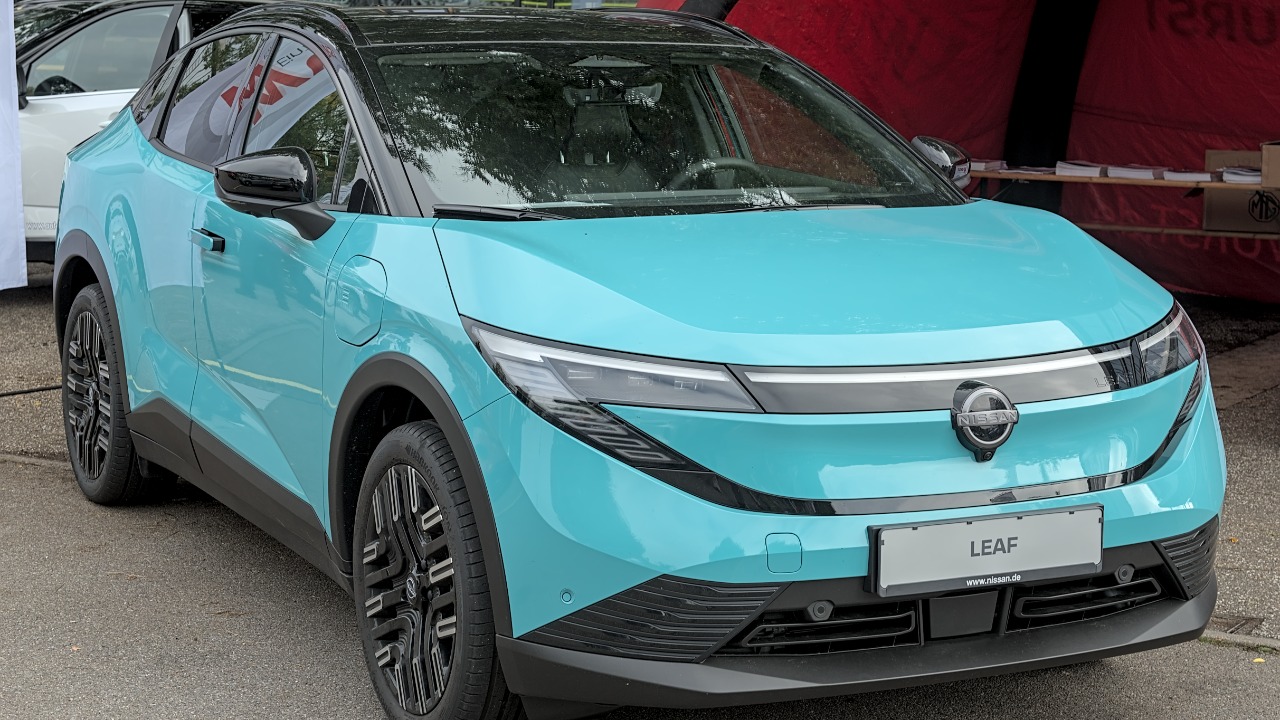
The most consequential EV of 2026 might also be one of the most familiar badges on the road. The all-new Nissan LEAF has already been named Breakthrough EV of the Year, a signal that this mainstream hatchback has leapt far beyond its early-2010s roots. I see that award as less about raw speed and more about how the latest Leaf normalizes modern range, tech and safety for buyers who would never consider a six-figure electric SUV.
Under the skin, the 2026 Nissan Leaf is built around faster charging capabilities that directly address one of the biggest barriers to EV adoption. The car is designed for a more advanced charging system that allows for quicker top ups, which matters more to everyday drivers than headline 0 to 60 times. In practice, that means shorter stops on long trips and less anxiety about sharing public chargers, a subtle but powerful shift that will influence how city dwellers and suburban families think about going electric.
Premium power plays: Porsche Cayenne EV and emerging challengers
At the other end of the market, 2026 is shaping up as a pivotal year for high performance electric SUVs that aim to pull buyers out of traditional performance brands. The upcoming Porsche Cayenne EV is already being framed as a potential 1,100 horsepower “Tesla Killer,” with early coverage describing the Porsche Cayenne EV as a big gamble for the brand. A video review that has drawn 148 views so far leans into that narrative, underscoring how even early, low volume attention can set expectations for a flagship that must balance Porsche heritage with the instant torque of electric motors.
Design walkarounds of the Exterior of the 2026 Cayenne Turbo Electric highlight split headlights and a closed off front end, visual cues that signal both efficiency and aggression. I see this as part of a broader shift where premium EVs are no longer apologizing for their battery packaging, but instead using it to redefine proportions and stance. When a large SUV can claim more power than a 911 while still promising quiet, emissions free commuting, it raises the bar for every other luxury automaker planning its own electric halo model.
Breakthrough tech and the charging standard shake up
Beyond individual nameplates, the most important EV stories in 2026 revolve around how quickly charging standards and software ecosystems are consolidating. One standout example is the Optiq, which is already moving to a Tesla style North American Charging standard despite being brand new. I read that as a clear acknowledgment that fragmented plugs and adapters are no longer acceptable in a maturing market, and that access to the densest fast charging networks is now a core product feature rather than an optional perk.
That shift dovetails with broader recognition of standout EVs in 2026 that combine efficient electric motors with more accessible tech. A detailed set of breakthrough awards points to models that deliver stronger performance and smarter energy use without pushing prices into supercar territory. I see a pattern here: the EVs that will matter most over the next few years are the ones that quietly adopt the right charging port, integrate over the air updates and refine their drivetrains, rather than chasing ever more extreme acceleration figures.
Mainstream value: Kia, Hyundai and 0% finance deals
While premium brands fight for bragging rights, the real volume action in 2026 is happening in the compact and family segments. In the UK, the Kia EV3 has already been singled out as the Best overall EV, with a starting price of £33,005 that undercuts many rivals while still offering a modern platform and usable range. That same list of Best electric cars also highlights the Tesla Model Y as a standout family option, reinforcing how Korean and American brands now dominate the conversation around practical, relatively affordable EVs.
On a global level, Hyundai and Kia are being praised for delivering smart, confidence inspiring electric cars that avoid unnecessary complexity. A detailed analysis of how Hyundai and Kia approach the 2026 market notes that their EVs are tuned for buyers who want straightforward ownership rather than experimental tech. That strategy is reinforced by community chatter around upcoming models like the Kia Tasman Electric, which enthusiasts on Kia Tasman Electric threads describe as a Hilux sized double cab ute with an electric version roughly two years away, showing how the brand is preparing to electrify even workhorse segments.
Deals and dynamics: 0% financing and the used EV wave
Financing is becoming one of the sharpest tools in the EV adoption toolkit, and 2026 is already seeing aggressive offers that could pull fence sitters into showrooms. A comprehensive rundown of 0% financing deals highlights how several electric models can now be bought with no interest, a powerful counter to concerns about higher sticker prices. For buyers who care more about monthly payments than total cost of ownership spreadsheets, that kind of offer can be the tipping point that makes an EV feel like a safe, predictable choice.
One of the most interesting examples in that list is the updated 2026 Subaru Solterra EV, which is now the quickest new Subaru you can buy, beating both the WRX STI and BRZ. I see that as a symbolic moment for a brand long associated with rally bred combustion performance, and a sign that performance minded buyers will increasingly find their fastest option in the electric column. When the halo of speed shifts to battery powered models, it subtly rewires enthusiast culture and dealership conversations alike.
Why 2026 could be the year of the used EV
New metal is only half the story. By 2026, the first big wave of early mainstream EVs is hitting the used market in serious numbers, and that is where some of the most compelling value is emerging. Enthusiasts on Reddit are already calling 2026 an amazing year for used EVs, pointing to how depreciation and lease returns are lining up to create a buyer friendly environment. I read those threads as an early warning that shoppers who have been priced out of new EVs may soon find three to five year old models at prices that undercut equivalent petrol or hybrid cars.
More detailed breakdowns of specific models suggest that used Mustang Mach E, Equinox, Blazer and Lyriq crossovers will offer some of the best deals, especially where barebones trims were sold in high volume. One analysis of why mustang mach e and its peers are poised for big discounts notes that some high mileage or lightly damaged examples may be cheaper to replace than repair. That dynamic, combined with improving battery warranties and diagnostics, could make 2026 the first year when a used EV is the obvious default for budget conscious buyers rather than a risky experiment.
There is also a tech angle to the used story that I do not think should be underestimated. Early Lyriq models, for example, retain Apple CarPlay and Android Auto at a time when those features are disappearing from newer GM EVs. For many drivers, seamless phone mirroring is more important than the latest driver assist gimmicks, so a slightly older car that keeps Apple and Android Auto support can feel like an upgrade in daily life. That kind of detail is exactly why the used EV market in 2026 is not just about price, but about finding the sweet spot where software, hardware and depreciation all line up.
Wild cards and enthusiast favorites to watch
Alongside the big nameplates, 2026 is also bringing a crop of less familiar EVs that could punch above their weight in enthusiast circles. One of the most talked about is the Jaecoo J5, which has already inspired a viral style reaction in a 2026 Jaecoo video review that brands it with unfiltered excitement. A related clip titled Jaecoo J5 EV Review leans into phrases like THIS, KING and CRAZY, capturing the raw enthusiasm that can build cult followings around relatively unknown brands. I see these reactions as early indicators that some Chinese and emerging market manufacturers are getting the formula right on design and performance, even if their global rollout plans remain unverified based on available sources.
Enthusiast forums are also buzzing about how these wild card models might compare with more established electric trucks and SUVs from brands like Kia and Rivian. A thread that starts with “Besides Rivian” quickly pivots to excitement about upcoming Kia projects, suggesting that buyers who once fixated on a single startup are now weighing a broader field of contenders. When I connect that grassroots energy with the more polished recognition given to mainstream leaders like the best electric cars lists, it is clear that 2026 will not be defined by one dominant EV, but by a diverse ecosystem of models that each push the market forward in their own way.
More from Morning Overview