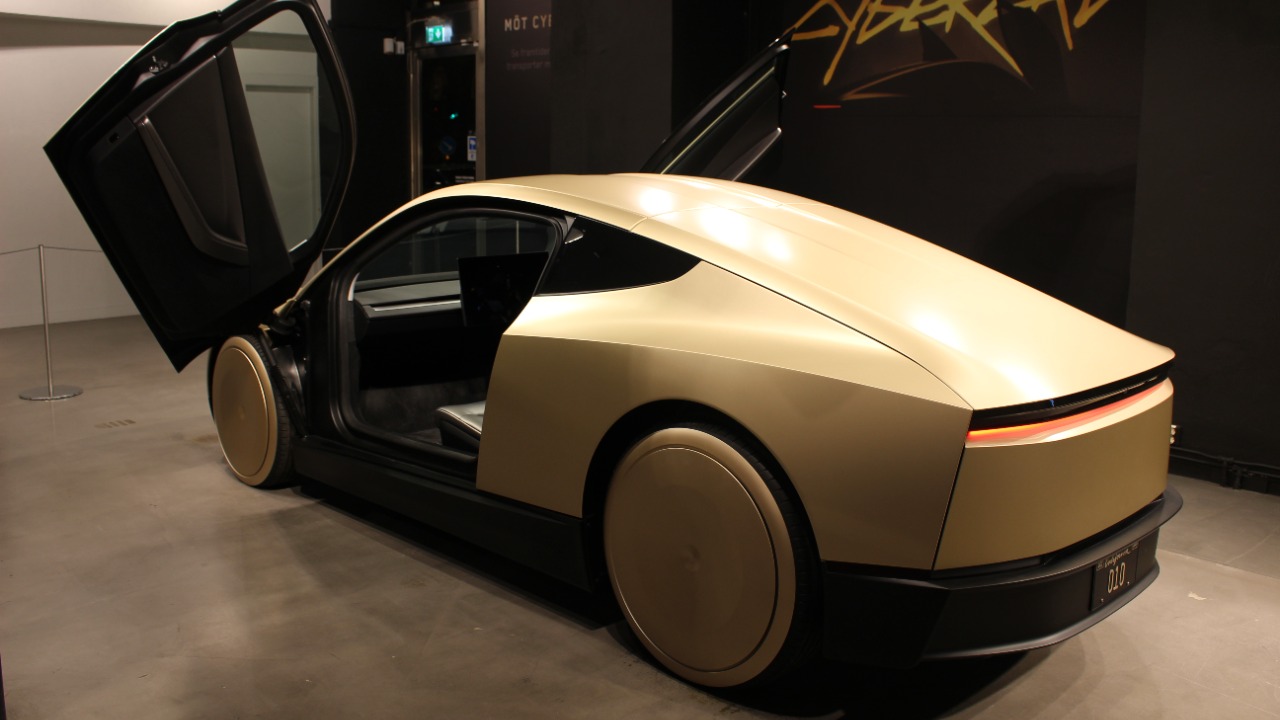

Tesla’s long‑promised autonomous taxi network is running into a problem that has nothing to do with sensors or software: the company no longer controls the names it wanted to put on the doors. The “Cybercab” label is tied up in a trademark suspension, and “Robotaxi” has already been rejected as too generic, leaving the flagship self‑driving project without a clean legal identity. For a company that has built its brand on bold naming and aggressive marketing, the twin setbacks expose a surprisingly fragile approach to intellectual property.
How Tesla ended up without “Cybercab” or “Robotaxi”
The core issue is simple: Tesla moved fast on the marketing, but slow on the paperwork. The company publicly leaned into “Cybercab” as the banner for its driverless ride service while its earlier attempt to secure “Robotaxi” had already run into trouble with the United States Patent and Trademark Office, or USPTO. According to a detailed account of the process, the USPTO viewed “Robotaxi” as a generic description of a robotic taxi service rather than a distinctive brand, which meant the term could not be locked up by a single automaker.That earlier failure matters because it set the stage for the current mess. Reporting on the trademark file notes that Tesla had weeks after unveiling Cybercab to secure the mark but still did not move quickly enough, even after the USPTO had already turned down its “Robotaxi” application. A separate section of the same record explains that Last summer, the USPTO turned down Tesla’s application for trademarking the term “Robotaxi”, leaving the company to pivot to Cybercab just as another party was moving on that name.
The Cybercab reveal came before the trademark filing
The branding misstep began in public view. On October 10, 2024, the electric‑car maker staged a global reveal for what it called the Cybercab robotaxi, positioning the vehicle as the centerpiece of its autonomous ride‑hailing ambitions. The event locked the name into the public imagination before the company had secured the legal rights to use it across markets, a reversal of the usual sequence in which companies quietly file trademarks and only then roll out a new badge or product line.
According to a detailed reconstruction of the timeline, On October 10, 2024, Tesla’s global reveal locked in the Cybercab name even though the trademark application was not yet secure. Later analysis of the filing history describes this as a “comical error” by the Company, arguing that a firm as experienced as Tesla should have locked down the mark before announcing the name of the car to the world.
The “Squatter” and the French beverage angle
Once Tesla finally moved to register Cybercab, it discovered that someone else had already staked a claim. A USPTO document shows that the blocking application belongs to a company called Unibev, described in one report as the “Squatter,” which had filed for a similar mark in connection with beverages. That earlier filing gave Unibev priority in the trademark queue, forcing Tesla’s application into suspension while the office sorts out the conflict.The same record explains that the Squatter, Unibev, is a French beverage player whose filing predates Tesla’s move on Cybercab. A separate breakdown of the suspension notes that Tesla’s Cybercab Trademark Suspended Following Earlier Filing by a French Beverage Company, which means the automaker cannot move forward on its preferred branding until that earlier registration is resolved or abandoned.
“Staggering incompetence” and a pattern of naming misfires
The Cybercab tangle is not being treated as a minor clerical hiccup. Commentators who have reviewed the USPTO record describe Tesla’s handling of the process as “staggering incompetence,” pointing out that the company had ample time to file even after the public reveal. The criticism is not just about a missed deadline; it is about a pattern in which high‑profile names are rolled out first and only later tested against the realities of trademark law.
One detailed analysis of the file argues that Tesla effectively repeated the same mistake it made with Robotaxi, treating a high‑stakes brand decision as an afterthought. Another breakdown of the saga notes that Tesla Has an Issue with Its Cybercab Trademark Thanks to a Comical Error from the Company, framing the misstep as a governance problem that investors should not ignore rather than a one‑off oversight by a busy legal department.
Robotaxi rejected as too generic
While Cybercab is stuck behind a beverage company, Robotaxi is blocked for a different reason. The USPTO concluded that “Robotaxi” describes a category of service rather than a unique brand, which means it cannot be monopolized by a single firm. For Tesla, that ruling undercuts years of messaging around a proprietary Robotaxi network and forces the company to rethink how it labels its autonomous fleet.
Legal commentary on the case notes that Musk’s Troubles Grow Thanks to Robotaxi Trademark Denial, with one section titled Robotaxi Trademark Encounters Issues and another describing how Mere weeks before a planned rollout, the USPTO’s stance left the term effectively in the public domain. A separate business‑focused recap puts it more bluntly, explaining that Tesla Waited Too Long To Trademark The Name “Cybercab,” Now It Joins “Robotaxi” As A No‑Go, underscoring that both of the company’s preferred labels are now off the table in their original form.
Investors, social media and the optics of a naming mess
For shareholders, the trademark fight is not just a legal curiosity; it is a signal about execution risk around one of Tesla’s most hyped future revenue streams. Analysts have pointed out that the Cybercab and Robotaxi setbacks land at a time when the company is trying to convince markets that software and services will justify its valuation. When a flagship initiative cannot even secure its own name, it raises questions about how tightly the rest of the plan is being managed.
The investor community has been dissecting the issue in real time. One widely shared post notes that Tesla’s naming strategy for its autonomous fleet is officially a mess after the USPTO suspended its “Cybercab” trademark, amplifying the story by pointing followers to a deeper dive. On dedicated investor forums, a discussion titled Cybercab Trademark Suspended Following Earlier Filing by a French Beverage Company has become a focal point for debate about how much the misstep should matter to long‑term holders, with users sorting posts by Best and Top to surface the most detailed breakdowns.
What the USPTO record reveals about Tesla’s process
The public USPTO file offers a rare window into how Tesla’s internal processes translated into real‑world consequences. The timeline shows that the company did not move to secure Cybercab until after Unibev was already in line, and that it had already been warned about the generic nature of Robotaxi. In other words, the legal roadblocks were not sudden surprises but foreseeable outcomes of choices made months earlier.
One close reading of the docket notes that Fred Lambert highlighted how the Cybercab application was suspended based on Registration No. 5963829, tying the setback directly to an existing mark. Another section of the same coverage points out that the story had already drawn 86 Comments by the time it was widely circulating, a sign of how intensely Tesla’s every move is scrutinized by supporters and critics alike.
Lessons from Teslaquila and earlier IP skirmishes
This is not the first time Tesla has found itself wrestling with branding and alcohol in the same sentence. Years earlier, the company sought to trademark “Teslaquila” for distilled agave liquor after teasing the product online, only to run into its own set of regulatory and intellectual property questions. That episode showed how quickly a playful name can become a serious legal project once it moves from social media joke to product concept.
Legal analysts now point back to that history as a warning that the company should have learned from. One summary of the current situation notes that Tesla itself previously sought to trademark Teslaquila, drawing a straight line from that earlier experiment to the current clash with a French Beverage Company over Cybercab. The pattern suggests that the company’s appetite for edgy, meme‑ready names has not always been matched by a disciplined approach to securing the rights that make those names usable at scale.
Where Tesla’s autonomous branding goes from here
With Cybercab suspended and Robotaxi blocked, Tesla now faces a strategic choice: fight for the existing marks, negotiate with the current holders, or pivot to an entirely new naming scheme for its autonomous fleet. Each path carries risk. A legal fight could drag on and keep the brand in limbo, a negotiation with Unibev might prove expensive or fruitless, and a fresh name would require rebuilding recognition from scratch at a time when the company is already juggling technical and regulatory hurdles.
Some observers argue that the episode should prompt a broader reset of how the company handles intellectual property. A detailed investor‑focused recap stresses that As of December 12, 2025, the Cybercab application remained suspended, a lingering reminder that even the most advanced self‑driving ambitions can be tripped up by basic trademark timing. Another business analysis frames the saga as proof that Now It Joins Robotaxi as a branding dead end, forcing Tesla CEO and his team to rethink how they present the next phase of the company’s autonomous future.
More from Morning Overview