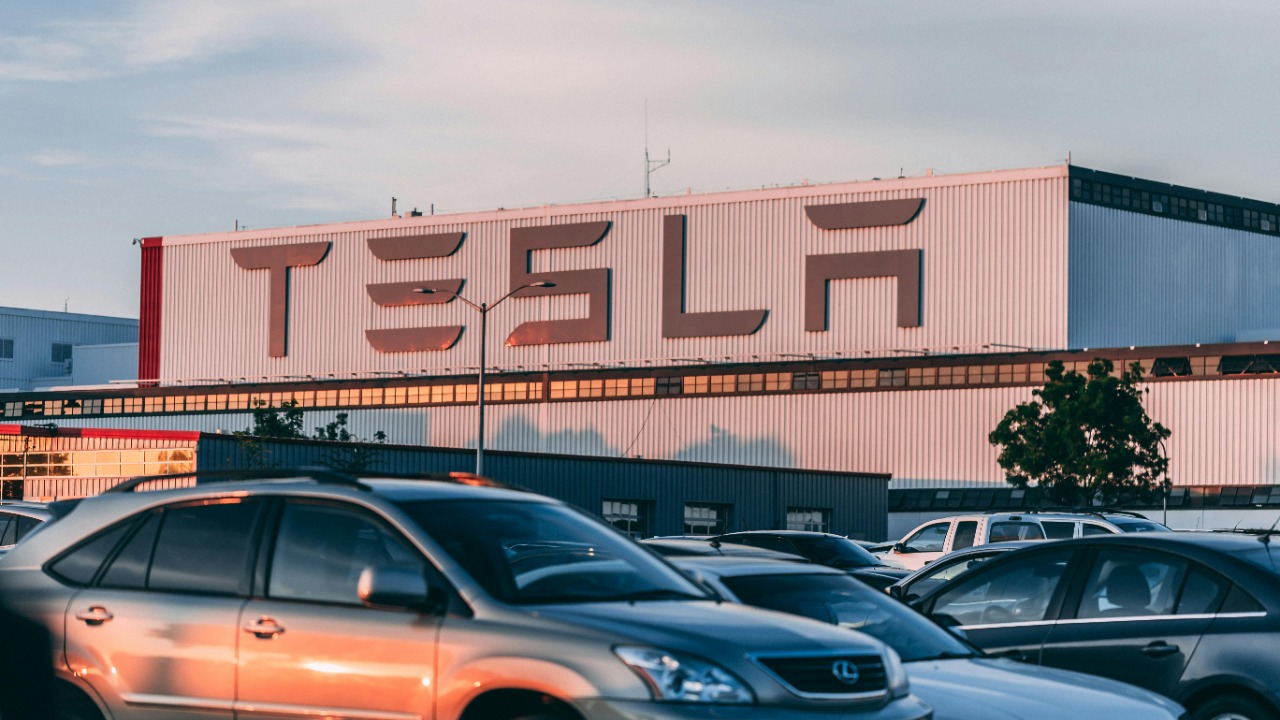

Tesla spent 2025 as the default choice in the used EV aisle, but the numbers now point to a market that is broadening fast rather than consolidating around a single brand. As more electric models age into the sweet spot of one to five years old, shoppers are discovering a deeper bench of options, from mainstream crossovers to luxury sedans, and that is steadily eroding Tesla’s once unassailable edge. The result is a used EV landscape that still revolves around Teslas, yet increasingly reflects the diversity and price pressure of the wider electric market.
How Tesla built its used EV head start
The foundation of Tesla’s dominance in used EV sales is simple scale. For years, the company pushed far more electric vehicles into American driveways than any rival, so it now has a larger pool of one to five year old cars cycling back through trade ins and off lease returns. That volume advantage shows up in the latest rankings of the most popular used electric models, where Teslas, excluding the niche Cybertruck, account for a disproportionate share of transactions and remain some of the fastest moving vehicles on dealer lots according to Tesla Dominated The Used EV Market In.
New vehicle data helps explain why the brand is so entrenched in the secondhand market. Analysts tracking registrations note that Tesla holds a dominant position in the US EV market, a lead that has persisted even as more competitors arrive and incentives shift, as detailed in research showing that Tesla holds a dominant position. When a company controls that much of new EV sales for that long, it is almost inevitable that its products will top the used charts a few years later, especially in the core segments of compact sedans and crossovers where Tesla has focused.
The gap is narrowing as rivals flood the pipeline
Even with that head start, the story of 2025 is not just Tesla’s strength but the speed with which others are catching up. The same ranking of one to five year old electric vehicles that highlights Tesla’s lead also shows that Ford, Volkswagen and Hyundai gained ground in the used EV market, with their crossovers and hatchbacks climbing the charts as more early adopters trade in for newer models. The report notes that But Teslas are still the biggest sellers, yet the share of alternatives is rising as Ford, Volkswagen and Hyundai build scale.
New car trends suggest that this shift will accelerate. A separate analysis of new EV registrations through the first three quarters of the year finds that Looking at new EV sales through Q3 this year, Tesla led the pack, even though its market share has fallen from a peak as more brands launch competitive models and cut prices. That same research underscores that Tesla still sells more electric vehicles than any single rival, but the pie is growing and fragmenting, which means the next wave of used inventory will be more diverse, as outlined in the 2025 EV Market & Trends Report.
Used EV demand is finally catching up to supply
For much of the last decade, used EVs were a niche within a niche, constrained by limited supply and wary buyers. That is changing as more shoppers treat electric models as mainstream transportation rather than science projects, helped by a surge in new EV sales that is now feeding the secondhand pipeline. In May, for example, New EV Sales rose 4.2% month over month, reaching 103,435 units, a figure that illustrates how quickly electric models are becoming a regular part of dealer throughput according to the New and Used EV Sales monitor.
By July, that momentum had turned into a surge, with New EV Sales climbing to 130,082 units, up 26.4% month over month and 19.7% year over year, a pace that virtually guarantees a growing stream of late model EVs into the used market over the next few years. Those figures, captured in the July update on New EV Sales, show that the used EV boom is not a speculative forecast but a pipeline effect already in motion, with Tesla still the largest contributor but no longer the only one that matters.
Pickup trucks, crossovers and the shape of used EV demand
Segment mix is another reason Tesla’s grip on the used market is loosening. While the brand has focused on sedans and crossovers, broader used vehicle data shows that pickups retain the top three spots on the best selling used vehicles list, reflecting America’s enduring appetite for trucks. When analysts broke out the best selling used electric vehicles, they found that Telsa models still led the way, but the presence of electric pickups and SUVs from legacy brands signaled that shoppers want EVs that match the body styles they already favor, according to an analysis of pickups.
That shift in taste matters because it plays to the strengths of automakers that have long dominated trucks and SUVs. As more electric pickups and three row crossovers from Ford, General Motors and others age into the used market, they will compete directly with Tesla’s crossovers for family buyers who might prefer a familiar badge or configuration. The Cybertruck remains an outlier in both design and volume, so the mainstream growth is likely to come from more conventional shapes, which helps explain why Teslas, barring the Cybertruck, were some of the most popular used EVs in 2025 but are now facing more direct competition from rivals that understand the truck and SUV buyer as detailed in the report that notes Most popular used EVs.
What shoppers actually search for on used EV lots
Search behavior on large used car platforms shows how quickly consumer interest in EVs has broadened beyond a single brand. CarMax, Inc, which bills itself as the nation’s largest retailer of used cars, reported that from January 2022 to February 2025, the percentage of searches that included electric vehicles climbed sharply, reflecting both rising awareness and falling prices. The company’s own data on trade ins and purchases suggests that shoppers are increasingly cross shopping Teslas with other electric models rather than treating them as a category of one, a trend highlighted in its report titled From Trade Ins to Top Picks released from RICHMOND, VA through a GLOBE NEWSWIRE statement.
Those search patterns line up with what independent buying guides are recommending. One widely circulated list of the Best Used Electric Cars 2025 breaks down top picks by use case, highlighting Affordable commuter EVs that are Best for Budget minded buyers, city driving and second cars, with models like the Kia Niro EV and other non Tesla options earning praise for value and practicality. That kind of guidance, which treats Tesla as one of several smart choices rather than the automatic answer, is reshaping expectations for what a used EV should cost and how it should fit into daily life, as seen in the Top used EV picks guide.
Depreciation, deals and the “year of the used EV”
Price is the other force tilting the field toward a more competitive used EV market. Many electric vehicles have experienced sharp depreciation, with some models losing a larger share of their value than comparable gasoline cars as early adopters chase the latest technology and incentives favor new purchases. A ranking of The Best Used Electric Vehicles to Buy in 2025 notes that Many of the most attractive deals are on non Tesla models that have fallen faster in price, giving budget conscious shoppers a reason to look beyond the brand that once defined the segment, as laid out in the Ranked list.
Analysts now argue that 2026 will be the year of the used EV, as tax credits, lower prices and a flood of off lease vehicles combine to make electric ownership feel attainable for a broader slice of the market. One expert quoted in a detailed breakdown of this trend said of earlier incentives that “It helped a lot of people get into EVs.” However, there are still some relatively affordable new electric vehicles, but the real bargains are emerging on the used side as the tax break’s impact fades and the space is finally within reach for more households, according to an analyst’s forecast.
Luxury EVs and the rise of high-end bargains
Luxury electric vehicles are a particularly vivid example of how quickly the used market is maturing beyond Tesla. Early buyers of premium models often lease or trade in within a few years, which means high spec crossovers and sedans are already showing up at prices that would have seemed implausible when they were new. One enthusiast tracking deals for 2026 points to the 2024 2025 Cadillac Lyriq as a standout, noting that for $25,000, that is hard to beat given its range, technology and comfort, a sign that upscale brands are now competing directly with Tesla’s higher end trims in the secondhand arena, as described in a feature on the Cadillac Lyriq.
These kinds of deals are reshaping the value equation for shoppers who might once have defaulted to a used Model S or Model X when shopping for a luxury EV. With vehicles like the Cadillac Lyriq and other premium crossovers from German and Japanese brands dropping into the mid $20,000 range, buyers can now cross shop a wider array of interiors, driving dynamics and brand identities. That diversity puts pressure on Tesla to keep its own used prices competitive and to maintain the perception that its software, charging network and performance still justify a premium over rivals that are suddenly much more affordable.
Leasing trends and the next wave of used competition
Leasing patterns in the new EV market offer another clue about how the used landscape will evolve, and again, they point to intensifying competition for Tesla. One report on the BMW i4 notes that the electric vehicle market continues to shift rapidly in 2025, with leasing trends and shifting incentives playing a central role in how many cars will hit the used market in a few years. It highlights an interesting story developing around the BMW i4, which surged into the top 10 EV sales in the second quarter even though nearly 90% are leased, setting up a substantial batch of off lease vehicles that will soon compete with used Teslas for buyers who want a sporty premium sedan, as detailed in the analysis of the BMW i4.
When nearly 90% of a model’s sales are leases, the used market impact is both predictable and powerful. Within three years, a wave of relatively low mileage, well maintained cars will return to dealers, often with certified pre owned warranties and aggressive financing. For Tesla, which has historically leaned more on direct sales and less on traditional leasing structures, that means facing a growing cohort of rivals that can flood the used market with attractive, warranty backed vehicles at set intervals, further chipping away at the brand’s share of secondhand EV sales even if it remains a dominant player overall.
What Tesla still has that rivals are racing to match
Despite all these competitive pressures, Tesla retains structural advantages that keep it at the center of the used EV conversation. The company’s early investment in software, over the air updates and a proprietary fast charging network gives its vehicles a longer perceived shelf life, since owners know that features can improve after purchase and that long distance travel is straightforward. That helps explain why Teslas, even as their market share slips, continue to sell quickly on the used market and often command higher prices than similarly aged rivals, reinforcing the picture painted in the report that Teslas are still the biggest sellers in the used EV space, as noted in the analysis of how But Teslas continue to lead.
At the same time, the very factors that once set Tesla apart are becoming less unique as competitors roll out their own software ecosystems, charging partnerships and driver assistance systems. Legacy automakers and newer EV specialists are learning quickly from Tesla’s playbook, integrating connected services and rapid charging into their offerings so that a used Hyundai, Ford or BMW can promise much of the same day to day convenience. That convergence, combined with the sheer volume of non Tesla EVs now entering the fleet, is why I see 2025 as the year Tesla’s used market supremacy peaked and 2026 as the period when the rest of the industry finally turns that dominance into a genuine contest.
More from Morning Overview