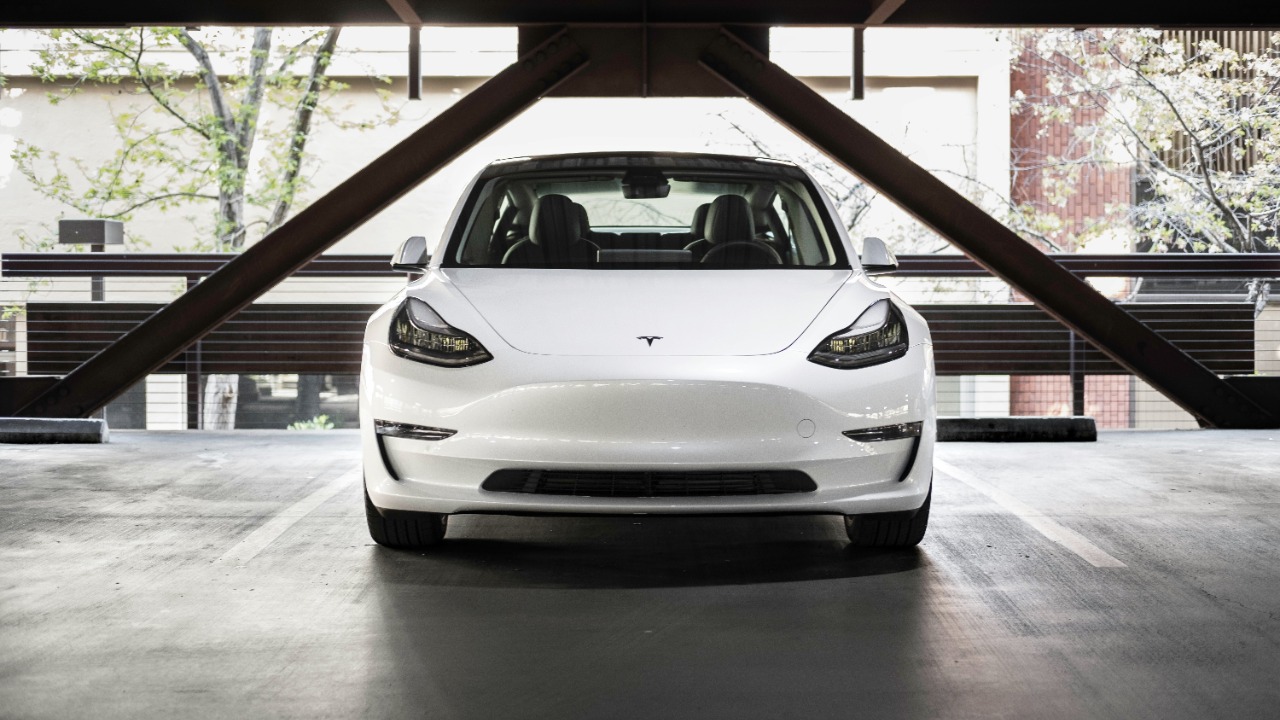

Tesla built its reputation on speed, software, and sleek design, but a growing body of data now points to a more uncomfortable reality: when it comes to keeping those cars running smoothly over time, the brand is slipping to the bottom of the pack. A new analysis of breakdowns and defects in electric vehicles ranks Tesla as the least dependable EV maker on the road, and it lands on top of earlier studies that already flagged serious long‑term issues for owners. Together, these findings suggest that the company that helped mainstream battery‑powered cars is now a case study in how cutting‑edge tech can collide with basic durability.
How the new EV study put Tesla at the bottom
The latest blow to Tesla’s reputation comes from a fresh look at real‑world failures in electric cars, where researchers compiled a broad dataset of incidents to see which brands suffer the most trouble. According to that dataset, Tesla occupies both the first and second spots on a list of the most failure‑prone EVs, a result that effectively crowns it the least reliable electric brand in the sample. The analysis ties those rankings to patterns of breakdowns and defects that go beyond isolated anecdotes, painting a picture of cars that spend more time in repair bays than owners might expect from a high‑tech flagship.
The same research highlights how specific components tend to drive Tesla’s problems, with suspension and axle issues showing up again and again in the records. One summary notes that “Suspension and axle failures usually cause most recalls (123),” a figure that underscores how often basic hardware, not just software, is at the heart of the company’s headaches. Those findings, drawn from data gathered by eCarsTrade and recapped in a recent overview of how According to a dataset Tesla’s models fail in the field, set the stage for a broader reassessment of what buyers can reasonably expect when they choose the brand.
What “least reliable” actually means for owners
Reliability rankings can sound abstract until they translate into the daily lives of drivers, and in Tesla’s case that translation is increasingly stark. When a brand sits at the bottom of a list built from breakdowns and repair records, it means owners are more likely to face repeated trips to service centers, unexpected costs once warranties expire, and long waits for parts or appointments. In the EV world, where many buyers were sold on the idea of fewer moving parts and lower maintenance, finding out that a supposedly low‑upkeep car is among the most failure‑prone can feel like a bait‑and‑switch.
The new EV study’s focus on suspension and axle failures is especially telling because those components are central to how a car rides and handles, and they are not easily patched with an over‑the‑air update. The report notes that these failures are behind most of the 123 recalls tied to Tesla’s electric models, a volume that can leave owners juggling safety notices and service bookings instead of simply charging and driving. A follow‑up analysis of the same research stresses that these problems stem from intense weight, powerful acceleration, and design choices that leave some parts vulnerable when a car crashes or moisture gets inside, a pattern that a separate recap of how Suspension and design stress can make EVs more problematic and harder to maintain brings into sharp focus.
Consumer Reports data: Teslas at the back of the used‑car pack
The new EV‑specific findings do not stand alone, they land on top of a series of broader reliability studies that already flagged Tesla as a laggard, especially in the used market. In a major ranking of long‑term dependability for 5‑ to 10‑year‑old vehicles, Tesla placed dead last, 26th out of 26 brands, a result that effectively warns shoppers that older Teslas are the riskiest bet among mainstream nameplates. That bottom‑of‑the‑barrel position is echoed in social media summaries of the study, where one widely shared breakdown bluntly notes that Teslas sit at the very end of the list for used‑vehicle reliability.
Those rankings are built on detailed owner surveys that track how often cars suffer problems across categories like powertrain, electronics, and body hardware, and they feed into a broader scoring system that has long guided buyers toward or away from particular brands. The organization behind the study explains in its methodology that “Every year, Consumer Reports asks its members about problems they have had with their vehicles in the previous 12 months,” and that these responses are then rolled into a structured framework titled “How We Score Reliability” that weighs the severity and frequency of issues. That approach, described in detail in the group’s overview of who makes the most reliable cars, is the same one that produced the used‑car list where Tesla finished last among 26 brands.
Used Teslas: bargain or long‑term liability?
For buyers eyeing the booming second‑hand EV market, the question is not just how Teslas perform when new, but whether they hold up as miles and years accumulate. A detailed feature on the subject notes that a New Study Says Used Teslas Are the Least Reliable and describes the picture as “Complicated,” pointing out that while the cars can feel solid and high‑tech at first, they tend to develop issues as they age. That piece, which revisits the same reliability rankings and owner reports, argues that the brand’s early promise of low maintenance has not fully materialized once vehicles move into their second decade of life.
Another analysis aimed at shoppers asks bluntly, “Are Used Teslas Actually Reliable?” and concludes that anyone in the market for a new car and considering a Tesla should think carefully about whether to spend extra for a fresh model rather than gamble on a used one. It notes that Tesla finished last among 26 brands for used‑vehicle reliability, a data point that undercuts the idea that electric cars are automatically safer bets as they age. That warning, which appears in a buyer’s guide explaining why Tesla owners may want to budget for more repairs than they expected, reinforces the message that used Teslas can be long‑term liabilities rather than bargains.
How Tesla compares with other brands and segments
Context matters in any reliability story, and the numbers show that Tesla is not just struggling in isolation, it is falling behind both traditional automakers and other types of electrified vehicles. In a breakdown of brand scores for used‑car dependability, Tesla is listed with a Score of 31, placing it behind Ram with a Score of 35 and Jeep with a Score of 32, all of them clustered at the bottom of the chart. That same ranking notes that the top of the list is dominated by the usual Japanese and Korean stalwarts, which reinforces how far Tesla has to climb if it wants to match the durability of long‑established rivals.
Segment‑level data also complicate the narrative that all electric cars are inherently more robust than their gasoline counterparts. A detailed reliability explainer points out that plug‑in electric vehicles (PHEVs) and full battery EVs can suffer from unique issues, including complex electronics and software‑driven features like power‑rising doors, that introduce new failure points. The organization that compiles these scores notes in its overview of How We Score Reliability that these tech‑heavy systems can be more trouble‑prone than simpler mechanical parts, which helps explain why Tesla, with its aggressive use of software and minimal physical controls, can lag behind brands that take a more conservative approach.
Global warning signs: Germany’s TÜV and other long‑term studies
The reliability concerns are not confined to the United States, inspection data from Europe tell a similar story. In Germany, the country’s rigorous TÜV inspection regime has flagged the Tesla Model Y among the least reliable vehicles in its class, a finding that surprised some who assumed a relatively new EV would sail through technical checks. The inspection reports highlight how recurring defects, rather than one‑off glitches, are pushing the Tesla Model Y toward the bottom of the rankings, suggesting that the brand’s quality challenges are systemic rather than region‑specific.
Analysts who dug into the TÜV data note that the scale of problems seen with the Tesla Model Y is among the worst the inspection body has recorded in ten years, a stark benchmark in a market that includes everything from aging city cars to premium German sedans. A detailed recap of how Germany’s TÜV exposed the gap between Tesla’s high‑tech image and its low‑maintenance promises argues that the brand’s rapid growth may have outpaced its ability to lock down quality, leaving owners to discover flaws during mandatory inspections rather than at the factory gate.
Inside the long‑term reliability rankings that put Tesla last
Beyond individual models and markets, broader long‑term studies have now converged on the same conclusion: Tesla sits at or near the bottom when cars are judged over many years of ownership. One widely cited analysis of long‑term dependability notes that Tesla is dead last in long‑term reliability, and that some cars simply are not as robust once the new‑car smell fades. The report warns that once warranties expire, owners of brands at the bottom of the list should brace for more frequent and more expensive repairs, a category that now clearly includes Tesla.
A separate breakdown of the same data, focused on the Tesla Model Y Performance, reiterates that Tesla is dead last in long‑term reliability and attributes that ranking to patterns of failures captured in owner surveys and repair records. The summary emphasizes that, according to Consumer Reports, the brand’s long‑term score reflects not just isolated horror stories but a consistent pattern of issues across multiple model years. That perspective is laid out in a detailed look at how According to the Study, Tesla’s long‑term reliability lags rivals, and it dovetails with another overview that simply states that Some brands, including Tesla, are ones shoppers should avoid if they care about durability.
The “catch” in Tesla’s improving but uneven reliability
There is a twist in the data that Tesla defenders often point to: some measures show the brand improving, even as it still trails the field. A recent analysis notes that Tesla reliability improves sharply in one Consumer Reports study, enough for the brand to make its first appearance in the top half of a new‑car reliability ranking. That improvement is attributed in part to an aging lineup that has had time to work through early production bugs, with the notable exception of its newest model, the Cybertruck, which is still too fresh and too troubled to lift the overall score.
Yet even that cautiously positive trend comes with a catch, as another breakdown of the used‑car data stresses. One commentator notes that Tesla ranks dead last in used‑car reliability, but there is a catch in how the numbers are interpreted, since the brand’s vehicles are still relatively young compared with some rivals and may not have fully revealed their long‑term behavior. The same analysis, written by Fred Lambert and shared alongside 77 Comments, points out that while Tesla is improving as an automaker, it still is far from the top when it comes to durability. That nuance is captured in a detailed look at how Fred Lambert explains the 48 brand ranking and the gap between new‑car gains and used‑car struggles, and it is echoed in a policy‑focused recap that notes how Tesla reliability improves sharply even as Consumer Reports keeps a close eye on the Cybertruck.
Real‑world consequences: recalls, repairs, and owner expectations
Behind the rankings are concrete events that owners feel directly, from recalls to repair bills. One recent overview of America’s least reliable electric vehicles notes that Four Tesla models are reportedly among the 10 least reliable EVs in America, a concentration that would be worrying for any brand, let alone one that dominates EV sales. The same report highlights recalls affecting more than 429K cars, a figure that hints at the scale of the issues and the logistical strain of fixing them, especially when service networks are already stretched.
Owner anecdotes add color to the statistics, and they often reveal a gap between expectations and reality. In one widely shared post, a driver remarks that they saw even more Teslas in Portugal than in Italy or Spain, a sign of how quickly the brand has spread across Europe, before pivoting to the question of whether those cars live up to their reputation for durability and minimal maintenance requirements. The same thread debates whether over‑the‑air updates and mobile service visits should count as “repairs” in reliability surveys, with some arguing that software fixes are less serious than mechanical failures. That debate plays out in a discussion of how Interestingly high Tesla visibility in Portugal, Italy, and Spain contrasts with the brand’s dead‑last placement in used‑car rankings, and it underscores how perception can lag behind data.
Why Tesla’s reliability problem matters for the EV transition
The stakes of Tesla’s reliability slide go beyond one company’s reputation, they touch the broader public perception of electric vehicles at a pivotal moment in the transition away from internal combustion. For many first‑time EV buyers, a Tesla is their introduction to battery‑powered driving, and if that experience is marred by repeated failures or long waits for service appointments, it can sour them on the entire technology. The new EV study that ranks Tesla as the least reliable brand notes that owners sometimes wait weeks for a service appointment, a delay that can feel especially jarring for customers who were promised a seamless, software‑driven ownership experience.
Other automakers are watching closely, because Tesla’s struggles offer both a cautionary tale and an opening. Brands that can pair competitive range and performance with rock‑solid dependability have a chance to win over drivers who still associate EVs with experimental tech. At the same time, Tesla’s defenders argue that the brand is still innovating faster than rivals and that some of the reliability issues are growing pains that will fade as designs mature. Yet the hard numbers, from the Score of 31 that puts Tesla behind Ram with 35 and Jeep with 32 in used‑car rankings to the multiple studies that place it dead last in long‑term reliability, suggest that the company will need more than software updates to change the story. Even social media recaps, like an Instagram reel that bluntly states that Tesla ranked dead last, 26th out of 26 brands, in one major reliability study, capture how Tesla ranked dead last in the eyes of data‑driven evaluators, and that perception will be hard to shake without a sustained, verifiable improvement.
More from Morning Overview