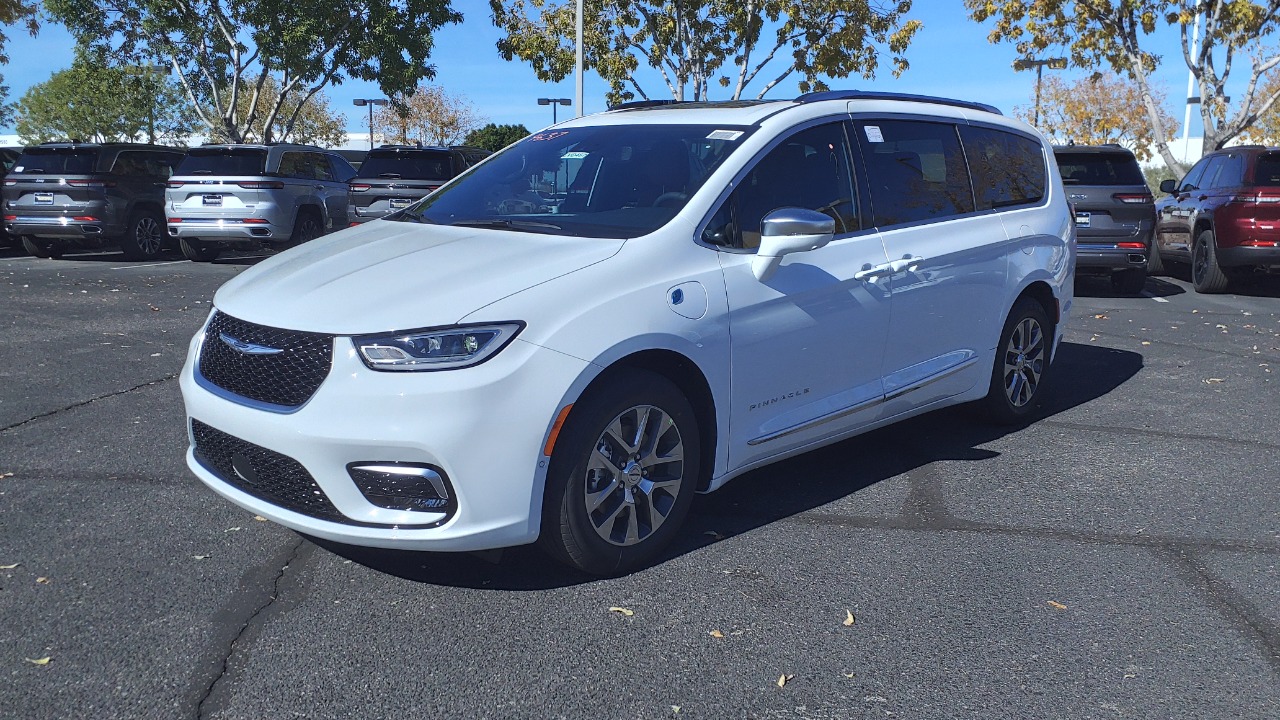

Stellantis is preparing a dramatic reset of its electrification strategy, and plug-in hybrids are the first casualties. For the 2026 model year, the company is phasing out every PHEV it sells in North America, including high-profile Jeep 4xe SUVs and the Chrysler Pacifica Hybrid, in favor of conventional hybrids, extended-range EVs, and fully electric models. The move signals a sharp turn away from the “best of both worlds” promise that helped plug-in hybrids gain a foothold with American buyers.
Instead of treating PHEVs as a long-term bridge technology, Stellantis is effectively declaring that the bridge is too short to be worth maintaining. The decision will reshape lineups at Jeep, Chrysler, and other brands under the Stellantis umbrella, and it raises pointed questions about what American drivers actually want from electrified vehicles and how quickly they are willing to leave gasoline behind.
What Stellantis is canceling, model by model
The clearest signal of the shift is the end of the Jeep 4xe program, which Stellantis has now confirmed is finished. The plug-in hybrid versions of the Jeep Wrangler and Jeep Grand Cherokee, marketed under the 4xe badge, are being dropped from the North American lineup as part of a broader strategy overhaul. Reporting on the decision notes that Stellantis has explicitly tied the end of Jeep 4xe to a reassessment of customer demand and regulatory pressure, with a spokesperson saying that the company continually evaluates its product strategy to meet evolving needs, a statement highlighted in coverage of how Stellantis confirms Jeep® 4xe PHEV program is finished.
The cuts do not stop at Jeep. Stellantis has also canceled its plug-in hybrid Chrysler and Jeep models more broadly, which means the Chrysler Pacifica Hybrid minivan is being removed alongside the Wrangler and Grand Cherokee PHEVs. Coverage of The Plug-In Hybrid Jeep Wrangler And Grand Cherokee Are Dead makes clear that Stellantis has axed its plug-in hybrids in North America as it pivots to other forms of electrification, including extended-range EVs with gas generators. In practice, that means every PHEV Stellantis currently offers in the region is being scrubbed from the order books for the 2026 model year.
How the 2026 model year becomes a turning point
The 2026 model year is more than a calendar milestone for Stellantis, it is the point at which the company stops offering any plug-in hybrids in North America at all. Reporting on how Stellantis Is Canceling All Of Its Plug-In Hybrids For The 2026 Model Year describes the company as “pulling the plug on PHEVs,” and that phrase captures the scale of the change. Instead of tweaking or trimming the lineup, Stellantis is drawing a hard line at 2026 and using that model year to reset its electrified offerings around other technologies. That reset is already visible in how Jeep is presenting its future products. The 2026 Jeep Cherokee is being introduced with the tagline “No Plug, All Adventure,” and the company describes the 2026 Jeep Cherokee as its first-ever Turbo Hybrid Vehicle, powered by an I4 Turbo Hybrid engine that delivers up to a 500 miles range. The official product page emphasizes that this is a No Plug, All Adventure approach, underscoring that Jeep is moving from plug-in hybrids to non-plug-in hybrids as its preferred way to blend gasoline and electric power for mainstream buyers.
Inside Stellantis’s strategy shift away from PHEVs
Stellantis is not simply deleting plug-in hybrids and hoping for the best, it is redirecting investment toward a mix of conventional hybrids, extended-range EVs, and full battery-electric vehicles. A Stellantis spokesperson has said the company is focusing on hybrids, EVs, and EREVs, and that context appears in coverage explaining that Stellantis has canceled its plug-in hybrid Chrylser and Jeep models as part of a broader electrification plan. In other words, the company is not backing away from electrification, it is choosing different tools to meet emissions rules and customer expectations.
At the same time, Stellantis has been explicit that it is going “all-in” on range-extended electric vehicles, which use gas generators to charge the battery rather than driving the wheels directly. Reporting on how Jeep kills plug-in hybrids, claims America does not want them notes that Stellantis says it is going all-in on these extended-range EVs, a strategy that aims to ease range anxiety without relying on plug-in hybrid hardware. The company is effectively betting that drivers who might have chosen a PHEV will instead accept either a simpler hybrid or an EV with a built-in safety net in the form of a generator.
Jeep 4xe disappears as hybrids and EVs step in
The Jeep 4xe badge had become a central part of Jeep’s electrification story, especially on the Wrangler and Grand Cherokee, but that branding is now being erased from the lineup. Coverage of how Jeep 4xe Has Been Scrubbed Like A Wrangler After Mud notes that Jeep is catching all the 4xe models in this purge and that the removal of Jeep’s PHEVs means all, Pacifica included, are being taken off the site. The imagery of a Wrangler washed clean of mud is apt, Jeep is wiping away the 4xe experiment as it prepares a new generation of electrified SUVs.
In place of 4xe, Jeep is leaning on its new Turbo Hybrid branding and on future EVs that will share showroom space with gasoline and hybrid models. The 2026 Jeep Cherokee Turbo Hybrid Vehicle is one example of how Jeep is repositioning electrification as a performance and range enhancer rather than a plug-in obligation, with the I4 Turbo Hybrid promising up to 500 miles of driving without ever connecting to a charger. That approach fits with Stellantis’s broader message that it is moving toward hybrids and fully electric solutions, a point that appears again in coverage of how Stellantis continually evaluates its product strategy to balance customer demand, regulatory requirements, and the mix of hybrid, extended-range, and fully electric vehicles.
What this means for the wider EV market
Stellantis’s decision lands at a moment when the broader EV market is diversifying, with new electric models on the way across multiple brands and segments. Future product previews highlight vehicles like The Alfa Romeo Stelvio Quadrifoglio, described as the fastest and most powerful version of the sporty Italian SUV, as part of the electrification of its lineup, with an Expected Release around the 2026 timeframe. That context matters because it shows that while Stellantis is dropping PHEVs, it is not stepping away from high-performance or premium electrified vehicles, it is instead planning to deliver them as full EVs or advanced hybrids.
The internal logic of Stellantis’s move is that plug-in hybrids are a niche that no longer justifies the complexity and cost, especially if customers are not plugging them in consistently. Reporting on the strategy overhaul notes that Parent company Stellantis provided a statement to The Drive explaining that it continually evaluates its product strategy to meet evolving customer needs and regulatory requirements, a line that appears in coverage of how Jeep kills 4xe models, Chrysler dumps Pacifica Hybrid in strategy overhaul. I read that as Stellantis betting that American buyers will either commit to full EVs or prefer simpler hybrids and extended-range setups, leaving plug-in hybrids as an awkward middle ground that no longer fits the company’s long-term plan.
That bet is not without risk. Plug-in hybrids have been a useful on-ramp for drivers who want some electric capability without fully trusting charging infrastructure, and models like the Wrangler 4xe have been strong sellers in their segments. Coverage that describes how Stellantis Is Canceling All Of Its Plug-In Hybrids For The 2026 Model Year also notes that Stellantis is “going through it,” a phrase that hints at the financial and strategic pressure behind such a sweeping decision. If extended-range EVs and new hybrids fail to resonate, Stellantis may find that it has walked away from a technology that still had room to grow, even as rivals continue to treat PHEVs as a key part of their transition plans.
More from Morning Overview