
Starlink has quietly turned Venezuela into a test case for what happens when a private satellite network opens the taps on connectivity in the middle of a political earthquake. The company is waiving broadband fees for users across the country, effectively giving Venezuelans a temporary digital lifeline while the dust settles after the capture of Nicolás Maduro. For now, the signal is free, but the fine print and the hardware requirements show how conditional that generosity really is.
The move has already sparked celebration, suspicion and a scramble to understand who can actually get online. I see a rare experiment unfolding in real time: a commercial constellation stepping into a role usually reserved for states or humanitarian agencies, and doing it on its own terms.
What Starlink is actually offering in Venezuela
At the core of the offer is a simple promise: Starlink is providing broadband service in Venezuela without monthly fees for a limited window. In its own support materials, the company says it is giving free access to the people of Venezuela, framing the move as a way to keep connectivity going during a period of upheaval, and explicitly tying the offer to users who already have active or paused accounts on the network in the country, according to the main Starlink help page. The same documentation makes clear that this is not an open-ended pledge, but a time boxed program that will end unless Starlink decides to extend it.
In a more detailed breakdown, the company specifies that the free broadband service to Venezuela runs through February 3 and that existing customers do not need to take any action to benefit from the waiver during this period. The support note explains that accounts which were previously suspended or canceled can also reactivate service during the free window, which effectively turns the country into a temporary zero subscription zone for those who already have the kit, as laid out in the section on how Starlink is supporting the people of Venezuela. I read that as a targeted relief measure rather than a blanket giveaway, one that still assumes a certain level of prior access and purchasing power.
The geopolitical shock that set the stage
The timing of the free access is not accidental. The offer came in the immediate aftermath of United States airstrikes and the capture of Maduro, a moment when Venezuela’s political order was abruptly upended and information flows became even more contested than usual. Reporting on the move notes that Elon Musk’s company rolled out the free service after the raid that led to the capture of Maduro, explicitly linking the connectivity gesture to that dramatic shift in power in Venezuela. In that context, free internet is not just a perk, it is a strategic asset that can shape how quickly and freely people communicate in the power vacuum that follows a toppled regime.
Other coverage underscores that this is not a random marketing push but a response to a specific crisis. Accounts of how Musk’s Starlink offers free internet access in Venezuela describe the move as a way to ensure that people can stay online during a volatile transition, with the free service framed as a bridge through the immediate aftermath of the strikes and the capture of Maduro, according to one detailed explainer on how Musk structured the access window. I see a pattern that has surfaced before in conflict zones: Starlink steps in when traditional infrastructure is fragile or politically compromised, but it does so as a private actor with its own calculus, not as a neutral public utility.
The big catch: hardware, availability and who really benefits
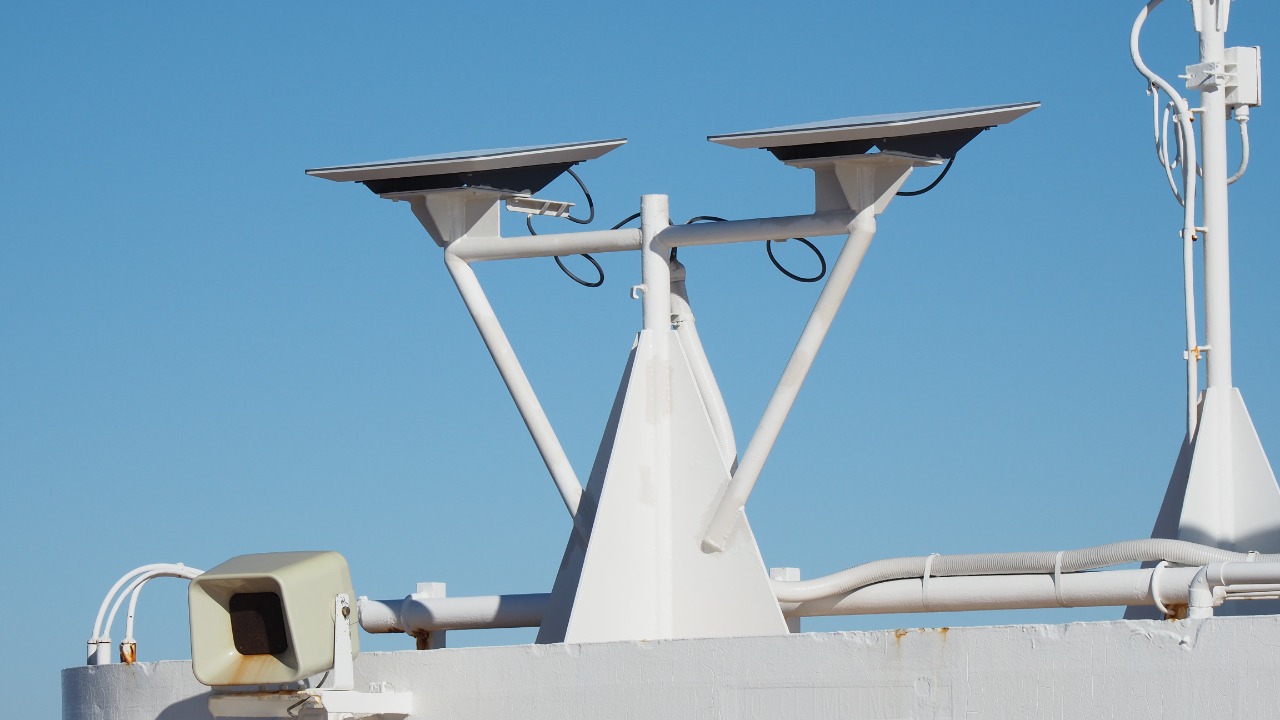
For all the talk of free internet, the offer comes with a significant catch that sharply limits who can take advantage of it. To get online, Venezuelans still need a Starlink dish and receiver, hardware that is not cheap by local standards and that has not been widely distributed across the country. One analysis of the program spells this out bluntly, noting that while SpaceX enables free Starlink internet in Venezuela, the real constraint is that users must already own or obtain the satellite kit, a requirement that turns the promotion into a benefit for a relatively small, better resourced slice of the population, as highlighted in coverage of how SpaceX Enables Free Starlink Internet. That same reporting points out that Starlink dishes are freely sold in some markets, but that does not mean they are widely accessible inside Venezuela’s battered economy.
Technical coverage of the rollout reinforces this point, explaining that Starlink rolled out free broadband internet service to people in Venezuela but that the network still depends on ground terminals that are unevenly distributed and often concentrated in urban centers or among organizations with foreign ties. Reports note that the coverage extends across the country and surrounding states, but the real bottleneck is the number of active terminals on the ground, as described in summaries of how Starlink offers free internet access in Venezuela. When I weigh those details, the picture that emerges is less a universal digital emancipation and more a targeted subsidy for those who already sit near the top of the connectivity ladder.
How Venezuelans are reacting to the free access
On the ground and online, the response mixes gratitude, skepticism and a clear eyed focus on the hardware gap. Social media threads about the move are full of comments praising Elon Musk as a “kind gentleman” and thanking him for stepping in where local leaders have failed, but they also feature blunt reminders that “You’d still need to have the satellite dish and receiver” to make use of the service, as one widely shared Facebook post about how You know Elon Musk is providing free Starlink internet to people in Venezuela makes clear. That same thread includes a pointed comparison to “Mandami,” a shorthand jab at local political leadership, and a debate over whether free connectivity should be treated as a luxury or a basic tool for survival.
Video explainers and commentary pieces echo that ambivalence. One widely viewed clip titled “Free Starlink to Venezuelans” walks through the offer and emphasizes that Starlink has announced free internet service in Venezuela, but it also stresses that the company is supplying free broadband service only to those who can already connect, a nuance that shapes who actually benefits from the gesture, as the YouTube breakdown of Venezuela’s access highlights. I read those reactions as a reminder that in a country where basic services have collapsed, even a generous sounding tech intervention can deepen divides if it does not grapple with the cost and distribution of the gear that makes the network usable.
A test of Starlink’s power and limits as a political actor
For Starlink and its owner Elon Musk, Venezuela is fast becoming a case study in how a commercial satellite network can wield soft power. Financial coverage of the move notes that Starlink is offering free internet in Venezuela and frames the decision as both a humanitarian gesture and a strategic play that could strengthen the company’s brand and influence in a region where traditional telecoms have struggled, as one analysis of how Starlink Offers Free Internet in Venezuela puts it. The same reporting points out that this kind of move can shape investor perceptions of Starlink’s long term role in global connectivity, especially if the company is seen as a go to solution in crisis zones.
Technical and consumer focused reports add another layer, describing how Jan and Starlink are central to a program that gives Venezuelans free access for a short period but leaves open what happens when the calendar flips past the cutoff. One detailed look at the promotion explains that Starlink is providing free broadband service to the people of Venezuela through early February and that after that date, normal billing is expected to resume unless the company announces an extension, a structure that turns the current moment into a kind of live trial, as outlined in coverage of how Jan and Starlink are handling the Venezuelan offer. Another breakdown of the support program reiterates that Starlink is providing free broadband service to the people of Venezuela through February 3, ensuring continued connectivity during the free access window but making no promises beyond that, according to the official note on how Venezuela is covered. I see that sunset clause as the clearest signal that this is not a new normal, but a temporary flex of power that leaves Venezuelans to wonder what their digital landscape will look like once the free ride ends.
More from Morning Overview