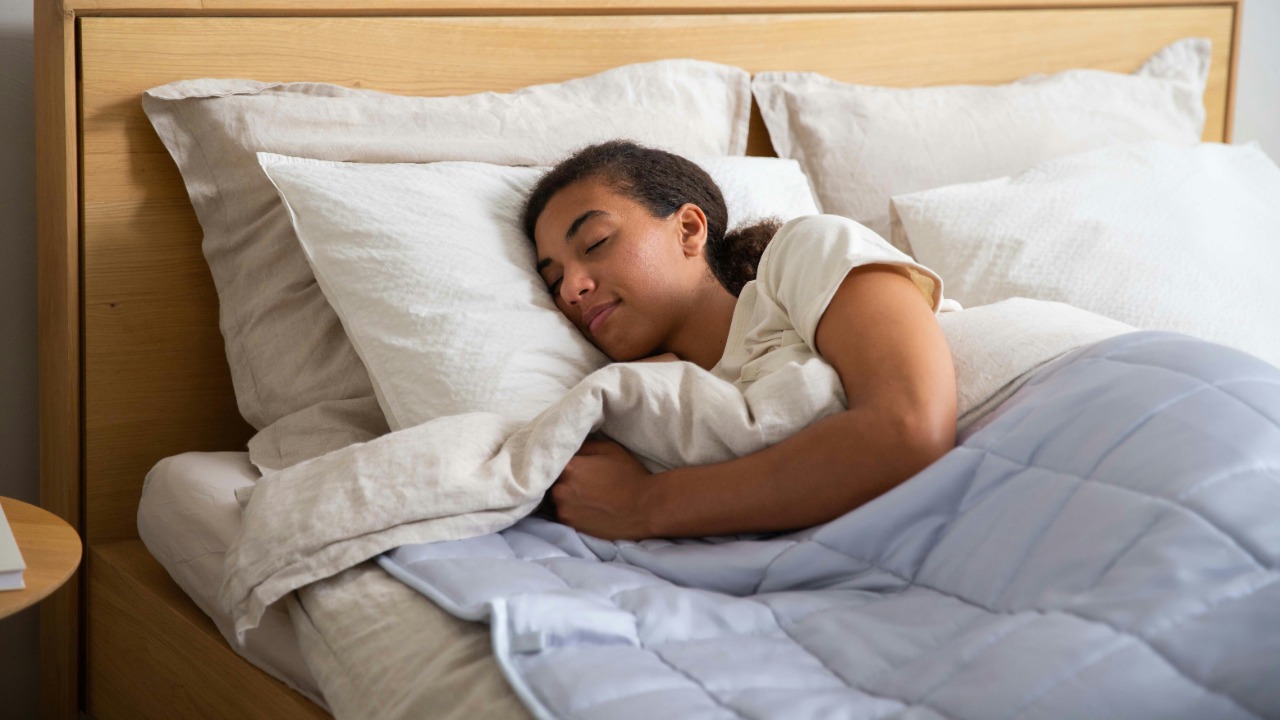

Sleep has long been treated as the optional third pillar of health, something to squeeze in around a “real” wellness plan built on diet and exercise. A growing body of evidence is now flipping that hierarchy, suggesting that how you sleep may predict how long you live more powerfully than what you eat or how often you work out. The emerging message is blunt: if you are cutting your nights short, you may be trading away years of healthy life, no matter how clean your meals or how disciplined your training plan look on paper.
Researchers are finding that consistent, sufficient rest is not just recovery time but an active biological process that repairs tissue, recalibrates hormones, and clears cellular waste that would otherwise accelerate ageing. When I look across the latest data, the pattern is striking: people who protect their sleep window, keep regular hours, and avoid chronic insomnia appear to gain a measurable edge in longevity, while those who “push through” fatigue pay for it with higher risks of heart disease, diabetes, and early death.
Why scientists are suddenly ranking sleep above diet and exercise
For years, public health campaigns have hammered home the importance of food quality and physical activity, while sleep was treated as a lifestyle preference. That hierarchy is now being challenged by research that directly compares the three. One analysis highlighted in a report on what is most important for a long life found that Staying up late and sleeping too little predicted long term mortality more strongly than diet quality or exercise habits, even after accounting for chronic conditions like diabetes. In other words, people who chronically shorted their nights were more likely to die earlier, regardless of how virtuous their plates or gym logs looked.
Another line of evidence comes from work showing that Sleep quality and duration can outweigh even social connection and physical activity as predictors of lifespan. In that research, poor sleep, including chronic Insomnia, was associated with higher mortality risk than low exercise levels or social isolation, suggesting that the body treats disrupted nights as a more urgent threat than skipped workouts. When I weigh these findings together, the case is clear: sleep is not just one leg of the stool, it may be the base that keeps the other two standing.
What your body actually does while you sleep
It is tempting to think of sleep as “nothing happening” time, but physiologically it is one of the busiest windows of the day. During deep and rapid eye movement cycles, the brain clears metabolic waste, consolidates memories, and recalibrates the nervous system, while the rest of the body repairs tissue and fine tunes hormones that govern appetite, blood sugar, and blood pressure. Reporting on Why Sleep Will Help You Live Longer describes how this nightly maintenance links Sleep, well being, and longevity, with the body using those hours to repair damage that, if left unchecked, would accumulate into chronic disease.
Specialists in healthy ageing have gone further, arguing that you may literally be able to sleep your way to a longer life if you protect both duration and quality. Guidance on Sleep and longevity explains that fragmented nights and chronic short sleep disrupt immune function, increase inflammation, and raise the risk of cardiovascular disease, while consistently getting enough rest supports healthy blood vessels and brain function. That same resource frames the idea bluntly with the phrase How quality sleep impacts your life span and notes that You may be able to sleep your way to a longer life because insufficient hours cause health issues that accumulate over decades.
How poor sleep quietly sabotages diet and exercise
Even if you never read a sleep study, you have probably felt how a short night derails good intentions the next day. What looks like a willpower problem is often a hormonal one. When you are sleep deprived, levels of ghrelin, the hormone that stimulates hunger, rise, while leptin, which signals fullness, falls, nudging you toward larger portions and more calorie dense foods. Research on behavioral weight loss programs has shown that people who sleep well are more likely to stick with their eating plans, while those who toss and turn struggle to follow through. In one trial, a report on Research Highlights noted that a good night’s rest made it easier for participants to adhere to exercise and diet goals in a structured program, with Embar and colleagues highlighting sleep as a key behavioral lever.
The same pattern shows up in broader lifestyle research. Coverage of how Researchers see sleep interacting with health and fitness goals describes New findings that people who slept better were more successful at losing weight and maintaining exercise routines, while those with erratic or short sleep saw their efforts undermined. When I connect these dots, the conclusion is hard to avoid: if you are not sleeping enough, your diet and workout plan are effectively operating with the brakes on.
Regular sleep patterns and biological age
Longevity science is increasingly focused on “biological age,” the wear and tear on your cells, rather than the number of birthdays you have celebrated. Lifestyle interventions that slow this cellular clock are prized, and sleep is emerging as one of the most potent. A report on five lifestyle changes that might help you live longer lists physical activity, including the advice to Run away from ageing and the benefits of Being more active, but it also highlights how people who worked at normal hours and protected their nights showed slower ageing markers than those with irregular schedules. The piece opens with Nov guidance that Here are five evidence backed ways to reduce biological age, and sleep timing is woven through that list.
More direct evidence comes from population studies of sleep regularity. In a large multi ethnic cohort, investigators found that People with consistent bed and wake times had lower risks of cardiovascular disease and death than those with irregular and insufficient sleep patterns. The summary of Better Sleep, Longer Life frames this as The Benefits of a Regular and Sufficient Sleep Pattern, noting that those who kept regular schedules effectively aged more slowly at the organ level than peers with chaotic nights. When I look at these findings alongside the broader ageing literature, it is hard not to see a regular bedtime as a form of daily, low effort age control.
How much sleep is “enough” for longevity?
One of the most common questions I hear is how many hours you actually need if your goal is not just to feel alert but to live longer. The emerging consensus from large cohort studies is that around seven to nine hours of nightly sleep for most adults is associated with the lowest risk of chronic disease and death, with a sweet spot near the middle of that range. Reporting on Sleep as Important as Diet and Exercise for Living Longer notes that getting less than seven hours was linked with higher mortality, while oversleeping could also signal underlying illness. The piece, titled with the phrase Researchers Say, underscores that both quantity and regularity matter.
Healthy ageing experts echo this range, but they also stress that quality is as important as raw hours. Guidance on how quality sleep affects lifespan explains that frequent awakenings, untreated sleep apnea, and chronic insomnia can blunt the benefits of a long night, leaving you with the metabolic profile of someone who slept far less. When I put these threads together, my advice is simple: aim for at least seven solid hours in bed, protect a consistent window that lets you reach eight if your body needs it, and treat persistent trouble falling or staying asleep as a medical issue, not a personality quirk.
Practical rules that make better sleep realistic
Knowing that sleep matters is one thing, changing your evenings is another. That is where simple, memorable rules can help. One popular framework is the Apr guideline known as the 10 3 2 1 0 sleep rule, which recommends cutting off caffeine 10 hours before bed, stopping food and alcohol 3 hours before, ending work 2 hours before, and turning off screens 1 hour before, with 0 being the number of times you hit snooze. By front loading stimulation and winding down deliberately, you give your nervous system time to shift from alert to restful, which makes it easier to fall asleep and stay there.
Some sleep focused coaches pair this with exercise and nutrition timing rules designed to deepen rest. One example is a personal protocol described as a 3 3 3 rule to optimize deep sleep, which advises you to Avoid intense exercise within 3 hours of bed, finish your last full meal at least 3 hours before, and stay away from caffeine after 3 pm to secure around 90 m of deep sleep. While this is not a randomized trial, it lines up with what sleep labs see: late caffeine, heavy meals, and late night high intensity workouts fragment deep sleep, while earlier timing supports the slow wave stages that appear most protective for brain and heart health.
Why late nights are a hidden longevity risk
Beyond total hours, the timing of your sleep window matters. Humans are wired to follow a roughly 24 hour circadian rhythm, with hormones like melatonin and cortisol rising and falling in predictable patterns. When you consistently push your bedtime into the early morning hours, you are not just staying up late, you are forcing your internal clock out of sync with light and dark, a pattern linked to higher rates of obesity, diabetes, and cardiovascular disease. The analysis that framed New research on what matters most for a long life emphasized that Staying up late might be costing you years, with night owls showing higher risks of diabetes and long term mortality than early sleepers, even when they logged similar total hours.
Shift work research reinforces this picture. In the lifestyle analysis that opened with Nov guidance on five ways to slow ageing, people who worked at normal hours and slept at night had lower biological ages than those whose jobs forced them into irregular or overnight schedules. When I connect these findings, the implication is clear: if you have the freedom to choose your hours, aligning your sleep with the natural dark period is one of the most powerful, low tech longevity tools available, and if you cannot, you may need to be even more protective of your sleep hygiene to compensate.
Reframing sleep as your primary longevity habit
When you stack the evidence side by side, sleep starts to look less like a passive state and more like an active health behavior that underpins every other choice you make. The reports on Oct guidance about Why Sleep Will Help You Live Longer, the population data on Better Sleep, Longer Life, and the mortality analyses showing that Sleep can be more important than diet or exercise all point in the same direction. If you are serious about living longer, the most radical move you can make may not be a new supplement or a more extreme workout, but a quiet, consistent commitment to turning the lights out on time.
That does not mean food and movement stop mattering. The evidence on Here are five lifestyle changes that slow ageing, the advice to Run and keep Being active, and the behavioral data showing that good sleep makes it easier to follow diet and exercise plans all reinforce that these habits work together. What the new science suggests is a simple reordering of priorities: treat sleep as the foundation, not the afterthought. Once your nights are protected, your meals and workouts can finally deliver the longevity benefits they promise on the label.
More from MorningOverview