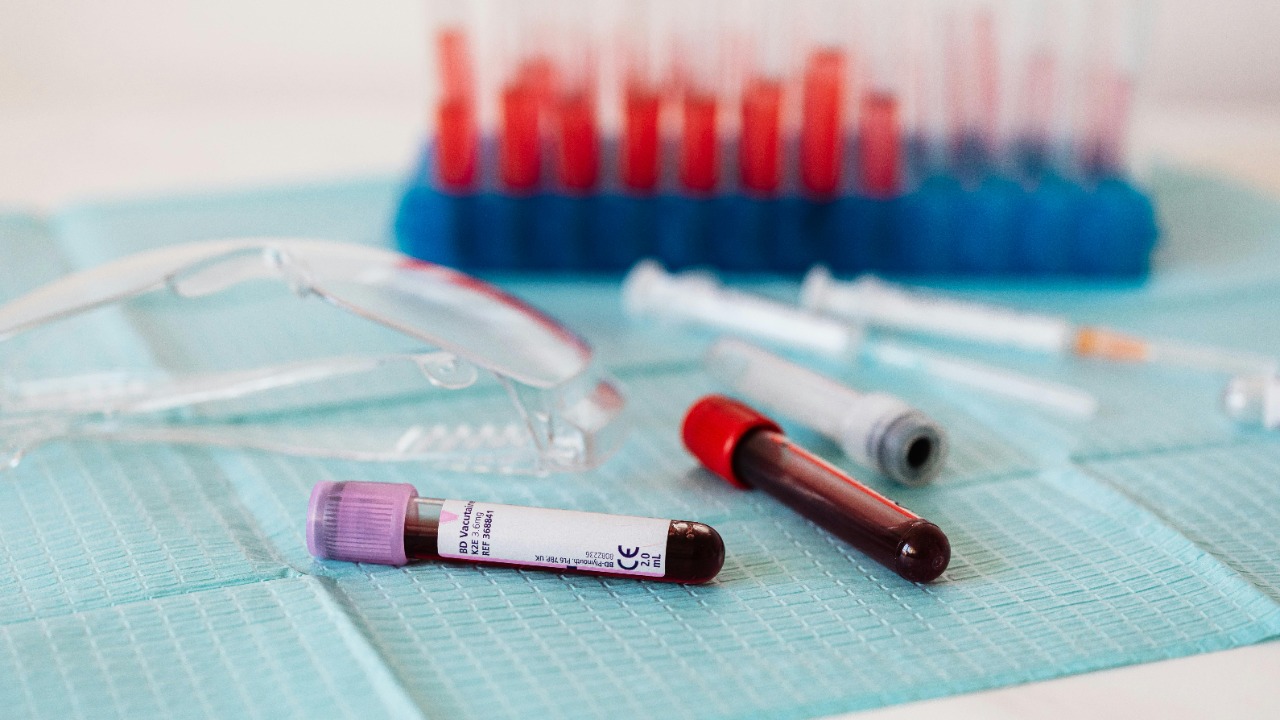

Across large population studies, people who live into their nineties and beyond keep showing up with the same quiet signature in their blood: a cluster of metabolic and organ-function markers that sit in a narrow, surprisingly stable range. Rather than a single “longevity gene,” the emerging picture is a shared biochemical pattern that appears decades before anyone blows out candles at 90 or 100. Scientists are now tracing that pattern in detail, and it is starting to look less like a curiosity of rare super-agers and more like a roadmap for the rest of us.
Researchers following tens of thousands of adults over several decades have found that those who eventually reach very old age tend to have healthier levels of glucose, kidney and liver markers, lipids, and iron, even in midlife. The same constellation shows up in people who make it past 90 and in those who cross the 100 threshold, suggesting that a common blood profile, rather than luck alone, separates the longest-lived from everyone else.
The quiet revolution in longevity research
For years, longevity science was dominated by genetics and lifestyle stories, from rare gene variants to Mediterranean diets. I now see a shift toward something more measurable and actionable: routine blood tests that can predict who is likely to reach advanced ages. Large cohort studies are tracking thousands of adults over 30 or more years and linking midlife blood chemistry to survival into the tenth decade and beyond, turning everyday lab values into a kind of long-range health forecast.
In one of the most detailed efforts, Participants in the population-based AMORIS cohort had blood-based biomarkers measured between 1985 and 199, then were followed to see who achieved what researchers call “exceptional longevity.” The analysis linked specific patterns, including Higher levels of total cholesterol and iron and lower levels of glucose, creatinine, uric acid and aspartate aminotransferase to a greater chance of surviving into very old age. That kind of granular, long-term data is what allows scientists to talk about a shared blood marker profile rather than isolated anecdotes of healthy elders.
The shared blood marker that stands out
Among the many numbers on a lab report, one pattern keeps surfacing in people who live into their nineties and beyond: consistently low to mid-range measures of metabolic waste products and blood sugar. When I look across the studies, glucose, creatinine and uric acid form a kind of core trio, with other markers like liver enzymes and lipids rounding out the picture. The common thread is that the bodies of long-lived people seem to manage energy and clear byproducts more efficiently, putting less chronic strain on organs.
Analyses of centenarians show that those who reach 100 tend to have lower levels of glucose, creatinine and uric acid compared with peers who die earlier, even when tests are taken years before anyone approaches old age. One report on Centenarians describes how people who live past 100 have these three markers in the lower ranges, while those who die younger more often show higher readings. Another synthesis of the Swedish AMORIS data found that lower glucose, creatinine and uric acid, together with favorable liver enzymes, were linked to reaching 100, reinforcing the idea that this shared metabolic signature is a defining feature of the longest-lived.
What the Swedish AMORIS cohort uncovered
The AMORIS cohort has become a cornerstone for understanding how midlife blood chemistry predicts survival into very old age. I find its power lies in scale and duration: tens of thousands of people, standardized lab tests, and follow-up stretching across decades. That combination lets researchers separate fleeting blips from durable patterns that actually matter for who reaches 90 or 100.
In this cohort, AMORIS data showed that people with lower midlife glucose, creatinine and uric acid, along with lower aspartate aminotransferase and gamma-glutamyl transferase, were more likely to achieve exceptional longevity. At the same time, those who eventually lived very long had somewhat higher total cholesterol and iron, a nuance that challenges simplistic “lower is always better” narratives. The authors concluded that these blood biomarker profiles play an important role for exceptional longevity, suggesting that how organs function in midlife, not just whether someone develops a specific disease, shapes the odds of reaching advanced ages.
Tracking 44,000 Swedes toward 100
Another Swedish project sharpened the focus by zeroing in on who actually makes it to 100 and what their blood looked like decades earlier. Researchers in Sweden followed more than 44,000 adults for up to 35 years, linking routine lab results to the eventual milestone of a triple-digit birthday. I see this as a real-world stress test of the longevity pattern, because it relies on the same kinds of tests most people already get in primary care.
In that work, Researchers in Sweden tracked over 44,000 adults for up to 35 years and found that those who reached 100 had more favorable biomarker patterns long before old age. A companion analysis on Healthy Organ Function reported that Centenarians had lower levels of GGT, ALP, LDH, creatinine and uric acid, along with healthier lipid profiles, and that these values, measured in midlife, were linked to reaching 100. The pattern was not about extreme numbers but about sitting in stable, favorable ranges across multiple systems, from liver and kidney to metabolism and inflammation.
Glucose, creatinine and uric acid in the spotlight
Among all the markers, glucose, creatinine and uric acid keep reappearing as the most consistent predictors of who will still be alive at 90 or 100. I read that as a sign that everyday metabolic housekeeping, rather than exotic anti-aging interventions, is central to extreme longevity. Glucose reflects how the body handles sugar, creatinine tracks kidney filtration and muscle metabolism, and uric acid is a byproduct of purine breakdown that can drive inflammation when elevated.
Analyses of people who live to 100 show that their glucose, creatinine and uric acid tend to sit in the middle ranges of measurement, not at the very low extremes. One summary of the Swedish data noted that People who live to 100 have these things in common on standard blood tests, with values that are neither alarmingly high nor suppressed, but steady and unremarkable. Another overview of centenarian lab profiles reported that those who made it to their hundredth birthday tended to have lower levels of glucose, creatinine and uric acid than peers who died earlier, a pattern echoed in Findings that held even after adjusting for age, sex and disease burden.
Liver, kidney and lipid clues from 100-year-old blood
Beyond the big three, the blood of long-lived people carries subtler hints about how their organs age. I see a recurring theme of “quiet” liver and kidney markers, suggesting less chronic damage, and lipid profiles that are more nuanced than the usual good-versus-bad cholesterol story. These patterns show up not only in centenarians but also in people who survive into their nineties, hinting at a continuum of protective physiology.
Reports on Sharing blood biomarkers describe how 100-year-old people all share crucial markers that short-lived people do not have, with Doctors emphasizing that these chemical snapshots reveal how hard organs are working. In the Swedish analyses, centenarians had lower GGT, ALP and LDH, pointing to less liver and tissue stress, while the AMORIS work linked higher total cholesterol and iron, within normal limits, to exceptional longevity. A practical overview titled How to Live to 100: Check Your Blood highlighted that the newly published study followed people for decades and that healthier patterns in these organ-function markers were associated with living a long life, reinforcing the idea that the “100-year-old blood” profile is about system-wide resilience rather than a single magic number.
From 90-plus to 100: a continuum of exceptional aging
Not everyone who reaches 90 will make it to 100, but the blood patterns that predict survival into the tenth decade look strikingly similar to those seen in centenarians. I see this as evidence that exceptional aging is a continuum, where the same physiological advantages that carry someone past 90 also increase the odds of crossing into triple digits. The difference may be how early those advantages appear and how consistently they are maintained, rather than a separate set of markers kicking in after 95.
A study highlighted in a report on Nov identified common biomarkers in people who live past 90 and showed that healthier profiles in midlife increased the likelihood of turning 100. The piece described a senior African woman portrait smiling at camera from Depositphotos to underscore that these findings apply across diverse populations, not just one narrow group. Another synthesis framed the question as “Do You Have 100-Year-Old Blood?” and noted that People who lived to be 100 showed healthier blood marker patterns many years before old age, suggesting that the same shared profile that distinguishes nonagenarians from their peers also marks out future centenarians long in advance.
What “100-Year-Old blood” really means
The phrase “100-Year-Old blood” can sound mystical, but the science behind it is concrete. When I strip away the hype, what remains is a cluster of ordinary lab values that, taken together, describe how gently or harshly a body is aging. Lower glucose, creatinine and uric acid, quieter liver enzymes, balanced lipids and adequate iron form a composite picture of organs that are not being pushed to their limits year after year.
Analyses framed around the question Do You Have 100-Year-Old Blood emphasize that this profile is detectable decades before someone reaches old age, and that it reflects lifestyle, environment and underlying biology working in concert. Another synthesis on Biomarker Patterns Associated with Living to 100 points out that the people who eventually cross that threshold are not necessarily free of disease, but their blood shows less chronic strain and more stable regulation across multiple systems. In other words, “100-Year-Old blood” is not a separate category of human, it is a measurable pattern of how well the body manages everyday wear and tear.
Why these markers matter more than a single longevity gene
It is tempting to look for a single gene or supplement that guarantees a long life, but the blood profiles of people who reach 90 or 100 argue for a more complex reality. I see these markers as a running tally of how genes, habits and environment interact over decades. They capture the cumulative impact of diet, activity, sleep, stress and medical care in a way that no single genetic test can, which is why they are proving so powerful in predicting who will still be alive in very old age.
One synthesis of the Swedish and AMORIS data, summarized under the headline Blood of Exceptionally Long Lived People Reveals Crucial Differences, noted that By Carly Cassella, Bloo, the blood of exceptionally long-lived people shows crucial differences in multiple markers at once, rather than a single outlier. Another overview of how to Live to 100 by checking your blood stressed that the newly published study followed people for decades and that no single biomarker guaranteed survival, but healthier patterns across the board increased the odds. The shared blood marker profile that keeps showing up in people who hit 90-plus is, in that sense, less a magic bullet and more a long-running scorecard of how well the body has been protected over a lifetime.
More from MorningOverview