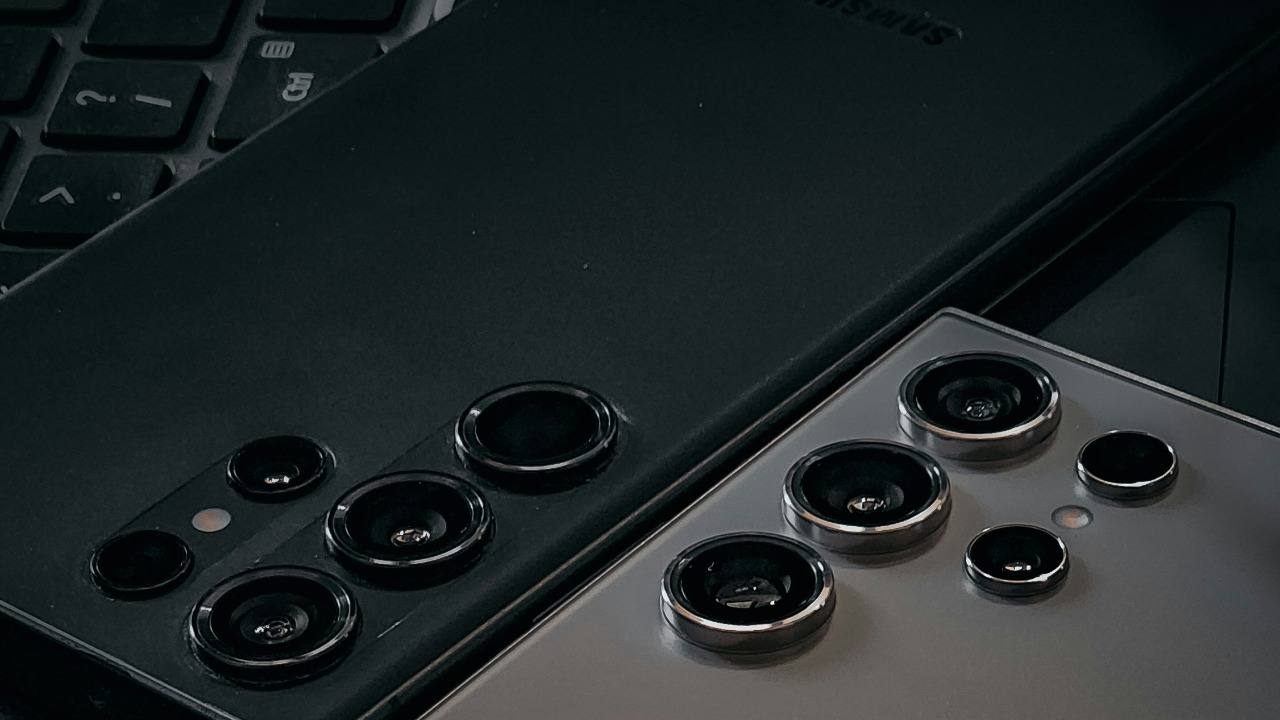

The Samsung Galaxy S26 Ultra is shaping up to be the kind of device that keeps the company at the front of the Android pack, with 6G‑ready ambitions, aggressive AI features and a familiar premium design. Yet the closer I look at the leaks and pricing chatter, the clearer it becomes that staying on top of the spec sheet comes with trade‑offs that are not obvious on a launch slide. The hidden cost is not just what you pay at checkout, but how Samsung’s choices around memory, connectivity and long‑term positioning shift the burden back onto buyers.
From component inflation to risky design tweaks, the Galaxy S26 Ultra is being built in a tougher economic moment than its predecessors, and that tension runs through almost every rumor. Samsung appears determined to hold the line on headline prices while still delivering a “no‑compromise” flagship, which means the compromises are simply moving elsewhere, into storage tiers, regional variants and the long tail of ownership.
Samsung’s next Ultra is designed to look effortless, but it is not
The Galaxy S26 Ultra is already being framed as the natural evolution of Samsung’s most premium phone, with leaks pointing to a familiar silhouette, refined cameras and a more comfortable stylus. On the surface, that sounds like a straightforward upgrade cycle, the kind of annual polish that keeps loyal buyers happy and the brand’s image intact. In reality, maintaining that sense of effortlessness in a slowing smartphone market requires Samsung to juggle rising component costs, expectations around AI and 6G, and the need to keep the Galaxy S line aspirational without pricing it out of reach.
Reports that mention Jan and More Galaxy suggest that the Galaxy S26 Ultra will again sit at the top of a three‑phone family, with the Ultra carrying the most advanced camera system and an integrated S Pen that is rumored to be curvier and more ergonomic than before, a detail tied to leaks about a redesigned stylus and subtle changes to the frame and corners of the device. Those same leaks, which also reference Ultra and They when describing the camera and S Pen changes, underline how much engineering work is going into what might look like small tweaks on the outside, a reminder that the premium feel of the Galaxy S26 Ultra is the product of costly, incremental refinement rather than a simple spec bump, as seen in the detailed breakdown of the curvier S Pen and camera leaks.
Three Galaxy S26 models, one flagship identity problem
Samsung is expected to repeat its three‑tier strategy with the Galaxy S26 range, which means the Galaxy S26 Ultra will share the stage with two less expensive siblings. That structure has served the company well, giving buyers a clear ladder from the base model to the Ultra, but it also creates a constant pressure to justify the top tier. When the mid‑range and lower flagship models get better every year, the Ultra has to stretch further to stand out, often by leaning on features that are expensive to develop and difficult to explain in a 30‑second ad.
Leaked information that explicitly references Jan and Galaxy indicates that three Galaxy S26 handsets are expected to debut together, with fresh reporting on colors, camera configurations and the integrated stylus helping to differentiate the Ultra from its siblings. It looks as though we will again see a clear split in materials, camera hardware and possibly memory configurations, with the Ultra positioned as the all‑in device for people who want every feature Samsung can pack into a phone, a positioning reinforced by the latest Galaxy S26 family leaks.
Pricing limbo shows how fragile “premium” has become
The most telling sign that the Galaxy S26 Ultra carries a hidden cost is that Samsung itself appears to be wrestling with what to charge for it. Internal discussions about pricing are not usually visible to the public, yet reports now suggest that the company has not fully locked in Galaxy S26 pricing even with launch only months away. That kind of hesitation points to a tightrope walk between protecting margins and avoiding sticker shock at a time when buyers are holding onto phones longer and inflation has already pushed many everyday costs higher.
One detailed account that uses Dec, What, Samsung and Galaxy to frame the issue describes how Samsung is dealing with rising memory costs that are affecting everyone, and how that is leaving the Galaxy S26 price reportedly stuck in limbo. The reporting notes that the company is weighing whether to absorb some of those increases or pass them directly to consumers, a decision that will shape how the Galaxy S26 Ultra is perceived in markets where buyers are already sensitive to price hikes, as outlined in the analysis of Galaxy S26 pricing uncertainty.
“Stable” Ultra pricing hides a shift in where you pay
At the same time, other leaks suggest that the Galaxy S26 Ultra might keep a similar starting price to its predecessor, which sounds like good news until you look at what that implies. If Samsung holds the base price steady while memory and other components become more expensive, the company has to claw back that difference somewhere else. That can mean more aggressive upselling to higher storage tiers, tighter control over promotions, or subtle changes to what you get at the entry level compared with previous years.
One of the more detailed leaks, which explicitly mentions Jan, Galaxy, Ultra Price Leak Suggests Stability, One of the, Samsung Galaxy and Ultra, points to a scenario where the Galaxy S26 Ultra price leak suggests stability at the headline level. The same reporting notes that one of the most searched questions around the Samsung Galaxy S26 Ultra is whether it will cost more than the last Ultra, and that the current expectation is for a similar starting figure, with Samsung instead pushing buyers toward more expensive configurations and potentially using regional differences to balance its books, a strategy described in the coverage of the Ultra price leak that suggests stability.
6G‑ready and AI‑heavy, but future proofing is not free
Beyond the sticker price, the Galaxy S26 Ultra’s rumored 6G‑ready positioning and AI‑first design introduce another layer of hidden cost. Future proofing sounds attractive, especially for buyers who want to keep a phone for four or five years, but it often means paying today for infrastructure and software ecosystems that will not fully arrive for some time. When a device is built around capabilities that depend on networks and services still in development, early adopters effectively subsidize that long‑term roadmap.
Technical breakdowns that list Jan, Feature, Rumoured Specification, Processor and Snapdra describe how the Galaxy S26 Ultra is expected to use a high‑end Snapdragon‑class processor, framed as a key feature in a table of rumoured specification that highlights AI performance and 6G readiness. The same analysis notes that, following Samsung’s usual schedule, the company is likely to introduce these capabilities in the Ultra first before they filter down into more affordable models in future, which means the earliest buyers will pay a premium for hardware that is partly aimed at tomorrow’s networks rather than today’s apps, as detailed in the overview of the 6G‑ready AI flagship specifications.
Internal turmoil over prices hints at squeezed margins
Behind the scenes, Samsung’s struggle over Galaxy S26 pricing is not just about what consumers will tolerate, it is also about how much profit the company can realistically make on each unit. When component suppliers raise prices and competitors push aggressive deals, the room to maneuver shrinks quickly. The fact that pricing has reportedly become a point of internal turmoil suggests that the Galaxy S26 Ultra’s bill of materials is pressing hard against what Samsung believes the market will bear.
One report that explicitly references Dec and Samsung describes how the company has reportedly been going through internal turmoil because it does not want to increase the starting price of its flagship phones, even as it faces pressure from rising costs. The same reporting notes that Samsung has been reluctant to follow rivals in significantly raising prices on its flagship phones, which implies that the Galaxy S26 Ultra may be caught between the need to showcase cutting edge hardware and the reality that each additional feature eats into already tight margins, a tension captured in the discussion of the Galaxy S26 pricing rumor.
Rising memory costs push the real premium into storage tiers
The most concrete hidden cost for buyers is likely to show up in storage and RAM options. Memory is one of the most expensive components in a modern smartphone, and when its price rises across the industry, manufacturers have a choice: shrink margins, raise base prices, or lean harder on upselling. For a device like the Galaxy S26 Ultra, which is expected to be marketed as an AI powerhouse and a camera workhorse, the temptation to steer people toward higher memory tiers is obvious.
Detailed coverage that again uses Dec, What, Samsung and Galaxy to frame the issue explains that Samsung’s Galaxy S26 price is reportedly stuck in limbo thanks to rising memory costs that are raising prices for everyone. The report notes that this pressure is particularly acute for high‑end models that rely on large amounts of fast storage and RAM, which suggests that while the base Galaxy S26 Ultra might keep a familiar price, the versions with more memory could see sharper increases, effectively shifting the real premium into the configurations that power users are most likely to choose, as outlined in the analysis of rising memory costs and Galaxy S26 pricing.
The value question for buyers who always chase the latest Ultra
For people who upgrade every year or two, the Galaxy S26 Ultra’s hidden costs add up in ways that are easy to overlook. A stable base price can mask higher effective spending if trade‑in values soften, carrier incentives shrink or the features that really matter are locked behind more expensive storage tiers. When you factor in accessories, insurance and the opportunity cost of tying up money in a device that is partly built for networks and services still on the horizon, the total cost of staying at the top of Samsung’s lineup starts to look very different from the number on the box.
At the same time, Samsung’s decision to keep pushing the Ultra as a 6G‑ready, AI‑centric flagship means that early adopters are effectively funding the research and development that will later benefit cheaper Galaxy models. The reporting around Jan, Galaxy, Ultra, Jan again in the broader S26 family leaks, and the various pricing analyses all point to a company that is trying to square the circle of innovation and affordability by holding the line on headline prices while letting the real costs surface in less obvious places. For buyers, the key question is no longer just whether the Galaxy S26 Ultra is the best Android phone on launch day, but whether the cumulative premium of chasing that status every cycle still makes sense in a market where mid‑range phones are improving faster than flagship prices can rise.
More from MorningOverview