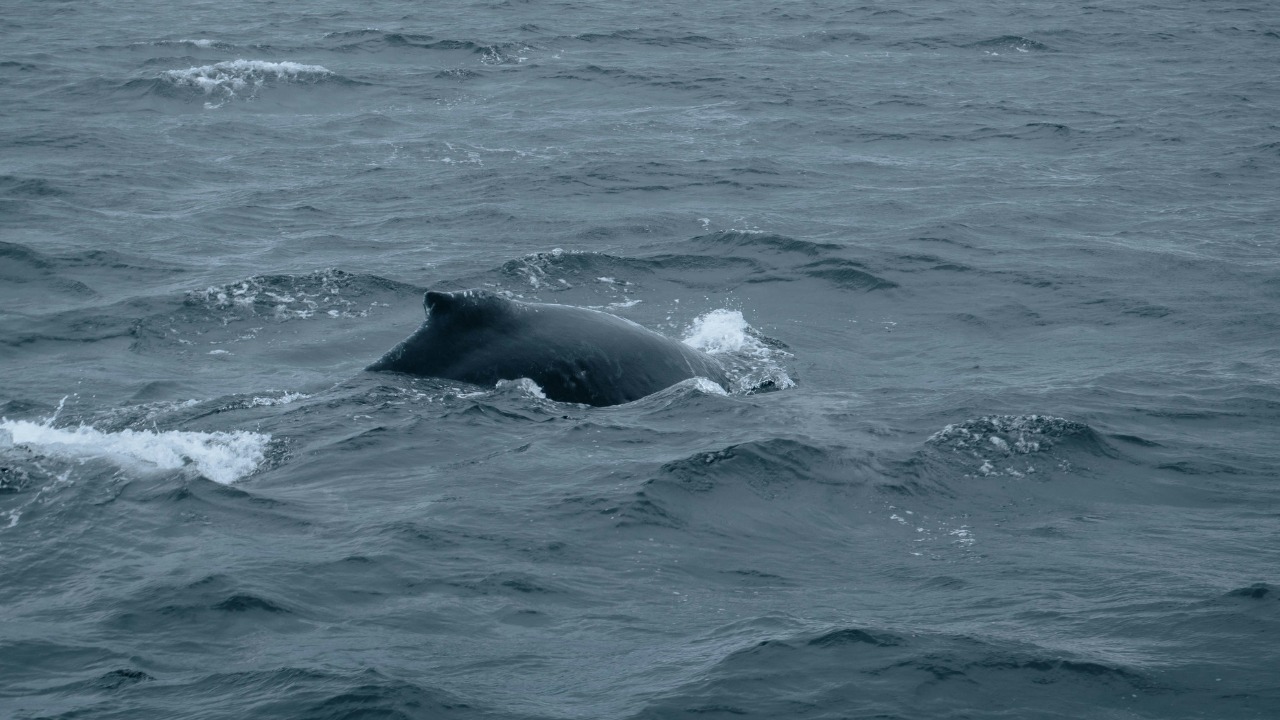

After years of grim updates about a species on the brink, scientists tracking North Atlantic right whales are suddenly counting more newborn calves than they dared hope. The rare uptick in births has injected a jolt of optimism into a conservation story that has long been defined by decline, even as researchers warn that a single promising season cannot erase the threats that still shadow every mother and calf. The surprise is not that right whales can rebound, but that they are getting a brief window to try.
To understand why this baby boom matters, it helps to remember just how close to the edge this species has drifted. With only a few hundred animals left, every calf is a measurable percentage of the entire population, and every loss is a step toward extinction. The new arrivals are a reminder that, given space and safety, these whales still know how to recover.
From historic low births to a sudden surge
Only a short time ago, the story was very different. During the calving season that runs from mid November to mid April off the southeastern United States, researchers documented just 10 mother calf pairs, a figure that left biologists openly worried about the species’ future. That low tally, detailed in a calving season update, underscored how fragile reproduction had become for these whales and how little margin for error remained.
Against that backdrop, the current season’s cluster of newborns feels almost shocking. After years in which scientists braced for more bad news, they are now tracking an encouraging number of calves in the same coastal nurseries. One of the world’s rarest whale species is having more babies than in past seasons, a trend that has been described from PORTLAND, Maine to the calving grounds as a rare bright spot, even as experts caution that the population might still go extinct despite this apparent baby boom, a tension captured in recent reporting.
A population inching upward from a perilous baseline
Even before this season’s calves were counted, there were signs that the North Atlantic right whale population had finally stopped its free fall. Scientists estimated that the total number of whales had grown to 384, a modest but meaningful increase that followed years of decline. That figure, highlighted in a detailed population assessment that noted work by Patrick Whittle and the Anderson Cabot Center for Ocean Life, framed 384 as both a relief and a stark reminder of how few animals remain, as described in a recent population report.
The shift has been especially striking because it followed a year with no documented deaths and fewer injuries, according to consortium chair Heather Pettis, who emphasized that in 2025 there had been no reported North Atlantic right whale deaths and a total of 11 calves born. That combination of zero confirmed fatalities and 11 new calves, laid out in a recent update quoting Heather Pettis on the North Atlantic right whale, suggested that the species might finally be getting a brief reprieve from the relentless losses that had defined the previous decade, a point underscored in a consortium summary.
Why more calves are appearing now
Scientists are still piecing together why this reproductive pulse is happening now, but several factors stand out. The population of the North Atlantic right whale is slowly climbing, and researchers point to a mix of slightly improved survival, targeted protections in key habitats, and perhaps a bit of luck with food availability. In a recent interview, one expert explained that the population of the North Atlantic right whale is slowly increasing and that the current baby bump reflects years of work to reduce human caused deaths, a perspective captured in a detailed radio transcript.
At the same time, researchers caution that right whales are still reproducing more slowly than biology alone would predict. Under ideal conditions, females might calve every three years, but stress is stretching that interval, with some whales now having calves only every seven to 10 years. As one scientist, identified as IVES, put it, But stress is making that interval longer, with some whales having calves every seven to 10 years, a warning that appears in a recent broadcast that underscores how fragile this reproductive recovery remains.
Persistent threats: ships, fishing gear and human-caused deaths
For all the excitement around new calves, the basic math of survival has not changed. Entanglements and vessel strikes are the leading causes of serious injury and death for North Atlantic right whales, a pattern that has been documented repeatedly as scientists track scars, carcasses and near misses. That blunt assessment, which notes that Entanglements and vessel strikes are the leading causes of serious injury and death for North Atlantic right whales, appears in a recent analysis of how the population continues slow growth and why every reduction in these risks has been a welcome relief, as detailed in a conservation briefing.
The pattern is not new. Since 1970, nearly half of all documented North Atlantic right whale deaths have been due to two human related causes, ship strikes and entanglements in fishing gear, a stark statistic that lays bare how much of the mortality is preventable. That history, summarized in a technical review that states Since 1970, nearly half of all documented North Atlantic right whale deaths have been due to ship strikes and entanglements in fishing gear, is a reminder that policy choices and industry practices will determine whether this baby boom translates into long term recovery, as outlined in a mortality review.
Policy, science and the limits of a single good year
Conservationists are quick to stress that a strong calving season does not mean the crisis is over. There is still time left for more baby whales to be born this winter, but 50 is not a reasonable expectation because of a lack of breeding age females and the lingering effects of past injuries. That sober assessment, which notes that There is still time left for more baby whales to be born this winter, but 50 is not a reasonable expectation, comes from a detailed account of how even an encouraging year cannot erase structural limits on how fast the population can grow, as described in an extinction warning.
Policy makers and scientists are therefore treating the current baby boom as both a victory and a test. Today, their biggest threats are ship collisions and getting tangled in fishing gear, a reality that has prompted calls for stricter speed limits, expanded seasonal closures and new technologies like ropeless traps. That framing, which states that Today their biggest threats are ship collisions and getting tangled in fishing gear, appears in a recent overview of how endangered North Atlantic right whales are making a slow comeback and what it will take to keep that going, as explained in a scientific summary.
More from Morning Overview