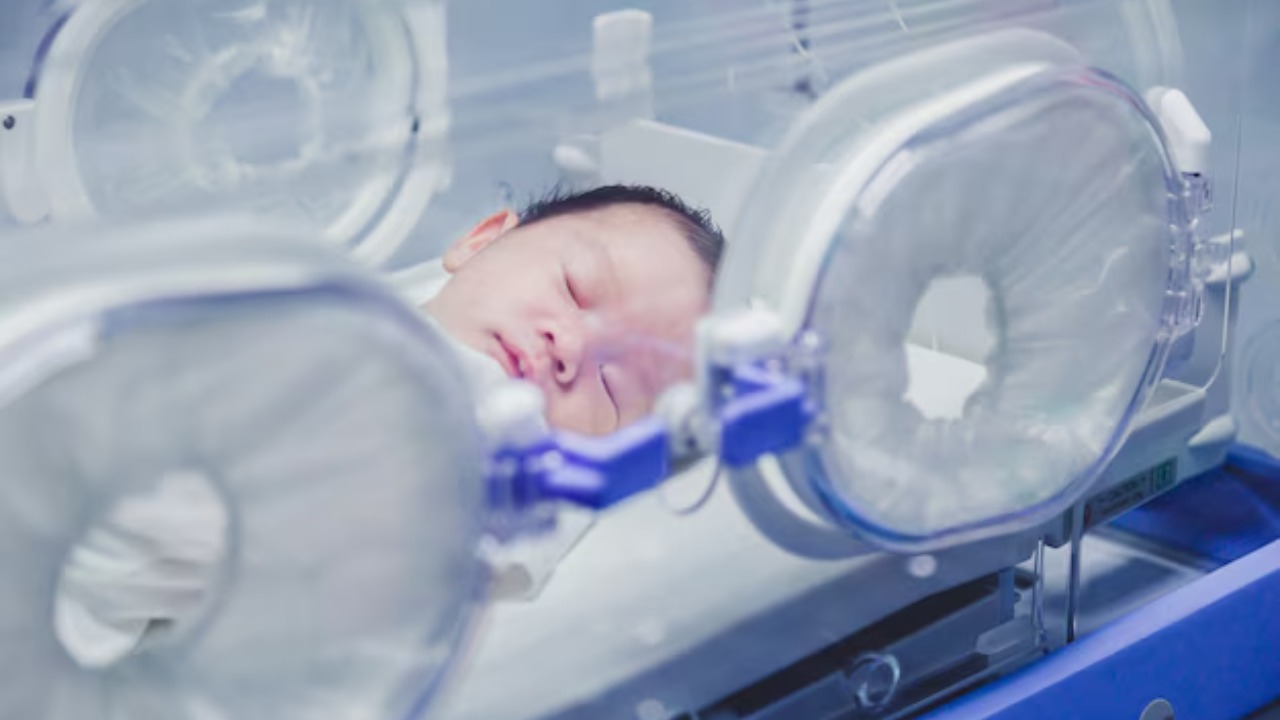

A rare form of diabetes is emerging in the very first weeks of life, reshaping how doctors think about blood sugar disorders in infants. Researchers tracking newborns on several continents are now describing a distinct genetic condition that strikes babies under six months old, often alongside serious brain and developmental problems.
Instead of fitting neatly into type 1 or type 2 categories, this early‑onset disease behaves like a separate entity, with its own triggers, symptoms, and long‑term risks. I want to unpack what scientists are learning about this new neonatal diabetes, how it connects to other rare syndromes, and why the discovery is already forcing a rethink of global diabetes classifications.
What makes this newborn diabetes different
The newly described diabetes in babies stands apart because of when it appears and how it behaves inside the pancreas. Most childhood cases are diagnosed after the first year of life and are driven by autoimmunity or insulin resistance, but clinicians are now seeing infants who develop high blood sugar before they reach six months, with tests showing that their insulin production is impaired from the start. In many of these children, the disease is not a temporary stress response to illness, it is a stable, genetically driven problem that begins in utero and becomes obvious only after birth.
Reports on this condition describe infants who require insulin or other glucose‑lowering treatment within weeks, yet do not show the classic antibody patterns of type 1 diabetes and do not have the metabolic profile of type 2. Instead, genetic analysis points to inherited mutations that disrupt how beta cells form and function, creating a pattern that is distinct from common childhood types. Coverage of a new type of diabetes found in babies under six months underscores that most of these infants have gene changes that separate their disease from the autoimmune and lifestyle‑linked forms that dominate public awareness.
How scientists uncovered a rare genetic culprit
The path to recognizing this neonatal diabetes as a separate type has run through genetics labs and stem cell facilities rather than traditional clinic charts. Researchers sequencing the DNA of affected infants noticed that many shared mutations in a little‑known gene, and that these changes were inherited rather than random. By comparing families across different countries, they could trace how the same variant repeatedly led to early‑onset diabetes, often in siblings, which strengthened the case that this was not a coincidence but a specific genetic disorder.
To move beyond correlation, teams then used advanced cell models to recreate the disease in the lab. One group used advanced DNA and stem cell research to turn patient‑derived cells into pancreatic tissue, showing that the mutation derailed normal beta‑cell development. Another line of work, described in a detailed neonatal diabetes model, demonstrated how stress inside the endoplasmic reticulum and permanent inactivation of BiP can damage insulin‑producing cells, giving scientists a mechanistic explanation for why these babies lose glucose control so early.
From isolated cases to a worldwide pattern
What began as a handful of puzzling cases in specialist clinics has now been recognized as a global phenomenon, even if it remains extremely rare. Genetic teams working together across Europe, Asia, and other regions have identified infants with the same gene defect and similar clinical pictures, which is why recent coverage speaks of researchers discovering a rare new type of diabetes affecting newborns worldwide. The shared thread is that the root cause lies in inherited genetic mutations, not in maternal lifestyle or postnatal feeding practices.
At the same time, clinicians are placing this discovery within the broader category of neonatal diabetes, which already includes several monogenic forms that appear before six months of age. Specialist resources on about neonatal diabetes explain that these early‑onset cases are usually driven by single‑gene changes and can be either transient or permanent, with some children going into remission only to see the disease return later in life. The new subtype fits this pattern of monogenic disease but adds a specific gene and a characteristic cluster of neurological features, which is why it is being treated as a distinct entity rather than just another variant of existing neonatal forms.
The link to MEDS and severe brain symptoms
One of the most striking aspects of this newborn diabetes is how often it appears alongside serious neurological problems. In a subset of infants, the same genetic mutation that disrupts insulin production also affects brain development, leading to microcephaly, seizures, and developmental delay. Together these problems form a rare condition known as MEDS, which stands for microcephaly, epilepsy and diabetes syndrome, and they give the disease a much broader impact than blood sugar alone would suggest.
Reports shared on social platforms highlight how families are grappling with this combined diagnosis, with one widely viewed video explaining that Together these problems form a rare condition known as MEDS and that only a small number of children worldwide have been identified so far. A separate analysis notes that Only 11 cases of MEDS have been reported worldwide so far, underscoring just how rare and devastating this syndrome is. For clinicians, the overlap between MEDS and the new neonatal diabetes type is a crucial clue that the gene involved plays a central role in both pancreatic and brain development.
How often it happens and what parents see first
Even though this new diabetes type is now recognized on several continents, it remains a needle in the haystack of global births. Neonatal diabetes in general is estimated to occur in roughly one in every 90,000 to 400,000 births, and the newly described subtype is only a fraction of that already small group. Guidance for families notes that neonatal diabetes may affect one baby in every 90,000 to 400,000 births, which means most pediatricians will never see a case in their careers, and many hospitals will miss the diagnosis unless they are actively looking for it.
For parents, the first signs are often subtle but alarming: poor feeding, dehydration, weight loss, and sometimes breathing difficulties in a baby who should be gaining strength. When blood sugar is checked, it can be dramatically elevated, yet the child is far too young to fit the usual profile of type 1 diabetes. Public‑facing explainers on scientists finding a new type of diabetes in babies under 6 months emphasize that most babies who develop diabetes before six months do so because of changes in their genes, which is why early genetic testing is now being recommended when unexplained hyperglycemia appears in this age group.
Why classification matters, from type 1 to Type 5
Recognizing this neonatal form as a separate type is not just a semantic exercise, it has real implications for treatment, research funding, and how global health bodies track disease. For decades, diabetes has been carved into a small number of categories, mainly type 1, type 2, gestational, and a catch‑all group of rarer forms. That framework is now being stretched as scientists uncover more monogenic and environment‑linked variants that do not fit the old boxes, from neonatal syndromes to malnutrition‑related disease in adults.
One sign of this shift is the recent formal recognition of Type 5 diabetes, previously known as malnutrition‑related diabetes mellitus, which is linked not to obesity but to chronic undernutrition. The International Diabetes Federation has detailed how MRDM was formally classified as a distinct type after experts convened in January 2025, reflecting a broader move to acknowledge overlooked forms of the disease. A separate report notes that a rare and long‑overlooked form of diabetes, linked not to obesity but to malnutrition, impacts 25m people worldwide, underscoring how reclassification can bring long‑ignored patients into view. The discovery of a new neonatal type fits into this same trend, pushing health systems to refine their categories so that rare but serious conditions are not lost in the averages.
What the discovery means for diagnosis and treatment
For frontline clinicians, the immediate impact of this discovery is a new level of urgency around testing any baby with unexplained high blood sugar. Instead of assuming that hyperglycemia in a newborn is a transient response to illness or medication, pediatric teams are being urged to consider monogenic diabetes and to order genetic panels when the clinical picture fits. Resources explaining about neonatal diabetes stress that identifying the exact gene involved can change management, because some mutations respond better to oral drugs such as sulfonylureas while others require lifelong insulin.
In the case of the newly described subtype, treatment decisions are complicated by the presence of neurological symptoms and the possibility that beta‑cell damage is severe and permanent. Coverage of New Type Of Diabetes Poses Risk For Infants Under 6 Months notes that some forms of neonatal diabetes can go into remission and then return later in life, which means families need long‑term follow‑up even if insulin requirements ease. For the MEDS‑linked variant, early recognition also opens the door to supportive therapies for epilepsy and developmental delay, giving parents a clearer roadmap for what to expect.
Inside the lab: models, mutations and future therapies
Behind the clinical headlines, the science of this newborn diabetes is advancing quickly as researchers build more sophisticated models of the disease. Mouse and cell‑based systems are being used to test how specific mutations alter protein folding, stress responses, and insulin secretion, and to screen potential drugs that might protect or restore beta‑cell function. The neonatal diabetes model that focuses on BiP inactivation is a good example, showing how a single chaperone protein can become a bottleneck for cell survival when it is permanently switched off.
Geneticists are also cataloguing the full range of mutations associated with early‑onset diabetes, including rare variants that may only appear in one or two families worldwide. A medical briefing on a rare gene mutation linked to diabetes illustrates how even a single amino acid change can have outsized effects on insulin production and organ development. Meanwhile, detailed case series such as the Discovery of a new type of diabetes in babies describe six children with additional neurological disorders such as epilepsy and microcephaly, reinforcing the idea that this is a multisystem disease. Together, these efforts are laying the groundwork for targeted therapies that go beyond generic insulin replacement and aim to correct the underlying cellular defects.
The human stakes of a rare diagnosis
Behind every data point in these studies is a family navigating a diagnosis that few people, including many doctors, have ever heard of. Parents of affected infants often move from neonatal intensive care units to genetics clinics and neurology wards in rapid succession, trying to understand why their baby has both seizures and dangerously high blood sugar. Public explainers that ask whether newborn babies can get diabetes are not just educational tools, they are lifelines for families searching for language to describe what they are living through.
As I look across the emerging research, I see a pattern that echoes the story of Type 5 diabetes: rare conditions can remain invisible for decades until enough evidence forces a change in how they are named and tracked. The formal recognition of Type 5 diabetes and the growing attention to neonatal forms show that the diabetes landscape is far more diverse than the familiar type 1 and type 2 labels suggest. For the newborns now being diagnosed with this new genetic form, that shift in understanding is not abstract. It is the difference between being misclassified and overlooked, and being seen as part of a defined, studied, and hopefully treatable condition.
More from MorningOverview