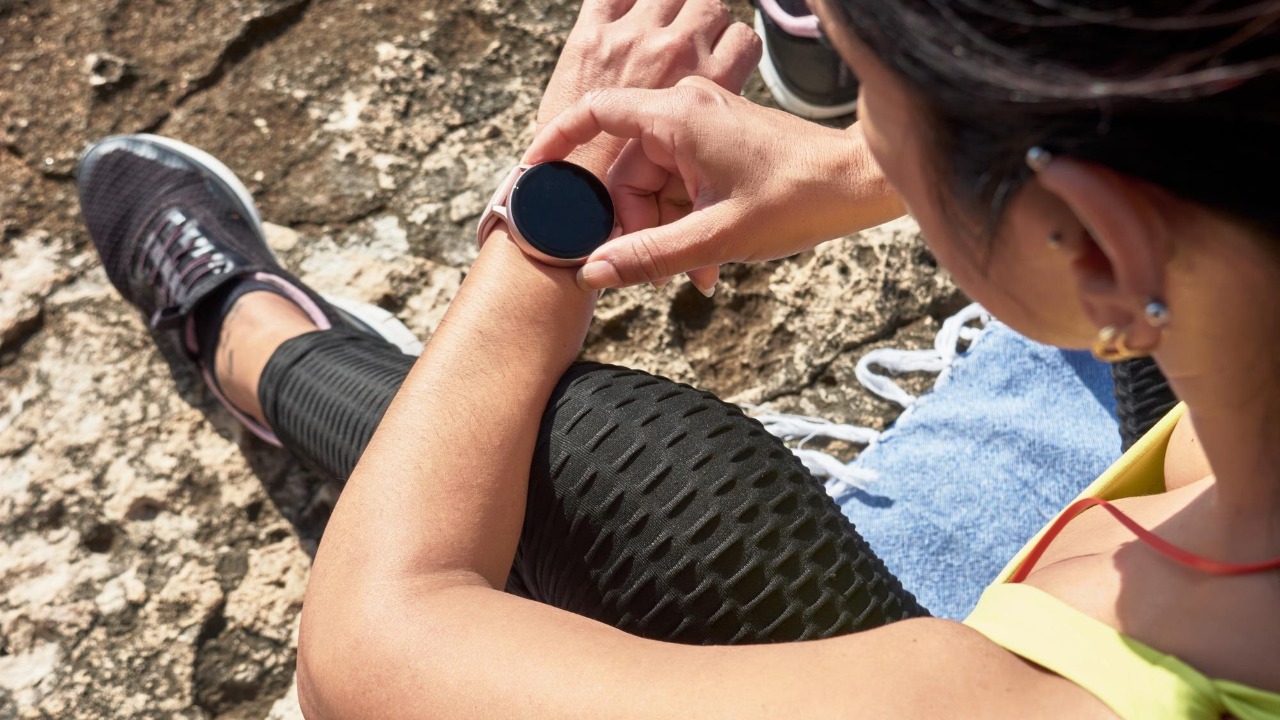

Pebble is betting that nostalgia, battery life and a clean round design still matter in a smartwatch market dominated by OLED rectangles. The company is reviving its classic circular model as Pebble Round 2, a thinner, more refined take on the original that aims to fix past flaws while keeping the quirky charm that made Pebble a cult favorite. It is a calculated return that leans on a decade of fan loyalty and a very specific vision of what a watch on your wrist should feel like.
Rather than chasing feature parity with full-blown wrist computers, Pebble is doubling down on glanceable information, long endurance and a design that looks more like a traditional timepiece than a tiny phone. The new round model is being framed as both a modern wearable and a callback to the early days of smartwatch experimentation, when Pebble helped define the category in the first place.
From Kickstarter pioneer to comeback story
Pebble’s decision to bring back a round smartwatch is rooted in a history that predates most of its current rivals. Long before mainstream brands normalized wrist notifications, Pebble built its reputation on simple e-paper screens, week-long battery life and a thriving indie developer scene. That legacy is what makes the return of a circular model feel less like a one-off product and more like a continuation of a long-running conversation with its community about what a watch should prioritize.
The company’s revival has been building for some time, including a public reemergence in videos like the Andre Siggoia Show, where the host declared that Pebble is back and walked through how the hardware has been brought forward for a new era. That renewed attention set the stage for a more formal relaunch, culminating in the decision to resurrect the round form factor that once stood out as Pebble’s most fashion-forward experiment.
Introducing Pebble Round 2 as a modern classic
The new Pebble Round 2 is being positioned as a direct spiritual successor to the original circular model, but with a far more polished execution. The company describes the device as an evolution of the earlier Pebble Time Roun, keeping the familiar silhouette while tightening up the hardware and software experience so it feels like a 2026 product rather than a retro curiosity. That balance between familiarity and modernization is central to how Pebble is pitching the watch to both longtime fans and first-time buyers.
In official materials, the company leans into that heritage with language like Introducing Pebble Round and references to Carrying on the tradition of the original PTR, signaling that this is not a clean break but a refinement of a beloved design. That continuity is deliberate, meant to reassure those who loved the first round model while making clear that the new hardware is more capable in every dimension.
Design, thinness and the appeal of a real watch
On the wrist, Pebble Round 2 is meant to look and feel like a conventional analog watch first and a gadget second. The case is slim, the lugs are understated, and the circular display sits under a bezel that reads more like jewelry than tech. That aesthetic choice is not just about style, it is a strategic attempt to reach people who never warmed to the squared-off, screen-dominant look of many mainstream wearables.
The company is also emphasizing that this reboot continues the lineage of what was once billed as its thinnest smartwatch, a claim that is echoed in coverage of how Pebble reboots its thinnest smartwatch with the new round model and credits like Sarah Perez noting how the earlier design set a benchmark for slimness at the time. By keeping the profile low and the proportions balanced, Pebble is clearly trying to win over users who care as much about how a watch slides under a shirt cuff as they do about how many apps it can run.
The new color e-paper display and what it changes
The most visible upgrade in Pebble Round 2 is its display, which moves to a larger, sharper color e-paper panel while preserving the always-on, low-power characteristics that defined earlier Pebble screens. The watch now features a 1.3-inch color e-paper screen that stretches nearly edge to edge, giving complications and watchfaces more room to breathe without sacrificing legibility in bright light. That change alone makes the new model feel less cramped and more modern than its predecessor.
Technical details highlight that the display is a 1.3-inch panel with a 260 x 260 pixel resolution, a notable jump that gives text and graphics a cleaner, more refined look. At CES, the company framed this as a 1.3 colour e-paper display with 260 pixels on each side, a specification that underpins Pebble’s argument that you no longer have to choose between battery life and a pleasant visual experience. For users who live in notification lists and simple fitness stats rather than full-screen apps, that trade-off may be more compelling than the deep blacks of OLED.
Fixing the first round’s flaws without losing its soul
The original circular Pebble was admired for its looks but criticized for compromises that came with that design, including cramped UI elements and battery life that did not quite live up to the company’s own standards. Pebble Round 2 is explicitly framed as an answer to those complaints, with the company and reviewers alike describing it as a device that fixes all of the mistakes of the first while keeping the aspects that made it distinctive. That kind of second-chance product is rare in wearables, where many experiments are abandoned rather than refined.
Reporting on the new model notes that The Pebble Round 2 is being treated as a comeback for a round-faced smartwatch that had effectively been left for dead, with Senior Editor Daniel Cooper describing how the new hardware addresses earlier shortcomings that were not catastrophic but certainly were not ideal. By widening the display, tightening the software and improving endurance, Pebble is trying to show that it listened to feedback rather than simply reissuing a nostalgic design.
Specs, sizes and the practical details that matter
Beyond aesthetics, Pebble Round 2 is defined by a set of practical choices that aim to keep it lightweight, comfortable and flexible. The watch supports multiple strap sizes so it can fit a range of wrists, and the case is designed to be unobtrusive enough for all-day wear, including sleep tracking. Those details matter in a category where even small ergonomic missteps can mean a device ends up in a drawer after a few weeks.
Coverage of the relaunch emphasizes that Pebble Resurrects Its Round Smartwatch After a Decade with The Pebble Round 2 offered in band sizes of 14 and 20mm, a clear nod to both smaller and larger wrists. That same reporting underscores that the device carries forward a lot of the design language of the original while updating internals so it can handle modern notification loads and health tracking without feeling sluggish or outdated.
Preorders, shipping plans and the price of nostalgia
Pebble is not treating Round 2 as a distant concept device, it is already moving into customers’ hands through a structured preorder campaign. The company has opened reservations at a midrange price point that undercuts many flagship smartwatches while still signaling that this is a fully featured product rather than a budget tracker. For a brand that once relied on crowdfunding, the shift to straightforward preorders reflects a more conventional go-to-market strategy.
Details shared so far indicate that Last year Pebble founder Eric Migicovsky confirmed he was bringing back Pebble smartwatches, and the new round model is now available for pre-order at $199 with plans to ship to customers in May 2026. That timeline gives Pebble a clear runway to build buzz through events like CES while reassuring early buyers that they will not be waiting indefinitely for hardware to materialize.
CES spotlight and the strategy behind the reboot
Launching a new smartwatch in early 2026 is not just about hardware, it is about timing and visibility. Pebble is using the global stage of CES to frame Round 2 as both a design object and a statement about what the company stands for in a crowded wearables market. By focusing on a single, distinctive product rather than a sprawling lineup, Pebble is signaling that it wants to be known for doing one thing very well.
At CES, the company highlighted how Pebble Reboots Its Stylish Round Smartwatch With Pebble Round, calling out the 1.3 colour e-paper display and 260 x 260 pixel resolution as proof that e-paper can still feel premium in 2026. That messaging fits into a broader strategy of differentiation, positioning Pebble not as a cheaper copy of mainstream platforms but as an alternative for people who value simplicity, endurance and a watch-like presence on the wrist.
Community expectations, software and the long game
Hardware alone will not determine whether Pebble Round 2 succeeds, especially for a brand whose earliest success was built on a passionate developer and user community. Owners will expect reliable notification handling, robust fitness basics and a library of watchfaces that take advantage of the new circular color display. They will also look for evidence that Pebble is committed to long-term software support rather than treating Round 2 as a one-off nostalgia play.
The company’s own messaging, including blog posts that describe Carrying forward improvements in every dimension from the original PTR, suggests that Pebble understands those expectations and is trying to frame Round 2 as the foundation of a renewed ecosystem. If the company can pair its distinctive hardware with stable, thoughtfully updated software, the watch could become more than a curiosity for fans and instead mark the start of a sustained second chapter.
Why this comeback matters in a maturing smartwatch market
The return of a classic round Pebble in 2026 lands in a very different landscape from the one the company helped shape a decade ago. Today, most buyers are familiar with the idea of a smartwatch, and the dominant platforms have set expectations around features like ECGs, app stores and voice assistants. In that context, Pebble’s choice to prioritize battery life, glanceable information and a traditional watch aesthetic is a contrarian move that could resonate with people who feel overwhelmed by feature creep.
Announcements such as the one where Pebble detailed how it is bringing back the Pebble Time Roun and opened pre-orders, complete with references to Jan, Friday January, PST, Juli Clover and the figure 39, underscore how much attention even a relatively small player can command when it taps into a well of nostalgia. Whether Round 2 becomes a breakout hit or a beloved niche device, its existence is a reminder that there is still room in the smartwatch world for products that look and behave less like tiny phones and more like the watches people have worn for generations.
Supporting sources: Pebble reboots its thinnest smartwatch with the Pebble Round 2.
More from MorningOverview