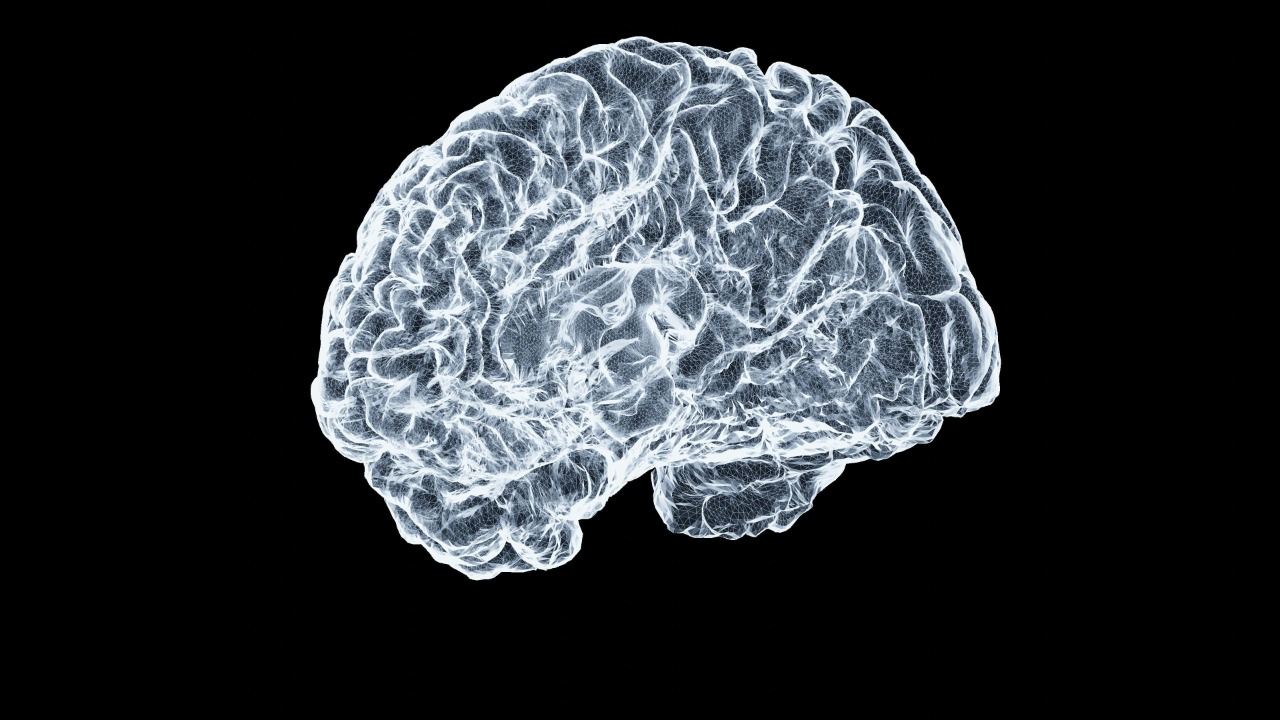

For decades, the dominant story about aging has been one of inevitable decline, especially when it comes to the brain. Yet a growing body of research is painting a more nuanced picture, in which older minds do not simply deteriorate but reorganize, compensate and, in some domains, actually improve. I see a clear shift from a narrative of loss to one of adaptation, where the choices people make in midlife and beyond can meaningfully shape how their brains function in later years.
Scientists are now mapping how neural networks change across the lifespan, identifying critical windows when lifestyle has outsized impact and revealing why some people stay mentally sharp despite measurable brain changes. The emerging message is both sobering and hopeful: age brings real vulnerabilities, but it also unlocks capacities for judgment, emotional balance and resilience that younger brains rarely match.
What really changes in the aging brain
When people talk about “losing their edge” with age, they are usually noticing slower recall, more frequent tip‑of‑the‑tongue moments or a need to concentrate harder on complex tasks. Research backs up the idea that not all neural systems age at the same pace, with some circuits showing early wear while others remain surprisingly robust. In one large analysis of functional communication between brain regions, scientists examined brain networks in more than 19,300 individuals and found that connectivity patterns shift gradually rather than collapsing all at once.
Other work supports the idea that aging does not hit every cognitive process equally, which helps explain why a person can misplace their keys yet still manage a complex business or family decision. Experimental results described by one team showed that Their results support earlier research indicating that different neural processes are affected in distinct ways, rather than there being a single, uniform slide. I read that as a crucial reminder: when we talk about “brain aging,” we are really talking about a mosaic of changes, some negative, some neutral and some potentially beneficial.
Midlife as a turning point, not a cliff
One of the most striking insights to emerge recently is that midlife appears to be a pivotal period for steering how the brain will fare decades later. In the large network study of more than 19,300 people, researchers identified a pattern in which certain measures of brain connectivity begin to weaken in middle age, then continue to change before eventually plateauing by age 90. I see that as evidence that there is a long runway between the first detectable shifts and the point at which networks settle into a late‑life pattern.
Framing midlife as a “critical window” is not about scaring people in their 40s and 50s, it is about highlighting leverage. If connectivity is already changing but not yet fixed, then interventions around that time, from blood pressure control to mental stimulation, may have disproportionate impact on how resilient those networks remain. The fact that the analysis covered 19,300 individuals gives weight to the idea that these are not quirks of a small sample but broad trends that can inform how I think about prevention, screening and lifestyle advice in the middle decades.
Older brains trade speed for wisdom
Even as some circuits slow, others appear to become more efficient at integrating experience, which is one reason many people feel more grounded and discerning as they age. I find it telling that researchers have observed that at middle age the brain begins to draw on more of its capacity for improved judgment and decision making, effectively recruiting a wider network of regions to evaluate complex situations. One report described how, at this stage, the brain can coordinate information from both hemispheres in ways that support better choices than those a person might have made in youth, when raw processing speed was higher but life experience was thinner, a pattern highlighted in work on why you should thank your aging brain.
This tradeoff between speed and wisdom shows up in everyday life, from how an older driver anticipates hazards on a crowded highway to how a grandparent navigates a family dispute. Reaction times might be slower, but pattern recognition, emotional regulation and the ability to weigh long‑term consequences often improve. When I look at the data, I see a brain that is less about quick reflexes and more about strategic thinking, one that leans on distributed networks and accumulated knowledge to compensate for the loss of some rapid‑fire processing.
Cognitive reserve: why some brains stay sharp
Not everyone ages cognitively at the same rate, even when brain scans show similar levels of physical change, and that is where the concept of cognitive reserve comes in. Cognitive reserve refers to the brain’s ability to cope with damage or decline by using alternative pathways or strategies, so that day‑to‑day function remains intact longer than the underlying biology might suggest. One detailed overview of Cognitive Reserve, Why Some Brains Age Better Than Others emphasizes the role of neuroplasticity in maintaining this flexibility, highlighting how enriched environments and ongoing learning can build a buffer against decline.
In practical terms, I think of cognitive reserve as the difference between two people with similar levels of age‑related brain change, one of whom still manages a demanding job while the other struggles with basic tasks. Lifelong education, complex work, rich social networks and mentally challenging hobbies all appear to contribute to this reserve, giving the brain more options when primary routes falter. The implication is powerful: while no one can fully escape biological aging, it is possible to arrive at older age with a more adaptable neural toolkit, one that can mask or delay the impact of structural wear and tear.
Neuroplasticity does not retire
For a long time, textbooks treated neuroplasticity as something that belonged mainly to childhood, but that view has been steadily overturned. I now see compelling evidence that the adult brain, including in later life, continues to form new connections and reorganize in response to challenge. One clinician described how a patient took on a new language in midlife and noticed that, Mostly for the enjoyment and social connection, they were surprised by how quickly their brain adapted, a story used to illustrate the power of neuroplasticity and the idea that, However challenging it may feel, the brain can learn a language at any age.
What stands out to me is that the same mechanisms that help a stroke survivor regain function or a retiree master a new instrument are also at work in everyday adaptation to aging. When hearing declines, visual and tactile areas can pick up more of the slack; when certain memory systems falter, older adults lean more on routines and external aids. Neuroplasticity does not erase decline, but it does mean the brain is constantly negotiating with it, finding workarounds and, in some cases, strengthening alternative skills that were underused earlier in life.
How lifestyle shapes an aging brain
If the brain can adapt, the obvious question is how to nudge that adaptation in a healthier direction, and here lifestyle plays a central role. Longitudinal research has shown that education, socialising, work and leisure activities help build up what scientists call “cognitive reserve,” effectively giving the brain more capacity to absorb age‑related hits. One team reported that The team showed that education, socialising, work and leisure activities were linked to better late‑life cognition, reinforcing the idea that everyday choices about how mentally and socially engaged we remain can have long‑term consequences.
Large intervention trials are now testing whether structured lifestyle changes can move the needle even for people already at elevated risk. New findings from the Alzheimer, Association U.S. Study, Protect Brain Health Through Lifestyle Intervention, Reduce Risk showed that a multi‑component program targeting diet, exercise, cognitive training and vascular risk factors could significantly improve brain health in older adults at risk for cognitive decline and dementia. I read that as a strong signal that lifestyle is not just a background factor but a modifiable lever, one that can be pulled even relatively late in life to support the brain’s adaptive capacities.
Mental workouts and brain chemistry
Beyond broad lifestyle patterns, targeted mental training is beginning to show measurable effects on the brain’s chemistry. In one experiment, researchers found that cognitive training could increase levels of a key chemical messenger involved in attention and memory, a neurotransmitter that often declines with age. The study reported that A new study finds that cognitive training can increase the levels of a key chemical messenger in the brain responsible for attention and memory, suggesting that mental exercise can, at least in part, reverse a brain change linked to aging.
To me, this moves the conversation beyond vague advice to “stay mentally active” and toward specific, testable interventions. Structured tasks that push working memory, selective attention or problem solving, whether delivered through specialized apps, group classes or therapist‑guided programs, may help shore up the very systems that are most vulnerable. While no single brain game is a magic bullet, the evidence that training can shift neurochemistry reinforces the broader theme of adaptation: even in later decades, the brain responds to demand by tuning its internal machinery.
Rethinking what “normal aging” means
When I put these strands together, the picture that emerges is far from the simple decline curve many of us grew up imagining. Aging brings real risks, from slower processing and memory lapses to higher vulnerability to diseases like Alzheimer’s, but it also brings compensations in the form of richer networks, better judgment and a capacity to reorganize around losses. Studies showing that different neural processes age at different rates, that connectivity patterns shift gradually before plateauing, and that lifestyle and training can alter both structure and chemistry all point to an organ that is dynamic, not doomed.
That has practical implications for how societies treat older adults and how individuals plan their own futures. Instead of assuming that a certain birthday marks the end of meaningful learning or contribution, the science supports policies and personal choices that keep people engaged, challenged and connected well into their seventies, eighties and beyond. Older brains do not simply fade; they rewire, reprioritize and, given the right conditions, continue to grow in ways that matter for judgment, relationships and quality of life.
More from Morning Overview