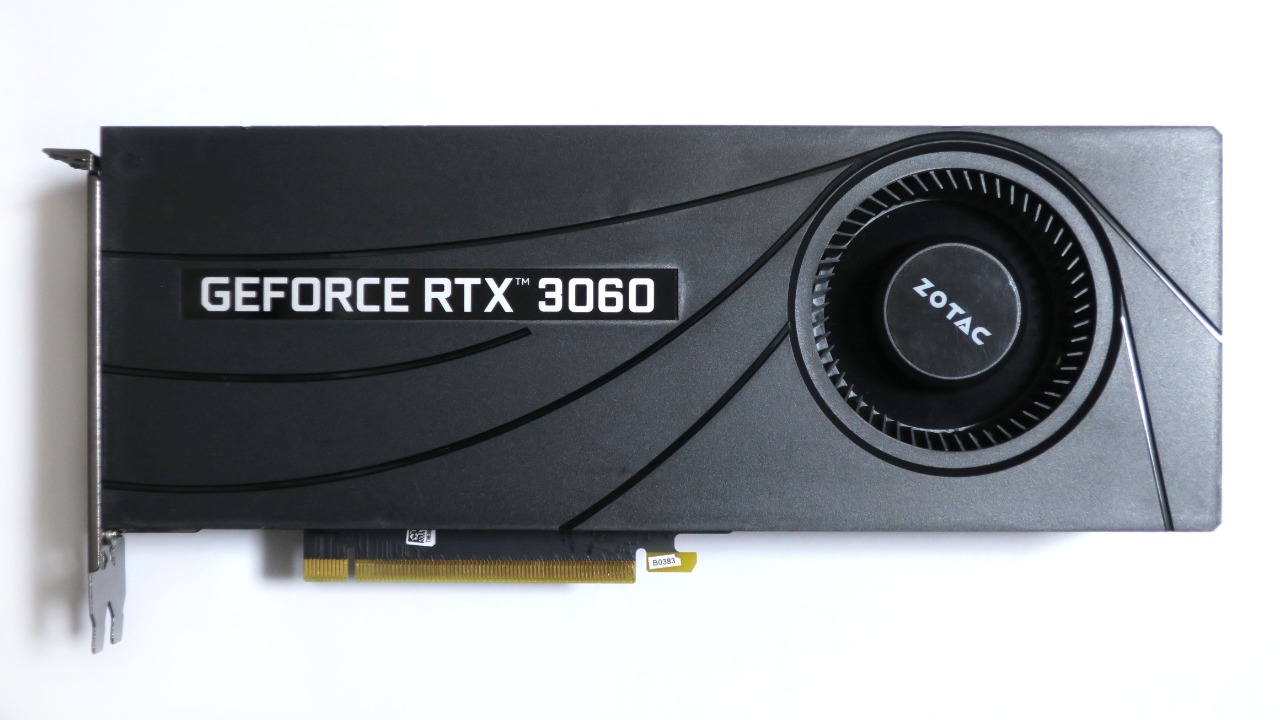

Nvidia is reportedly preparing to restart production of its GeForce RTX 3060 graphics cards in early 2026, a surprising twist for a GPU that many gamers assumed had quietly exited the stage. The move, if confirmed, would signal how distorted the graphics market has become under pressure from artificial intelligence demand and a tightening supply of memory chips. It would also reopen a crucial midrange option at a moment when prices on newer cards are drifting upward and availability is anything but guaranteed.
Instead of pushing only its latest silicon, Nvidia appears ready to lean on a proven workhorse to bridge a difficult year for both gamers and PC builders. The RTX 3060 has already survived two full generations of successors, yet insiders now suggest it could return as a strategic stopgap while the company wrestles with GPU and DRAM shortages that are reshaping the entire desktop market.
What insiders are actually saying about an RTX 3060 comeback
Multiple reports point to Nvidia quietly lining up a production restart for the GeForce RTX 3060 in the first quarter of 2026, treating the card as a short term pressure valve for a strained supply chain. According to one detailed breakdown, Nvidia is reportedly planning to bring the RTX 3060 back specifically because DRAM shortages are making it difficult to ship enough of its newer products. That reporting stresses how the AI industry has effectively soaked up vast amounts of high performance memory, leaving gaming GPUs to fight for what is left.
Separate coverage reinforces that narrative, describing how Nvidia is combatting GPU shortages by reviving a discontinued graphics card and positioning it for release in the first quarter of 2026. That account notes that the back half of 2025 was already tight for RTX 40 and 50 series GPUs, and suggests Nvidia sees the older RTX 3060 as a way to keep shelves stocked without diverting scarce components away from its most profitable AI accelerators.
The leaker at the center of the rumor mill
The immediate spark for the current wave of speculation is a post from the leaker known as hongxing2020, who has built a track record around Nvidia launches. One report explains that, according to this reliable leaker, Nvidia is preparing to restart RTX 3060 production in Q1 2026, even though this claim contradicts an older report that suggested the card’s remaining stock would simply be sold through. That tension between earlier expectations and the new leak underscores how quickly Nvidia’s calculus appears to have shifted as memory constraints worsened.
The rumor has already spilled beyond specialist news sites into enthusiast communities, where users are dissecting every hint of Nvidia’s plans. A widely shared thread in the hardware community frames the story as Nvidia’s attempt to bring back the GeForce RTX 3060 in Q1 2026 to tackle current generation GPU shortages, with commenters debating whether the move will meaningfully ease pressure on prices or simply extend the life of an aging architecture. That grassroots reaction shows how closely PC builders are watching any sign that the midrange market might finally get some relief.
How the RTX 3060 fits into Nvidia’s current GPU lineup
Bringing back the RTX 3060 would mean reintroducing a card that originally sat at the heart of Nvidia’s Ampere generation, long before the RTX 40 and 50 series arrived. One detailed rumor recap notes that the GeForce RTX 3060 could return this quarter, even though earlier channel chatter suggested remaining inventory would be cleared out and production would stay shuttered. That shift would effectively give Nvidia a three tier stack in the lower to midrange, with RTX 30, 40, and 50 series cards all overlapping in price and performance.
For Nvidia, the RTX 3060 occupies a sweet spot: powerful enough for 1080p and entry level 1440p gaming, but built on older 8 nm manufacturing and GDDR6 memory that may be easier to source than the cutting edge components used in newer GPUs. One analysis of the situation describes how the RTX 3060 had been a mainstay GPU for years before finally being phased out, only for the memory crunch to change the equation. That history helps explain why Nvidia would rather lean on a known quantity than rush an all new low end design into a hostile supply environment.
Why memory shortages are reshaping GPU strategy
The core driver behind the RTX 3060’s rumored resurrection is not nostalgia, it is DRAM. Reporting focused on Nvidia’s internal calculus stresses that the company is reacting to memory shortages that are hitting current generation GPUs particularly hard, especially those that rely on newer, faster GDDR6X and similar technologies. With the AI industry consuming enormous volumes of high bandwidth memory, gaming cards are increasingly forced to compete for a shrinking pool of components, and older designs that use more mature memory standards suddenly look attractive again.
Another breakdown of Nvidia’s thinking notes that the company is reportedly planning RTX 3060 cards’ return in 2026 as it struggles to combat memory shortages, with the leaker’s post on X framed as a response to that broader supply squeeze. In that context, the RTX 3060 is less a retro curiosity and more a pragmatic tool, one that lets Nvidia keep selling discrete GPUs to gamers without sacrificing the premium silicon and memory it needs for data center and AI customers.
Price hikes, AI demand, and the squeeze on gamers
Even without the RTX 3060 rumor, the pricing environment for GPUs was already moving in the wrong direction for consumers. A widely shared market snapshot warns that NVIDIA and AMD are expected to raise prices on graphics processing units starting in early 2026, with AMD’s increases reportedly landing in January and Nvidia’s in February. That looming hike reflects not only higher component costs but also the simple reality that AI accelerators now command far richer margins than gaming cards, giving both companies less incentive to chase budget conscious buyers.
Against that backdrop, a revived RTX 3060 could serve as a pressure release for the lower end of the market, even if it does not reverse the broader trend. If Nvidia can manufacture the card on an older 8 nm DUV foundry node, as one technical report suggests when it describes how NVIDIA is rumored to resurrect the RTX 3060 on that process, it may be able to keep costs lower than on its latest architectures. That would not shield gamers from every price increase, but it could at least anchor a more affordable tier while flagship and AI focused products climb further out of reach.
Unanswered questions about specs and positioning
For all the noise around the RTX 3060’s return, some of the most practical details remain unresolved, starting with which version of the card Nvidia would actually ship. One analysis notes that, sadly, the source of the rumor does not mention whether Nvidia plans to revive the RTX 3060’s 8 GB or 12 GB variant, describing it bluntly as a missing detail in the current reporting. That distinction matters, because the 12 GB model has long been favored by gamers who want more breathing room for modern textures and higher resolutions, while the 8 GB version risks feeling cramped in newer titles.
There is also the question of how aggressively Nvidia will price and market a card that, on paper, sits two generations behind its latest offerings. Some coverage frames the move as Nvidia’s attempt To Bring Back The RTX 3060 specifically To Tackle Current Gen GPU constraints, which suggests the company may not want the card to cannibalize sales of newer models. That could translate into conservative clock speeds, limited marketing, or region specific launches, although those possibilities remain unverified based on available sources.
What this means for midrange PC builders in 2026
For gamers and creators planning a new build in 2026, the RTX 3060’s rumored comeback could reshape the decision tree in subtle but important ways. If Nvidia does reintroduce the card at a competitive price, it would give budget focused buyers a familiar option that still handles popular games like Cyberpunk 2077, Fortnite, and Apex Legends at 1080p with sensible settings, even if it lags behind the latest ray tracing and frame generation features. In a market where newer cards are scarce or inflated, a stable, well understood product can be more valuable than a bleeding edge spec sheet.
At the same time, the move would highlight how distorted the GPU landscape has become, with a three year old architecture pressed back into service because the industry cannot build enough of its successors. Enthusiast discussions already reflect that tension, with some users in the hardware community welcoming any additional supply while others worry that leaning on older designs will slow progress at the entry level. For PC builders, the practical takeaway is simple: watch how retailers price the revived RTX 3060 relative to newer cards, and be ready to pounce if it undercuts inflated midrange models by a meaningful margin.
How board partners and retailers might respond
If Nvidia restarts RTX 3060 production, its add in board partners will be the ones turning that silicon into actual products on shelves. Many of those partners already have mature designs, coolers, and packaging for the RTX 3060, which could let them spin up refreshed batches quickly and at lower cost than brand new models. Some of those designs are still visible in online listings, where the RTX 3060 appears as a product alongside newer GPUs, hinting at how easily it could slide back into current lineups.
Retailers, meanwhile, are likely to treat any fresh RTX 3060 stock as a way to stabilize their entry level and midrange offerings, especially if Nvidia’s newer cards remain constrained. Some may bundle the revived GPU with prebuilt systems to move inventory quickly, while others could use it as a promotional anchor during sales events, positioning it as the “good enough” choice for mainstream gaming rigs. The exact strategy will depend heavily on how Nvidia prices the chip relative to its RTX 40 and 50 series, a detail that remains unverified based on available sources but will ultimately determine whether the 3060’s second life feels like a bargain or a compromise.
More from Morning Overview