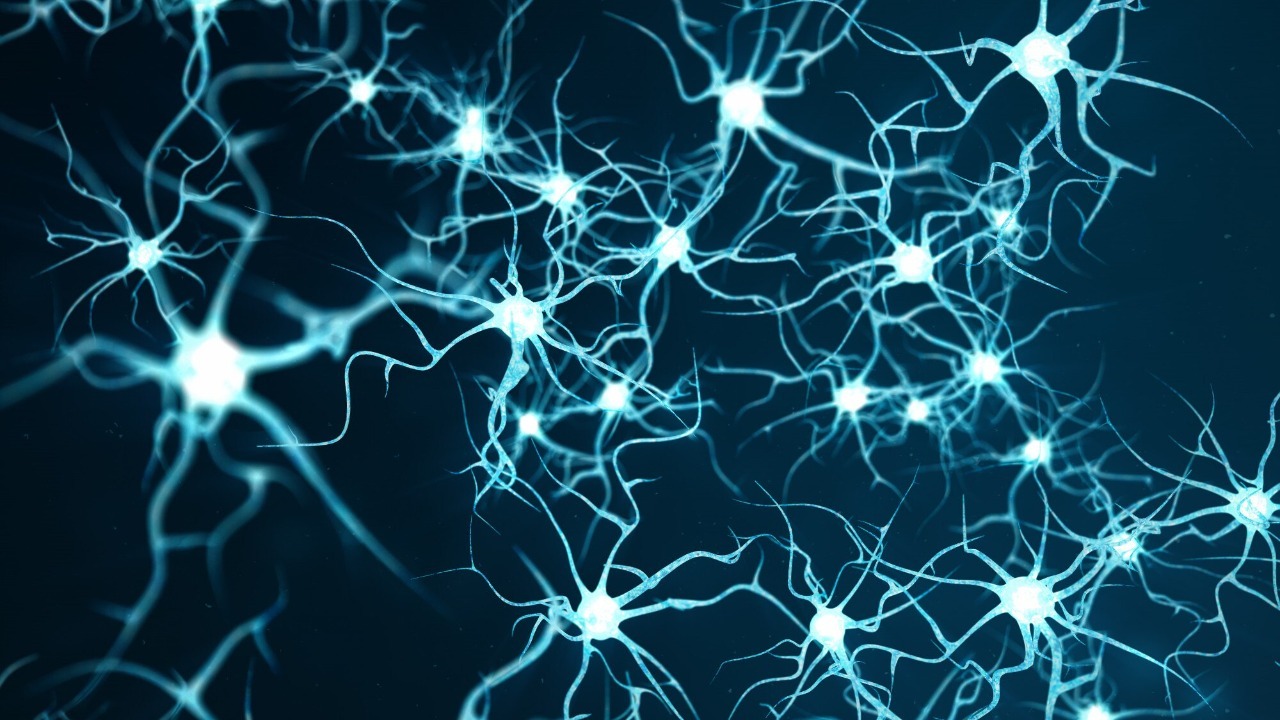

Neurons are famously fragile, yet some injured cells manage to hang on, stabilize, and even reconnect. That quiet resilience has long been a mystery, especially given how easily damaged circuits can slide into permanent decline. New work is now starting to map the cellular tricks that let certain neurons resist degeneration, opening a path toward therapies that could help the rest of the brain do the same.
Instead of treating nerve damage as a one-way street, researchers are uncovering molecular switches, structural workarounds, and backup wiring that keep information flowing even after serious injury. I see a pattern emerging across several labs: the nervous system is not just passively deteriorating, it is actively fighting back, and understanding that fight may be as important as any drug we develop.
The hidden architecture that lets damaged neurons hang on
When neurons are injured, they typically lose their finely branched structure, their electrical precision, and eventually their ability to communicate at all. That loss of structure and function is a major driver of long-term neurological decline, from traumatic brain injury to chronic neurodegenerative disease. Yet recent work from the Univers of researchers behind a study highlighted by Dec and New suggests that some cells deploy internal safeguards that slow or even halt this slide into dysfunction, preserving key parts of their architecture long after an insult that should have doomed them.
In that research, scientists tracked how specific neurons responded to damage and found that a subset did not simply crumble. Instead, these cells reorganized their internal scaffolding, adjusted their synaptic connections, and stabilized their remaining branches in ways that allowed them to keep participating in local circuits. The study, described in detail under the phrase Scientists Discover How Damaged Neurons Sometimes Defy Degeneration, frames these adaptations as a potential blueprint for therapies that could bolster vulnerable cells before they cross the point of no return.
Surviving retinal cells that rebuild eye–brain connections
One of the clearest real-world examples of this resilience comes from the visual system, where injury to the optic pathway has long been considered a permanent blow. In a study summarized under the title Surviving Cells Rebuild Eye, Brain Connections, researchers watched what happened when part of the eye-to-brain route was disrupted. Instead of a uniform collapse, a subset of surviving retinal cells began to extend new projections, attempting to reconnect with their targets and restore at least some of the lost signal.
These surviving cells did not simply regrow in a chaotic way. The work, described as Surviving Cells Rebuild Eye to Brain Connections, shows that After the initial damage, the neurons followed recognizable guidance cues and partially re-established organized pathways from the eye into central visual centers. Although the connections did not fully return to preinjury levels, the fact that adult neurons in this circuit could mount such a response at all challenges the old assumption that central nervous system wiring is fixed for life, a point underscored in the detailed report on Surviving Cells Rebuild Eye to Brain Connections.
Rapid cortical rewiring as a frontline defense
Beyond individual cells, entire brain regions appear capable of reorganizing themselves when neurons are lost. Work summarized under the heading Brain Adapts, Neuron Loss Through Rapid Rewiring shows that the cortex can quickly redistribute tasks and strengthen alternative pathways when part of a network is damaged. Instead of waiting for slow structural regrowth, the brain leans on flexible circuitry, rerouting information through surviving neurons that can take on new roles.
This rapid rewiring is not a vague metaphor. The research, described as New evidence that the cortex can adapt to neuron loss, documents measurable changes in connectivity patterns and firing dynamics in the wake of injury. Circuits that once handled one function begin to share or even fully assume another, helping preserve behavior despite cell loss. The study, detailed in the report on Brain Adapts to Neuron Loss Through Rapid Rewiring, argues that this capacity could be harnessed to buffer the impact of conditions like Alzheimer’s and Parkinson’s, where neuron death accumulates over years.
New neurons in the adult brain’s repair toolkit
For decades, textbooks insisted that adults do not grow new neurons, a claim that made any hope of structural repair sound unrealistic. That view has been steadily eroding, and recent work has pushed it further by showing that the adult brain can generate new neurons that integrate into key motor circuits. The findings, highlighted in a report that begins with Apr and New, suggest that neurogenesis is not just a curiosity in a few niches but a functional part of how the nervous system responds to damage.
In the study, newly born neurons were tracked as they migrated into motor pathways and formed synapses that contributed to movement control. These cells did not remain passive bystanders; they became active participants in the circuitry that had been compromised. The authors argue that this process could be leveraged as a way to treat neurogenerative disorders, using the brain’s own capacity to seed fresh cells into failing networks. The detailed description of how the adult brain can generate new neurons that integrate into motor circuits is laid out in the report on New research shows that the adult brain can generate new neurons, which frames this as a potential route to reverse damage rather than simply slow it.
Metabolic switches that shape cellular resilience
Structural plasticity is only part of the story. Neurons are metabolically demanding cells, and their ability to survive injury depends heavily on how they manage energy. Work on systemic metabolism, including research into why some people struggle with a slow metabolic rate, hints at genetic switches that influence how cells handle fuel. Investigators from Beth Israel Deaconess Medical Center, identified as BIDMC, have described a genetic mechanism that affects the risk for obesity and diabetes by altering how the body burns calories, a finding that may have parallels in how neurons respond to stress.
In that study, the team showed that for those who do suffer this condition, a specific genetic switch can drive a measurable change in energy expenditure and fat storage. While the work focuses on whole-body metabolism, the principle is directly relevant to injured neurons, which must decide whether to enter a low-power survival mode or attempt costly repair. Understanding how similar switches operate in the brain could reveal why some cells weather damage while others succumb. The broader implications of this genetic control over metabolic rate are detailed in the report on a potential genetic switch that may be the answer for people whose slow metabolism hinders weight loss.
Mindset, attention, and the brain’s capacity to rewire
Cellular and circuit-level mechanisms are only part of how the nervous system resists decline. Experience, attention, and behavior can shape which connections are strengthened or pruned, especially after injury. A discussion highlighted by Here on a podcast episode that draws on work from the University of Michigan and the University of Oxford underscores how deliberate mental training can redirect neural activity and energy. The conversation describes research in which focused cognitive strategies changed patterns of brain engagement, effectively teaching people to recruit alternative networks when their usual pathways were overloaded or compromised.
That kind of top-down influence matters for recovery. If injured neurons are on the edge between degeneration and stabilization, the demands placed on them by daily habits, stress, and attention could tip the balance. Techniques that help people shift their focus, regulate stress responses, or practice specific skills can encourage the brain to invest in certain circuits and let others quiet down. The episode, titled Master Your Mind & Redirect Your Energy, frames this as a practical toolkit for individuals, but the underlying science dovetails with laboratory findings on plasticity: behavior can nudge the brain toward more resilient wiring patterns.
From basic mechanisms to future therapies
Pulling these threads together, a picture emerges of a nervous system that is far more dynamic than its reputation suggests. Injured neurons can reorganize their internal scaffolding, as seen in the work from the Univers team highlighted by Dec and New. Surviving retinal cells can rebuild eye-to-brain pathways, cortical networks can rapidly reassign tasks, and the adult brain can even seed new neurons into damaged motor circuits. Each of these mechanisms offers a different angle on the same core puzzle: how to keep information flowing when the original hardware has been compromised.
Translating that knowledge into therapies will require careful coordination across molecular biology, circuit mapping, and behavioral science. Drugs that stabilize cytoskeletal structures might help neurons mimic the protective strategies seen in cells that naturally resist degeneration. Rehabilitation programs could be redesigned to exploit rapid cortical rewiring, targeting tasks that encourage surviving neurons to take on new roles. Interventions that tweak metabolic switches, inspired by work at Beth Israel Deaconess Medical Center and BIDMC on systemic energy balance, might give vulnerable cells the fuel they need to repair rather than retreat. And cognitive training approaches, like those discussed in research from the University of Michigan and the University of Oxford, could help patients actively participate in reshaping their own neural networks. Together, these lines of evidence suggest that the next generation of treatments will not just try to stop damage, but will aim to amplify the brain’s own capacity to resist decline.
More from MorningOverview