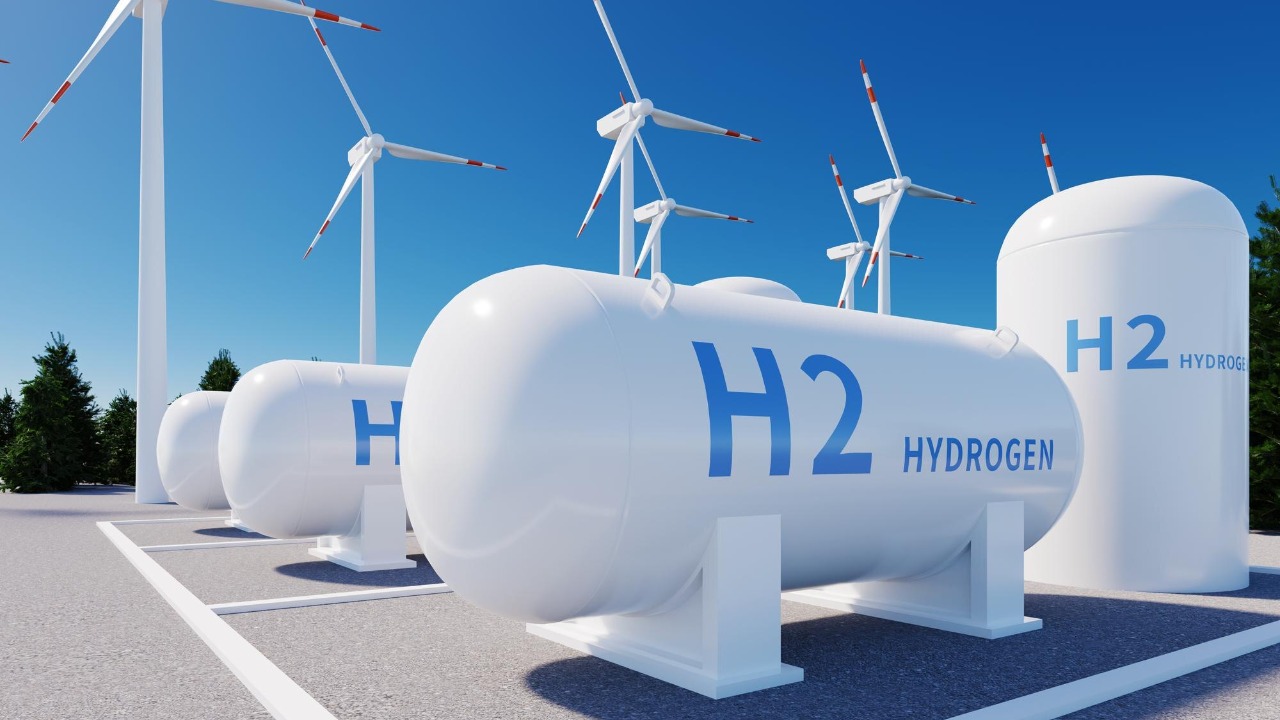

Green hydrogen has long been billed as the clean fuel that could decarbonize heavy industry, shipping, and long‑distance transport, but its high cost and slow production have kept it on the sidelines. A wave of new research is now attacking those bottlenecks at once, promising cheaper catalysts, smarter solar harvesting, and radically different electrolyzer designs that could accelerate output. Taken together, these advances point to a future in which producing climate‑friendly hydrogen is not only technically feasible but commercially compelling.
Why this breakthrough moment matters for green hydrogen
I see the current crop of breakthroughs as a pivot from proof‑of‑concept science to technologies that directly target cost per kilogram and deployment speed. Researchers working on a new green hydrogen system are explicitly focused on making hydrogen both cheaper and faster to produce, with designs that integrate more tightly with solar energy and help stabilise power grids. That focus on grid stability is crucial, because hydrogen only becomes transformative when it can soak up surplus renewable power and release it when demand spikes.
At the same time, the broader innovation landscape is shifting in favour of hydrogen. Analysts tracking Hydrogen production cost trends expect significant price declines as technology improves and policy support deepens, framing green hydrogen as a central pillar of a cleaner, more sustainable energy future. When I line up those macro trends with the lab‑scale advances now emerging, the result looks less like incremental progress and more like the early stages of a cost and performance reset.
Inside the “cheaper and faster” solar‑linked breakthrough
The most eye‑catching development is a solar‑driven setup that aims to compress both the time and money needed to generate hydrogen. Engineers behind this New breakthrough are designing systems that pair directly with solar arrays so they can convert sunlight into hydrogen more efficiently, rather than routing everything through the power grid. By smoothing the flow of solar energy into chemical storage, they are not just trimming losses, they are also creating a buffer that can keep electricity supply steady when clouds roll in.
The significance of that work is already resonating beyond the lab. In a widely shared Post, energy professional Marius Preston highlighted how this New approach could make green hydrogen cheaper, faster to produce, and more tightly integrated with renewables. When practitioners like Marius Preston pick up on a lab result, it is usually because they see a path from experimental rig to commercial project, which is exactly what investors and policymakers have been waiting for.
Capturing more of the sun: from long‑wave photons to smarter panels
Cost reductions are not just coming from better electrolyzers, they are also emerging from smarter ways to harvest sunlight. In Japan, Researchers have developed a method to boost solar hydrogen output by capturing longer sunlight waves that conventional photovoltaic cells largely waste. By extending the usable spectrum, these Scientists in Japan can drive more current through water‑splitting devices without needing larger solar farms, which directly improves the economics of solar‑to‑hydrogen projects.
Parallel work in Korea is attacking the hardware that turns light into hydrogen. A team described how a new manufacturing process for photoelectrodes saved time and materials while enabling larger, more stable components for hydrogen production, a shift that can cut the cost of solar‑linked hydrogen systems compared with polluting gases or compounds. That advance was detailed in coverage of solar panel manufacturing cost, which underscored how better photoelectrodes can make hydrogen a more attractive alternative to fossil‑based fuels. When I connect these dots, the picture that emerges is a solar supply chain increasingly tuned for hydrogen, not just electricity.
ThermoLoop and the race to cut electricity out of the equation
Electricity is the single biggest operating cost in most green hydrogen projects, so any technology that reduces the kilowatt‑hours needed per kilogram has an outsized impact. That is why I pay close attention to NewHydrogen’s ThermoLoop concept, which produces New hydrogen using heat instead of costly electricity. By shifting much of the energy input from power to renewable heat, ThermoLoop aims to sidestep the volatility of electricity prices and the need for massive grid upgrades.
A detailed explainer on how ThermoLoop could redefine green hydrogen describes a system that uses heat to drive key steps in the hydrogen production cycle, with the explicit goal of reaching a per‑kilogram cost that would make it cheaper than incumbent fuels. If that target is met, industrial users that currently rely on grey hydrogen from natural gas would have a compelling financial reason to switch, not just an environmental one. In my view, that kind of heat‑driven architecture is one of the clearest examples of how rethinking process design, rather than just tweaking catalysts, can unlock a new cost curve.
Cheaper catalysts and the “Green Hydrogen Just Got Cheap” moment
Even with smarter system designs, catalysts remain the beating heart of any electrolyzer, and they have historically relied on scarce metals like platinum and iridium. That is starting to change. A detailed analysis of Green Hydrogen Just Got Cheap describes how Scientists Achieve Low cost Production Breakthrough That Could Transform Global Energ markets by redesigning catalysts to use more abundant materials. That breakthrough in catalyst design is framed as a major step forward in reducing global carbon emissions, because it directly attacks one of the most stubborn cost drivers in green hydrogen.
Other teams are taking a different route to the same goal. A Korean group working on Low cost green hydrogen production has demonstrated a new method that leverages the fact that Hydrogen contains more energy by weight than gasoline, while still producing zero direct emissions. Those Scientists argue that their approach can help cut greenhouse gases and mitigate climate change, not by inventing a new fuel, but by making an existing clean option finally affordable at scale. When I look across these efforts, the common thread is a shift from exotic materials to scalable chemistry.
From seawater to graphene: materials that stretch performance
Materials science is also expanding where and how hydrogen can be produced. Researchers at City University have reported a key improvement in seawater electrolysis that helps extend the life of electrolyzers, a critical step for turning renewable energy into storable fuel in coastal regions. Coverage of this work on seawater electrolysis emphasised that the technology works at industrial scale and can cut smog‑forming emissions in cities that currently rely on fossil‑fired power plants. For island nations and water‑stressed regions, being able to tap seawater directly could be a game‑changer.
On a different frontier, scientists are exploring whether graphene can finally deliver the long‑promised leap in catalyst performance. A detailed explainer titled Can graphene catalysts finally make green hydrogen cheap describes how Around the world, researchers are experimenting with graphene electrodes to reduce resistance and improve durability. By pairing graphene with other abundant materials, these advances promise to reduce both capital and operating costs, which is exactly what developers need to justify multi‑billion‑dollar hydrogen hubs.
Scaling up: industrial‑grade electrolyzers and 800% performance gains
Lab breakthroughs only matter if they can be scaled, and there are signs that is starting to happen. A detailed report on how Scientists make key breakthrough in pursuit of a futuristic energy source notes that the technology works at industrial scale and is designed to keep power flowing when a cloud passes or the wind drops. That kind of robustness is essential if hydrogen is to serve as a buffer for variable renewables rather than a niche fuel for demonstration projects.Performance gains are also becoming more dramatic. In a widely discussed video titled 800% Boost to Green Hydrogen Swedish Scientists Did That, the narrator explains how a new system Uses abundant, cheap materials (no platinum/iridium) and is Perfect for remote and developing regions. The same analysis argues that the approach Could slash 70% of current costs, a claim that, if validated at scale, would radically alter investment and technical decisions across the hydrogen value chain. I read that 800% boost not just as a headline‑grabbing figure, but as evidence that researchers are no longer satisfied with marginal gains.
Where costs are heading: from forecasts to policy‑driven demand
Even before these breakthroughs, some analysts were already predicting that green hydrogen would undercut fossil‑based alternatives within this decade. A detailed briefing on Green hydrogen cheaper than fossil fuel hydrogen by 2030 cites Bloomberg projections that renewable hydrogen could beat grey and blue hydrogen on price by the end of the decade, offering the same product but without the carbon capture. Those forecasts assumed steady, incremental improvements; the breakthroughs now emerging could accelerate that timeline or deepen the eventual cost advantage.
Technology roadmaps are moving in the same direction. A recent assessment of Technological advancements in electrolyzers argues that, when combined with government incentives, these improvements will make green hydrogen a more viable option for decarbonising heavy industry and transport. Major players like Siemens Energy are cited as drivers of these advancements, signalling that the technology is moving from startup labs into the portfolios of global engineering firms. In my view, that combination of policy pull and corporate push is what turns a scientific breakthrough into a market reality.
Advanced electrocatalysis and the next wave of efficiency gains
Behind the headlines, a quieter revolution is unfolding in electrocatalysis. A comprehensive review of One of the in hydrogen innovation highlights advanced electrocatalytic systems that can cut production costs by up to 40 % while enhancing efficiency. These systems optimise how electrons move through catalysts and membranes, reducing energy losses that have long plagued conventional electrolyzers. When I look at those numbers, I see a technology class that could quietly reset the baseline for what “normal” efficiency looks like in hydrogen plants.
These gains are being reinforced by improvements in manufacturing and system integration. A report on hydrogen fuel solar panel manufacturing cost shows how new fabrication techniques for photoelectrodes and related components can lower capital costs and extend device lifetimes. When combined with the electrocatalytic advances described above, these manufacturing shifts suggest that the next generation of hydrogen plants will not just be more efficient, they will also be cheaper to build and maintain. That is the kind of double benefit that tends to unlock rapid deployment once early projects prove the concept.
From futuristic promise to practical energy system
For years, green hydrogen has been described as a “futuristic energy source,” a phrase that captured both its potential and its distance from everyday reality. Coverage of how Scientists make key breakthroughs in that pursuit now stresses that the technology works at industrial scale and can keep power flowing when renewables fluctuate. That shift in language, from speculative to operational, is a subtle but important sign that hydrogen is moving into the mainstream of energy planning.
At the same time, the narrative is broadening beyond individual devices to whole systems. Analysts tracking technology trends to watch in 2025 point to hydrogen as one of the revolutionary shifts businesses must prepare for, alongside artificial intelligence and advanced connectivity. When I connect that system‑level view with the specific breakthroughs in catalysts, solar harvesting, seawater electrolysis, and ThermoLoop‑style heat integration, the story that emerges is not just about a single New device. It is about an energy system quietly reorganising itself around a fuel that, for the first time, looks poised to be both clean and competitive on its own terms.
More from MorningOverview